cylinder sleeve · 2026-05-30

Cylinder Sleeve Peugeot Manufacturer China: Sourcing Guide

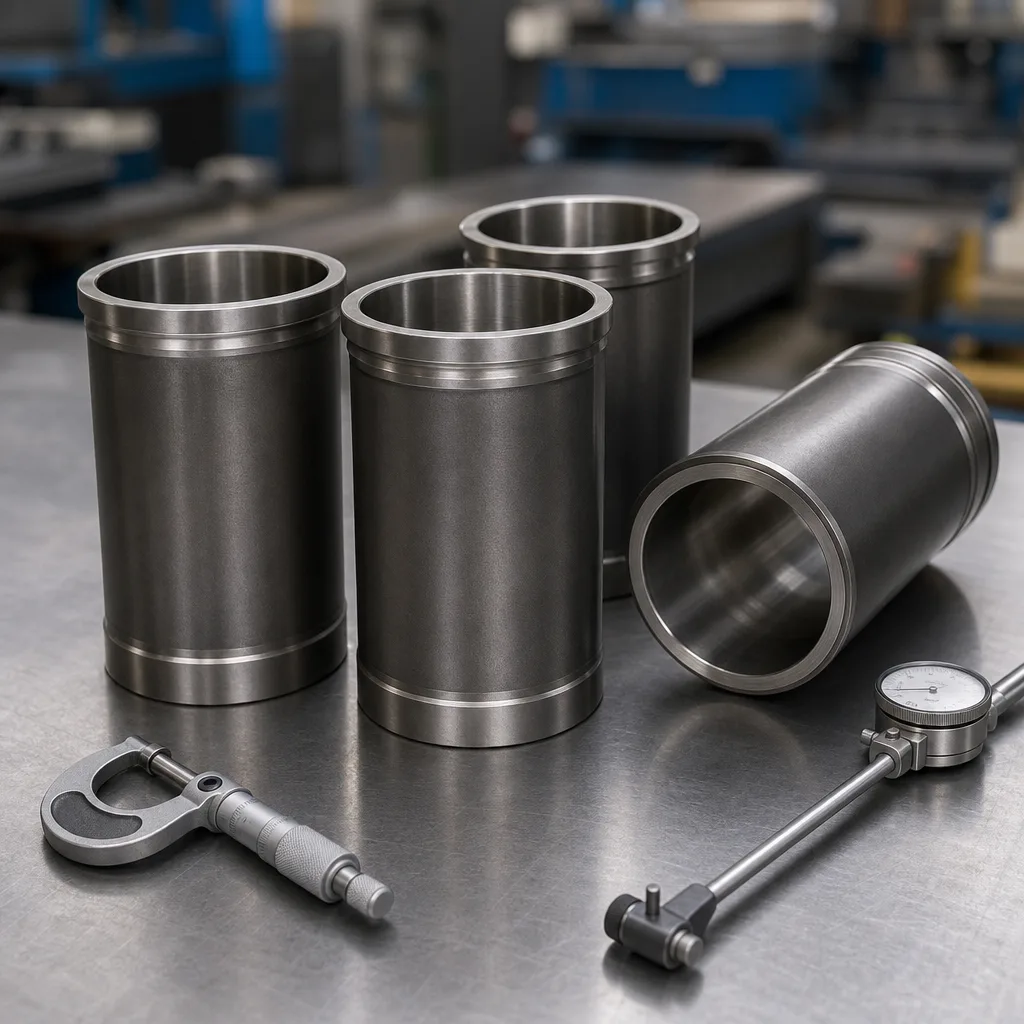
Procurement teams buying Peugeot cylinder sleeves need more than a part name. They need the engine code, sleeve type, material grade, machining allowance, and the inspection data that proves repeatability across lots. Driventus supplies engine and powertrain components from Taizhou, Zhejiang, and supports B2B programmes for aftermarket distributors, OEM/Tier-1 buyers, and repair networks. We export to more than 60 countries and work to IATF 16949:2016 and ISO 9001:2015 controlled processes. Driventus is an independent aftermarket manufacturer; brand names are referenced for fitment only. For programmes that require regulatory or durability alignment, material and validation files can be mapped to REACH (EC) No 1907/2006, ECE R-83, or SAE J2527 at the assembly or vehicle level. The priority is a sleeve that fits the drawing, holds roundness after machining, and arrives with traceable inspection records.

What Buyers Should Verify First

A purchase order for a cylinder sleeve is only useful if the technical definition is complete. Before asking for price, confirm the engine family, sleeve type, and the exact installation method. Dry sleeves, wet sleeves, and flanged sleeves are not interchangeable, and the wrong fit can affect heat transfer, seal integrity, and rebuild life.

For a Peugeot programme, the sourcing team should request:

  • Engine code and application year range
  • Sleeve type: dry, wet, or repair liner
  • Nominal bore, outer diameter, length, and flange geometry
  • Interference fit or retention method
  • Surface finish target after honing
  • Packaging requirement, including rust protection and labeling
  • Annual volume, forecast pattern, and target lead time

If the buyer already has an OE cross-reference file, it should be checked against the drawing and the physical sample, not assumed from a catalogue entry. That is the fastest way to avoid dimensional drift between batches and avoid paying for a part that only fits on paper.

Material and Dimensional Controls

Cylinder sleeves are usually specified in alloyed grey cast iron or ductile iron, depending on wear target, wall section, and thermal loading. The final selection depends on the engine family and the customer drawing, but buyers should always ask for the material declaration, hardness window, and the inspection method used for each critical characteristic.

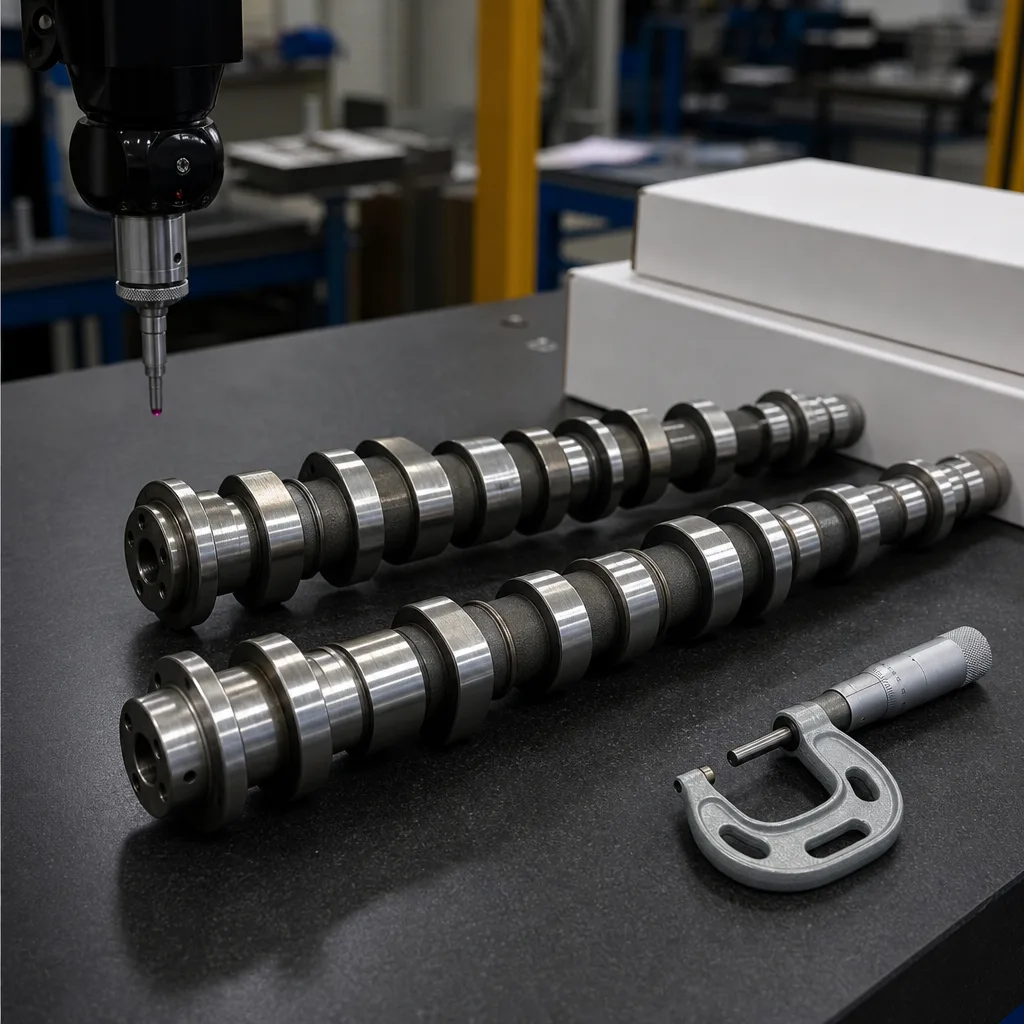
</tr></thead><tbody> </tbody></table>A practical target is to lock the dimensional acceptance to the customer drawing and record the actual values by lot. That gives purchasing, quality, and receiving a common reference when issues appear in the field.

Manufacturing Route and Quality System

A reliable supply chain depends on process discipline, not only on the final measurement. Our manufacturing flow is built around casting control, rough machining, stress management where required, finish boring, honing, cleaning, and final inspection. The sleeve should leave the line with stable geometry and a surface that supports ring seating without excessive break-in wear.

At Driventus, the quality framework is aligned with IATF 16949:2016 and ISO 9001:2015. For procurement teams, that matters because it links incoming material control, in-process checks, calibrated gauges, and nonconformance handling into one audited system. Documentation can include inspection reports, material traceability, and lot identification.

Traceability on mixed-volume programmes

When the buyer runs several part numbers in one programme, the practical risk is label error and lot mixing. The control point is batch traceability from raw material to packed carton. For export customers, that also simplifies claims handling, warehouse rotation, and recall response if a field issue appears later.

Validation, Packaging, and Export Readiness

Procurement should treat validation and packaging as part of the part, not as an afterthought. A sleeve can meet size on the inspection bench and still fail in transit if the bore rusts, the flange chips, or the cartons collapse under pallet load. For that reason, packaging design should be approved alongside the drawing.

Recommended controls for export supply:

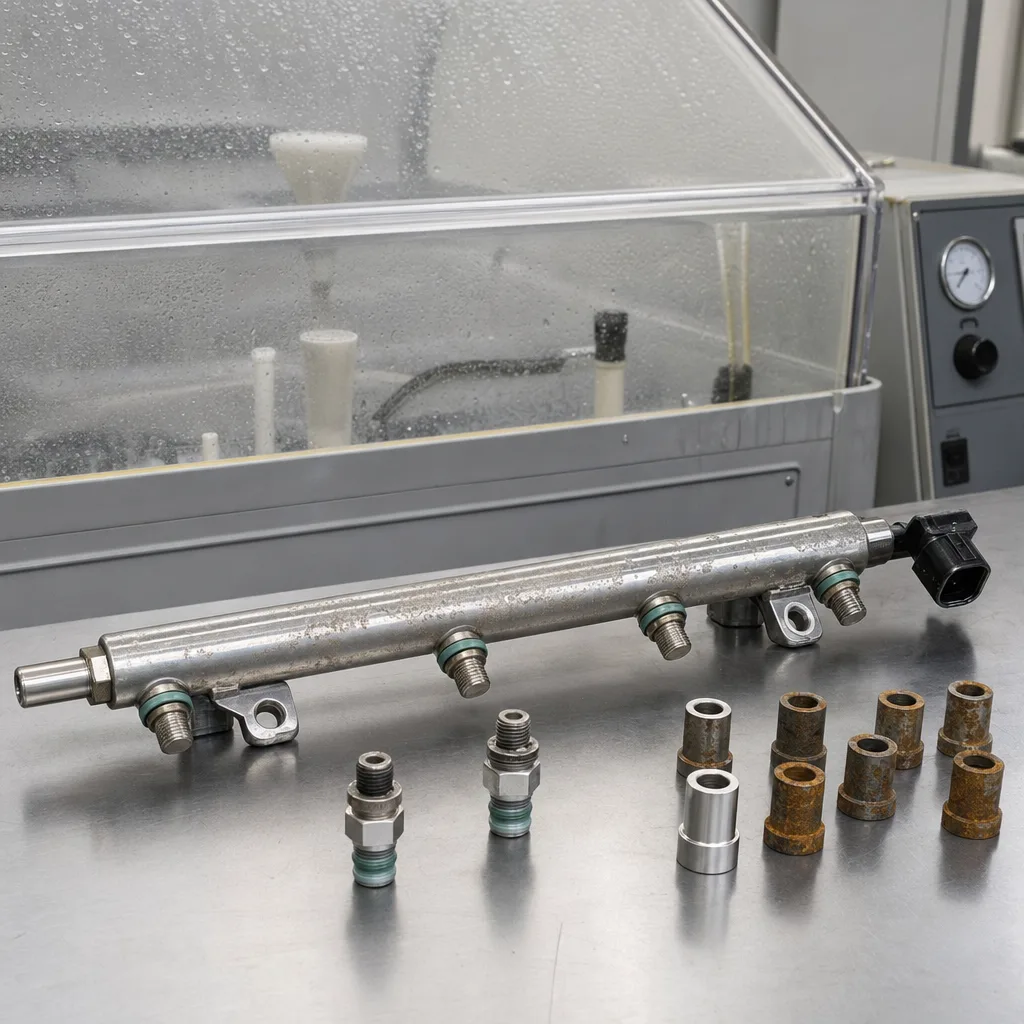
  • VCI paper or light corrosion oil for long ocean transit
  • Bore caps or spacers to protect finished surfaces
  • Carton labels that match the purchase order and lot record
  • Pallet pattern that avoids edge damage and crush load
  • Master carton count that supports warehouse receiving

Where a customer programme needs durability correlation, we can align the supporting test plan to ECE R-83 or SAE J2527 at the relevant assembly level. The sleeve itself is still accepted against the drawing and inspection record. That distinction keeps the technical file clean and avoids overclaiming what the part can prove on its own.

How Driventus Supports Procurement

Buyers usually want four things at the same time: a defined spec, a stable source, a manageable MOQ, and a supplier who can respond when the drawing changes. Driventus is structured for that workflow. Use our catalog to review the current engine-component range, and use our quality system page if you need to confirm the control framework before an audit.

If the programme needs a non-standard wall thickness, coating, packaging format, or dimensional revision, our custom manufacturing service can support drawing-based production. That is the right route when the buyer needs a fit-for-application sleeve rather than a catalogue substitute.

For purchasing teams, the best RFQ package includes the drawing, annual forecast, target market, surface finish requirement, and any OE cross-reference file already in use. If you want a commercial and technical review, use request a quote and include those documents in the first message.

Frequently asked questions

Send the drawing, engine code, sleeve type, dimensions, finish requirement, annual volume, and target market. If you have an OE cross-reference file, include it so we can validate fitment against the technical data.

Yes. We can produce to customer drawing, including custom OD, length, flange shape, hardness window, and packaging. Final acceptance is always tied to the approved drawing and inspection plan.

MOQ and lead time depend on tooling status, machining complexity, and forecast volume. Small sampling lots are usually possible first, then commercial orders are scheduled after specification review and sample approval.

Send your drawing, volume, and target market for a technical review and commercial offer through [request a quote](/contact.html)

Request a Quote
Control item Typical buying check Why it matters
Material gradeCast iron family per drawingWear resistance and heat transfer
HardnessBrinell or equivalent per specRing life and scuff resistance
RoundnessTight post-machining controlBore sealing and oil control
CylindricityMeasured on the finish boreConsistent piston contact
Bore finishControlled honing patternOil retention and break-in
OD and length100% or lot samplingFit in the block and deck height
Corrosion protectionOil, VCI, or custom packingShelf life in export transit