Cylinder Sleeve Jaguar OEM Supplier: Sourcing Guide
Buying a cylinder sleeve for Jaguar engine programmes is a fitment and quality exercise, not a generic parts purchase. Buyers should confirm engine code, bore diameter, sleeve type, flange geometry, installation allowance, and the required finish before they release a PO. Driventus is an independent aftermarket manufacturer; brand names are referenced for fitment only. For procurement teams, the main risk is not the sleeve itself but the gap between the drawing and the production part: material drift, uncontrolled machining, or a supplier that cannot prove traceability. A credible source should show dimensional control, batch traceability, export packing discipline, and a documented quality system. For mixed fleets or regional distributors, the right supplier also needs stable MOQ policy, sample approval, and repeatable lead-time. This article explains what to verify before you buy, and how to compare suppliers without relying on sales claims.
What Jaguar Buyers Need to Verify First
A supplier should start with the application data, not the vehicle badge. For a Jaguar programme, confirm the engine code, sleeve type, block material, bore size, flange height, outer diameter, and whether the part is for repair, rebuild, or production support.
Key buyer checks:
- Dry or wet sleeve construction
- Required interference fit to the block
- Hone allowance and final surface finish
- Pack quantity and labelling for line-side use
- Whether the order is for a sample run or repeat supply
A supplier that asks for these details before quoting is usually easier to control in production. A supplier that quotes only by model name is taking a risk with your fitment record.
Material, Geometry, and Machining Controls
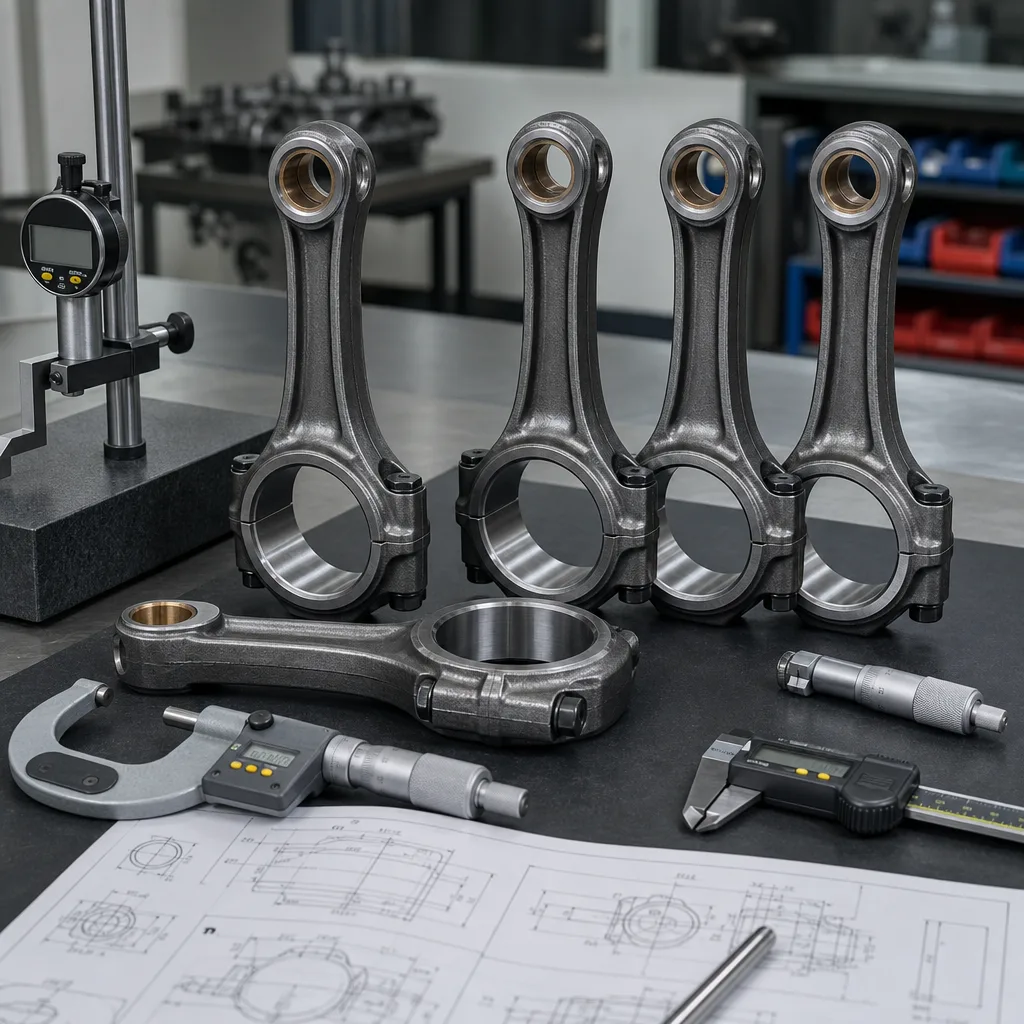
Cylinder sleeves are simple parts in appearance and unforgiving parts in use. The cast structure, wall consistency, and machining accuracy matter because the sleeve must hold bore shape under heat and load.
| Control point | Buyer expectation | Why it matters |
|---|---|---|
| Material | Controlled cast iron or alloy iron, per drawing | Wear resistance and thermal stability |
| Bore geometry | Size, taper, and roundness held to print | Ring seal and low rework risk |
| Outer diameter | Stable for block fit and press-in control | Prevents cracking or looseness |
| Face and chamfer | Clean entry and correct seating | Helps installation and head gasket sealing |
| Finish | Declared Ra and checked on inspection report | Supports final honing and break-in |
| Supplier type | Strength | Procurement risk |
|---|---|---|
| Stockist | Fast dispatch | Mixed traceability and limited control |
| Trading company | Broad sourcing options | Variable machining oversight |
| Manufacturer | Stable process and audit trail | Longer approval cycle |