cylinder sleeve · 2026-06-29

Cylinder Sleeve Infiniti Wholesale: Sourcing Guide

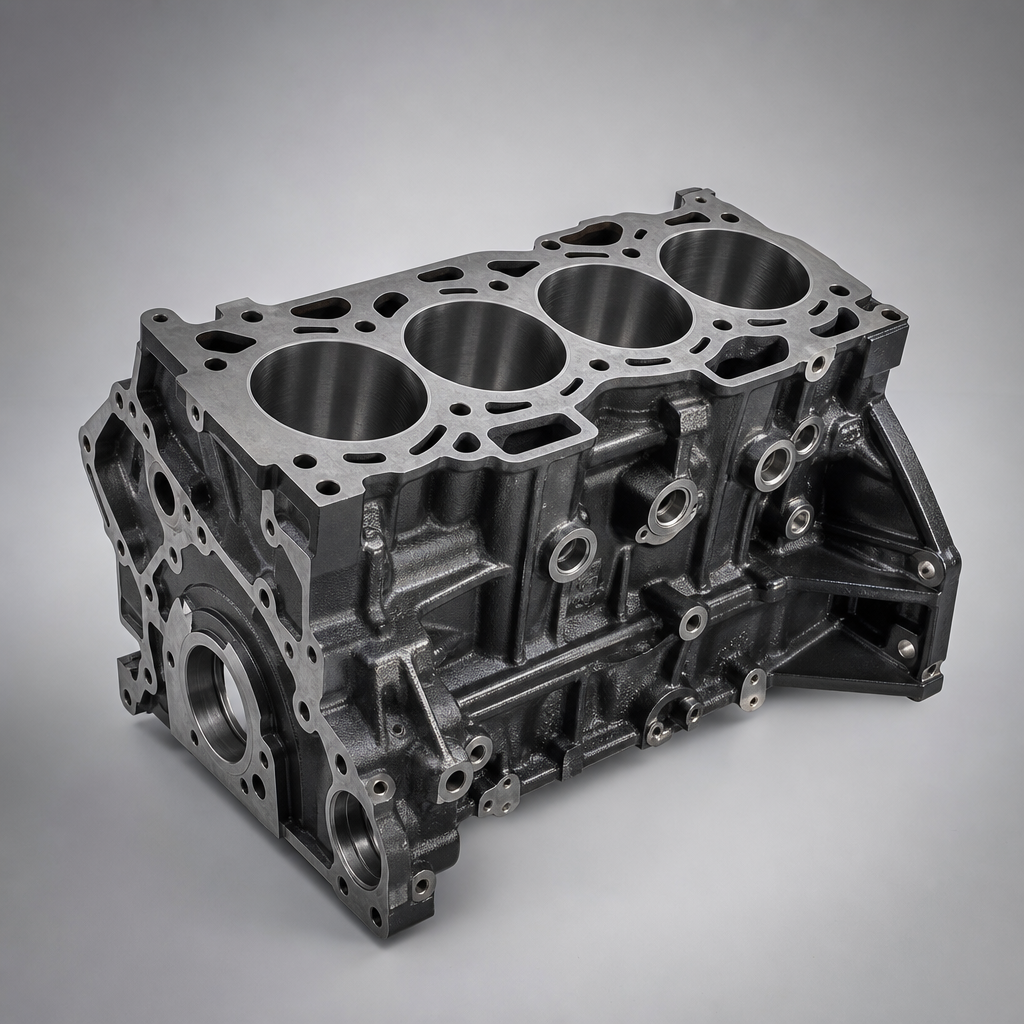
Cylinder sleeve Infiniti wholesale sourcing is less about finding a low unit price and more about controlling fitment, machining, and repeatability. Buyers need the engine code, sleeve construction, wall thickness, bore finish, and inspection data to match the repair method and avoid rework. That matters whether the buyer is stocking distributors, supporting rebuilders, or qualifying a supplier for ongoing programs. Driventus is an independent aftermarket manufacturer; brand names are referenced for fitment only. For Infiniti applications, the right sleeve has to match the target engine family, machining allowance, and repair strategy. This article breaks the decision into practical parts: fitment checks, spec review, failure points, validation, and supply model.

Start With the Fitment Decision

For cylinder sleeve Infiniti wholesale purchases, the first question is not price. It is whether the sleeve is being used as a direct replacement, an oversize repair, or a machine-shop correction.

Verify these points before quoting:

  • Engine family and displacement
  • Wet sleeve or dry sleeve construction
  • Finished bore size and finish requirement
  • Outer diameter, wall thickness, and flange geometry
  • Installation allowance and final honing target
  • Pack quantity, carton count, and label format

A supplier should state whether the part is built for direct-fit repair or for finish machining after installation. That distinction changes labor, rejection risk, and total landed cost. If the application is tied to an OE cross-reference, ask for the reference in documented form. Do not accept a visual match as proof of compatibility.

Specification Deep Dive

Cylinder sleeves look straightforward, but the controlled dimensions decide whether the part works in service. Request a drawing or dimensional sheet before you place volume business.

</tr></thead><tbody> </tbody></table>For Infiniti engine repair work, the sleeve has to hold combustion sealing and ring contact after installation. Ask how the part is machined, how the final gauge is verified, and what inspection tools are used. If those answers are vague, the apparent price advantage usually disappears in rework.

Failure Modes That Raise Cost

The common sourcing mistakes are predictable. They are also expensive.

  • Wrong sleeve type for the block: dry versus wet errors create fitment failure.
  • Uncontrolled wall thickness: too thin can compromise block stability; too thick can affect seating and thermal behavior.
  • Missing finish spec: a sleeve that is not honed to the right target forces extra machine time.
  • Weak traceability: when a lot fails, the buyer cannot isolate whether the issue is material, machining, or installation.
  • Packaging damage: sleeves can arrive out of tolerance if cartons or trays are not suited to transport.

These failures are avoidable if the supplier treats the drawing as the controlling document and supports incoming inspection with measurable data. The cheapest offer is rarely the cheapest outcome when machining time and claim handling are included.

Compare Standard, Revised, and Custom Supply

Wholesale buyers usually end up in one of three supply models.

Item Typical procurement check
MaterialAlloyed cast iron or ductile iron, confirmed by mill or melt record
Bore toleranceConfirm after rough and finish machining
Wall thicknessMatch block integrity and heat transfer needs
FlangeCheck height, width, and seating face flatness
Surface finishConfirm honing and Ra requirement where applicable
HardnessRequest documented range by batch
Roundness / taperVerify after heat treatment and finish machining

</tr></thead><tbody> </tbody></table>For some programs, a catalog item from our catalog or engine components is enough. When the block family or machining allowance is unusual, custom manufacturing is the correct route. That path gives room for drawing review, sample runs, and production scheduling before volume orders begin.

Why Traceability Changes the Risk Profile

Wholesale buyers often compare suppliers only on price and lead time. That is usually too shallow. The lower-risk supplier is the one that can prove what was made, when, and from which material lot.

Driventus operates under IATF 16949:2016 and ISO 9001:2015, which supports lot traceability and documented inspection records.

Ask for:

  • Batch traceability by lot or melt
  • Incoming material verification
  • In-process dimensional inspection records
  • Final inspection sampling plan
  • Packaging and label traceability
  • Compliance declarations where relevant, including REACH (EC) No 1907/2006 for regulated markets

When the sleeves are going into repair chains or export distribution, traceability is not optional. It is what lets a buyer separate a material issue from an installation issue.

Step-by-Step Validation Before Release

Before you move from sample to mass order, validate the part against the actual use case. Cosmetic inspection is not enough.

1. Confirm sample dimensions against the drawing. 2. Measure outer diameter, flange height, and bore finish. 3. Review hardness and material records. 4. Check fit in a trial block or gauge fixture. 5. Confirm machining response during honing or finish boring. 6. Review packaging for transport damage risk.

If the sleeve is part of a repaired engine path, trial installation is useful because it shows whether the sleeve seats correctly and holds tolerance after thermal cycling. For higher-volume buyers, keep the initial sample report as the approval baseline. It becomes the reference when the next lot arrives.

Scenario: When Custom Is Worth It

A custom sleeve is justified when the application forces a choice between poor fit and controlled engineering.

Typical cases include:

  • A block family with limited off-the-shelf availability
  • A repair route that requires a different flange height or wall profile
  • A program that needs a specific bore allowance for final machining
  • A procurement team that needs a repeatable drawing-controlled part for multiple locations

In these cases, the added engineering step is cheaper than repeated rework. The right process is to confirm the drawing, approve a sample, then lock the production revision before volume ordering. That keeps the quote usable instead of merely low.

How Driventus Supports Wholesale Buyers

Driventus supplies engine and powertrain components from a vertically integrated manufacturing base in Taizhou, Zhejiang. For wholesale buyers, the practical value is controlled production across machining, inspection, and packing, with export experience across more than 60 countries.

What procurement teams usually request:

  • Stable MOQ for distributor replenishment
  • Lead-time confirmation by part family
  • Drawing-based production for custom sleeve geometries
  • Batch traceability and export documentation
  • Consistent carton and pallet packing for long-distance freight

For ongoing purchasing, start with our catalog, review the quality system, and then move to a drawing review through request a quote. Driventus is an independent aftermarket manufacturer; brand names are referenced for fitment only. Where the Infiniti application needs a revised profile, custom manufacturing is available after technical review.

Frequently asked questions

Engine code, sleeve type, target bore, outer diameter, flange dimensions, quantity, and whether the part is standard or custom. A drawing or sample speeds confirmation.

Yes, if the buyer supplies the required reference and dimensions. The supplier should confirm fitment by drawing, measurement, and sample validation before volume release.

Ask for IATF 16949:2016 and ISO 9001:2015 status, plus lot traceability and relevant compliance documentation such as REACH (EC) No 1907/2006 when needed.

Review the specification with your buying team, then send the engine code, quantity, and target dimensions through /contact.html for a quotation.

Request a Quote
Supply model Best fit Tradeoff
Standard catalog itemCommon engine families and stable demandLess flexibility on geometry
Buyer-specific revisionKnown application with small dimensional changesSample approval required
Fully custom sleeveUnusual block, repair strategy, or machining allowanceLonger lead time and more upfront review