Cylinder Sleeve Chevrolet Wholesale: Sourcing Guide
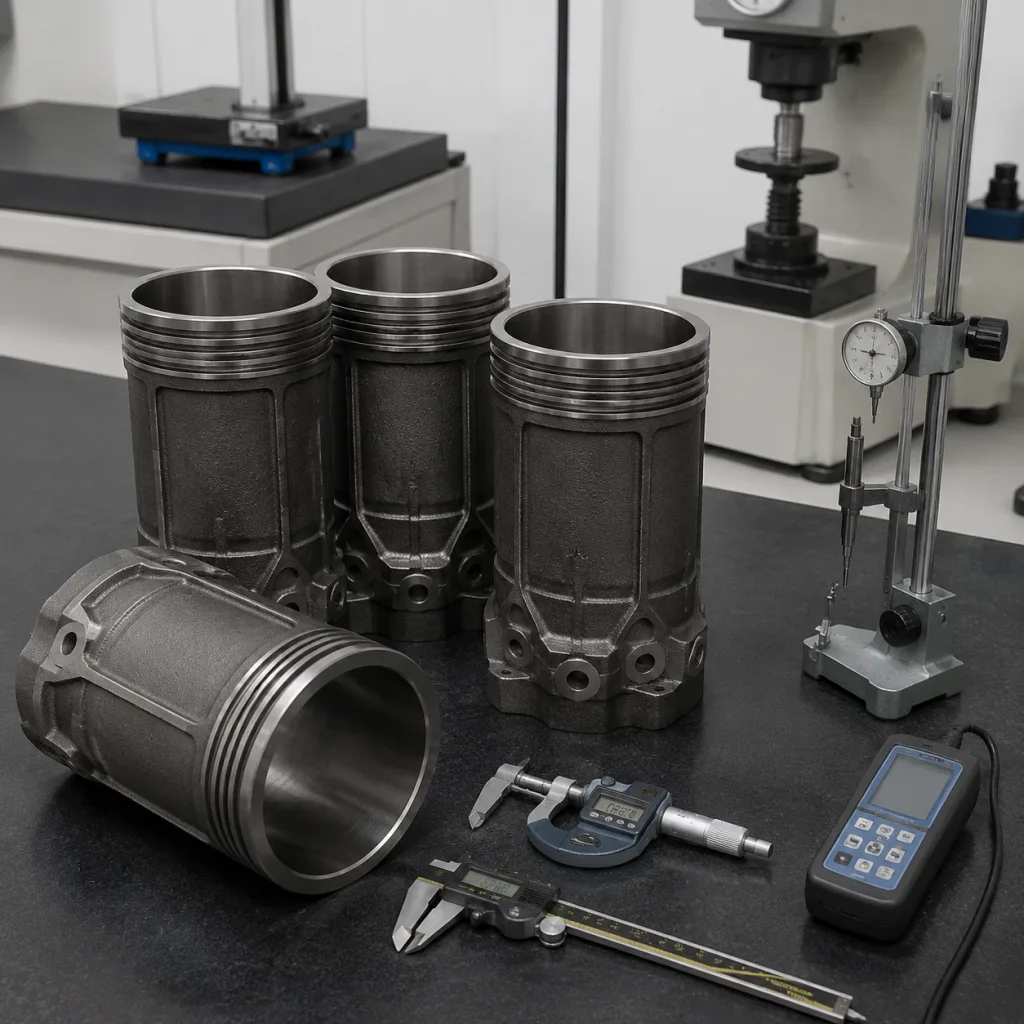
Cylinder sleeve Chevrolet wholesale buying is usually about repeatability, not just price. For engine rebuilders, distributors, and OEM support teams, the sleeve has to match the parent bore, finish, and assembly method so the block machines correctly on the first pass. Driventus is an independent aftermarket manufacturer; brand names are referenced for fitment only. Wholesale buyers should confirm sleeve type, bore and OD dimensions, flange design, material, hardness, and the inspection package before releasing volume orders. That matters for remanufacture and new-build programmes alike, especially when the same engine family is supplied to multiple markets. In practice, a usable wholesale quote should also state tolerance bands, MOQ breakpoints, sample pricing, lead-time tiers, and the test method behind each acceptance check. If you are comparing suppliers, the practical questions are straightforward: can they hold the drawing, can they document the batch, and can they support recurring orders with stable lead times? The sections below outline the sourcing checks procurement teams should apply before requesting samples or placing container-level orders.
Start with the fitment brief, not the price
A precise RFQ cuts sampling delays and reduces the risk of machining surprises. For Chevrolet applications, the supplier needs the exact engine family, the repair objective, and the machining state of the block. If the sleeve is for a rebore, provide the final bore target and the remaining parent-bore condition. If it is for a new casting or service part, provide the sleeve seat detail and any block drawing notes.
Use this checklist in the quotation pack:
- Engine family, displacement, and application context
- Sleeve type: dry, wet, or repair sleeve
- Nominal bore, outer diameter, length, flange height, and wall thickness limits
- Tolerance callouts for ID, OD, roundness, taper, concentricity, and flange height
- Target interference fit and any required machining stock
- Material requirement, heat treatment condition, and hardness range
- Surface finish, coating, and corrosion requirement
- Quantity per order, annual forecast, and packaging specification
- Document pack: material certificate, dimensional report, batch traceability, first-article samples, and gauge method where required
For wholesale programmes, ask for retained samples from the first lot, a written revision history for any drawing change, and a signed deviation note for any temporary concession. That gives procurement teams a stable reference point when repeat orders move through production. As a rule, include the exact acceptance standard in the RFQ rather than asking the supplier to interpret it later; that is the fastest way to keep approval cycles short and prevent avoidable sample rework.
Which sleeve specification actually drives success?
Most replacement sleeves for Chevrolet engine work are supplied in centrifugal cast iron or other controlled iron grades. The right choice depends on thermal load, machining strategy, and whether the sleeve is intended for a dry-bore or coolant-contact application. Buyers should not treat sleeve material as a generic line item. The alloy, casting method, and finish all influence machinability and final bore stability.
The controls that matter most are roundness, taper, concentricity, wall thickness, flange height, and the final ID after honing. OD finish matters because it drives the interference fit in the block. ID stability matters because it sets the machinist's final hone allowance. If the sleeve is thin or the flange is out of spec, the rebuild shop may recover the part with extra machining, but the block may lose strength or bore alignment.
Typical control targets for wholesale RFQs often fall in these working ranges unless the drawing says otherwise:
- ID finish allowance for honing: 0.03-0.08 mm per side
- OD interference fit: 0.04-0.10 mm depending on block material and sleeve length
- Roundness and taper: within 0.01-0.03 mm on finished dimensions
- Concentricity between ID and OD: within 0.02-0.05 mm
- Flange height control: within 0.02-0.05 mm
- Wall thickness variation: kept to the minimum that supports the repair spec and heat load
- Surface finish on machined IDs: typically Ra 0.8-1.6 µm before final honing allowance is consumed
| Sleeve type | Typical use | Buyer focus | Risk if mis-specified |
|---|---|---|---|
| Dry sleeve | Inserted into a parent bore with no coolant contact | OD fit, wall thickness, ID allowance | Bore distortion, poor heat transfer, rework during honing |
| Wet sleeve | Coolant-contact design used in some engine families | Seal features, corrosion resistance, leakage control | Coolant seepage, seal failure, early engine damage |
| Repair sleeve | Restores worn or damaged bores | Oversize OD, machining stock, final finished bore | Excessive material removal, weak block structure, low yield |