cylinder liner · 2026-05-28

Cylinder Liner Volkswagen Wholesale: Supplier Guide

Procurement teams sourcing a cylinder liner Volkswagen wholesale programme need more than a price list. The critical checks are dimensional compatibility, material specification, heat treatment, surface finish, packaging, and traceability across batches. For engine rebuilders, distributors, and import managers, the difference between a workable supply line and a return-prone one is often found in the documents: inspection records, alloy certificates, hardness data, and runout control. Driventus supplies engine and powertrain components from Taizhou, Zhejiang, with export experience in more than 60 countries and certification to IATF 16949:2016 and ISO 9001:2015. Driventus is an independent aftermarket manufacturer; brand names are referenced for fitment only. This article explains how to evaluate a wholesale cylinder liner source, what to confirm before placing a production order, and how to reduce mismatch risk when you cross-reference OE numbers, including OE 06A107065 where applicable.

What wholesale buyers should verify first

Wholesale sourcing for cylinder liners is not only about unit cost. The first pass should confirm that the part matches the engine family, bore size, liner type, and installation method.

Minimum buyer checklist

  • Engine code and application range
  • Liner type: dry, wet, or parent-bore sleeve
  • Bore diameter, outer diameter, and length
  • Flange geometry, if present
  • Wall thickness and interference fit range
  • Material grade and heat treatment record
  • Surface finish and honing allowance
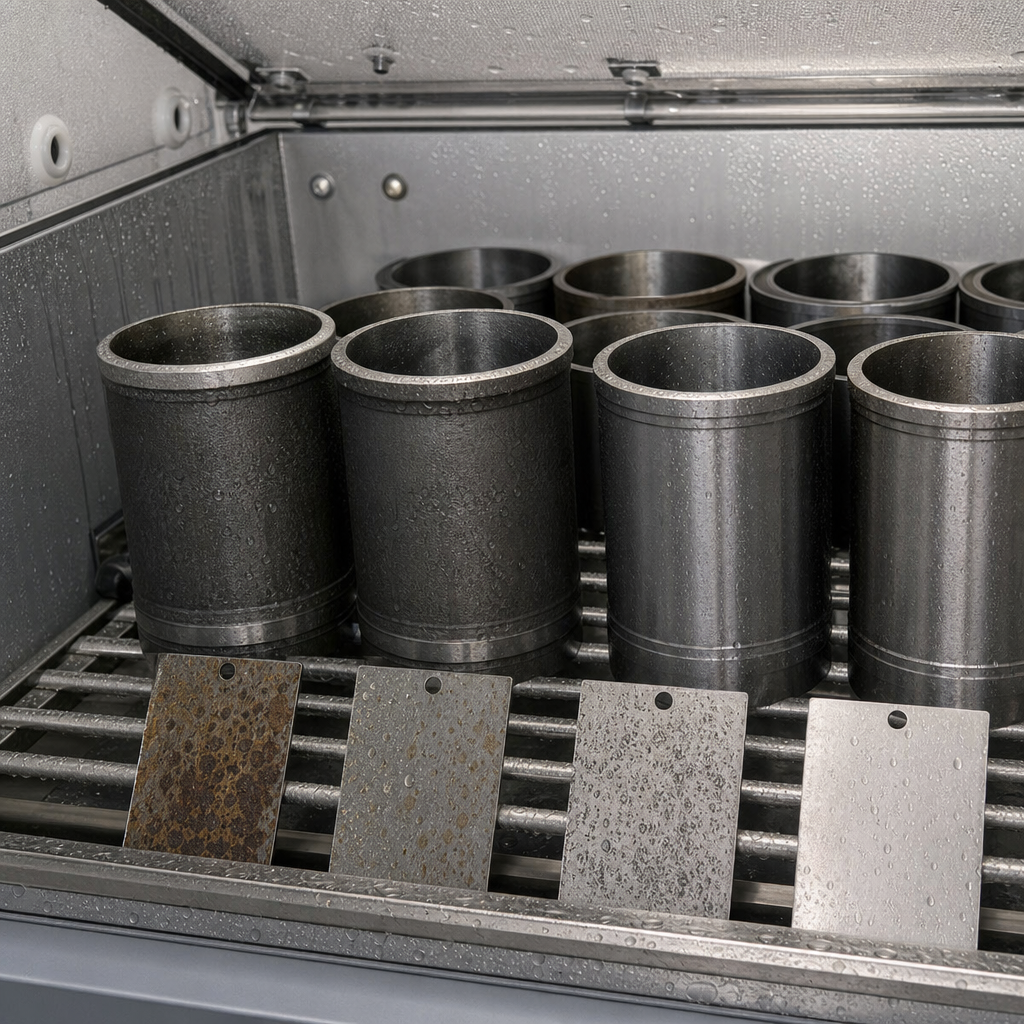
  • Packaging method to prevent corrosion and edge damage

For Volkswagen applications, buyers often manage mixed demand across passenger car, light commercial, and rebuild markets. That makes dimensional consistency more important than broad catalogue coverage. If your team needs cross-reference support, start with our catalog and confirm the matching engine-component family before requesting production quantities. For a wider view of related parts, see engine components.

Material, machining, and test criteria

A liner that looks correct can still fail if the metallurgy or machining is inconsistent. Buyers should ask for the production route and inspection data, not only a sample.

</tr></thead><tbody> </tbody></table>Published standards are relevant even when a part is aftermarket. Quality systems should align with IATF 16949:2016 and ISO 9001:2015. For compliance programmes that involve chemical declarations, buyers may also require REACH (EC) No 1907/2006 documentation. If your line includes export to markets with emissions-related rebuilding rules, request test documentation that supports the application, even if the liner itself is not certified to a vehicle programme.

MOQ, lead time, and supplier structure

For wholesale programmes, supplier structure matters as much as metallurgy. A vertically integrated factory can usually reduce lead-time risk because casting, machining, and inspection are controlled in-house or within a tightly managed supply chain.

Typical questions to settle before order placement:

1. What is the MOQ per reference or per engine family? 2. What is the standard lead time for repeat orders? 3. Can the supplier support mixed-SKU cartons for distributors? 4. Are first-article samples and dimensional reports available before mass production? 5. Is traceability maintained by batch, date, and heat lot?

Driventus supports B2B buyers who need repeatable supply rather than one-off stock. For buyers comparing vendors, a factory audit or remote document review should cover process control, calibration status, incoming material checks, and final inspection records. You can review the quality system to see how production control is structured.

Fitment control and OE cross-reference practice

Cylinder liner selection should be controlled by engine data, not by vehicle badge alone. The same model range can use different blocks, bore depths, and liner constructions across production years.

Fitment controls used by procurement teams

  • Confirm engine code, displacement, and build range
  • Match OE reference where available, such as OE 06A107065
  • Verify installed height and flange presence
  • Check whether machining allowance is required
  • Confirm whether the liner is sold as a raw sleeve or finish-machined part

Driventus is an independent aftermarket manufacturer; brand names are referenced for fitment only. That disclosure matters for tenders and catalog listings. It keeps the procurement process focused on technical equivalence, not branding. If your programme requires dimensional changes, packaging changes, or private-label supply, see custom manufacturing for available development support.

Why documentation reduces return rates

Most liner returns are caused by avoidable sourcing errors: incorrect bore class, wrong installation style, missing flange, or poor post-machining compatibility. The lowest-cost offer can become expensive if the part must be reworked or scrapped.

A reliable wholesale file should include:

  • Dimensional inspection report with tolerances
  • Material certificate or heat batch traceability
  • Sample photos of the exact reference
  • Packaging specification
  • Carton quantity and gross weight
  • Country of origin declaration
  • Compliance file for REACH (where applicable)

Buyers serving rebuilders and distribution networks should also ask for a clear acceptance plan: sample approval, production approval, and shipment-level inspection. That creates a defensible record if a dispute arises. If you are preparing a sourcing RFQ, request a quote with the engine code, OE cross-reference, annual volume, and target delivery window.

Frequently asked questions

Provide engine code, OE reference if available, bore and outer diameter, liner type, annual volume, target market, and whether you need raw or finish-machined parts. A clear drawing is preferred.

Yes, subject to specification review and MOQ. Private-label work can include packaging changes, part marking, and document sets for distributor programmes.

Ask for dimensional reports, material traceability, hardness data, packaging specification, and the supplier’s quality certifications. For regulated markets, request REACH documentation where relevant.

If you are building a repeat supply line for Volkswagen applications, send your engine data, volume target, and OE reference for review. Start here: /contact.html

Request a Quote
Item What to confirm Why it matters
MaterialAlloy cast iron or ductile iron, per applicationWear resistance and stability
HardnessBatch hardness recordControls scuffing and ring life
Bore finishHoning and surface roughness controlAffects ring seating and oil retention
ConcentricityMeasured on production lotsReduces noise and uneven wear
Wall thicknessControlled to drawingPrevents distortion during press-in
Corrosion protectionOil, paper wrap, VCI, or carton specLimits transit damage