Cylinder Liner Salt Spray Test Standard: Buyer Guide
A cylinder liner salt spray test standard is not a single universal rule. In practice, buyers use a corrosion test method such as ASTM B117 or ISO 9227, then define the coating, exposure time, and pass criteria in the purchase specification. That matters because cylinder liners may be supplied as bare cast iron, phosphate-treated, or fitted with corrosion-protective coatings on the outer surface. The test you choose should match the actual risk in service, storage, and shipment. For procurement teams, the key question is not only whether a liner passes fog testing, but whether the result reflects the production process, packaging, and intended operating environment. Driventus is an independent aftermarket manufacturer; brand names are referenced for fitment only. If you need repeatable sourcing, align the test method with your drawing notes, sampling plan, and supplier quality documentation before release.
What the test is used for
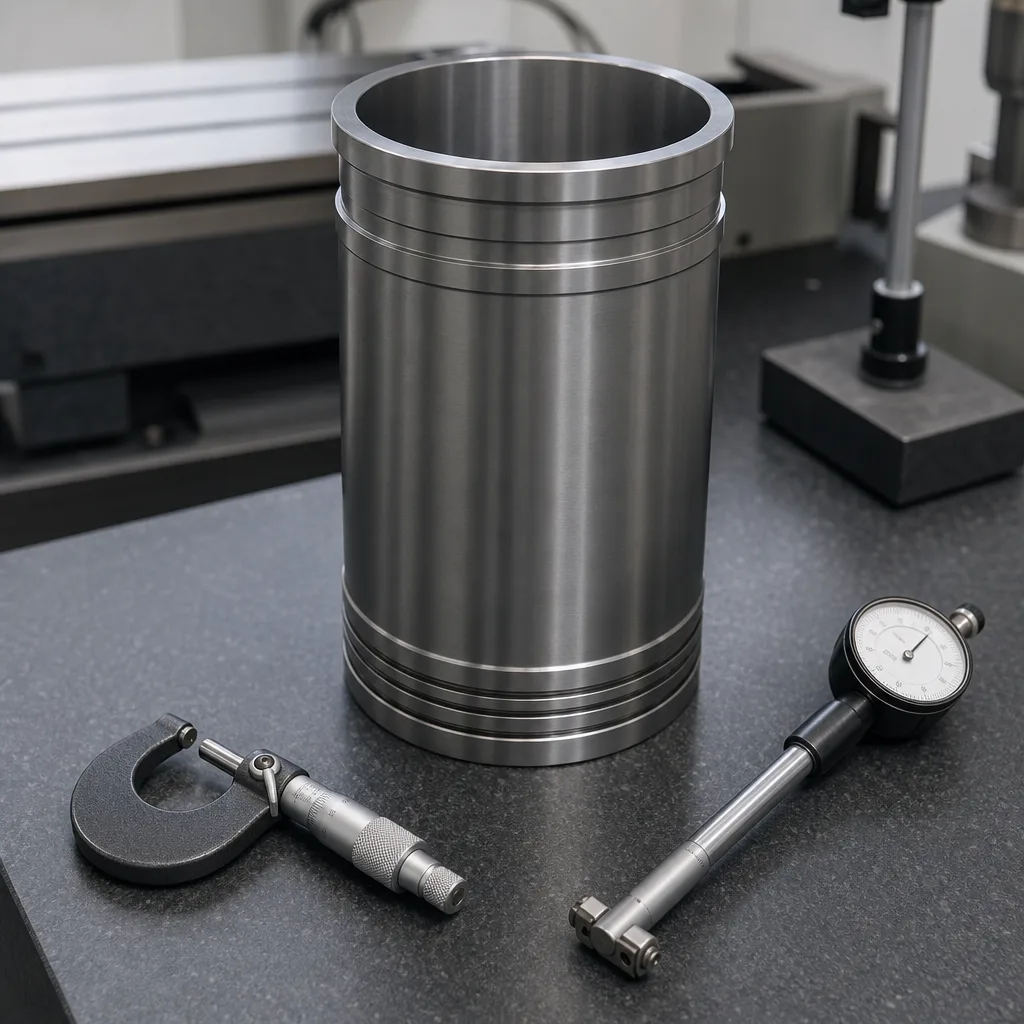
Salt spray testing is a controlled corrosion exposure method used to compare surface protection, packaging, and process consistency. For cylinder liners, it is usually applied to the external surface or protective coating rather than the bore, because the bore is machined for wear and oil retention, not for atmospheric corrosion resistance.
Use this test when you want to verify:
coating continuity on the liner OD
resistance to red rust during sea freight or warehouse storage
consistency between production batches
packaging performance after vibration and humidity exposure
It is important to separate corrosion performance from wear performance. A liner can pass a fog test and still fail dimensional control, roundness, or surface finish requirements. For sourcing decisions, combine corrosion testing with incoming dimensional inspection and metallurgical review. See our catalog and quality system for the documentation we provide with engine components.
Which standards buyers usually specify
There is no cylinder-liner-specific salt spray test standard that applies to every part family. Buyers usually reference a recognized corrosion test method and then add part-specific acceptance criteria.
Standard
Scope
Typical use in sourcing
ASTM B117
Neutral salt spray fog test
Widely used for comparative corrosion testing
ISO 9227
Salt spray tests
Common in global purchase specifications
ASTM G85
Modified salt spray methods
Used when cyclic or acidified conditions are needed
</tr></thead><tbody> </tbody></table>For automotive supply chains, these tests are often paired with quality management requirements such as IATF 16949:2016 and ISO 9001:2015. If your supplier handles coatings, chemicals, or packaging materials, REACH (EC) No 1907/2006 may also be relevant for substance control.
A good specification should name the method, salt concentration, test duration, test temperature, sample count, and the exact failure definition. If any of those are missing, different suppliers may interpret the requirement differently.
How to write a usable purchase specification
A practical spec should be short, measurable, and tied to the liner's function. For a cylinder liner, the corrosion requirement should not be written as a vague statement such as “must resist rust.” It should state the test method and the acceptance criterion.
Minimum items to include
part name and OE cross-reference if applicable, for example OE 06A107065 when the application uses that reference format
substrate type, such as grey cast iron or alloy cast iron
coating or surface treatment on the outer diameter
test method: ASTM B117 or ISO 9227
exposure duration, for example 24, 48, 72, or 96 hours
acceptance criterion, such as no base-metal red rust, no blistering, or no coating delamination
sample size and lot definition
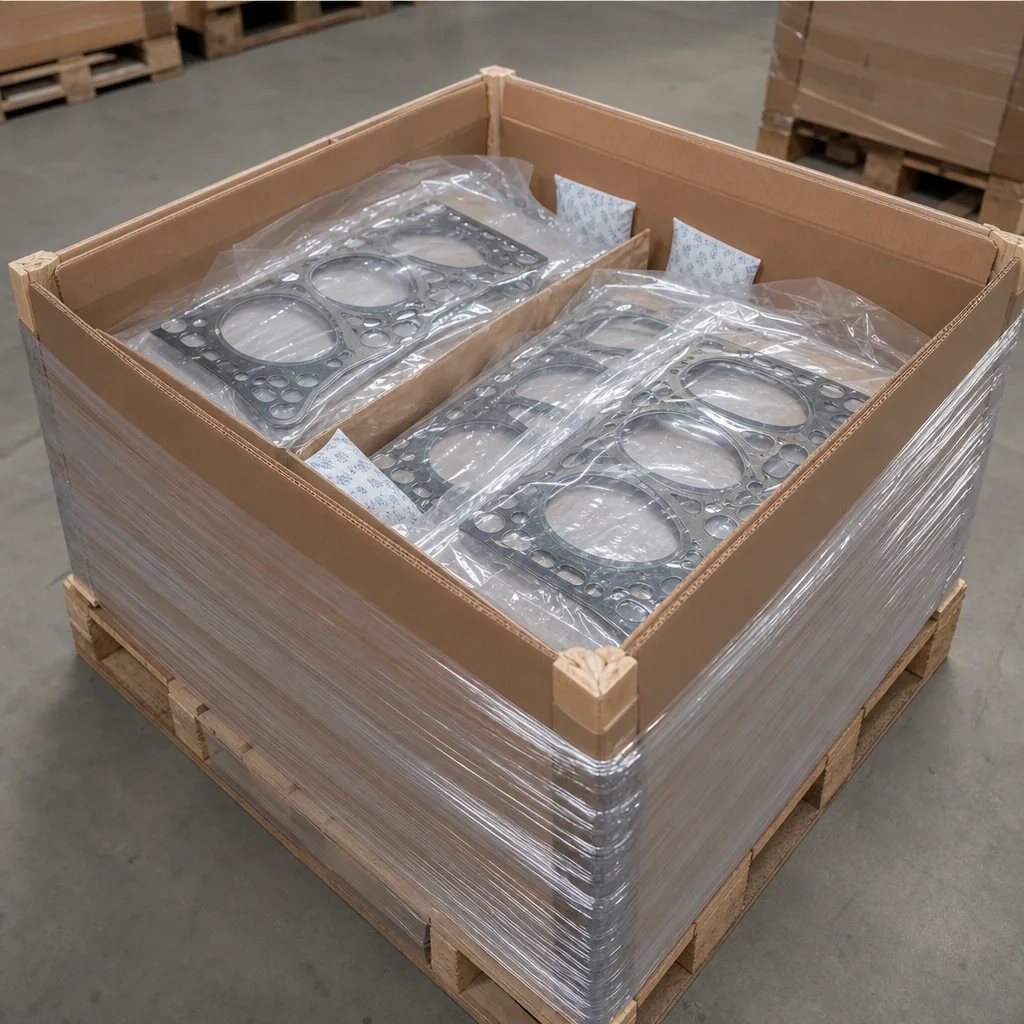
packaging state before test, including VCI bag, oil film, or carton
If the liner will be stored before installation, include a shipping simulation or packaging check. Salt fog alone does not prove that the part will survive long lead times or poor warehouse control. For custom programs, custom manufacturing can be used to define coating, packaging, and test limits before mass production.
What the test can and cannot prove
Salt spray is a comparative test, not a direct lifetime prediction. A part that survives 96 hours in fog is not guaranteed to last a fixed number of years in service. That is why procurement teams should avoid treating the result as a substitute for field validation.
What it can show
What it cannot show
Relative corrosion resistance of one coating versus another
Real service life in every climate
Process variation between batches
Wear, seizure, or thermal distortion performance
Packaging effectiveness during storage
Full engine durability
Supplier consistency against a written spec
End-use approval by a vehicle manufacturer
</tr></thead><tbody> </tbody></table>For cylinder liners, the more useful approach is to combine corrosion testing with dimensional inspection, microhardness where relevant, and visual inspection of the coated surface. If the liner is part of a matched engine set, ask for traceability by batch and retained samples so that any corrosion claim can be investigated against the exact production run.
Supplier controls that reduce corrosion risk
Consistent salt spray results come from process control, not from the test chamber alone. A supplier should be able to show how it controls substrate chemistry, surface preparation, coating thickness, drying, and packing.
Recommended controls include:
incoming chemistry check on cast iron charge material
surface cleaning before coating or phosphate treatment
coating thickness verification at defined points
controlled drying time before packing
protective packaging matched to transit time
lot traceability from melting through final shipment
At Driventus, the practical value of the test is highest when it sits inside a documented quality system. You can review our quality system and then compare standard and custom supply options in our catalog and engine components. For special coating or packing needs, custom manufacturing allows the specification to be fixed before production starts.
How procurement teams should compare offers
Two quotations can both mention salt spray testing and still be unequal. One supplier may test bare samples, while another tests production parts after packaging. One may report hours to first white rust, while another reports hours to red rust. Those are not interchangeable results.
Before award, ask each supplier to confirm:
the exact standard used
whether the sample is a coupon, a blank, or a finished liner
the acceptance criterion in writing
whether the result covers the full coating system or only one layer
whether test records are available for each lot
If you buy across multiple regions, keep the wording stable across plants and buying offices. That reduces disputes during PPAP, receiving inspection, and supplier scorecards. The strongest spec is the one your quality team can audit without interpretation.
Frequently asked questions
No. Buyers normally specify ASTM B117 or ISO 9227, then define duration, sample count, and failure criteria in the part specification.
Not always. If the liner is supplied bare, the more relevant controls may be packaging, oiling, and storage conditions. Test coated or treated surfaces when corrosion protection is part of the requirement.
No. It only shows comparative corrosion resistance under test conditions. Dimensional control, metallurgy, packaging, and engine validation still need separate review.
If you need a written corrosion spec for liners, batch traceability, or a production-ready test plan, [request a quote](/contact.html).