Cylinder Liner Lexus Manufacturer China: Sourcing Specs
Buyers sourcing cylinder liners for Lexus applications need consistent bore geometry, stable metallurgy, and repeatable inspection data. Driventus supplies liners from Taizhou, Zhejiang for aftermarket and remanufacturing programs, with export experience across Europe, North America, Australia, and Brazil. Driventus is an independent aftermarket manufacturer; brand names are referenced for fitment only. For procurement teams, the key questions are not only whether a liner fits the engine family, but whether it can be supplied with the right finish, hardness, dimensional control, and documentation for repeat orders. That is why the buying process should start with the drawing, the target annual volume, and the required inspection package. This page explains what to verify before placing a purchase order, how quality is controlled, and where to compare options in [our catalog](/products.html) and [engine components](/products/engine-components.html).
What buyers should source for Lexus applications
For cylinder liner programs, the commercial question is usually fitment plus repeatability. A Lexus engine rebuild or distribution programme may need dry liners, wet liners, or a special sleeve made to match a specific bore repair strategy. The right supplier should be able to work from an OE drawing, an old sample, or a verified measurement sheet, then hold the same geometry across production batches.
For sourcing teams, the practical checks are simple:
- Engine code and liner type: dry, wet, or repair sleeve
- Required material: grey iron, alloyed cast iron, or a customer-specified grade
- Machining scope: rough cast, semi-finished, or fully finished and honed
- Annual demand: prototype, pilot, or steady production
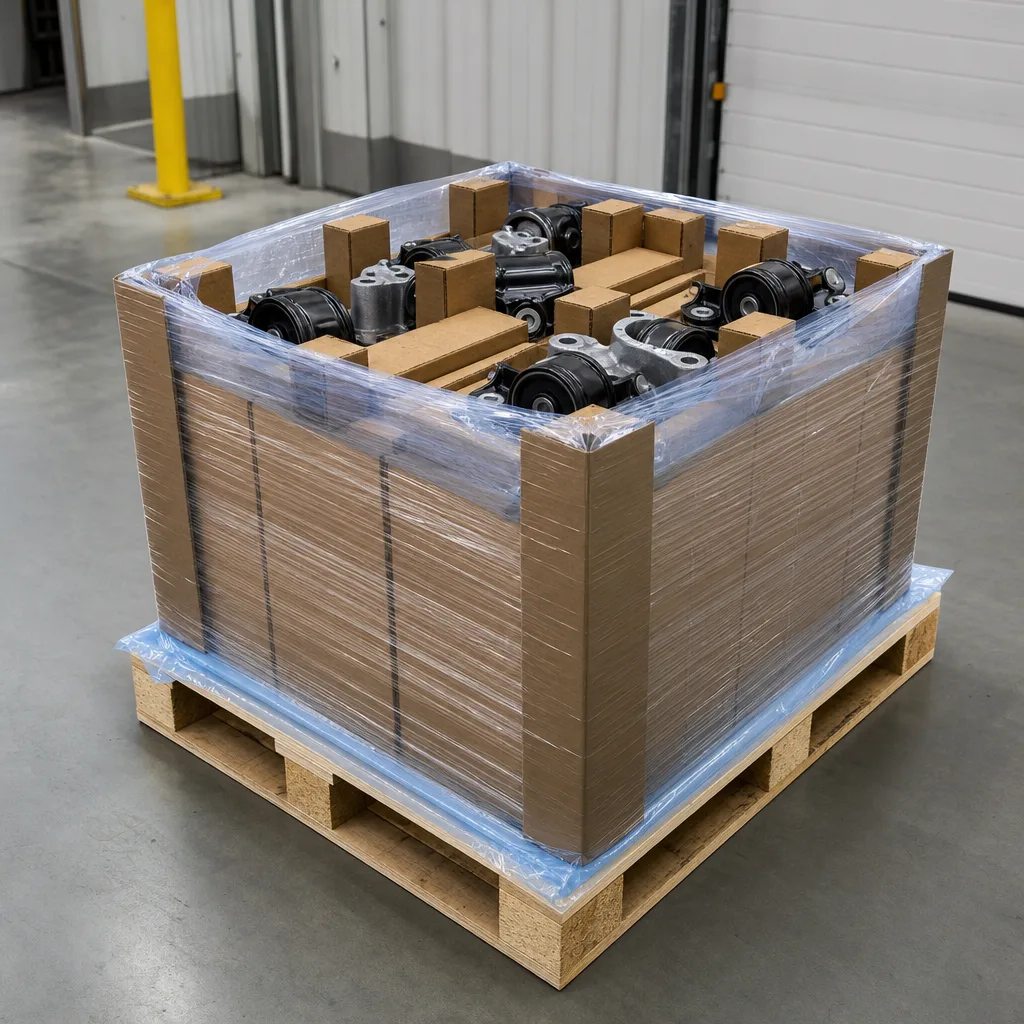
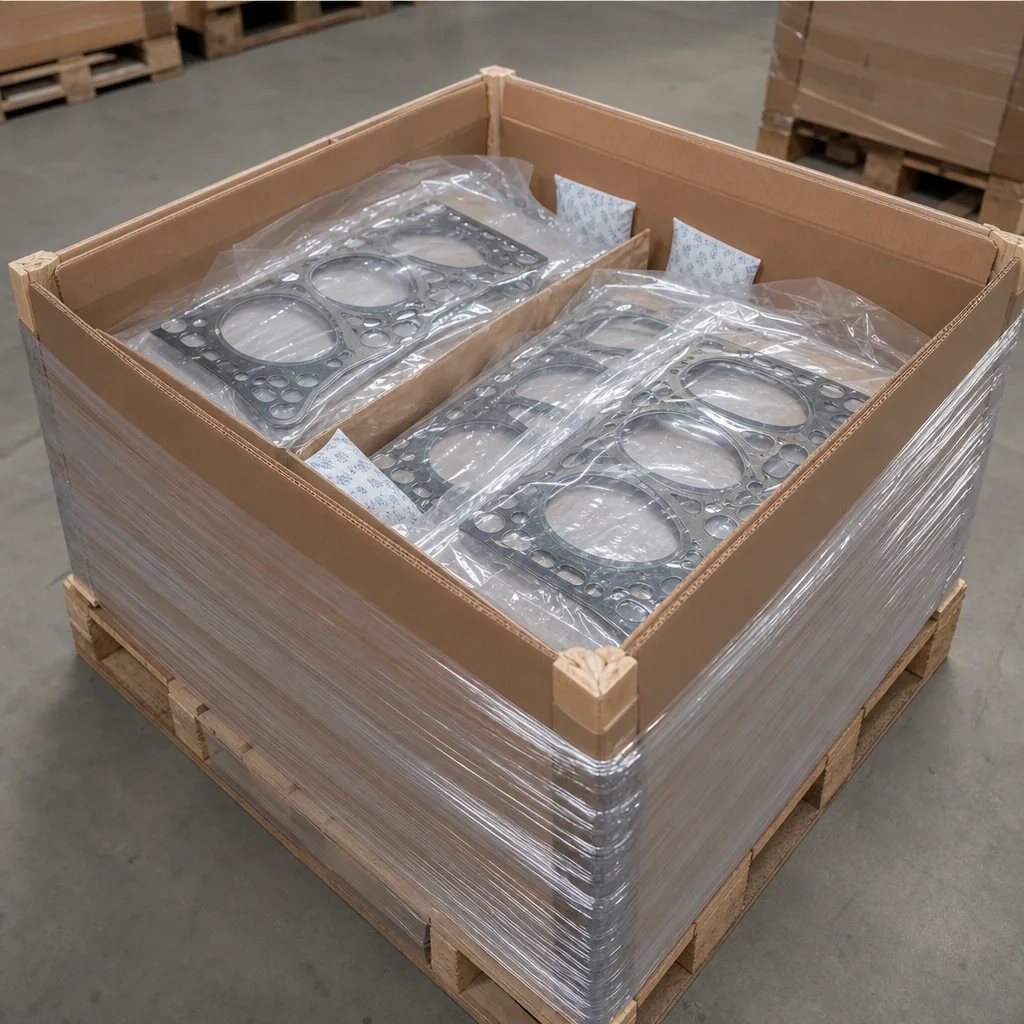
- Packaging and labelling: bulk, tray, or barcode traceability
If you are comparing suppliers, start with the technical data rather than the sales claim. The quality system and the finished inspection record matter more than a generic fitment statement. Buyers who source for distributors or remanufacturers often need a supplier that can hold the same part number across multiple production runs without shifting the bore finish or flange height.
Materials and dimensional control
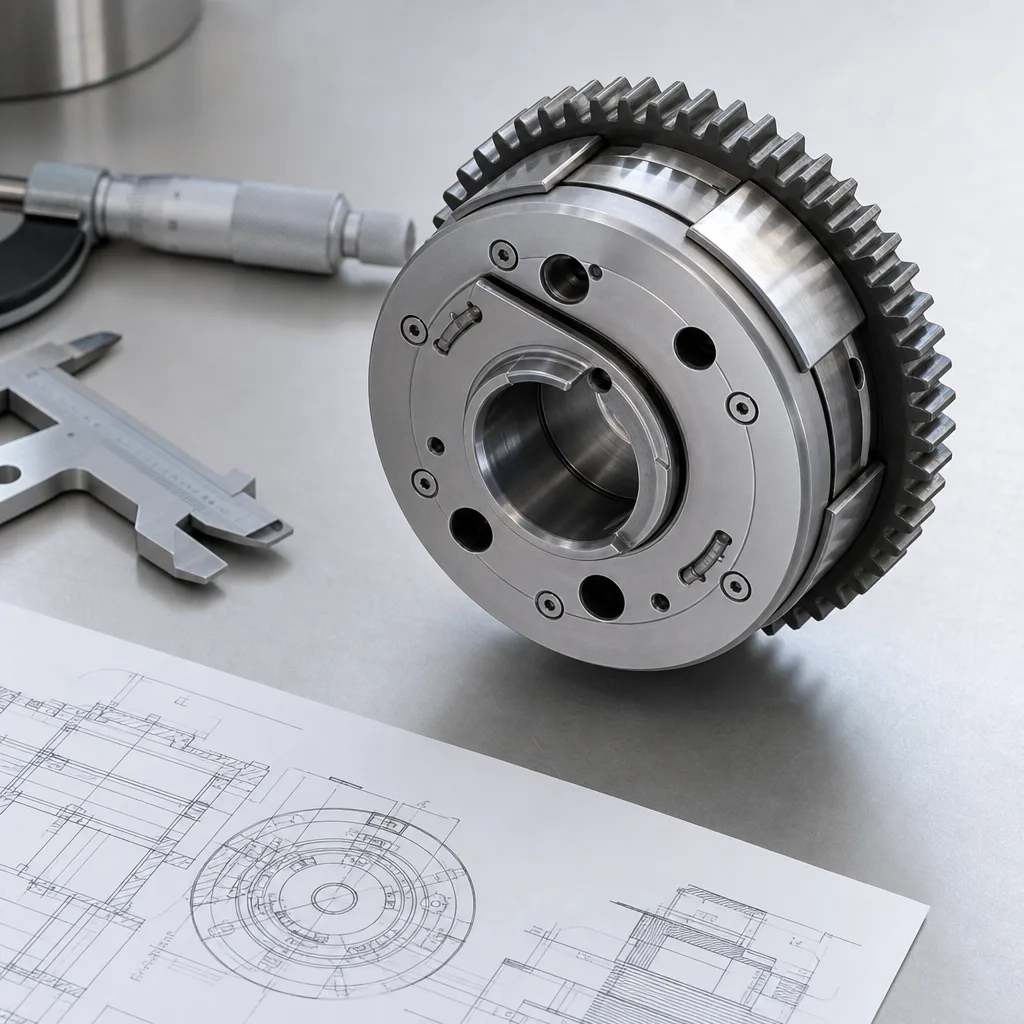
Cylinder liners fail in service when the material, finish, or heat treatment drifts away from the engine requirement. In practice, buyers should ask for the exact cast specification, the machining sequence, and the final inspection points. For most passenger-car applications, the important controls are outside diameter, inside diameter, roundness, concentricity, flange thickness, overall length, and surface roughness after honing.
Typical production checkpoints
- Outside diameter tolerance: often held to about ±0.01 mm on finished parts
- Bore roundness and cylindricity: commonly controlled at 0.01 mm or tighter, depending on the drawing
- Surface roughness: a honed bore may target Ra 0.2-0.4 μm for ring seating and oil retention
- Wall thickness: checked against the thermal and press-fit requirement for the parent block
- Hardness and microstructure: verified against the approved material route
A supplier should also be able to explain how casting shrinkage, machining allowance, and final honing are managed. That is especially important when the same liner family is supplied to more than one region, because tooling wear can shift the final diameter if process control is weak. If the application needs a non-standard coating, anti-corrosion treatment, or special interference fit, custom manufacturing is the correct route.
Verification before you place the PO
A clean purchase order starts with a clear technical handover. The buyer should confirm the engine family, the liner style, and the measured dimensions that govern assembly. If your team cross-checks catalogue references such as OE 06A107065-style numbers, use them only as a fitment reference; the drawing and the measured part are the controlling documents.
| Item | Buyer check | Why it matters |
|---|---|---|
| Outer diameter | Measured to the drawing, not estimated from the block | Controls press fit and heat transfer |
| Inner diameter after honing | Confirmed with gauge or bore meter | Affects piston clearance and ring seal |
| Flange height and thickness | Matched to deck position | Prevents misalignment during assembly |
| Material certificate | Heat number and composition traceable | Supports incoming inspection and audits |
| Surface finish | Ra, plateau condition, and cross-hatch angle | Influences oil film and break-in behaviour |
| Packaging | Rust protection and transit protection | Reduces damage in export shipping |