Cylinder Liner Opel Wholesale: Sourcing Guide
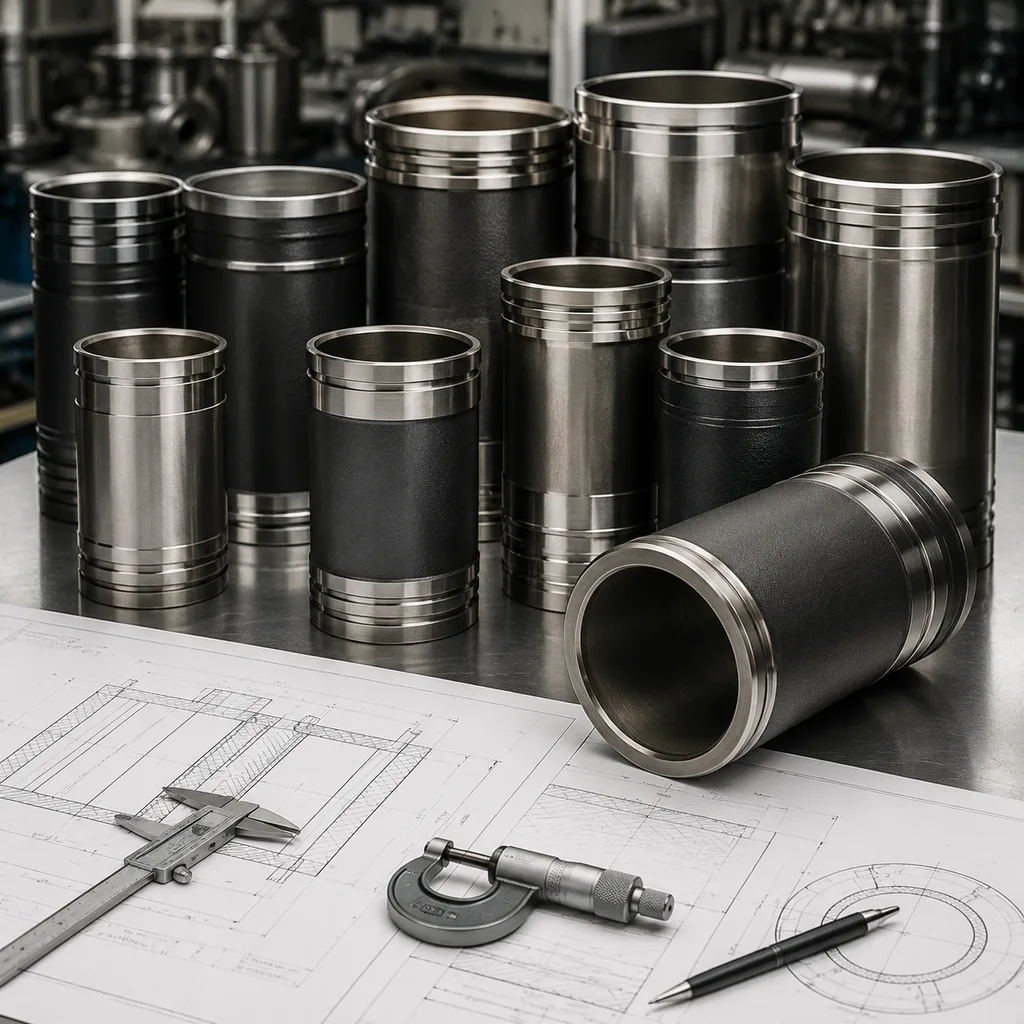
For procurement teams buying cylinder liners for Opel applications, the main risks are dimensional mismatch, unstable metallurgy, inconsistent supply, and hidden cost escalation at receiving inspection. Wholesale sourcing is not only about unit price; it is about bore finish, skirt geometry, packaging, traceability, and the supplier’s ability to hold the same specification across repeat orders. Driventus supplies engine components from Taizhou, Zhejiang, with IATF 16949:2016 and ISO 9001:2015 systems in place. Driventus is an independent aftermarket manufacturer; brand names are referenced for fitment only. For buyers comparing suppliers, the useful questions are specific: Can the liner hold the correct interference fit within the specified tolerance band? Is the hardness stable from batch to batch? What inspection data is available? What is the MOQ, sample charge, and repeat-order lead time? This article covers the commercial and technical points that matter before placing a bulk order.
Decision checklist before RFQ
For a cylinder liner Opel wholesale order, start with fitment data and supply controls rather than price alone. The best purchase order is the one that avoids returns, rework, and downtime.
- Application mapping: confirm engine code, bore size, liner length, flange form, and wet or dry design.
- Material control: ask for grey iron or alloy iron grade, heat treatment condition, and hardness range.
- Machining control: verify outer diameter tolerance, inner diameter pre-finish, roundness, and surface roughness.
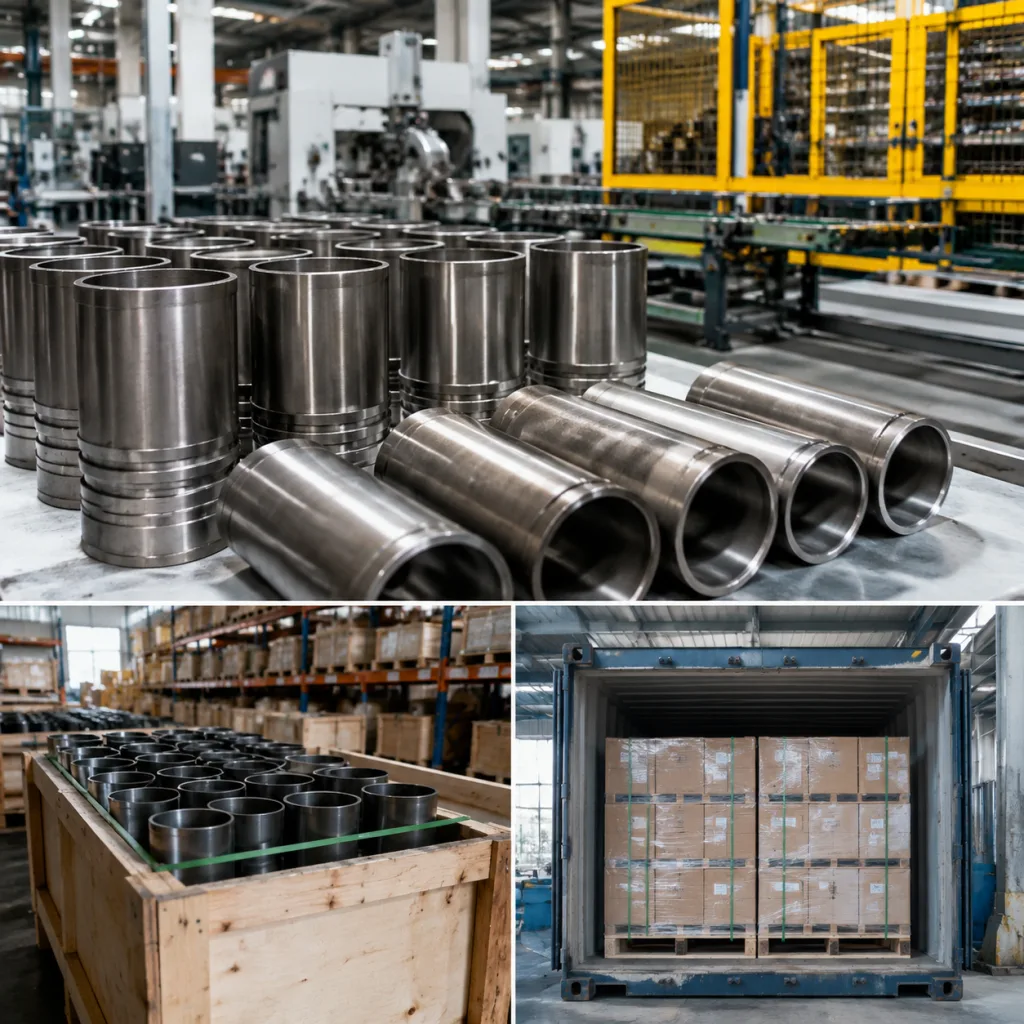
- Traceability: require batch marking, inspection reports, and carton-level identification.
- Document set: request PPAP-style records where applicable, dimensional reports, and packaging photos.
- Commercial control: confirm MOQ, sample cost, mass-production unit price tiers, and whether tooling amortization is separate.
A practical buyer rule is to ask for the drawing tolerance, not just the nominal size. For example, if the liner OD is specified at 90.00 mm, the supplier should state the exact tolerance, such as ±0.02 mm or a unilateral fit band, plus the measured roundness and cylindricity limits. That same logic should apply to liner length, flange thickness, and skirt concentricity. If your sourcing team manages multiple channels, align the liner with the same cross-reference logic used across your aftermarket range. You can review adjacent engine parts in our catalog and the broader engine components section.
Spec map for Opel applications
Wholesale buyers usually need a repeatable part that works across distributor stock, repair-chain demand, and regional replenishment. Opel cylinder liner demand often centres on engines where re-boring is no longer the preferred route, or where a replacement liner must restore the original bore geometry.
Typical specification checks
| Item | What to confirm | Why it matters |
|---|---|---|
| Bore diameter | Match to piston and ring set; confirm final bore tolerance after honing, commonly within 0.01-0.03 mm of target depending on application | Controls oil consumption and sealing |
| Outer diameter | Interference fit window; ask for the exact press-fit allowance and measurement method | Prevents sleeve movement or cracking |
| Length and flange | Cylinder deck location, flange height, and protrusion tolerance | Affects gasket load and combustion sealing |
| Wall thickness | Minimum section integrity and minimum-to-maximum variation | Influences heat transfer and distortion |
| Surface finish | Plateau or finish specification, usually stated as Ra or Rz | Supports break-in and ring seating |
| Hardness | Material consistency, often reported in HB or HRC range | Affects wear resistance |
| Concentricity and roundness | Runout, cylindricity, and bore alignment | Reduces piston scuffing and uneven wear |