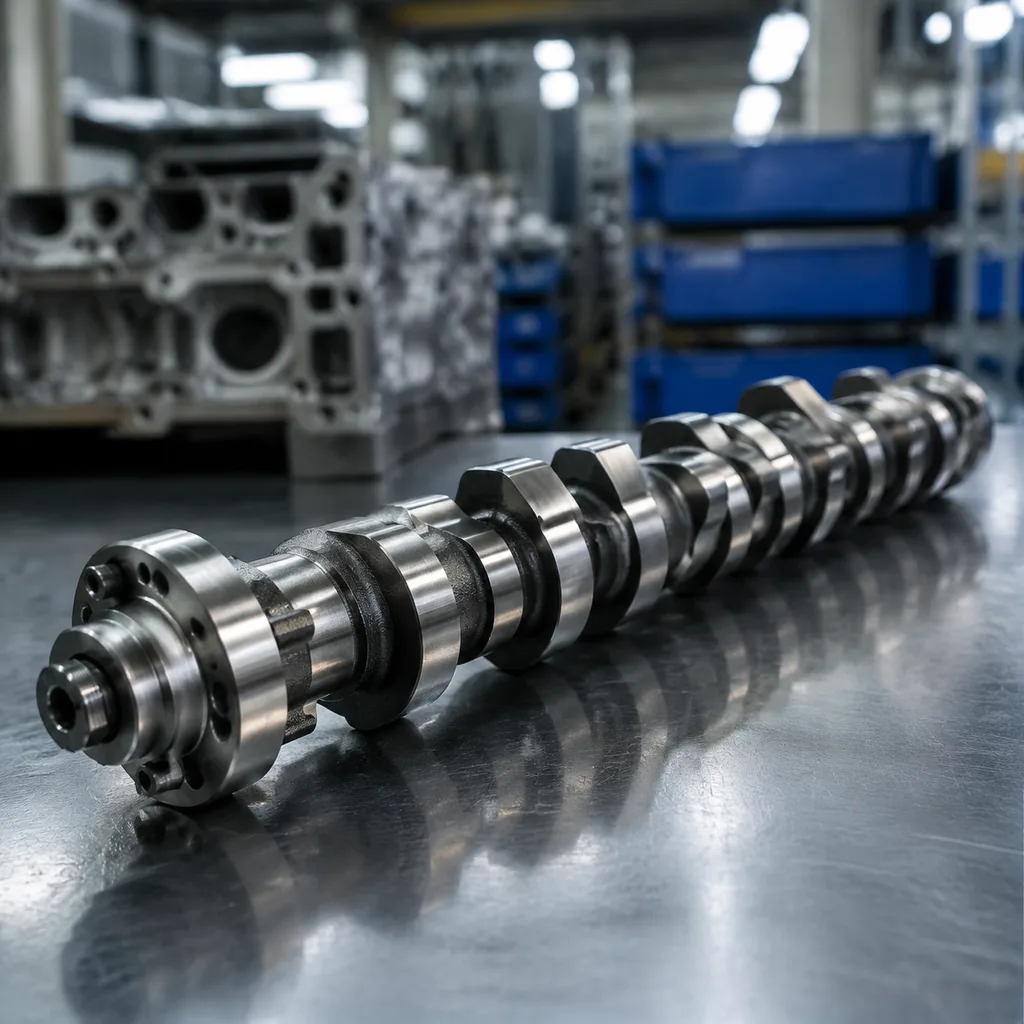
Buying cylinder liners for Nissan engine programs is a sourcing decision, not a routine parts purchase. Procurement teams need dimensional stability, repeatable metallurgy, traceable batches, and export packaging that holds up in transit. For cylinder liner Nissan wholesale supply, the critical checks are whether the liner matches the bore design, whether wall thickness and interference fit are controlled, and whether the supplier can keep quality consistent across repeat orders. Driventus is an independent aftermarket manufacturer; brand names are referenced for fitment only. We supply engine and powertrain components from Taizhou, Zhejiang, and export to more than 60 countries. Our production system is certified to IATF 16949:2016 and ISO 9001:2015. This article explains what procurement teams should verify before placing a cylinder liner Nissan wholesale order, how to compare supplier offers, and which technical documents belong in the approval file.
What to confirm before you quote
Commercial fields to request
Field
What to confirm
MOQ
Per part number, per material grade, and whether it applies to stocked or custom dimensions
Lead time
Sample: 7-15 days; pilot: 15-25 days; mass production: 25-45 days, depending on machining and heat-treatment load
Traceability
Heat lot, batch code, production date, and carton marking that matches shipping docs
Incoterms
EXW, FOB Ningbo/Shanghai, or CIF as required
Packing
Unit bag, inner box, master carton, pallet spec, and moisture protection for sea freight
Documents
CoC, inspection report, material data, and export packing list
</tr></thead><tbody> </tbody></table>For cylinder liner Nissan wholesale sourcing, these fields do more than fill out a quote. They show whether the supplier can support repeat purchasing with stable terms, controlled batches, and shipment-ready packing. Buyers should also confirm whether the quotation is tied to a specific engine family or only to a visual match, because that difference often determines whether the part will pass approval without rework. A usable quotation should also state the unit price by quantity tier, the MOQ per SKU, and whether tooling or first-article charges are included or billed separately.
Fitment errors that turn into returns
Validation package
A practical approval file usually includes:
1. Dimension drawing with tolerances and the exact nominal bore size 2. Sample inspection report with key dimensions measured to at least 0.01 mm resolution 3. Material specification, hardness range, and surface finish target 4. Photo record of marking, packaging, and part orientation 5. Fitment notes for the relevant engine family and installation method
Fitment control matters because small deviations in bore diameter, roundness, liner protrusion, or flange height can affect sealing and service life. For wholesale buyers, the most reliable offers are the ones that include measurable data, not just a reference photo. Typical approval tolerances buyers should ask to see are bore diameter within ±0.01-0.03 mm of drawing, roundness within 0.01-0.02 mm, and wall thickness held within ±0.05 mm unless the engine drawing calls for tighter control. If the supplier can provide first-article results, CMM or bore-gauge data, and clear tolerance notes, it becomes much easier to compare replacement parts across production lots and avoid inconsistent claims later in the program.
Spec sheet details that matter
Topic
Buyer expectation
Quality system
Documented process control, control plan, and batch records
Material traceability
Heat number, incoming inspection, and retained samples
Compliance
REACH-ready declarations where required and country-specific declarations on request
Audit support
Factory review, process flow, and calibration records
Export control
Stable pack-out, drop-testable cartons, and shipping documentation
</tr></thead><tbody> </tbody></table>Cylinder liners are exposed to repeated thermal cycling, combustion load, and friction, so buyers should ask how the supplier controls metallurgy, machining, and surface finish from lot to lot. A strong wholesale supplier will be able to show process records, traceability data, and inspection evidence that connect the finished part back to the raw material source. Buyers should also ask for the hardness range, often specified in the approximate 220-280 HB range for many cast-iron liner applications, along with a roughness target if the bore is finished after honing. That documentation is especially useful when the buying program spans multiple markets, since compliance, labeling, corrosion protection, and packaging requirements often differ by destination.
How to separate strong offers from weak ones
Comparison table
Supplier factor
Strong offer
Weak offer
Engineering data
Drawing, tolerance, and material data
Photo-only quotation
Commercial terms
Clear MOQ, tiered pricing, and lead time by quantity
Vague delivery promise
Quality evidence
Inspection report, traceability, and retained sample policy
No batch reference
Export readiness
Documented packing, carton spec, and pallet count
Loose bulk packing
</tr></thead><tbody> </tbody></table>When teams compare cylinder liner Nissan wholesale offers, price alone rarely shows the true cost. A lower unit price can become expensive if the supplier cannot support engineering data, if samples need repeated rework, or if export packing causes damage in transit. The better comparison is total sourcing confidence: part definition, delivery reliability, quality proof, and how easily the offer can scale from sample order to repeat production. As a practical benchmark, buyers should expect quotation logic that changes by volume tier, such as sample pricing, 100-300 piece pilot pricing, and lower landed cost at 500-1,000+ pieces when packing and carton optimization are aligned.
When a factory audit changes the decision
For sourcing teams, this audit step is often the deciding factor between a transactional vendor and a long-term production partner.
A factory audit helps buyers confirm that the process on paper matches the process on the shop floor. It also shows whether the supplier has the machining capacity, inspection discipline, and batch control needed for recurring wholesale supply. In practice, this is where teams separate vendors that can quote a part from manufacturers that can support a production program over time. During the visit, buyers should verify CNC and honing capacity, in-process gauging frequency, calibration status, heat-treatment control, and whether the warehouse can hold FIFO stock by batch. If the program is serious, the audit should also confirm daily output, overtime flexibility, and the supplier’s ability to keep a stable lead time when demand spikes.
What to send in the rfq
If you need a quotation with dimensional confirmation, share the engine code, annual volume, target market, and required packaging format.
You will get faster and more accurate feedback when the RFQ includes the OEM reference, the required liner quantity, any special marking request, and whether the order is for sample validation or bulk shipment. That information lets the supplier confirm fitment, plan the correct packing method, and advise whether custom dimensions or branding are needed for the program. To speed approval, include the tolerance stack you need, the target hardness or material grade if known, the desired MOQ, and your delivery window so the supplier can quote realistically instead of giving a generic catalog answer.
Frequently asked questions
Yes. Driventus supplies B2B customers such as distributors, OEM/Tier-1 channels, and repair networks. We do not sell as a consumer retailer.
Yes. Our custom manufacturing service covers non-standard dimensions, marking, and export packing where the drawing and volume justify it.
Ask for a drawing, inspection report, material data, batch traceability, packing spec, MOQ, price breaks, lead time, and any compliance declaration needed for your market.
If you are comparing suppliers or preparing an RFQ, send your engine code, target quantity, and packaging needs to /contact.html and we will review the fitment details.