Cylinder Liner Kia OEM Supplier: B2B Sourcing Guide
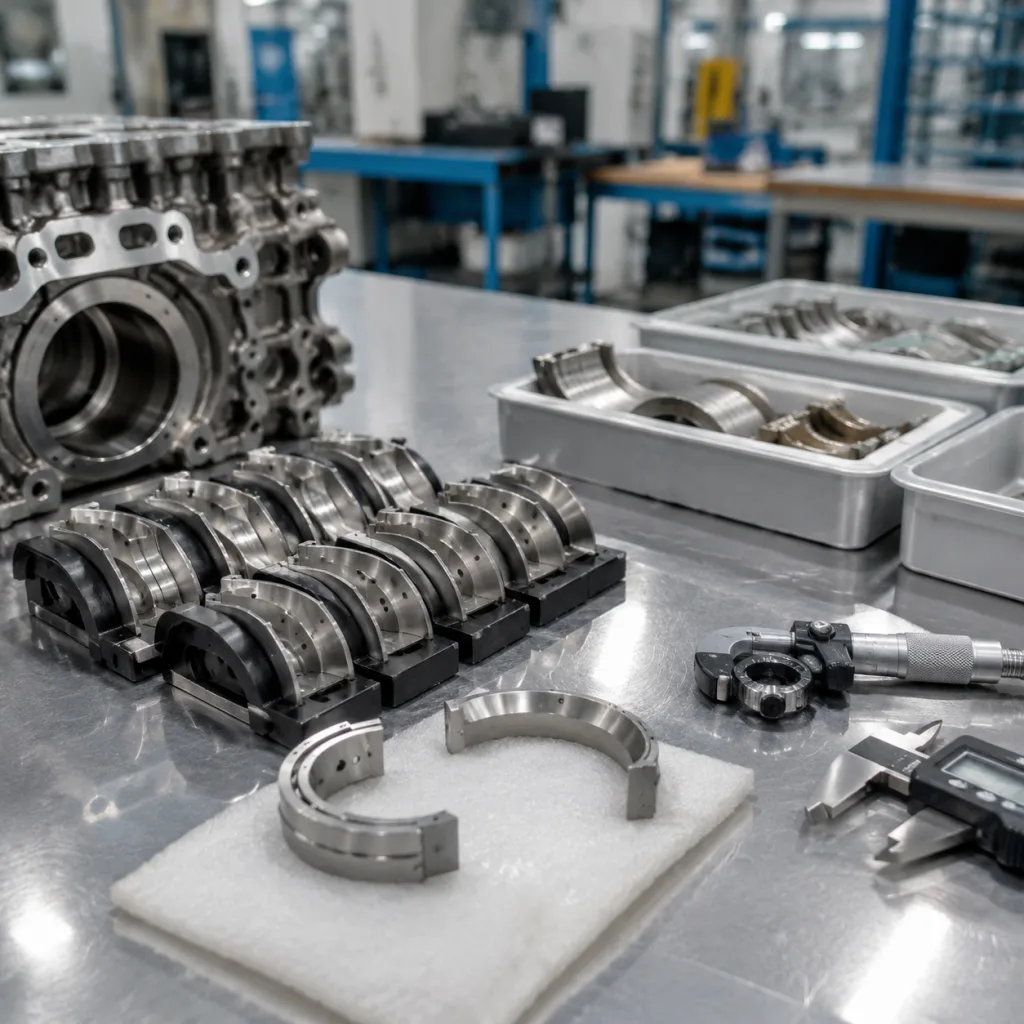
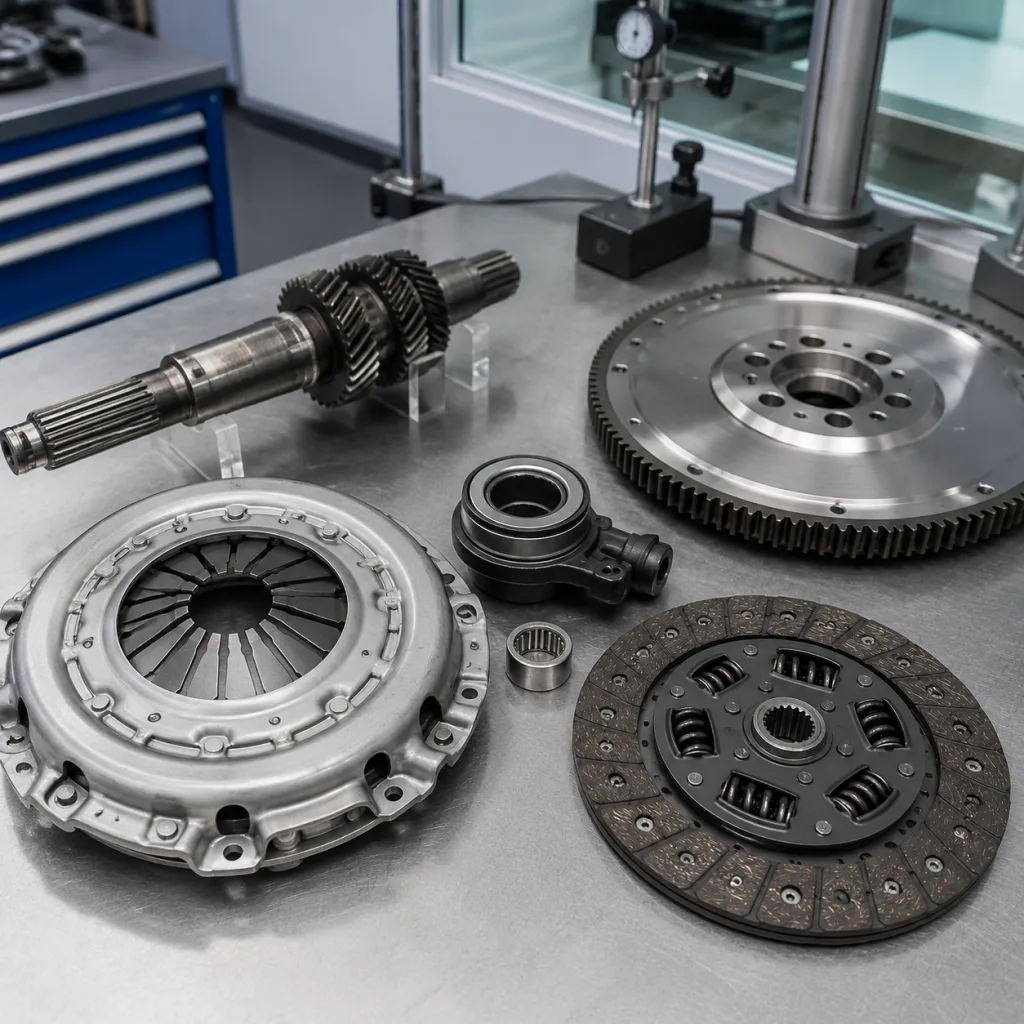
Procurement teams evaluating a cylinder liner Kia OEM supplier need more than a competitive unit price. The right source must deliver repeatable bore geometry, controlled metallurgy, traceable production lots, and technical support before a part moves into volume release. For engine rebuild, replacement, and OE-linked aftermarket programmes, each liner has to match the approved specification for bore size, flange geometry, wall thickness, surface finish, and installation method across the full production window.
Driventus supplies cylinder liners from a vertically integrated plant in Taizhou, Zhejiang, with export experience in 60+ countries and a quality system aligned with IATF 16949:2016 and ISO 9001:2015. We support catalog sourcing, sample review, packing planning, and engineering discussion before purchase order confirmation. Driventus is an independent aftermarket manufacturer; Kia and other brand names are referenced for fitment identification only.
What procurement teams should verify first
For cylinder liners used in Kia engine applications, the first review should confirm fitment by engine code, bore class, and liner design. A buyer should know whether the requirement is for a dry liner, wet liner, or repair oversize liner, and whether the part is supplied rough-machined, semi-finished, or finish-honed. These details affect installation, piston-to-wall clearance, ring seating, and the inspection process at the buyer’s facility.
Minimum data to request
Engine code and vehicle application
OE-style or aftermarket cross-reference, only where already used by the buyer’s system
Bore diameter, flange OD, overall length, and wall thickness
Liner type: dry, wet, flanged, straight, or repair oversize
Material grade, hardness range, and heat-treatment route where applicable
Surface finish, roundness, and cylindricity targets
Packing method, corrosion protection, and lot traceability format
If a supplier cannot confirm these points, the part should not proceed to sample approval. For buyers managing multiple warehouses, rebuild workshops, or regional distributors, missing technical data often leads to avoidable returns, inconsistent installation results, and unnecessary claims handling.
Technical specification points for liner sourcing
Cylinder liners are specified by controlled dimensions, material performance, and finished surface condition rather than by appearance. Before confirming a purchase order, buyers should request a drawing, controlled specification sheet, or approved sample comparison report. This is especially important when sourcing liners for applications where several bore classes, repair sizes, or production revisions may exist.
Item
Typical procurement check
Why it matters
Material
Alloyed cast iron or ductile iron route
Supports wear resistance and thermal stability
Bore size
Controlled to drawing tolerance
Maintains piston clearance and ring seal
Flange geometry
OD, height, seat face, and edge detail
Affects seating, installation depth, and sealing
Wall thickness
Verified against critical sections
Helps prevent distortion during machining or service
Roundness
Measured after machining
Reduces blow-by and uneven ring contact risk
Cylindricity
Checked on production or approval samples
Supports consistent rebuild quality
Surface finish
Honed, semi-finished, or finish-bored as specified
Influences oil retention and ring bedding
Heat treatment
Verified against process specification
Improves hardness and batch consistency
Traceability
Lot code and inspection record
Supports claims, audits, and repeat orders
</tr></thead><tbody> </tbody></table>For export buyers, documentation may also need to reference REACH (EC) No 1907/2006 when material declarations are required by the destination market or customer compliance team. If the application is connected to emission-related validation, ask whether testing follows the customer’s internal durability protocol or a recognized framework such as ECE R-83 where applicable.
Why certified manufacturing matters for B2B supply
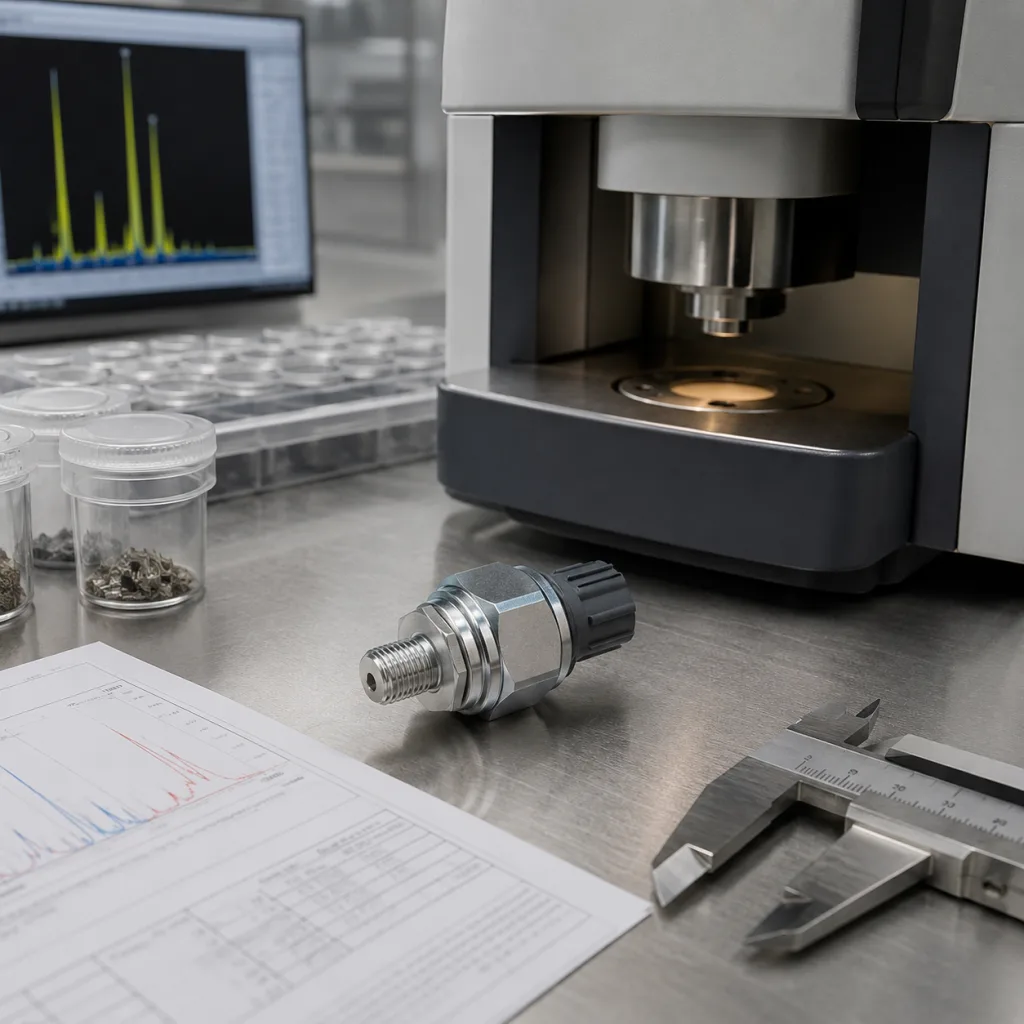
A reliable cylinder liner supplier should be able to support factory audits, incoming inspection, corrective-action requests, and repeat production reviews. Driventus operates under a quality system aligned with IATF 16949:2016 and ISO 9001:2015, giving procurement teams a documented basis for process control, nonconformance handling, inspection discipline, and lot traceability.
This is important when a buyer is qualifying a new source, replacing an unstable supplier, or building a long-term aftermarket programme. The practical questions are straightforward:
Are inspection gauges calibrated and recorded?
Is each batch linked to a production lot and inspection record?
Are dimensional checks performed at defined stages and frequencies?
Are material and hardness checks available when required?
Can the supplier provide PPAP-style support, sample reports, or first-article data on request?
Is there a defined process for corrective action if a claim occurs?
Our quality system is designed to support these review steps. For category buyers and technical sourcing teams, documented control is often the difference between a sample that looks acceptable and a supply programme that can be repeated with confidence.
MOQ, lead time, and commercial planning
Commercial planning should be reviewed alongside the technical drawing. MOQ depends on the engine family, liner design, machining route, order mix, and whether tooling, special gauges, or additional inspection is required. Standard catalog items can usually move faster than custom builds, while special flange dimensions, non-standard bore classes, coatings, or dedicated packing requirements may extend the schedule.
When comparing supplier offers, ask for:
1. MOQ by part number, engine family, or liner type 2. Sample lead time and production lead time 3. Whether the quote covers rough-machined, semi-finished, or finish-honed liners 4. Packing quantity, carton configuration, and pallet plan 5. Rust prevention method for the destination climate and transit time 6. Incoterms, export documentation, and consolidation support 7. Available capacity for repeat orders and seasonal replenishment
A supplier that provides realistic lead times, clear packing details, and stable replenishment terms is easier to manage across distributor networks, repair chains, engine rebuilders, and OEM-linked aftermarket programmes. To review available part families, see our catalog and the engine-component range at /products/engine-components.html.
When custom manufacturing is justified
Custom manufacturing is justified when the buyer needs an uncommon bore size, a modified flange, a special coating, a defined machining allowance, or a liner design that is no longer available through normal channels. It is also useful when a legacy engine programme requires a replacement solution based on an approved sample, worn component, or customer-controlled drawing.
Common custom requests
Oversize or undersize bore classes for repair programmes
Special machining stock for final honing by the buyer
Modified flange height, OD, chamfer, or seating detail
Corrosion-resistant packing for marine, tropical, or long-transit export lanes
Customer-specific marking, label format, and traceability structure
Consolidated kits for engine rebuild channels
Dimensional matching for discontinued or low-volume engine families
Driventus supports custom manufacturing when the drawing, sample, engine data, or technical target is clear. For procurement teams, this reduces the risk of ordering a visually similar liner that fails dimensional inspection, creates installation issues, or performs inconsistently after rebuild.
How to qualify a supplier before volume release
Before issuing a production purchase order, buyers should run a short but disciplined qualification sequence. The goal is to confirm fitment, document the inspection standard, and remove uncertainty before inventory is committed.
Confirm the engine application, engine code, and cross-reference basis
Review the drawing, material route, hardness target, and tolerance data
Request sample reports and photos of critical dimensions
Check bore finish, flange geometry, wall thickness, and marking details
Review packing method, rust protection, carton strength, and pallet layout
Verify audit documents, certifications, and corrective-action response process
Approve the first sample against the buyer’s own gauge set or technical standard
Confirm the commercial terms, lead time, and repeat-order plan before release
A qualified supplier should be prepared to answer technical questions clearly and support the buyer’s approval process without unnecessary delay. If the engagement is ready to move forward, use request a quote to start the sample and commercial review.
Driventus is an independent aftermarket manufacturer; brand names are referenced for fitment only.
Frequently asked questions
Yes. We can review engine code, drawing data, cross-reference information, or an approved sample to confirm fitment before quoting. Final confirmation depends on the technical specification and buyer requirements.
Buyers can request dimensional data, material declarations, lot traceability, inspection records, sample reports, and quality certificates aligned with IATF 16949:2016 and ISO 9001:2015.
Yes. We can review custom machining, special packing, marking, and export requirements when the drawing, sample, or technical specification is clear. Please contact us with the required details.
If you are qualifying a cylinder liner Kia OEM supplier, send your engine code, target quantity, and drawing details for review. Start here: /contact.html