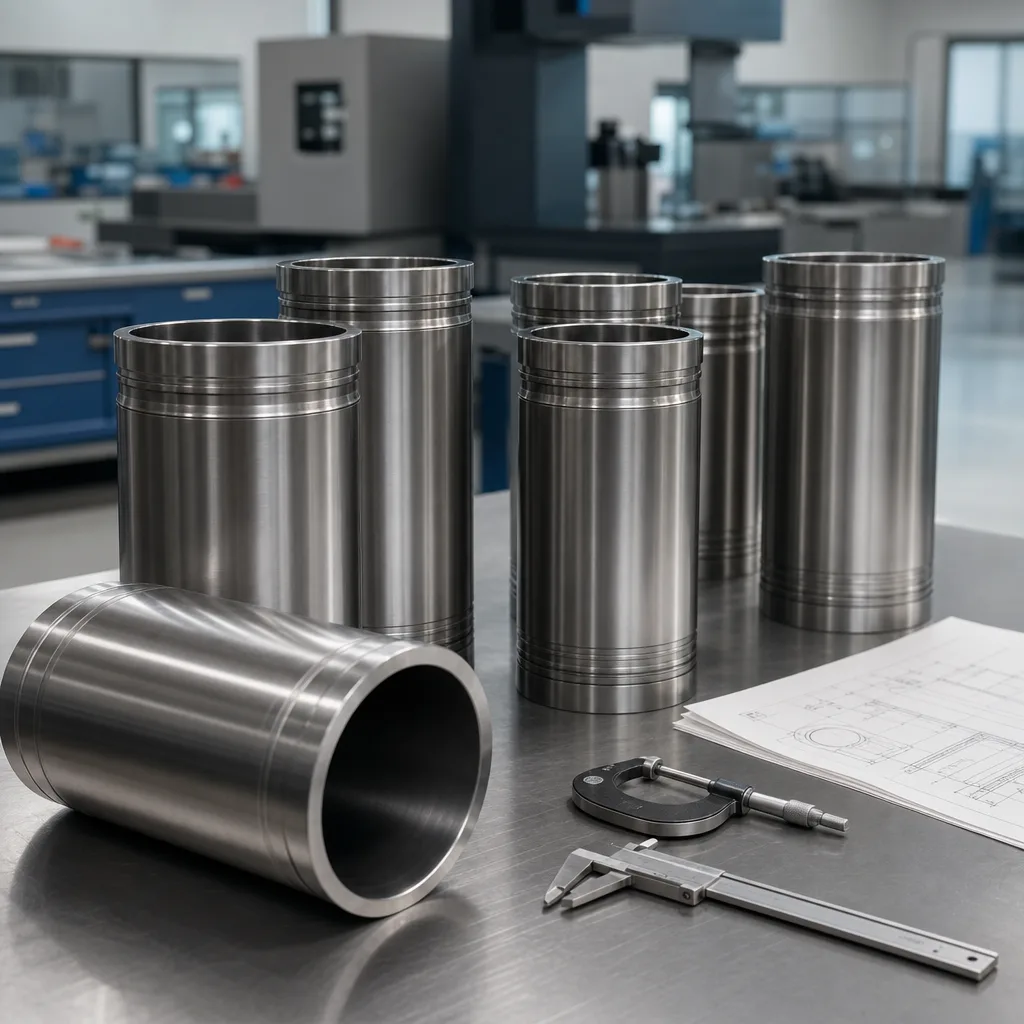
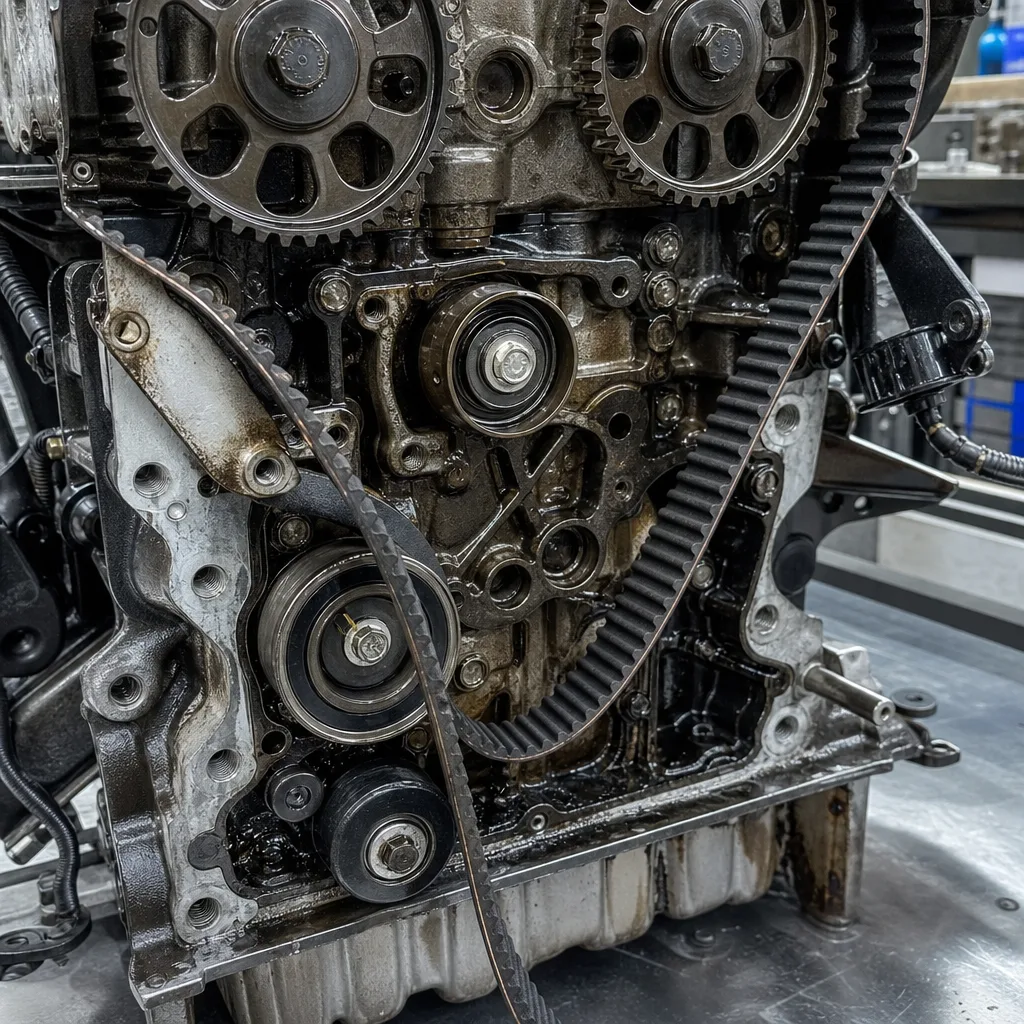
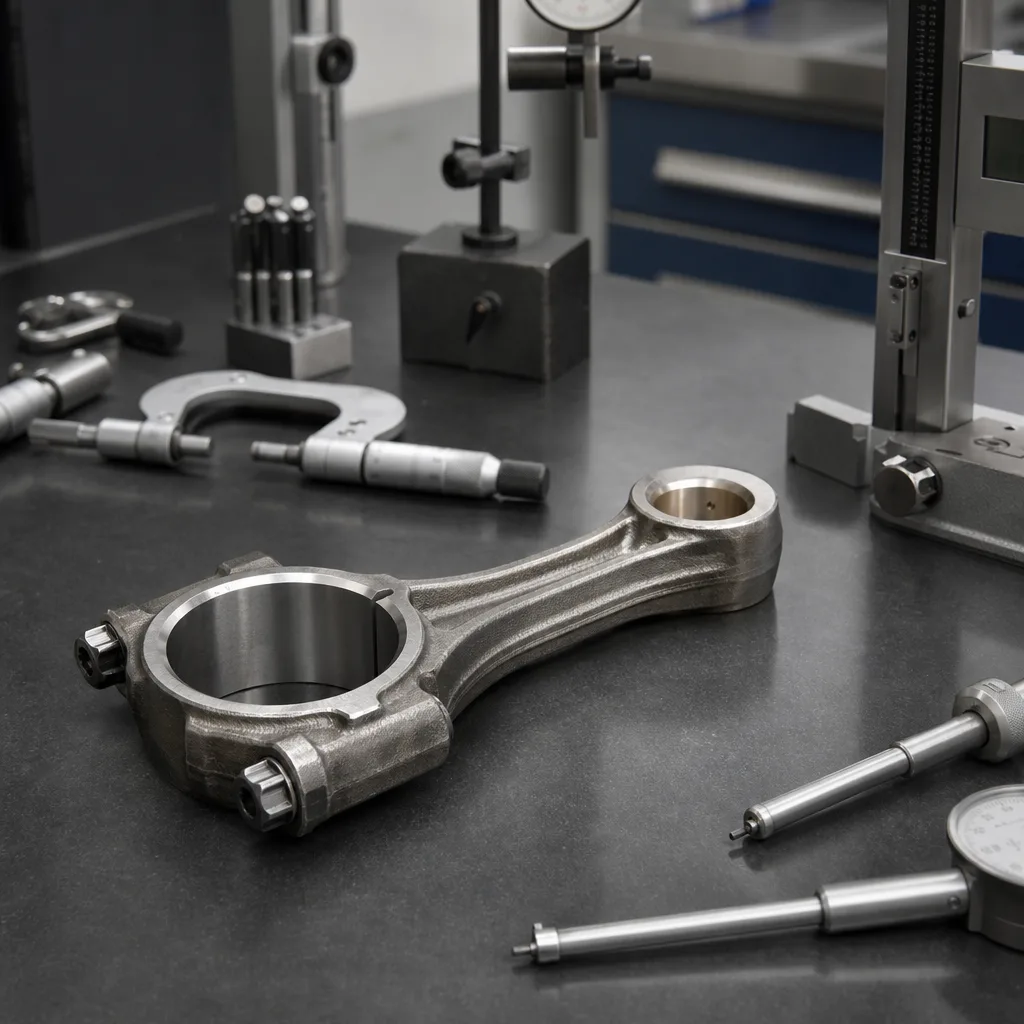
Procurement teams sourcing cylinder liner Audi wholesale parts need more than a price list. The buyer has to confirm bore size, material grade, surface finish, ring-pack compatibility, and the production controls behind each batch. For Audi diesel and petrol applications, liner fitment is sensitive to diameter, roundness, flange height, and thermal stability. A small deviation can affect compression, oil consumption, and service life.
Driventus supplies cylinder liners for aftermarket distribution, rebuilding programmes, and engine component resellers. We manufacture under IATF 16949:2016 and ISO 9001:2015 controls, with export documentation for EU, UK, US, Canada, Australia, and Brazil routes. Driventus is an independent aftermarket manufacturer; brand names are referenced for fitment only. This article explains how wholesale buyers should assess technical match, supplier capability, and commercial terms before placing repeat orders. It also outlines the checks that matter during factory review, incoming inspection, and private-label or custom programmes.
What wholesale buyers should verify first
When sourcing cylinder liner Audi wholesale stock, start with the application data, not the carton label. Confirm engine code, bore diameter, liner type, and whether the engine uses a wet liner, dry liner, or parent-bore repair sleeve. For Audi applications, fitment data can vary by engine family and model year.
Key checks before RFQ:
Engine code and OE reference if available, for example OE 06A107065
Liner type: dry, wet, or semi-finished service liner
Finished bore size and oversize allowance after honing
Outer diameter, flange diameter, and flange height
Material: high-strength grey iron, alloy cast iron, or ductile iron where specified
Surface finish and cross-hatch compatibility with ring package
Pack quantity, carton size, and pallet configuration for warehouse handling
If the seller cannot state dimensional tolerances, request the inspection report before you compare price.
Technical specifications that affect fit and life
Cylinder liner performance is determined by geometry, metallurgy, and surface control. For rebuilders and wholesale distributors, the most important data points are the same ones an engine machine shop will measure during preparation.
Parameter
Typical procurement check
Why it matters
Bore diameter
Match to finished piston clearance
Controls compression and blow-by
Roundness / cylindricity
Verify against drawing or sample
Affects ring seal and oil control
Flange height
Confirm before deck finishing
Prevents deck protrusion issues
Wall thickness
Check for rigidity and heat transfer
Supports durability under load
Hardness
Confirm by batch report
Influences wear resistance
Honing allowance
Confirm final machining range
Reduces rejection at rebuild stage
</tr></thead><tbody> </tbody></table>For exported stock, ask whether the supplier can provide dimensional inspection, hardness testing, and traceable batch identification. Published quality frameworks such as IATF 16949:2016 and ISO 9001:2015 do not replace part validation, but they do reduce variation in repeat supply.
Wholesale pricing, MOQ, and lead time
Wholesale cylinder liners are usually priced by application complexity, machining level, and order volume. A semi-finished liner for remanufacturing may cost less than a fully machined liner with tighter geometry controls. Buyers should separate unit price from the total landed cost, including packaging, inland freight, export documents, and possible inspection fees.
Typical commercial variables:
MOQ: often lower for catalogue items than for private-label programmes
Lead time: shorter for standard SKUs, longer for custom dimensions or coating requests
Batch size: affects consistency and logistics cost
Incoterms: EXW, FOB, CIF, or DDP depending on the importer’s setup
Payment terms: usually tied to account history and annual volume
For buyers running multi-branch supply, stable replenishment is often more valuable than a one-time low quote. A supplier that can support scheduled releases and back-to-back production planning is easier to manage than a spot trader with variable stock.
How Driventus supports sourcing programmes
Driventus is set up for B2B engine component supply rather than retail distribution. That matters because procurement teams need consistent drawings, repeatable machining, and clear escalation paths when fitment data changes.
Our catalog is available at our catalog, with related engine parts listed in engine components. For buyers who need item-specific matching, we can review OE references, sample parts, or technical drawings before quotation.
We also support:
Private-label packing and barcode requirements
Batch traceability for inventory control
Mixed-container export planning for distributors
Dimensional sampling records for incoming QA teams
Program setup for recurring annual demand
If your project needs a non-standard liner profile, the custom manufacturing page explains how we handle drawing review, sample approval, and repeat production control.
Quality checks before you approve a supplier
A wholesale supply relationship should include both product verification and supplier verification. Request a factory audit summary, sample inspection records, and evidence of controlled incoming material, machining, and final packing.
Use this checklist:
1. Confirm the supplier works to IATF 16949:2016 and ISO 9001:2015. 2. Ask for material certificates and dimensional reports from recent batches. 3. Review how the supplier controls surface finish, liner hardness, and bore consistency. 4. Check whether the exporter can support REACH (EC) No 1907/2006 declarations where applicable. 5. Verify packaging protection against corrosion and transit damage. 6. Compare sample parts against the drawing or confirmed OE cross-reference.
For remanufacturers, validation should also include installation fit, thermal cycling, and a post-machine inspection. If the liner is intended for service use in a high-output diesel build, it is reasonable to request additional run-in documentation or customer trial data before scaling the order.
When custom work is worth the extra step
Not every buyer needs custom manufacturing, but some programmes justify it. This includes private-label distributors, regional importers consolidating multiple engine codes, and machine shops that want a tailored oversize or flange arrangement.
Custom work is usually justified when:
The required OE reference is discontinued
The application needs a non-standard finish size
The buyer wants packaging and labelling aligned with warehouse software
A fleet programme needs controlled interchange across several engine variants
For these cases, the technical file should include the target OE reference, sample dimensions, tolerance stack-up, and the final inspection criteria. Driventus can work from sample parts or drawings, then confirm production feasibility before release. As with all aftermarket supply, brand names are referenced for fitment only; no vehicle manufacturer endorsement is implied.
Frequently asked questions
Yes. We support wholesale and programme supply for Audi-fitment cylinder liners, subject to application confirmation, sample approval, and minimum order quantity. Brand names are referenced for fitment only.
Typical documents include invoice, packing list, certificate of origin when requested, and batch-level inspection records. REACH declarations and other compliance documents can be discussed by project.
Yes. Through our OEM and custom manufacturing service, we can review drawings, samples, and target tolerances before quotation and trial production.
If you need a quoted supply plan, sample review, or catalogue match for your next programme, contact Driventus here: /contact.html