Cylinder Head vs Glyco Alternative: Sourcing Comparison
Procurement teams may search for a cylinder head vs glyco alternative when they need an OE-matched replacement, a dependable aftermarket source, or a supplier able to support repeat purchasing across several engine families. In practice, the decision is not about the name on a cross-reference. It is about whether the component matches the required casting geometry, valve train layout, coolant passages, machining tolerances, sealing surfaces, and test criteria for the intended application. Driventus is an independent aftermarket manufacturer; brand names are referenced for fitment identification only. For buyers in the EU, UK, US, Canada, Australia, Brazil, and other export markets, approval usually depends on dimensional consistency, traceability, material control, surface finish, pressure testing, and supplier quality systems. This comparison outlines the checks procurement teams should make before sample approval or volume ordering, and where catalog accuracy, OEM-style customisation, and compliance documentation affect sourcing risk.
What buyers mean by a cylinder head vs glyco alternative
In sourcing language, the phrase usually describes a comparison between a direct cylinder head replacement and an aftermarket sourcing route that uses Glyco-related application data, interchange references, or catalog cross-reference workflows. Buyers are not simply comparing two labels. They are comparing the confidence level behind the fitment data, the machining quality of the supplied head, and the supplier’s ability to deliver the same specification repeatedly.
A cylinder head under procurement review should be checked against practical engineering and receiving criteria, including:
Alloy or cast-iron base material
Combustion chamber geometry and volume consistency
Valve seat and guide specifications
Camshaft, rocker, tappet, or follower interface dimensions
Coolant and oil gallery alignment
Deck flatness and gasket-face surface finish
Pressure test and crack inspection records
Packaging method and traceability labels
For cross-reference work, the correct OE number, engine code, model year range, and application data matter more than the referenced brand. If a listing includes references similar to OE 06A107065-style numbers, confirm whether the supplier is offering a bare casting, a machined bare head, or a complete assembled head with valves and related components. Mixed supply formats are a common cause of receiving disputes, stock errors, and workshop delays.
Side-by-side comparison for procurement teams
Item
Cylinder head replacement
Glyco alternative sourcing path
Primary buying goal
OE-equivalent fit and function
Application cross-reference and supply substitution
Main advantage
Lower installation uncertainty when the specification is correct
Wider sourcing flexibility across multiple applications
Dimensional drawing, material certificate, test report
Cross-reference sheet, packaging specification, test report
Best use case
Direct replacement for service, repair, and remanufacturing
Multi-SKU sourcing and catalog rationalisation
Procurement outcome
Reduced installation risk
Better availability if fitment data is tightly controlled
</tr></thead><tbody> </tbody></table>For buyers, the main trade-off is straightforward. A direct cylinder head replacement is usually preferred when the goal is predictable installation and minimal workshop risk. A broader glyco alternative sourcing path can improve availability and support SKU consolidation, but only if the supplier can prove the application match through data, samples, and inspection records. The alternative route should never rely on a similar listing alone.
Technical checks that decide whether the part is acceptable
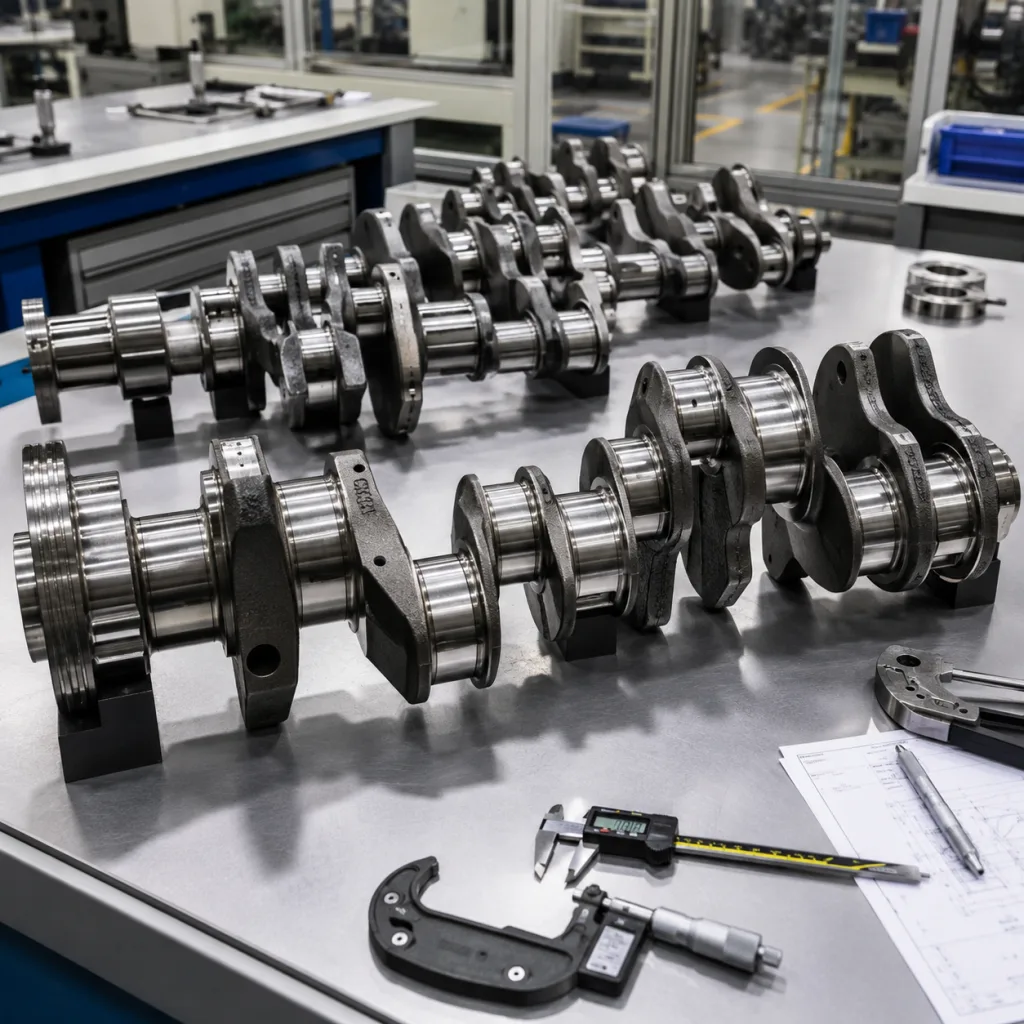
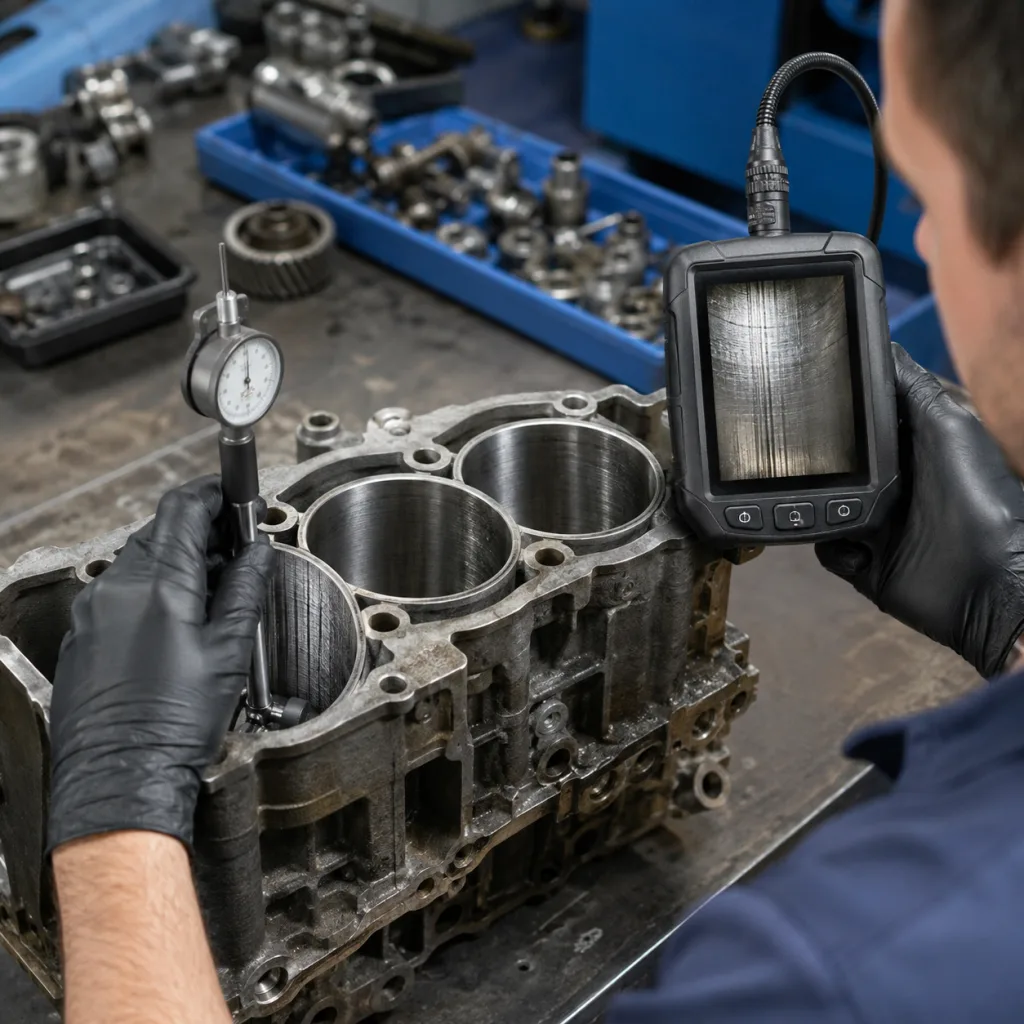
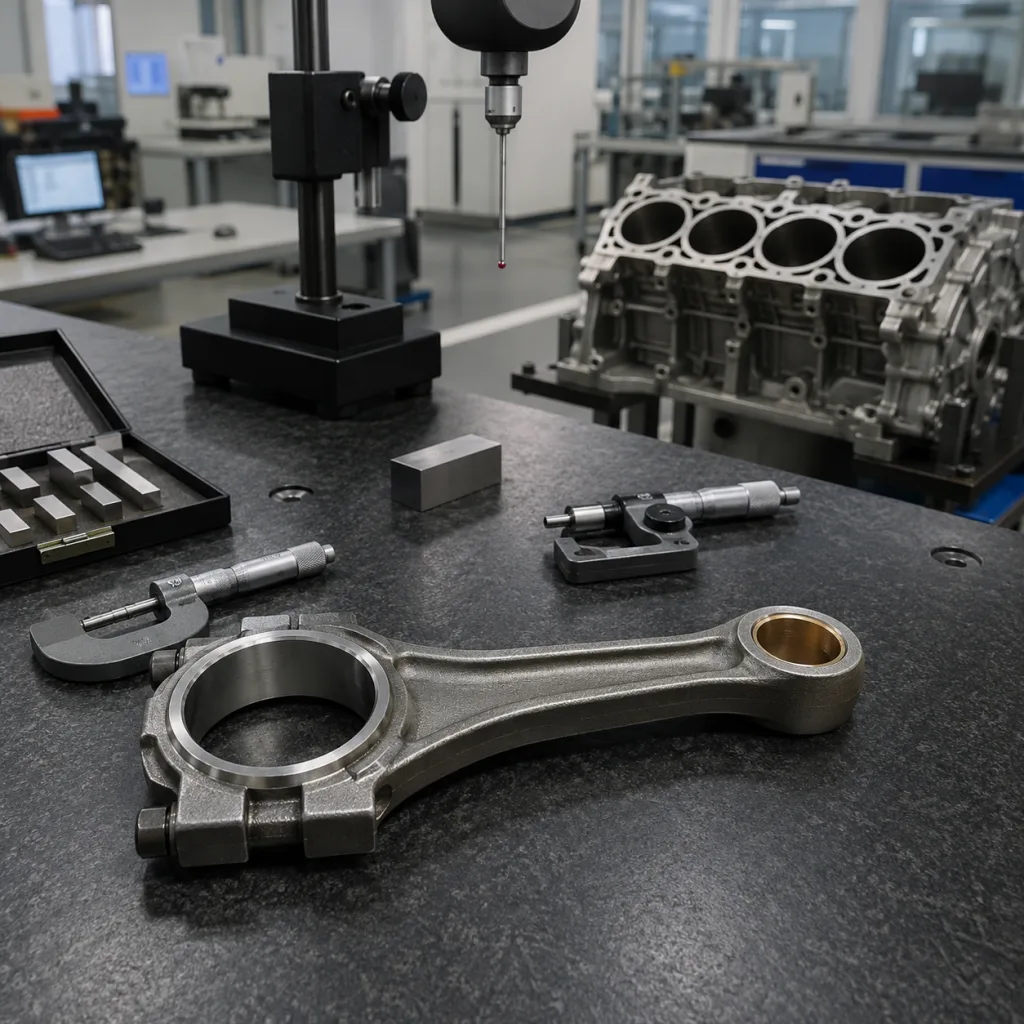
A cylinder head can look correct at first inspection and still fail in service if the machining window is loose, the gasket surface is inconsistent, or the pressure-test process is weak. Before approving a sample or releasing a purchase order, buyers should request measurable evidence rather than relying only on catalog claims.
Minimum checks to request
Deck flatness within the supplier’s drawing tolerance
Gasket-face roughness suitable for the intended sealing system
Valve guide bore size, alignment, and concentricity records
Valve seat insert material and interference fit specification
Installed valve height, where the head is supplied assembled
Pressure test on water jacket passages
Oil gallery and coolant passage alignment checks
Thread engagement for sensors, plugs, studs, and mounting points
Crack inspection method, such as magnetic particle or dye penetrant, depending on material
Cleaning and deburring controls before packing
Where applicable, ask whether the supplier works to internal specifications supported by IATF 16949:2016 and ISO 9001:2015 quality management practices. These standards do not prove that a specific part fits a specific engine, but they do indicate that the supplier operates within a controlled process environment. For export markets, confirm material and chemical compliance documentation when required, including REACH (EC) No 1907/2006 for relevant European supply chains.
If the application involves emissions-sensitive engines, turbocharged layouts, or high thermal loads, confirm compatibility with the buyer’s programme requirements and any related ECE, SAE, or internal validation documents used during approval. The higher the engine risk, the more important it is to verify machining records, assembly scope, and batch-level traceability before scaling orders.
When an aftermarket cylinder head is the better sourcing choice
An aftermarket cylinder head is often the better sourcing choice when the buyer needs predictable replenishment, competitive total landed cost, and consistent packaging across a broad engine range. This is especially relevant for distributors, remanufacturers, and repair chains that manage regional inventory and need a repeatable specification rather than one-off spot purchases.
It is also preferable when:
The OE part is on long lead time or no longer readily available
The engine family has known failure points and steady replacement demand
The buyer needs private-label packaging, barcode control, or carton standardisation
The programme requires an annual forecast instead of emergency purchasing
Multiple warehouses need the same labelled specification
Warranty exposure can be reduced through controlled inspection and batch records
For mature applications, a qualified aftermarket supplier can support custom manufacturing through drawing review, tooling control, machining adjustments, and packaging alignment. See custom manufacturing for programmes that require custom casting, machining, inspection, or branding control.
Driventus supplies from Taizhou, Zhejiang, with vertical control over casting, machining, inspection, and packing. That production control is important for buyers who need repeatable dimensions, stable supply, and traceable batches rather than uncertain spot-market inventory.
What to verify before placing a purchase order
Use a structured receiving and approval checklist before releasing stock to a warehouse, distributor network, or workshop channel. The right fields reduce returns, prevent installation delays, and make claims easier to investigate if an issue occurs later.
Verification item
Accept / reject criterion
OE cross-reference
Matches approved application list, engine code, and model range
Complete vs bare head
Matches purchase order scope and quotation description
Valve train parts
Springs, valves, seals, guides, and related parts included only if specified
Machined surfaces
No dents, corrosion, impact marks, or visible handling damage
Deck surface
Flatness and finish match agreed inspection standard
Test status
Pressure test certificate or batch record provided where required
Traceability
Batch code, production date, and item identification visible
Packaging
Inner protection prevents seat, guide, thread, and gasket-face damage
Labels and barcodes
Match buyer requirements for warehouse and resale control
</tr></thead><tbody> </tbody></table>If you are building a multi-part programme, review our catalog and the related quality system before placing volume orders. Buyers who need family-level consolidation can also review engine components to align cylinder heads with gaskets, water pumps, timing components, and related hardware.
For sourcing teams, the lowest-risk strategy is to qualify one or more samples, verify the dimensional report, confirm the supply scope in writing, and then lock the commercial specification before scaling to forecasted demand. Once approved, any change to material, machining process, subcomponent source, or packaging should be controlled through a documented change process.
Procurement summary for direct replacement decisions
If the objective is a direct replacement, the best choice is the cylinder head that matches OE dimensions, sealing surfaces, combustion chamber design, and assembly scope with the least variation between batches. If the objective is supply flexibility, the alternative supplier must demonstrate the same technical discipline through documented fitment data, test records, and traceability.
For cylinder head sourcing, a strong approval file normally includes:
Application cross-reference sheet
OE reference and engine-code confirmation
Dimensional inspection report
Pressure test record
Material certificate
Surface finish or flatness record where required
Packaging and labelling specification
Sample approval sign-off
Batch traceability and corrective action procedure
Buyers in distribution and aftermarket service should prioritise repeatability, clear labelling, and packaging that protects machined areas during transit. Buyers in OEM, OES, or Tier-1 channels should place more weight on process control, change management, and documented inspection plans. In both cases, the supplier should be able to support field issues with traceable batch data, technical review, and corrective action records.
Driventus is an independent aftermarket manufacturer; brand names are referenced for fitment identification only.
Frequently asked questions
Not automatically. The part must match the application data, machining scope, assembly format, and test requirements. A cross-reference alone is not enough for procurement approval.
Ask for the OE cross-reference, dimensional inspection report, pressure test record, material certificate, and packaging specification. For larger programmes, also request batch traceability and change-control details.
Yes. Driventus can review drawings, machining needs, inspection requirements, and packaging specifications for custom manufacturing projects. Submit your requirements through the contact page.
If you are comparing fitment, test data, or supply options for a programme, send the OE reference and target volume to us and we will review the specification with you: /contact.html