Cylinder Head Infiniti OEM Supplier: Sourcing Criteria
When buyers search for a cylinder head Infiniti OEM supplier, the useful filter is not the badge on the vehicle but the supplier's control over fitment, machining, and traceability. For Infiniti applications, the part should be matched to the engine code, casting number, gasket pattern, port layout, and valve train before any commercial terms are discussed. Procurement teams should also ask how the factory handles sample approval, revision control, leak testing, and export packing. Driventus is an independent aftermarket manufacturer; brand names are referenced for fitment only. If you are building a recurring supply programme, the safest approach is to verify the drawing, the inspection method, and the document pack first, then decide whether the supplier can support volume without changing the approved specification.
What buyers should verify first
A cylinder head programme should begin with fitment control, not a price target. For Infiniti applications, the supplier needs enough technical data to avoid wrong-casting errors and machining mismatches. That usually means VIN or engine code confirmation, a sample part, the latest drawing, and a clear statement of the target market.
If a supplier can only quote from a photo or a vehicle nameplate, the risk is too high for regular procurement. Buyers should also ask whether the same line can handle sample, pilot, and mass production without changing fixtures or inspection criteria.
For a wider view of available parts, check our catalog and the adjacent engine components. If you are comparing plant capabilities, review the quality system before sending an RFQ.
Dimensional control that matters
Key inspection points
Check
Buyer evidence
Why it matters
Deck flatness
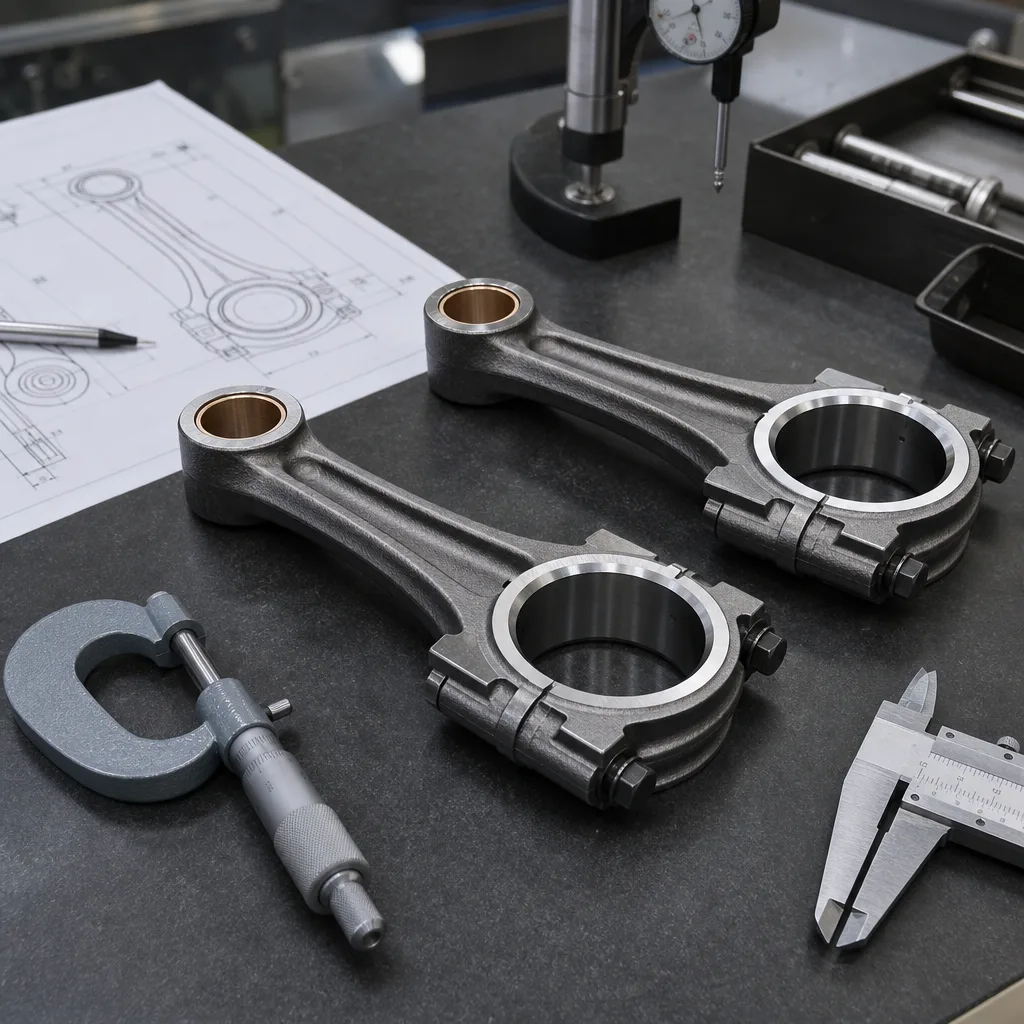
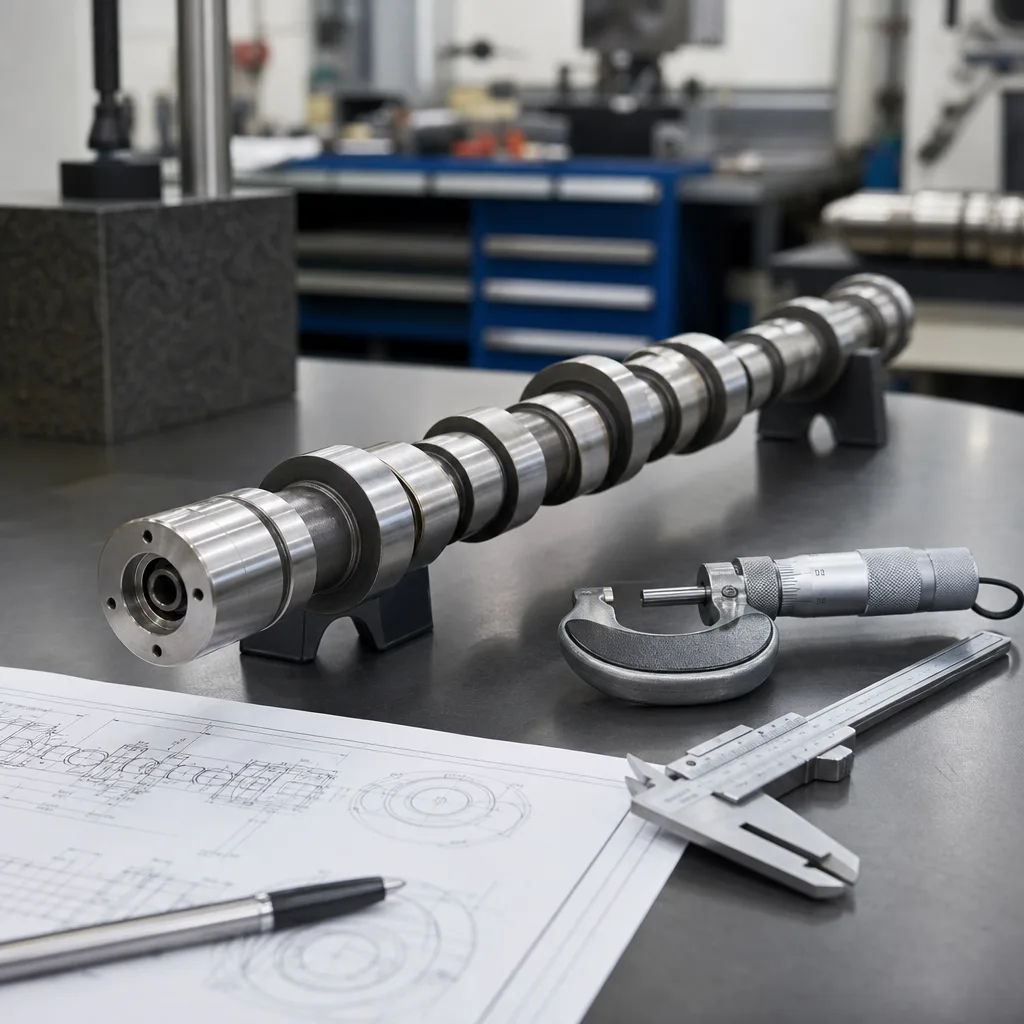
CMM or surface plate report against drawing
Controls head-gasket sealing
Valve seat runout
Seat concentricity report
Limits compression loss and hot spots
Guide bore size
Dimensional report with gauges used
Protects valve motion and oil control
Leak test
Pressure, dwell time, and pass/fail record
Finds porosity and machining leaks
Surface finish
Ra report on gasket face
Reduces seal variation
</tr></thead><tbody> </tbody></table>Many engine programmes specify deck flatness in the 0.03-0.05 mm range, but the buyer should accept only the engine-specific drawing. The same applies to valve guide clearance, seat angle, and surface roughness. If the supplier responds with a generic factory limit instead of the approved print, the process is not mature enough for recurring volume.
For heads with repaired or revised ports, ask whether the machining sequence changes the combustion chamber volume, valve protrusion, or cam timing envelope. Small dimensional shifts can create large warranty exposure.
Quality system and compliance files
An acceptable documentation pack should align with IATF 16949:2016 and ISO 9001:2015 at the factory level, plus material and chemical compliance files for export markets. For EU shipments, ask for REACH (EC) No 1907/2006 declarations where applicable, and confirm whether any surface treatment, sealant, or packaging material needs additional disclosure.
If your customer asks for validation support, the file should include control plan references, inspection records, first-article data, and sample retention terms. Where an engine programme has emissions-related constraints, the buyer may also request evidence aligned with ECE R-83 or the customer's own validation plan. Do not accept language that implies OEM approval or endorsement; the correct statement is fitment compatibility and document-controlled supply.
A disciplined supplier will also show revision history, gauge calibration status, and nonconformance handling. These items matter more than brochure claims because they show whether the plant can hold the approved condition over time.
MOQ, lead time, and packing rules
Supply terms matter because cylinder heads are heavy, fragile, and sensitive to corrosion and impact. Ask for MOQ by casting family, sample quantity, and whether tooling, fixtures, and inspection gauges are separate line items. Confirm whether lead time starts at drawing approval, sample approval, or deposit receipt - those dates are not the same.
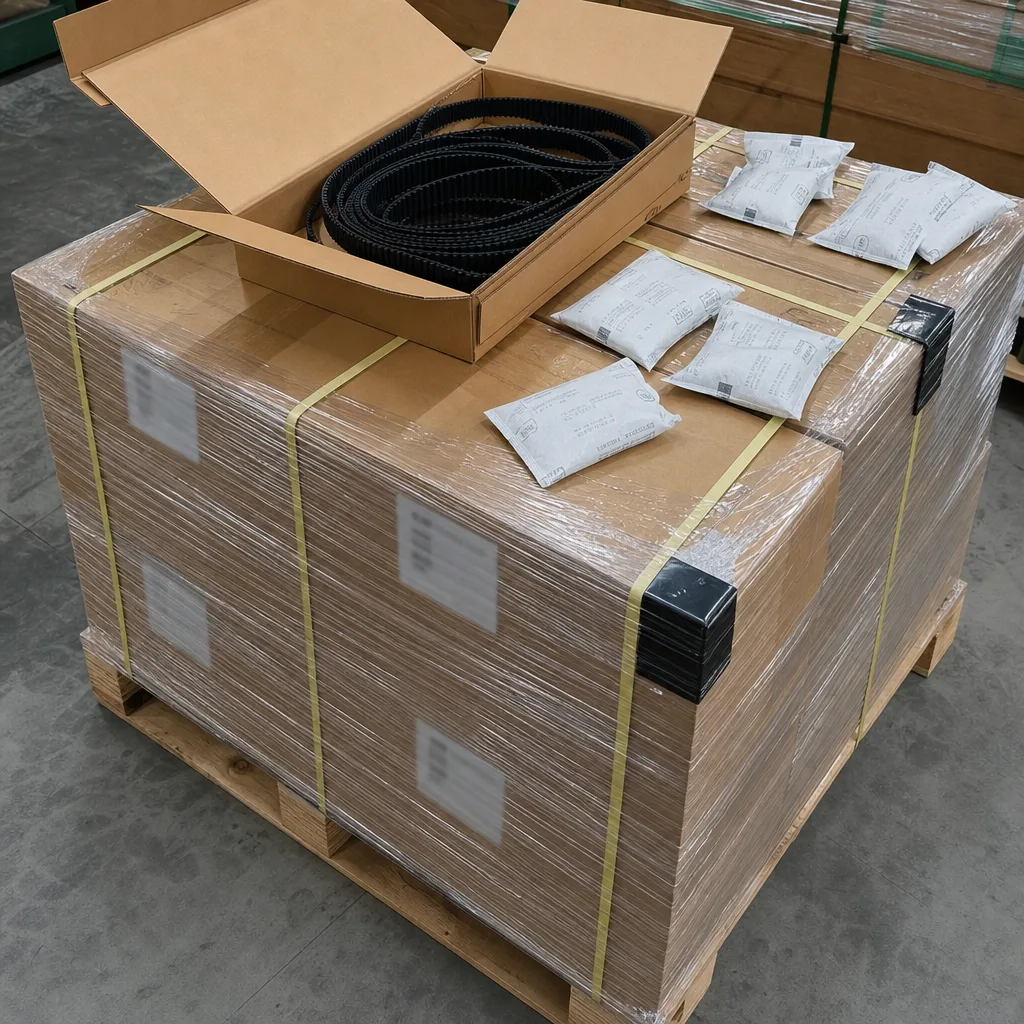
Packaging should protect gasket faces, valve seats, and machined ports with VCI, formed inserts, or equivalent export packaging. Every carton should carry a lot code that ties back to the inspection record and packing list. For sea freight, buyers should also ask how the supplier prevents moisture damage during long transit and whether pallet height is limited for container loading.
For procurement teams comparing suppliers, the fastest way to filter options is to check our catalog, then request a drawing review through custom manufacturing.
When an aftermarket partner is the right fit
A supplier built for repeat business should be able to quote from a controlled sample, not just a photo. The practical sequence is: review the print, confirm the casting route, approve the first article, freeze the revision, and then lock the packing specification. That workflow protects buyers from variation between lots and reduces the chance of mismatch after the first shipment.
Driventus is an independent aftermarket manufacturer; brand names are referenced for fitment only. If you need a revised coolant passage, a different valve seat material, or a custom machining sequence, the right starting point is a technical enquiry with volume, target market, and test requirements. From there, the programme can be matched to your supply chain rather than forcing your team to adapt to an unstable source.
For a structured enquiry, use request a quote and include the drawing, target annual volume, and the inspection documents you need back with the first shipment.
Frequently asked questions
Match the engine code, gasket pattern, port layout, cam and valve-train arrangement, and casting number. A VIN, sample part, and drawing are better than a catalog photo. If any point differs, the supplier should recheck before quotation.
Ask for a material certificate, dimensional report, leak test record, hardness or heat-treatment record, packing specification, and REACH declaration where applicable. For a managed programme, also request revision control and sample retention terms.
Yes, if the request is tied to a drawing, annual volume, target market, and validation plan. Custom ports, seat materials, or machining steps are possible when the specification is stable and the test method is agreed in advance.
For drawing review, sample requests, or production sourcing support, start the quotation process here: [request a quote](/contact.html).