Camshaft for Toyota Hilux OE Equivalent: Sourcing Guide
A camshaft for Toyota Hilux OE equivalent must match the original profile, base circle, journal geometry, and end thrust features closely enough to restore valve timing, idle quality, and torque delivery after replacement. For procurement teams, the practical question is not only whether the part fits, but whether the supplier can hold dimensional consistency, material quality, and repeatable heat treatment across batches. Driventus supplies engine components for aftermarket and B2B channels, with production controlled under IATF 16949:2016 and ISO 9001:2015. Driventus is an independent aftermarket manufacturer; brand names are referenced for fitment only. This article explains what to verify when sourcing an OE-equivalent camshaft, which measurements matter most, and how to reduce installation risk across different Toyota Hilux engine variants. If you are comparing suppliers, the details below will help you separate simple fitment claims from parts that are validated for sustained service use.
What OE-equivalent means for a Toyota Hilux camshaft
An OE-equivalent camshaft is not an approved OEM part. It is an aftermarket replacement engineered to match the relevant OE geometry, hardness, and functional timing characteristics for the engine code and application.
For procurement review, the key criteria are:
Overall length and mounting geometry
Journal diameter and roundness
Lobe lift, opening duration, and lobe separation profile
Thrust face and end play control
Surface finish on journals and lobes
Heat treatment depth and hardness consistency
A supplier should be able to state the engine application by code, not only by model name. Toyota Hilux vehicles are fitted with multiple diesel and petrol engines across markets, so fitment by vehicle alone is not enough.
Dimensional checks buyers should request before purchase
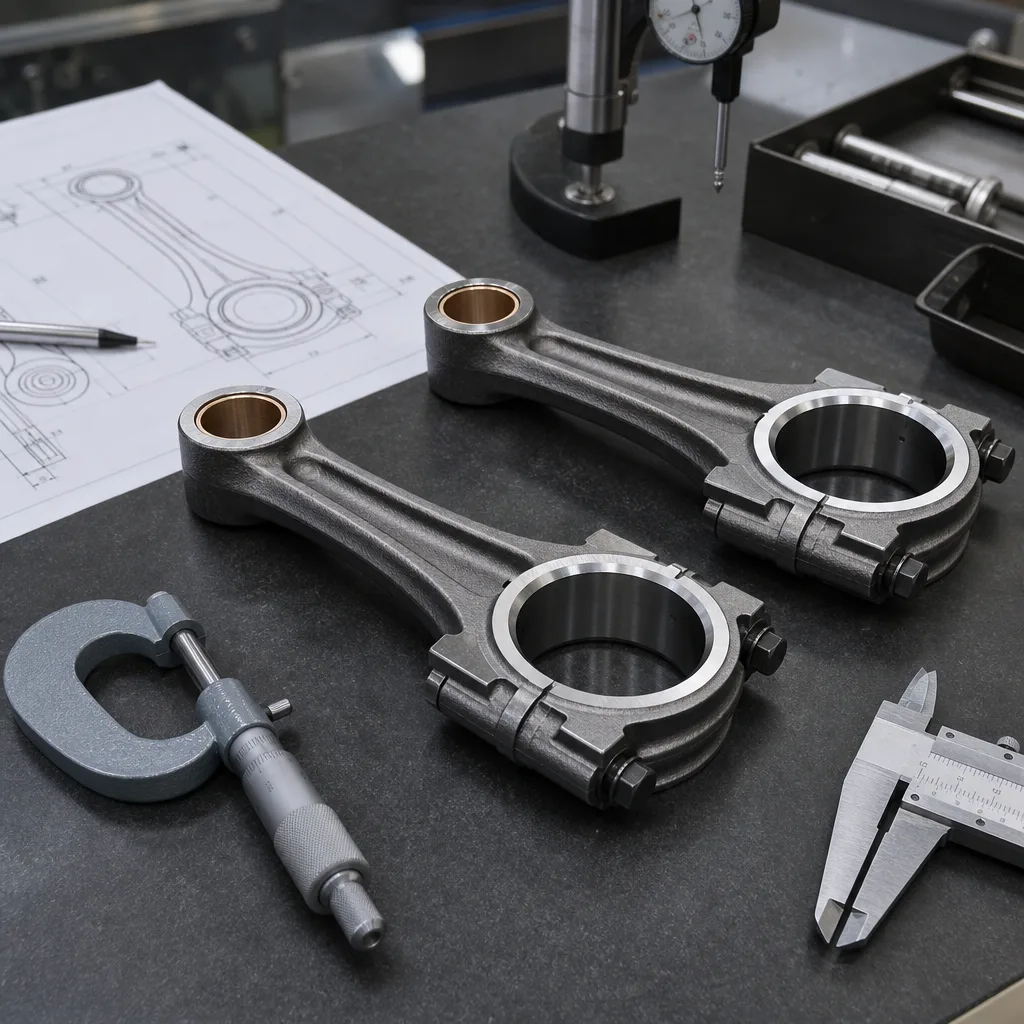
Ask for a controlled drawing, inspection report, and sample measurement data. A serious supplier will provide traceable dimensions rather than a generic fitment note.
Check item
What to confirm
Why it matters
Journal diameter
Measured at multiple points
Affects oil clearance and bearing life
Lobe height
Compared against OE reference
Controls valve lift and breathing
Runout
Verified on a V-block or equivalent fixture
Excess runout can cause noise and wear
Thrust face width
Matched to the original design
Prevents axial movement issues
Surface hardness
Confirmed after heat treatment
Supports wear resistance under load
Surface finish
Smooth journal finish without scoring
Reduces break-in risk
</tr></thead><tbody> </tbody></table>For buyers managing multiple SKUs, request part-by-part comparison data rather than relying on a single catalogue image. This is especially important where OE 06A107065-style cross-reference logic is used in other engine families, because fitment naming conventions can hide real dimensional differences.
Material, heat treatment, and validation testing
Camshaft performance depends on more than machining accuracy. Material specification and process control determine how the part behaves after repeated thermal cycles and oil contamination exposure.
Typical buyer checks include:
Cast or forged blank specification
Induction hardening or equivalent surface treatment
Case depth and core hardness data
Microstructure inspection for cracks or inclusions
Final magnetic particle inspection for ferrous parts
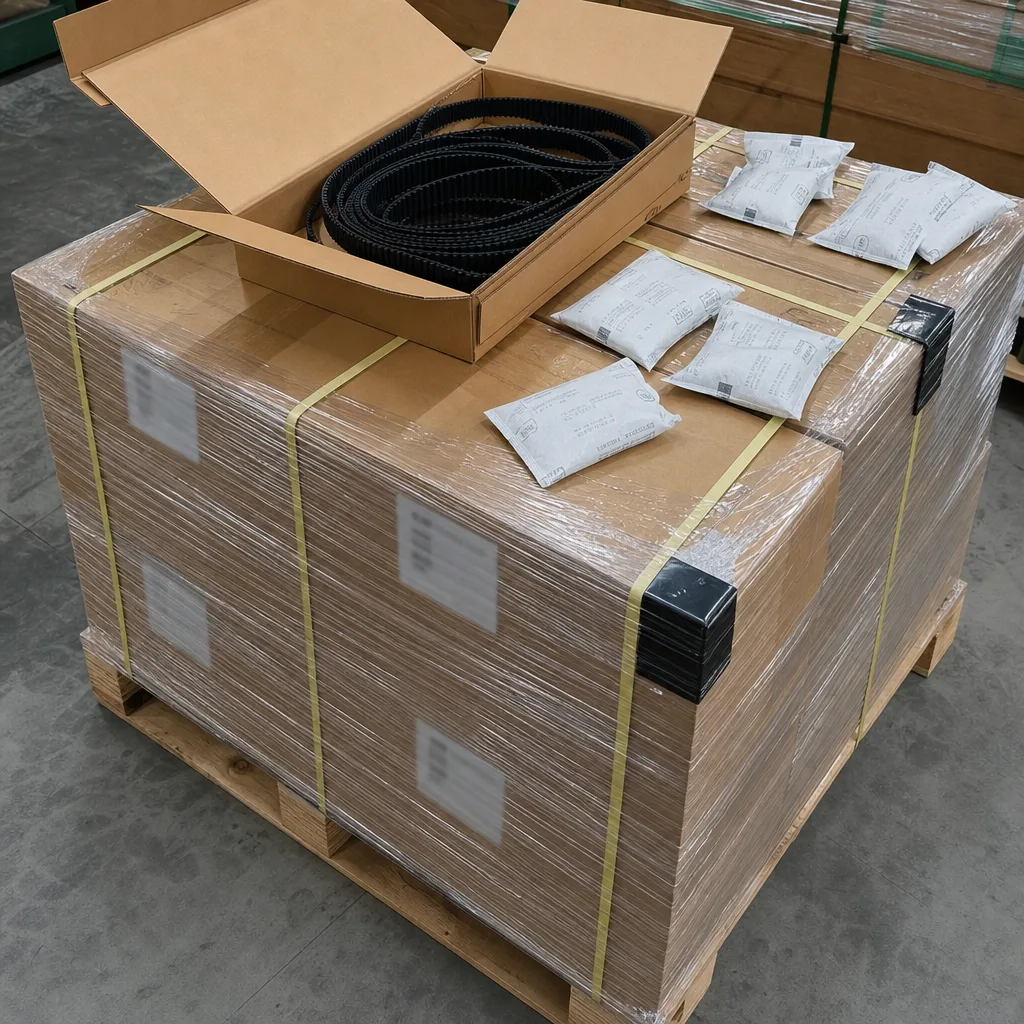
Packaging that protects journals and lobes from transit damage
For applications exposed to long service intervals, ask whether the part has been validated against relevant durability methods such as SAE J2527 where applicable to component testing programs, and whether the supplier can document internal endurance cycles. If the part will be sold in the EU or UK aftermarket, confirm material compliance with REACH (EC) No 1907/2006 where relevant to coatings, lubricants, or packaging substances.
How to compare suppliers without overbuying risk
The lowest unit price is often the most expensive option if the camshaft returns with incorrect timing, poor surface finish, or unstable batch dimensions. A procurement comparison should include technical and commercial factors.
Practical supplier comparison points
1. Application control: engine code, production year range, and valve-train configuration. 2. Inspection data: first article inspection, in-process checks, final audit records. 3. Batch traceability: heat number or lot code on the part or packaging. 4. Packaging standard: rust prevention, journal protection, transit testing. 5. Lead time and MOQ: realistic for your inventory model.
Driventus publishes its catalog for engine components in our catalog and can support broader powertrain sourcing through products/engine-components.html. Buyers that need a tailored drawing, private label pack, or application-specific finish can review custom manufacturing.
Installation and compatibility checks after receipt
Even an OE-equivalent camshaft should be checked before installation. This reduces claim risk and helps identify assembly issues before the engine is started.
Verify the following:
All journals are clean and free from transport corrosion
The camshaft rotates without binding in the head or bearings
End play is within the engine specification
Lobes match the required valve timing orientation
Lifters, followers, and bearings are suitable for reuse or replacement
Oil passages are clear before first start
If the previous camshaft failed due to lubrication loss, do not reuse contaminated components without cleaning and inspection. A new camshaft installed with worn bearings or debris in the oil circuit will not restore service life.
Procurement notes for distributors, workshops, and export buyers
For aftermarket distributors and repair chains, the best sourcing outcome is a part that can move across channels without technical disputes. That requires consistent labeling, clear application data, and stable dimensions across batches.
Driventus operates as a vertically integrated manufacturer in Taizhou, Zhejiang, with export experience in 60+ countries and quality control aligned to IATF 16949:2016 and ISO 9001:2015. Buyers can review the broader quality system before audit or supplier qualification.
A well-managed camshaft program should include:
controlled OE cross-reference files
verified carton and label content
batch retention samples
documented inspection criteria
responsive engineering support for fitment questions
For commercial enquiries, use request a quote to discuss target volume, target market, and any required private-label or packaging specifications.
Frequently asked questions
No. An OE-equivalent camshaft is an aftermarket replacement designed to match the original function and fitment. It is not an OEM-approved part. Buyers should confirm dimensions, hardness, and application data before ordering.
Ask for a drawing, inspection report, material and heat-treatment data, batch traceability, and confirmation of the exact engine code. For export markets, confirm compliance documentation and packaging requirements.
No. Toyota Hilux uses different engines across years and regions. Fitment must be verified by engine code, valve-train layout, and measured dimensions, not only by vehicle model name.
If you are qualifying a replacement camshaft programme or need batch pricing for export, contact Driventus through /contact.html for technical support and a quotation.