crankshaft pulley · 2026-05-27

Crankshaft Pulley Dodge OEM Supplier: Sourcing Guide

For procurement teams sourcing a crankshaft pulley for Dodge applications, the main risk is not price alone. It is dimensional mismatch, inconsistent damping performance, and weak process control across batches. A supplier should be able to confirm OE cross-reference, material specification, surface finish, balance requirements, and traceability before you place a production order. Driventus supplies engine and powertrain parts from Taizhou, Zhejiang, with IATF 16949:2016 and ISO 9001:2015 systems in place. We support aftermarket distributors, OEM and Tier-1 buyers, and repair chains that need predictable lead times and repeatable quality. Driventus is an independent aftermarket manufacturer; brand names are referenced for fitment only. This article outlines what to check when evaluating a crankshaft pulley Dodge OEM supplier, including documentation, validation testing, and commercial terms that reduce sourcing risk.

What buyers should verify first

When sourcing a crankshaft pulley for Dodge fitment, start with the engineering data, not the price list. Confirm the OE reference, engine code, pulley diameter, belt groove count, offset, bore size, and whether the part is a simple pulley or a harmonic balancer assembly.

Key checks for RFQ review:

  • OE cross-reference shown as OE 06A107065 only when applicable to the request
  • Application by engine family, model year, and belt configuration
  • Material: cast iron, steel, or aluminium alloy, with defined heat treatment if used
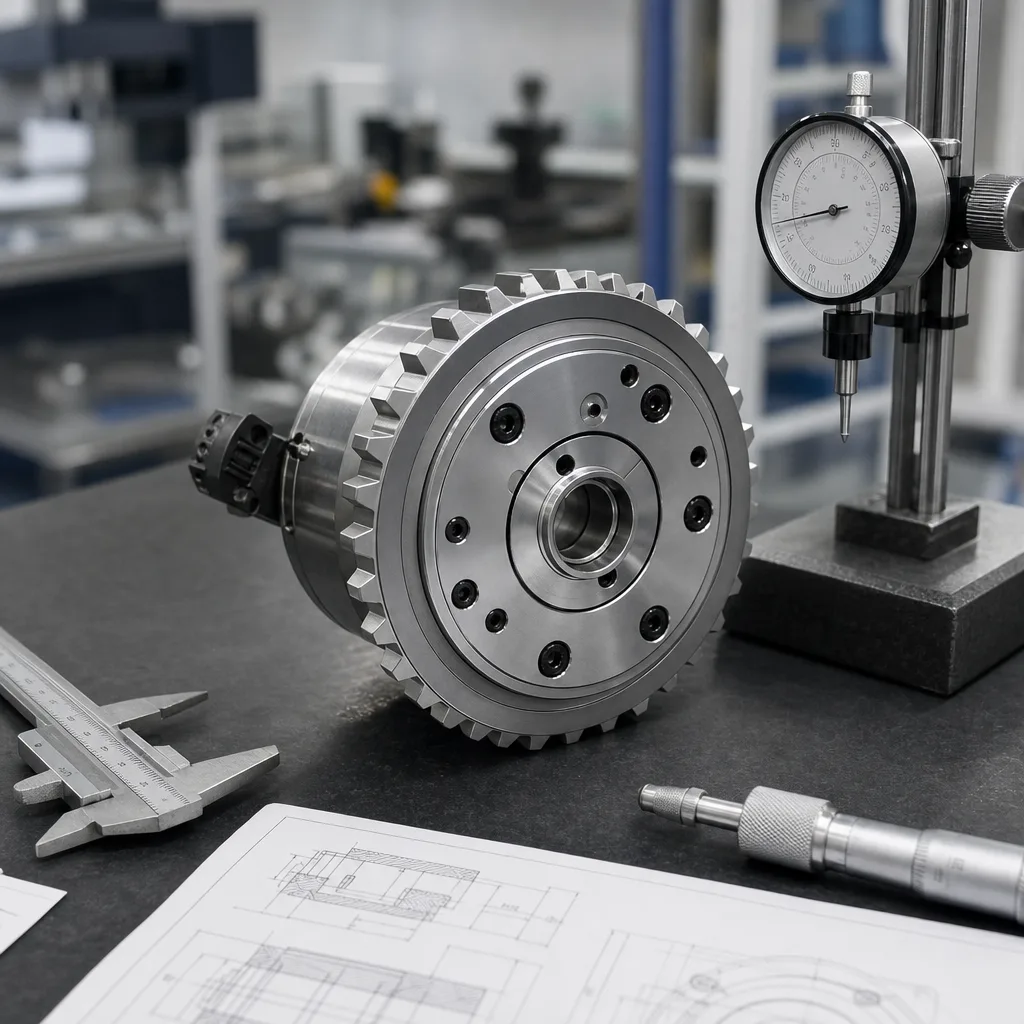
  • Runout, concentricity, and static balance limits
  • Surface coating or phosphating requirements
  • Packaging spec for export cartons and palletisation

A supplier that cannot provide these points usually cannot control repeatability in volume production. For buyers handling multiple SKUs, it is worth aligning part data with our catalog before requesting samples.

Sourcing criteria for OEM and aftermarket buyers

A reliable supply chain for this part family depends on factory capability and documentation. For procurement teams in the EU, UK, US, Canada, Australia, and Brazil, the minimum expectation should include process control records, incoming material traceability, and inspection data by lot.

</tr></thead><tbody> </tbody></table>For buyers comparing suppliers, a documented quality system matters as much as unit price. It is also useful to ask whether the factory can support private label packing, VMI programmes, or staggered deliveries for regional distribution hubs.

Validation testing and standards to request

Crankshaft pulleys are not all tested the same way. For OE-equivalent supply, ask the manufacturer to define test methods and acceptance limits in writing. If the pulley includes a damping element, the validation plan should be more demanding than for a solid pulley.

Common checks include:

  • Dimensional inspection against drawing
  • Dynamic balance verification
  • Radial and axial runout measurement
  • Salt spray or coating adhesion, where specified
  • Belt wear and noise observation during bench testing
  • Thermal cycling if the application requires it

Published standards may apply depending on the vehicle system and target market. For emissions-related fitment contexts, buyers sometimes reference ECE R-83 at system level. Surface durability may involve SAE J2527 for corrosion exposure where relevant to the project. If a material or coating is supplied into the EU market, REACH (EC) No 1907/2006 should be considered in the compliance review. These standards do not replace part-specific validation, but they help frame the supplier audit.

Lead time, MOQ, and commercial terms

Procurement decisions often fail when lead time is vague. A disciplined supplier should quote sample lead time, tooling lead time if needed, production lead time, and a realistic MOQ by part number or platform family.

Typical commercial questions:

1. What is the MOQ for the initial order and for repeat orders? 2. Can the factory consolidate mixed SKUs in one shipment? 3. Are PPAP-style documents available on request? 4. What is the standard packing quantity per carton and per pallet? 5. How is change control handled for material or process updates?

For buyers launching a new listing or refreshing a distribution programme, custom packaging, stamping, or machining changes may be handled through custom manufacturing. If you are building a broader engine programme, it can also help to review engine components so pulley sourcing is aligned with the rest of the bill of materials.

Why factory audit evidence matters

An audit should confirm more than office paperwork. The buyer or third-party inspector should verify the machining line, balancing equipment, inspection gauges, traceability method, and final packing discipline. If the pulley is produced in multiple variants, the audit should show segregation of similar parts to avoid mix-up.

Ask for evidence of:

  • Incoming inspection for castings or forgings
  • In-process checks at defined intervals
  • Gauge calibration status
  • Final visual and dimensional inspection records
  • Lot coding linked to shipment documents

For import managers, this evidence supports faster internal approval and easier supplier onboarding. It also reduces the chance of receiving parts that fit visually but fail in service because of imbalance, incorrect offset, or poor belt tracking. A manufacturer with stable audit evidence is usually easier to qualify for long-term supply than a low-cost trader with no process control.

Frequently asked questions

Yes, if the part data, OE reference, and target engine platform are defined clearly. We review dimensions, material, finish, and balance criteria before confirming production.

Typical documents include dimensional reports, material traceability, packing details, and quality records. Additional project documents can be issued depending on the buyer’s audit needs.

Yes. We can support custom packaging, labelling, and part marking where the project specification allows it. Please share your target annual volume and delivery schedule.

If you need a qualified supply partner for this part family, please send your OE reference, annual volume, and target market details. Request a quote at /contact.html.

Request a Quote
Buyer requirement What to ask the supplier Why it matters
Dimensional fitOD, ID, width, groove profile, offset drawingPrevents belt misalignment
Rotational performanceBalance report, runout data, test methodReduces vibration and accessory wear
ComplianceIATF 16949:2016, ISO 9001:2015Supports controlled production
Material traceabilityHeat number, batch record, COAHelps with audits and claims
Export readinessCarton labelling, pallet spec, HS code supportLowers import delays