Wholesale buyers sourcing a crankshaft pulley for Citroen applications need more than a part number match. The pulley must match belt section, offset, bore, damping design, and dynamic balance, then survive the temperature and vibration profile of the engine family it serves. For distributors and importers, the commercial questions matter as much as the geometry: MOQ, lead time, packaging, traceability, and documentation for customs and quality teams. Driventus is an independent aftermarket manufacturer; brand names are referenced for fitment only. This article sets out the checks that reduce claim risk and help buyers move from sample approval to repeatable supply. It is written for procurement teams that need a repeatable sourcing process, not a consumer replacement guide.
What wholesale buyers should verify first
A crankshaft pulley buy should start with fitment data, not price. The most common sourcing errors are a correct outside diameter with the wrong offset, or a visually similar pulley with a different damper specification.
Check
What to verify
Why it matters
Mounting interface
Bore, keyway, bolt circle, thread pattern
Prevents installation failures
Belt geometry
V-groove, rib count, width, offset
Protects belt tracking and wear
Damping design
Solid, bonded elastomer, or decoupled layout
Affects torsional vibration control
Balance
Static and dynamic balance targets
Reduces bearing load and noise
Surface finish
Machined seats, coating, corrosion resistance
Supports life in service
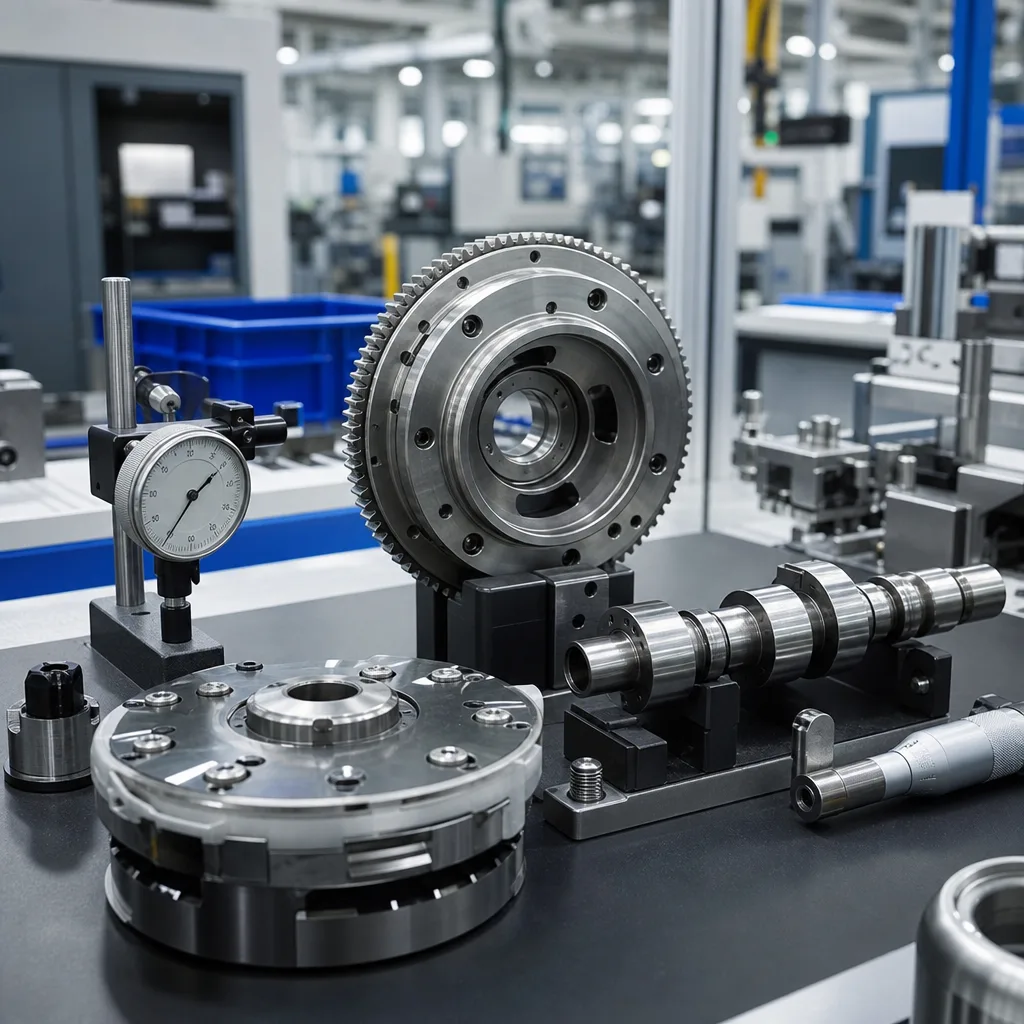
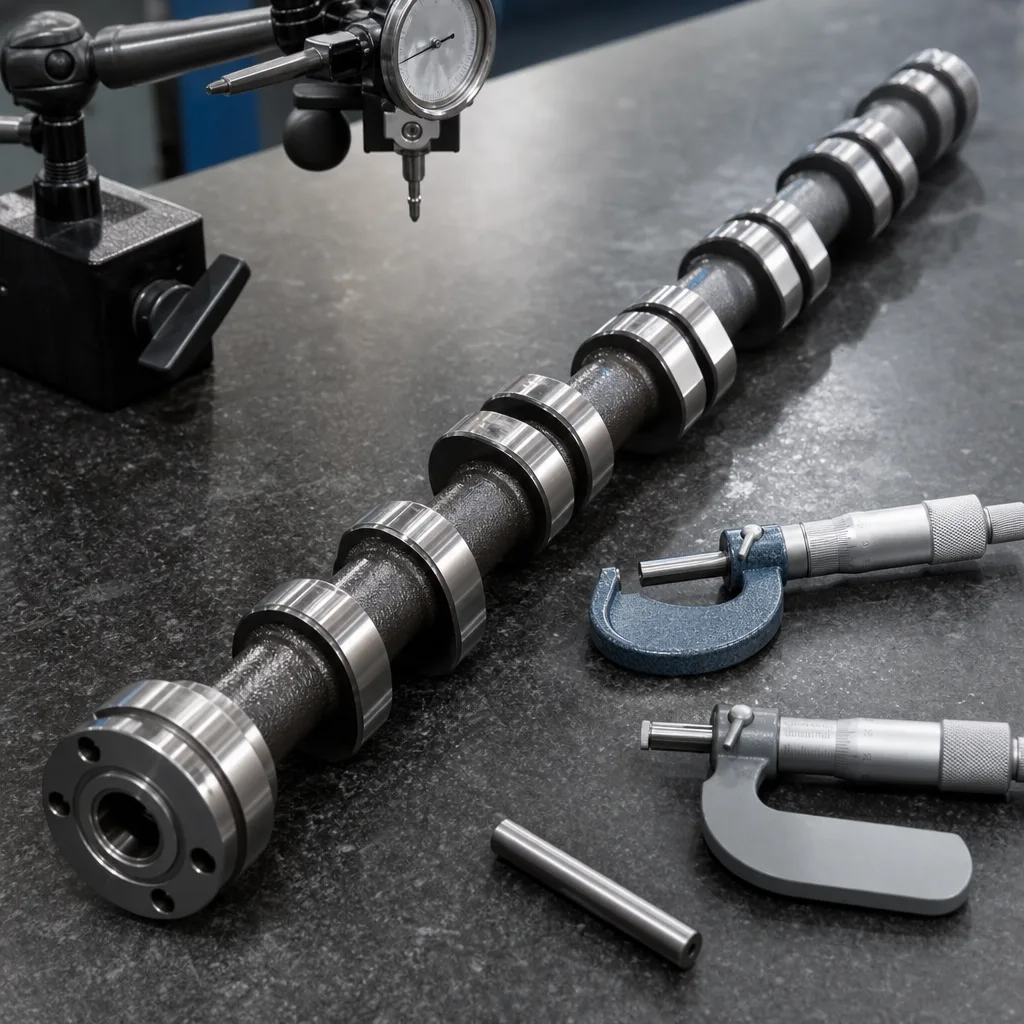
</tr></thead><tbody> </tbody></table>For Citroen programmes, ask for drawings, photos of all sides, and a dimensional report from the supplied sample. If the supplier cannot show traceability from sample to batch, the piece is not ready for wholesale stocking.
Construction and fitment variables that change the part
On this product family, small design changes can make the pulley non-interchangeable. The buyer should treat every variant as a controlled item, even when the casting or stamping looks similar.
Key variables to lock down:
Pulley type: solid pulley versus bonded harmonic damper
Hub material: steel, cast iron, or machined steel assembly
Elastomer specification: temperature range, oil resistance, and bond durability
Belt drive: auxiliary belt only, or multi-rib system with a defined section
Runout target: confirm radial and face runout against the drawing, often below 0.10 mm on controlled parts
Balance grade: set the target from the engine family, not from visual comparison
When a supplier says a part is "same as OE", ask for the basis of the claim. The correct answer is a verified cross-reference, dimensional evidence, and a sample from the same production route, not a sales description.
Quality system and validation evidence
For importers, the quality file is often the deciding factor. A pulley that passes initial fitment but lacks process control can create repeat claims after a few thousand kilometres.
At minimum, ask for:
IATF 16949:2016 and ISO 9001:2015 certificates from the actual manufacturing site
Material declarations for REACH (EC) No 1907/2006
Incoming inspection records for hub material, rubber compound, and fasteners where applicable
In-process checks for concentricity, balance, and press-fit retention
Final inspection records with lot traceability and packaging release
Optional corrosion or coating testing, including SAE J2527 when the buyer specifies salt exposure validation
If the pulley is part of a larger engine programme, related validation may also reference ECE R-83 in the wider vehicle file. The pulley itself still needs its own dimensional, durability, and traceability evidence.
MOQ, lead time, and export packaging
Wholesale sourcing is usually won or lost on replenishment discipline. A distributor needs predictable packing counts, stable carton dimensions, and a realistic lead time that fits sales velocity.
Use this checklist before issuing a purchase order:
MOQ by part number, not by product family
Sample lead time versus mass-production lead time
Standard carton count and pallet pattern
Moisture control, anti-rust protection, and edge protection for machined faces
Barcode or SKU labelling that maps to the buyer's warehouse system
Country-of-origin marking and document set for customs clearance
To reduce SKU sprawl, many buyers build a wider engine family programme around our catalog and, where applicable, engine components. That gives procurement a cleaner view of adjacent items and makes reordering simpler across the same supply base.
When custom manufacturing is justified
Custom manufacturing is justified when the vehicle family has a low-volume variant, a unique belt alignment, or a revised damping requirement that does not map cleanly to an off-the-shelf item. It is also the right path when the buyer wants private-label packaging, a controlled service level, or a consolidated programme across multiple Citroen platforms.
A sensible custom request package should include:
Sample or drawing with all critical dimensions
Annual volume forecast and split by market
Validation requirements, including balance, fatigue, and corrosion checks
Packaging and labelling rules
Target incoterms and destination port
A factory audit should confirm metrology equipment, elastomer bonding control, traceability discipline, and packing-line separation between sampled and released stock. For programmes that need a tailored route, use custom manufacturing and align the specification before tooling is released.
Frequently asked questions
Ask for a dimensional drawing, sample photos, certificate copies, test data, MOQ, lead time, and packing details. If the supplier cannot document traceability from material to batch, treat the item as unapproved.
Match the pulley type, bore, bolt pattern, offset, belt section, and balance target against the sample or drawing. VIN-based cross-reference should be verified, not assumed from appearance alone.
For most wholesale programmes, ask for IATF 16949:2016, ISO 9001:2015, and REACH (EC) No 1907/2006 material compliance. If corrosion testing is required, SAE J2527 is a common reference.
Share your drawings, target volume, and destination market, and we will prepare a sourcing proposal through [request a quote](/contact.html)