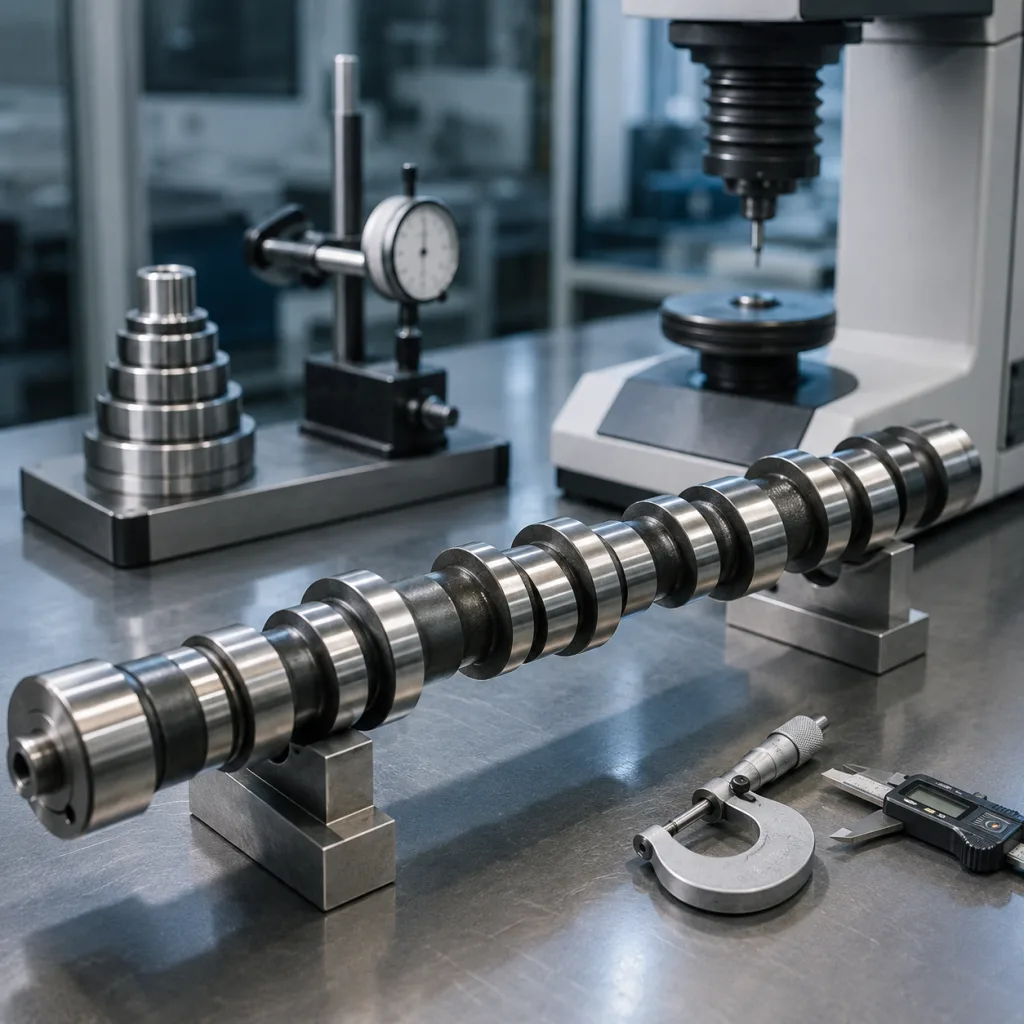
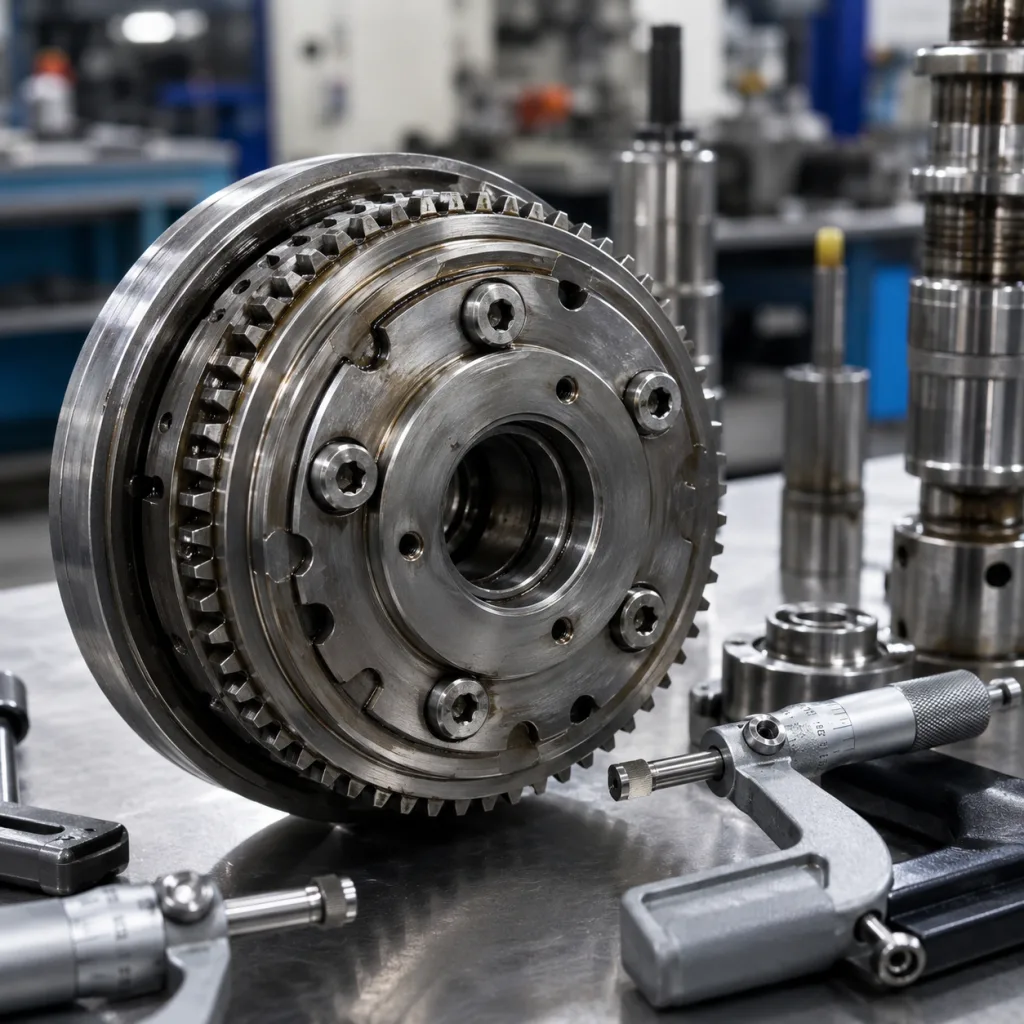
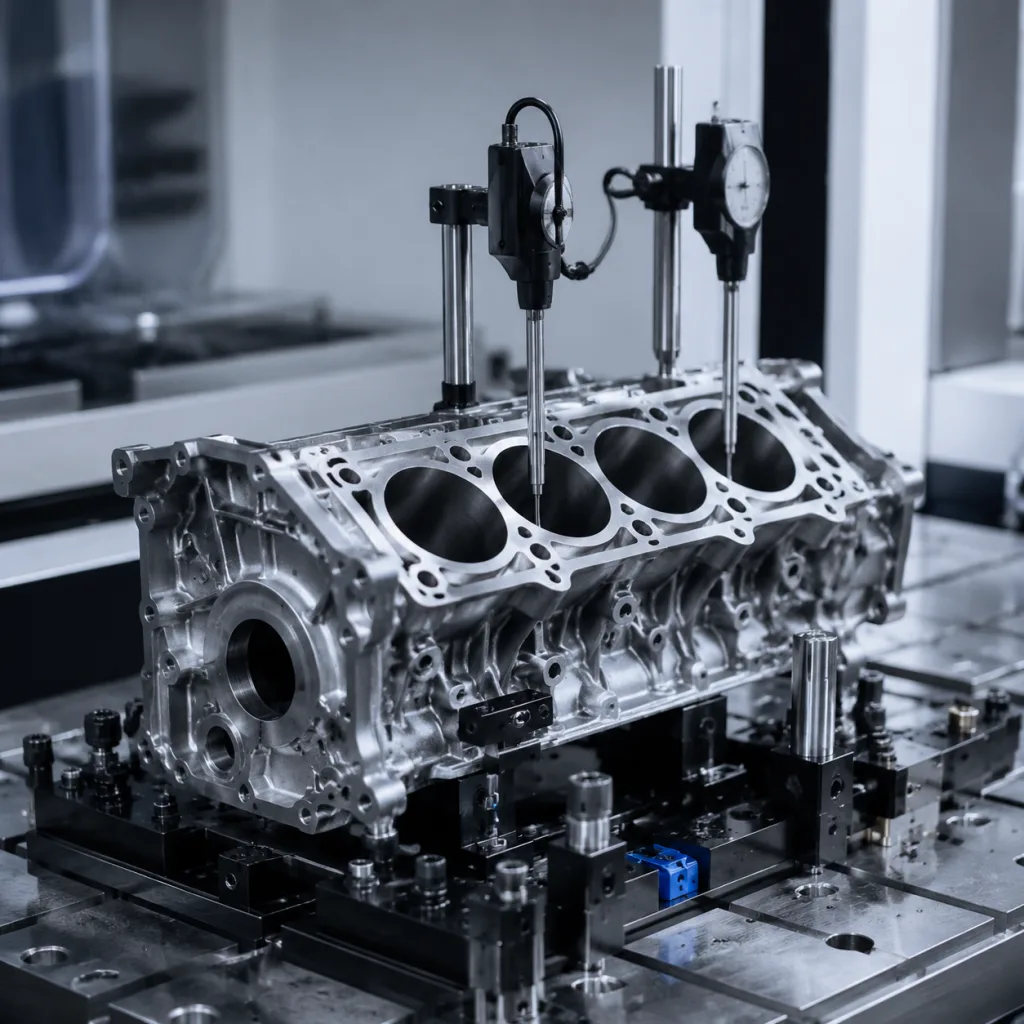
Finding a reliable crankshaft Mazda OEM supplier is not just a catalogue exercise. Procurement teams need verified fitment, controlled metallurgy, stable machining quality, export-ready documentation, and clear communication on MOQ and lead time. Driventus manufactures crankshafts and related engine components in Taizhou, Zhejiang for aftermarket distributors, OEM programmes, Tier-1 sourcing teams, and multi-location repair chains. Production is organised around IATF 16949:2016 and ISO 9001:2015 quality management requirements, with controls covering forging or casting selection, machining, heat treatment, grinding, balancing, inspection, preservation, and export packaging. This guide explains how buyers can evaluate Mazda-fit crankshaft supply, what to include in an RFQ, and how Driventus supports audits, sampling, production planning, and custom manufacturing projects. Driventus is an independent aftermarket manufacturer; vehicle brand names are used only to identify fitment.
What buyers should confirm before sourcing
A crankshaft is a high-risk sourcing item because small deviations in journal geometry, hardness depth, oil-hole finish, cleanliness, or balance can create warranty exposure across an engine rebuild programme. Before approving a crankshaft Mazda OEM supplier, buyers should separate the application requirement from the purchasing route.
For replacement aftermarket supply, the priority is OE-equivalent dimensional fit, reliable cross-reference management, and repeatable batch quality. For OEM or Tier-1 projects, the buyer may also require APQP planning, PPAP documentation, special-characteristic control, traceability rules, packaging validation, and long-term capacity reservation.
A practical request for quotation should include:
Engine family, displacement, fuel type, and production year range
Required OE part-number cross-reference format, where available
Sample quantity, target annual volume, and expected ordering pattern
Material requirement, such as forged steel or cast iron depending on application
Journal diameter, stroke, flange detail, oil-hole layout, and keyway specification if drawings are available
Required surface hardness, runout, dynamic balance, and inspection reports
Packaging format, pallet limits, corrosion-protection period, and label rules
Destination market and compliance documentation requirements
Buyers can review related engine parts through our catalog and discuss drawing-based or private-label crankshaft projects through custom manufacturing.
Supplier capability areas to audit
Factory audits should test process control, not just visible capacity. A crankshaft programme depends on stable material input, a disciplined machining sequence, validated heat treatment, accurate grinding, controlled balancing, and final inspection before preservation and packing. Driventus supports remote and on-site buyer audits with process-flow information, inspection examples, and quality documentation aligned with our quality system.
Audit area
What to verify
Procurement relevance
Material control
Steel or iron grade records, incoming inspection, supplier traceability
Reduces batch variation and hardness risk
Machining process
CNC turning, milling, drilling, grinding, deburring control
Protects journal size, oil passage finish, and repeatability
Heat treatment
Process parameters, hardness checks, case-depth validation where specified
Supports fatigue resistance and wear performance
Dynamic balancing
Balance equipment, correction method, record retention
Reduces vibration and engine assembly complaints
Metrology
CMM or dedicated gauges, roundness, runout, journal diameter checks
</tr></thead><tbody> </tbody></table>A complete audit should also review nonconforming material handling, calibration status, operator training, change-control discipline, and record retention. For regulated destination markets, buyers may ask how the supplier manages REACH (EC) No 1907/2006 declarations for relevant materials and packaging substances when applicable. Crankshafts are not emissions-control devices, but importers working on complete engine programmes should remain aware of market rules that apply at vehicle level, including ECE R-83.
MOQ, sampling, and lead-time expectations
MOQ depends on whether the crankshaft is already in production, requires new tooling, or needs drawing-based custom development. A distributor replenishing an established Mazda-fit application usually has different cost and scheduling conditions from a Tier-1 buyer developing a controlled private-label programme.
Typical sourcing stages are:
Existing application check: Cross-reference, dimensional confirmation, stock status, and scheduled production review.
Sample order: Dimensional approval, installation trial, packaging approval, and local market validation.
Pilot batch: Inspection report review, logistics performance, carton durability, and early warranty feedback.
Regular production: Forecast-based supply with agreed carton labels, pallet rules, inspection frequency, and shipment planning.
For standard crankshafts already covered by Driventus production planning, samples can usually be arranged faster than a new custom programme. Custom crankshafts require drawing review, feasibility assessment, material planning, machining programme development, tooling or fixture review where needed, and first-article inspection before serial production.
Lead time is influenced by forging or casting availability, heat-treatment schedule, grinding capacity, balancing workload, packaging specification, documentation scope, and export route. Buyers should provide a rolling forecast where possible. Better visibility supports capacity planning and reduces reliance on urgent air shipments, which are costly and increase handling risk for heavy precision components.
Technical controls for Mazda-fit crankshafts
A credible supplier should define measurable controls for every production batch of Mazda-fit crankshafts. Procurement teams do not need to manage each operation, but they should require evidence that the supplier controls the dimensions and functional surfaces that affect engine assembly, oiling, vibration, and service life.
Common control points include:
Main journal and connecting rod journal diameter
Journal roundness and cylindricity
Crankpin stroke and indexing accuracy
Thrust face width and surface finish
Rear flange runout and bolt-hole position
Oil-hole chamfering and internal cleanliness
Fillet radius consistency at high-stress transitions
Surface hardness and hardness distribution where specified
Dynamic balance result and correction traceability
Final visual inspection for burrs, dents, cracks, and corrosion
Non-destructive testing may be required for selected applications or customer specifications. Magnetic particle inspection is commonly used for ferromagnetic crankshafts when crack detection is required by the control plan. The exact inspection method should be agreed before quoting because it affects cost, routing, and lead time.
For engine rebuild distributors, dimensional consistency is often more valuable than claiming an oversized application range. A narrower, verified cross-reference list reduces catalogue errors, installer complaints, and returns. Where buyers provide generic OE references, Driventus can map fitment for quoting and validation without claiming vehicle manufacturer approval.
Documentation and compliance package
A sourcing file should be audit-ready before the first container leaves the factory. This is especially important for import managers serving the EU, UK, US, Canada, Australia, and Brazil, where customers may request proof of origin, product traceability, quality system evidence, and shipment-level inspection records.
A typical documentation package may include:
Commercial invoice and packing list
Certificate of origin where required
Batch inspection report
Material certificate or supplier material declaration where applicable
Heat-treatment or hardness report when specified
Dynamic balance report for agreed applications
Packaging photos and pallet dimensions
Quality management certificates for IATF 16949:2016 and ISO 9001:2015
REACH (EC) No 1907/2006 declaration support when relevant to supplied materials or packaging
For OEM or Tier-1 sourcing, buyers may also request APQP-style project planning, control plan review, first-article inspection, and PPAP submission according to the customer’s required level. Driventus can support these steps when they are defined in the RFQ. If the buyer requires a private-label pack, customer-specific carton artwork, or market-specific barcode structure, it should be confirmed before pilot production rather than corrected after mass production.
How Driventus supports procurement teams
Driventus is a vertically integrated Chinese manufacturer of engine and powertrain components, including crankshafts, pistons, gaskets, water pumps, and turbochargers. For buyers evaluating a crankshaft Mazda OEM supplier, our role is to provide stable manufacturing, technical clarity, responsive project management, and export-ready documentation without claiming approval from any vehicle manufacturer.
Procurement support normally follows this sequence:
1. Buyer sends application list, drawings, sample photos, target volume, ordering pattern, and destination market. 2. Driventus checks existing coverage, production feasibility, MOQ, estimated lead time, and documentation scope. 3. Both sides confirm inspection requirements, packaging, labelling, corrosion protection, and shipment terms. 4. Samples or a pilot batch are produced for dimensional, installation, packaging, and market validation. 5. Regular supply is scheduled against forecasts or purchase orders, with agreed inspection and documentation controls.
This structure helps category buyers compare landed cost, warranty risk, and supplier responsiveness on a consistent basis. It also gives sourcing engineers a defined path for technical validation before committing to larger orders. To begin a crankshaft sourcing review, buyers can request a quote with application data, annual volume, and documentation requirements.
Frequently asked questions
No. Driventus is an independent aftermarket manufacturer; vehicle brand names are referenced for fitment only. We support dimensional matching, quality documentation, and buyer validation, but we do not claim approval or endorsement by any vehicle manufacturer.
Send engine application, year range, drawings or samples if available, target annual volume, destination market, inspection requirements, packaging rules, and any OE cross-reference format used in your catalogue.
Yes. Custom projects are reviewed for material, geometry, machining feasibility, testing scope, MOQ, and lead time. Drawings, samples, and forecast volume are required before a firm quotation.
If you are comparing crankshaft suppliers for a Mazda-fit programme, send the application list, target volume, and documentation requirements. Driventus can review feasibility and respond with sourcing options at /contact.html