Connecting Rod Nissan Wholesale: Supplier Sourcing Guide
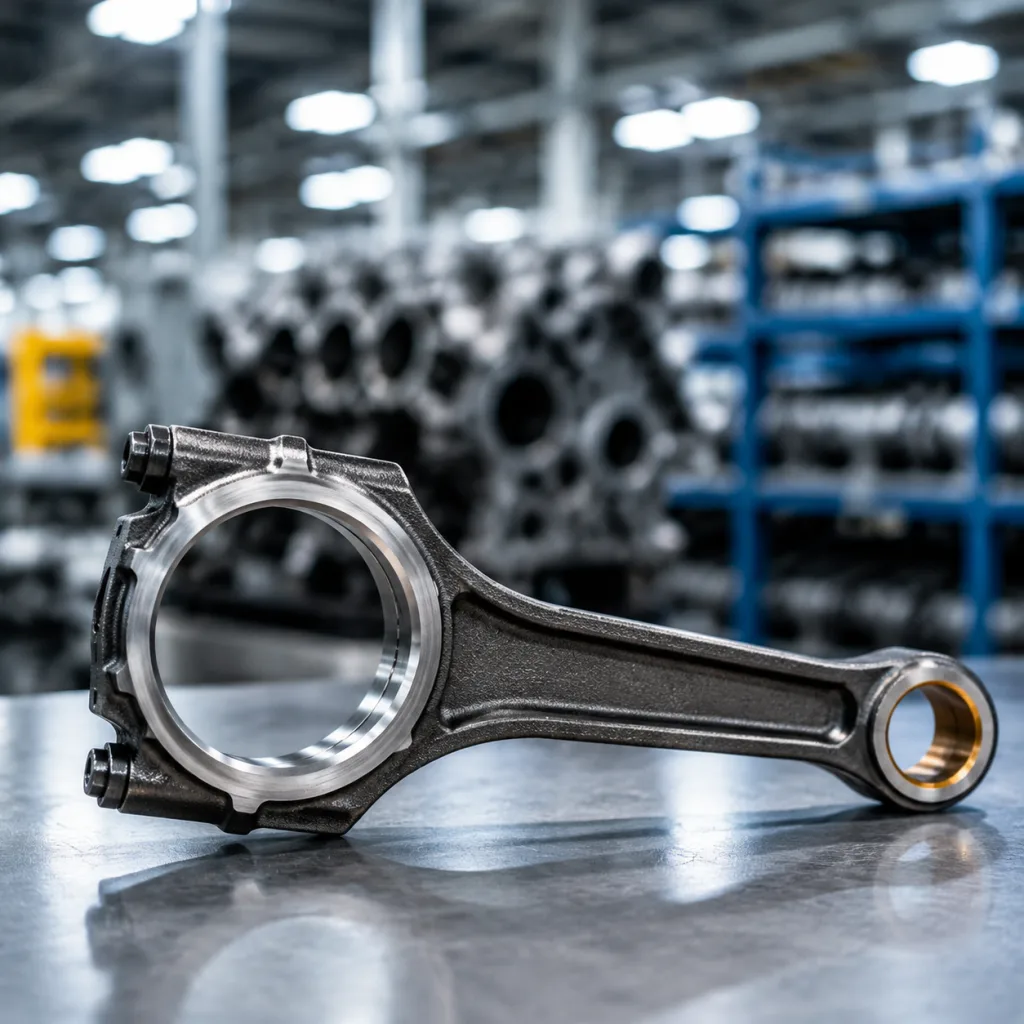
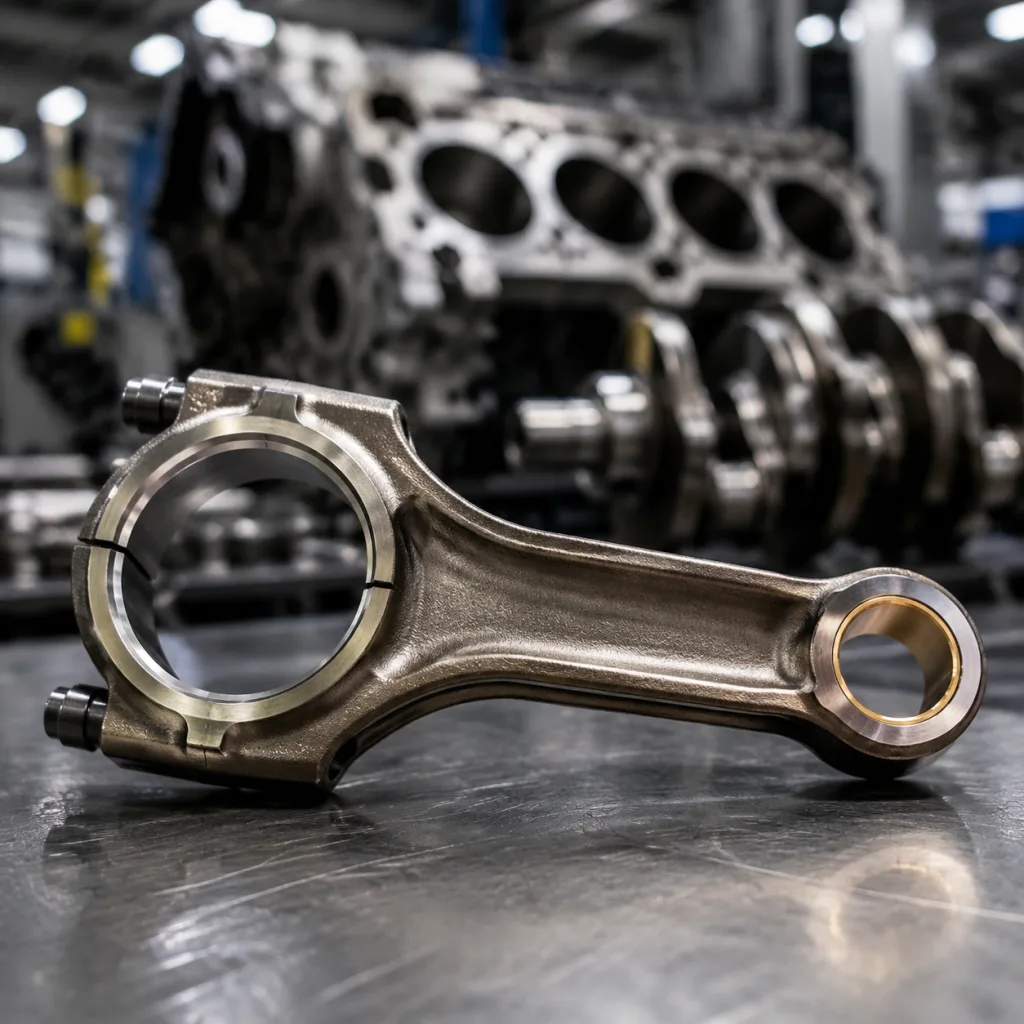
Buying connecting rod Nissan wholesale units is a sourcing discipline, not a catalog browse. Procurement teams need consistent metallurgy, controlled machining, traceable heat treatment, and stable supply across repeat orders. For Nissan applications, the part must match the original envelope: centre-to-centre length, big-end and small-end diameters, bore geometry, bolt specification, and surface finish. Driventus manufactures engine and powertrain components in Taizhou, Zhejiang, with exports to 60+ countries and production under IATF 16949:2016 and ISO 9001:2015. Driventus is an independent aftermarket manufacturer; brand names are referenced for fitment only. This article outlines what wholesalers, distributors, and repair-network buyers should verify before placing purchase orders, including MOQ, lead time, inspection records, and cross-reference discipline. It also shows where catalog parts fit, when custom manufacturing is justified, and how to evaluate supplier capacity without relying on marketing claims.
Decision before price: what makes a Nissan rod source viable
For wholesale sourcing, price is the last filter, not the first. A connecting rod can appear correct and still fail at assembly if the big-end bore, small-end bore, centre-to-centre length, or bolt package is off by a small margin.
Check these basics first
- Centre-to-centre length against the OE sample or drawing
- Big-end and small-end bore diameters after honing
- Rod bolt grade, thread form, and tightening method
- Weight match between rods in the same set
- Surface condition at the beam, cap face, and parting line
- Packaging traceability by lot, date code, and batch number
If you manage multiple warehouses or channel partners, ask for repeatable inspection records, not a label claim. Fitment must be confirmed against the exact engine code and application, not assumed from an outward match.
Failure modes that turn cheap rods into expensive returns
Wholesale buyers usually see the same avoidable failures:
- Bore drift that causes bearing distress or assembly rework
- Bolt inconsistency that changes clamp load across a batch
- Weight spread that creates balance issues within a set
- Heat-treatment variation that shows up as early fatigue
- Poor cleaning or packaging that leaves contamination before install
These are supplier-control problems, not buying mistakes. A low unit price does not offset claims, downtime, or rework.
Driventus operates as a vertically integrated manufacturer, which helps keep machining, heat treatment, cleaning, and final inspection aligned inside one production chain. That matters when buyers need stable batches and documented consistency. Review Driventus quality system before approving a supply source.
Spec deep-dive: the fields worth comparing line by line
Specification sheets should be checked one field at a time. The table below shows the items procurement teams normally compare during source approval.
| Spec item | What to confirm | Why it matters |
|---|---|---|
| Material | Forged steel, fracture-split steel, or powdered-metal variant | Affects strength, fatigue life, and cost |
| Centre length | Match to OE drawing or validated sample | Controls piston position and compression height |
| Big-end bore | Measured after final honing | Prevents bearing crush and oil film issues |
| Small-end bore | Pin fit and bushing alignment | Protects wrist-pin durability |
| Rod bolts | Grade, thread, torque or stretch method | Joint clamp load depends on bolt control |
| Weight | Pair and set matching | Reduces imbalance across cylinders |
| Surface finish | Beam, cap, and bore finish | Impacts fatigue and assembly quality |
| Traceability | Lot code and inspection record | Supports claims and recall control |