Connecting Rod for Fiat Ducato Aftermarket Replacement
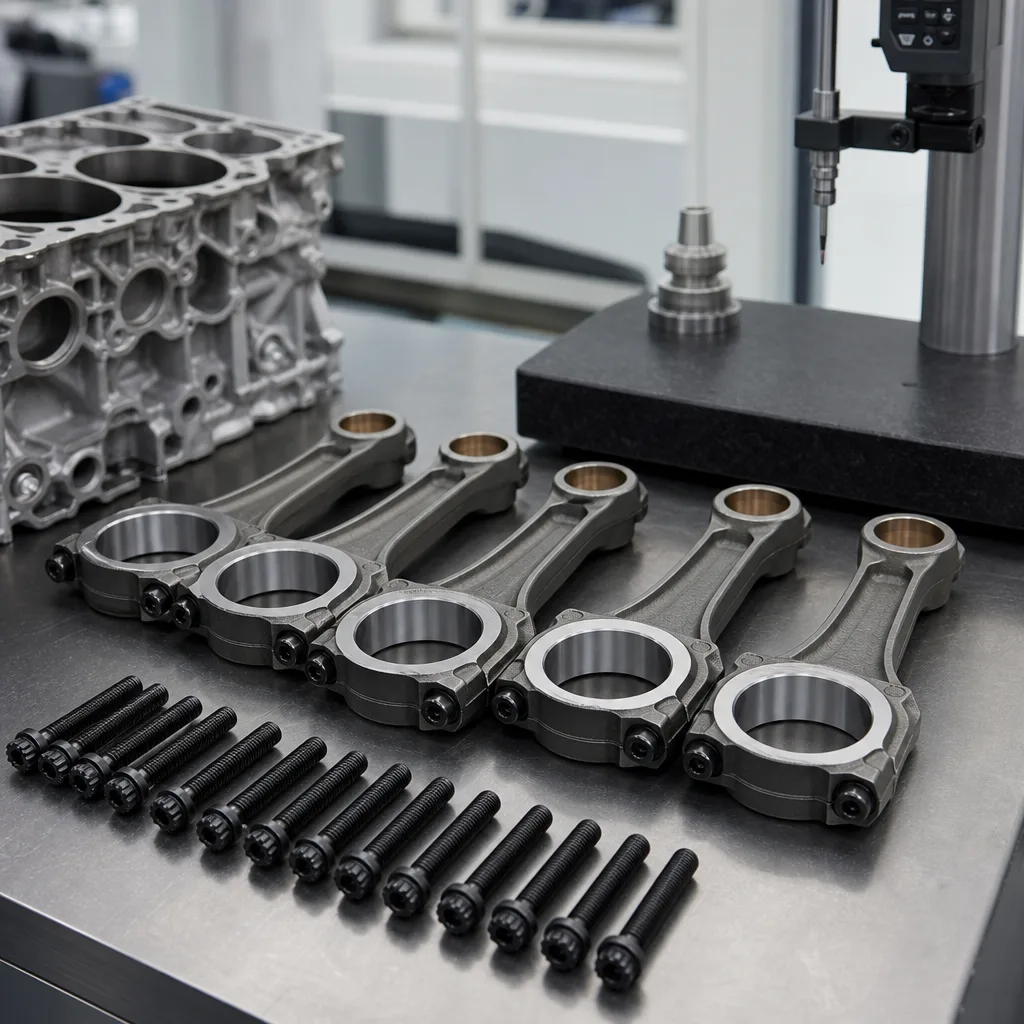
A connecting rod replacement for Fiat Ducato applications must match the original geometry, mass class, and bearing interface before it is released into service. For procurement teams, the main risk is not the part name but the dimensional spread: centre distance, big-end bore, small-end bore, rod length, cap alignment, and fastener consistency all affect durability. Driventus supplies engine components for B2B replacement programmes and validates parts against drawing-controlled specifications and production inspection records. Driventus is an independent aftermarket manufacturer; brand names are referenced for fitment only. If you are sourcing for distributor stock, workshop networks, or fleet maintenance, the part should be treated as an OE-equivalent replacement item that still requires application matching, metallurgical control, and batch traceability. The sections below outline what to verify before purchase, which tests matter, and how to compare offers from different suppliers without relying on generic claims.
What matters in a Fiat Ducato connecting rod replacement
For a Fiat Ducato aftermarket replacement, the supplier should confirm fitment by engine code, OE reference, and measured sample dimensions, not by model name alone. The same vehicle line can use different diesel and petrol engines across model years, and the connecting rod is not interchangeable unless the geometry and fastener specification match.
Key points to confirm before ordering:
- Centre-to-centre length: verify against the OE drawing or a validated sample
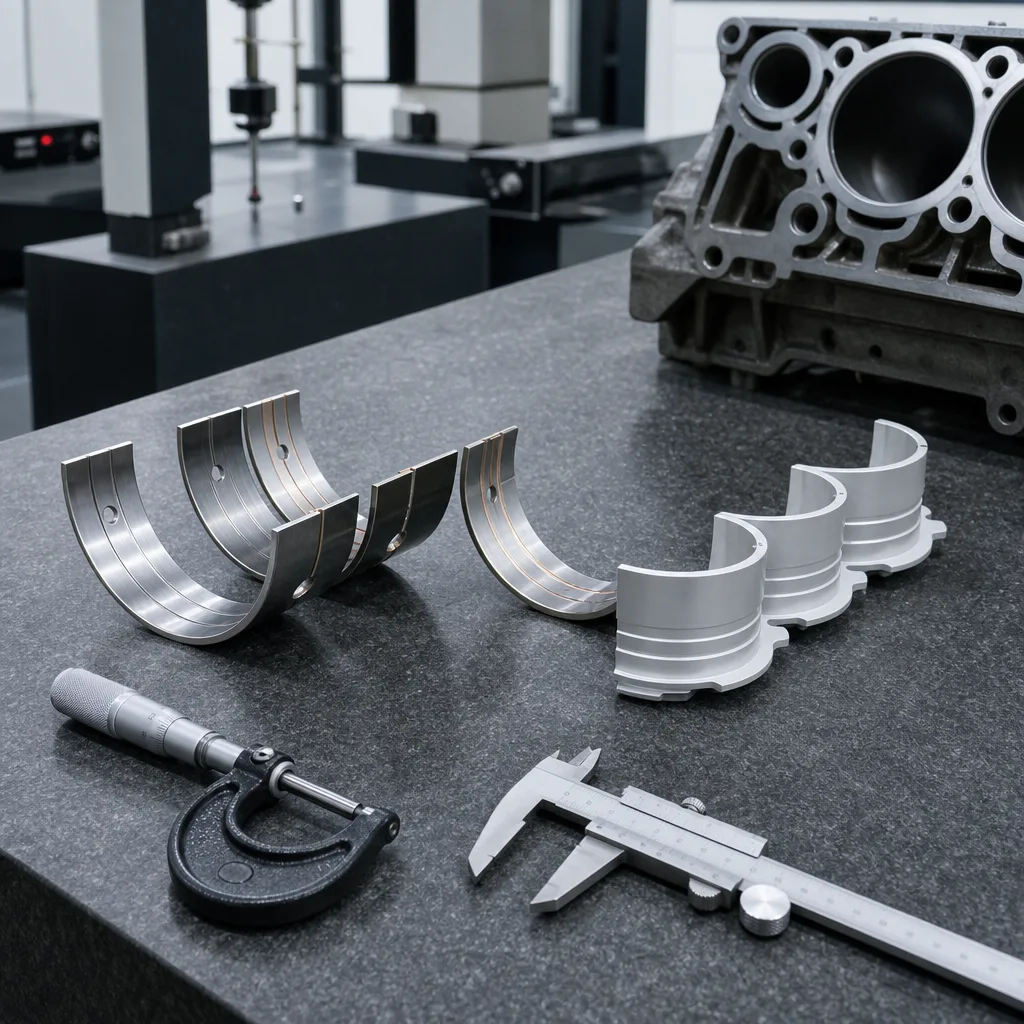
- Big-end bore and roundness: must match bearing shell size and housing distortion limits
- Small-end bore: check pin fit and surface finish
- Rod mass class: important for balance control in multi-cylinder engines
- Fastener type and torque method: torque-to-yield, reusable bolt, or specified stretch value
- Side clearance and cap mating: affects oil film and crankshaft loading
If you need a broader engine-family view, see our catalog and the engine range in engine components.
Dimensional checks and material requirements
Replacement rods should be assessed as controlled mechanical parts, not generic castings. A procurement file should include the base material, heat treatment route, and dimensional inspection data for each production lot. For this type of part, the most relevant controls are consistency and traceability.
Typical verification points
| Item | What to verify | Why it matters |
|---|---|---|
| Centre distance | Match to OE specification | Controls compression ratio and valve timing geometry indirectly through assembly compatibility |
| Big-end bore | Diameter, roundness, and bore distortion | Affects bearing clearance and oil film stability |
| Small-end bore | Pin fit and bush condition | Prevents pin seizure and noise |
| Rod weight | Mass and balance class | Reduces vibration spread between cylinders |
| Fasteners | Grade, torque, and stretch behaviour | Prevents cap separation and fatigue failure |
| Surface condition | Shot peening, finish, and crack-free inspection | Improves fatigue resistance |