Connecting Rod for Dodge Challenger Replacement: Buyer Guide
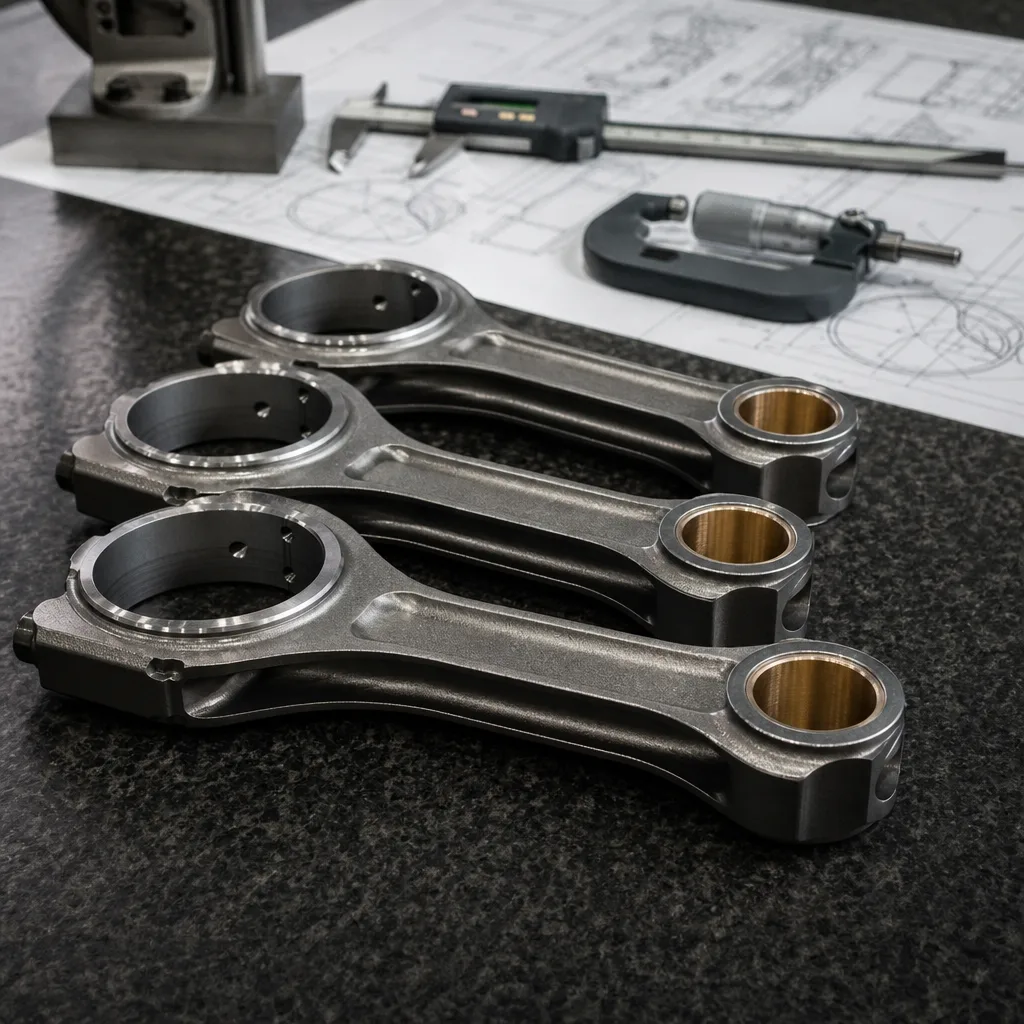
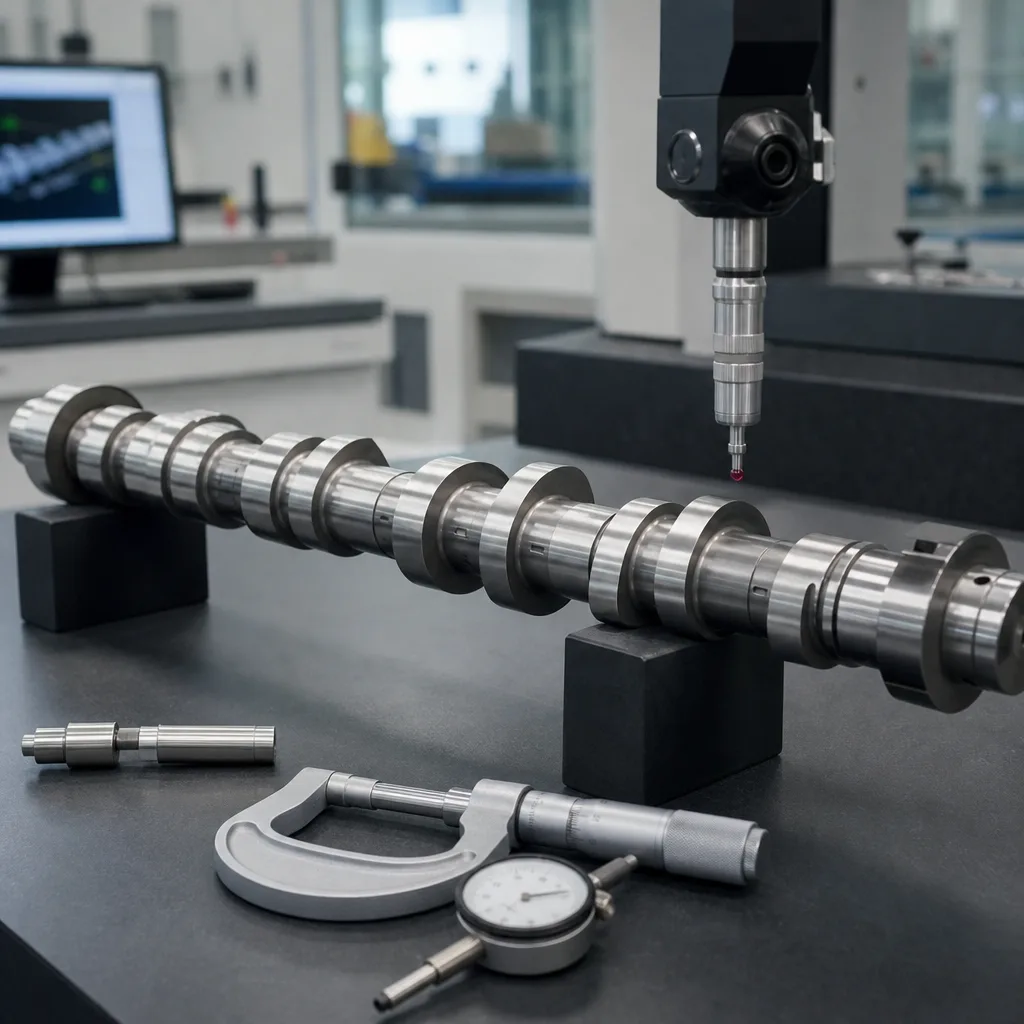
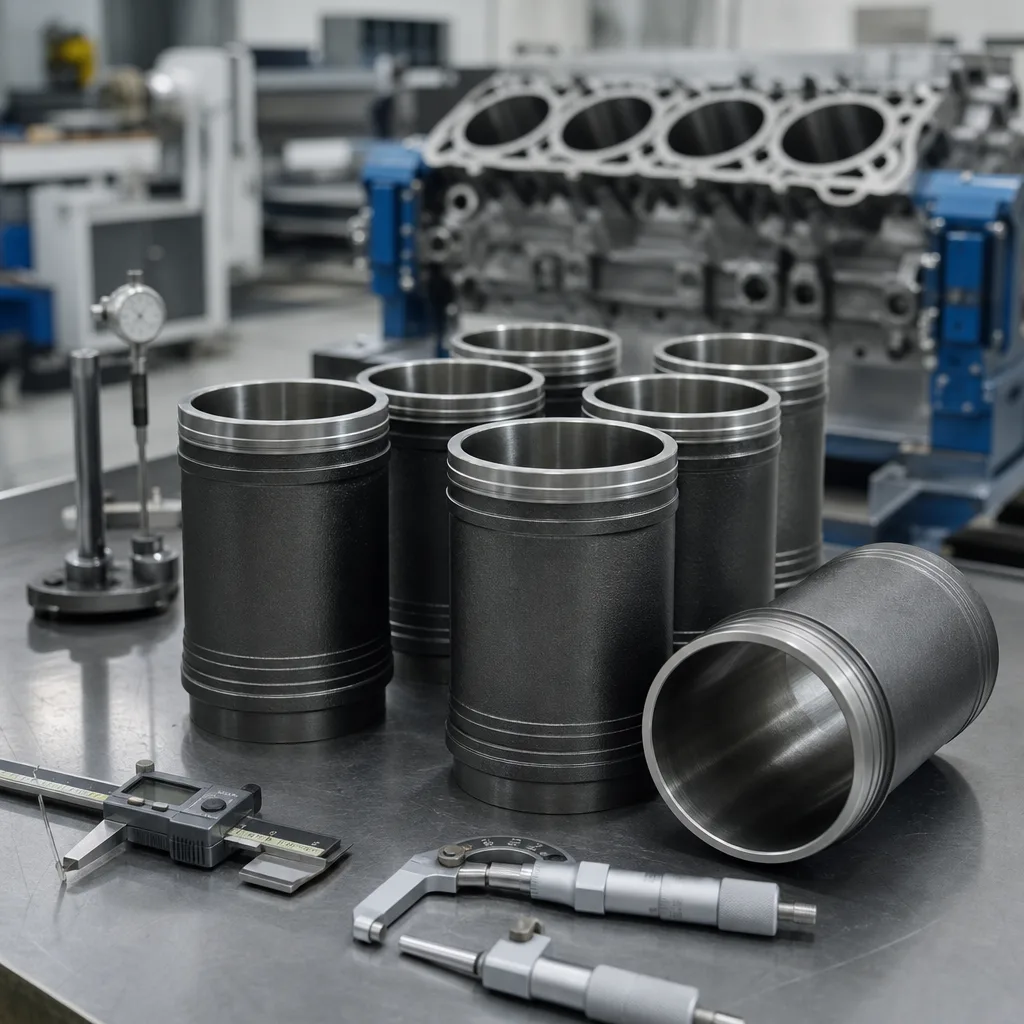
When sourcing a connecting rod for Dodge Challenger replacement, the main task is to match the original geometry, material class, and assembly method to the engine family in service. Procurement teams should confirm bore size, centre-to-centre length, big-end and small-end widths, bolt specification, and any floating-pin or press-fit requirement before ordering. For aftermarket supply, visual similarity is not enough; dimensional match and batch traceability matter. Driventus supplies engine components for B2B replacement programmes and validates parts against drawing control, metallurgical checks, and inspection records. Driventus is an independent aftermarket manufacturer; brand names are referenced for fitment only. We support buyers who need repeatable fitment, documented quality controls, and stable lead times across export markets. If you are comparing suppliers, the right starting point is not price alone but OE-equivalent fitment, test data, and the paperwork required by your purchasing system.
What replacement buyers should verify first
A connecting rod replacement must match the engine variant, not only the vehicle model. Dodge Challenger applications cover several displacement and induction combinations, so buyers should confirm the engine code, piston pin arrangement, and rod bolt style before placing an order.
Key checks for procurement:
- Centre-to-centre length
- Big-end bore diameter and width
- Small-end bore or bushing specification
- Rod bolt thread, grade, and torque angle procedure
- I-beam or H-beam section, if the build requires a specific profile
- Cap alignment method and matched cap identification
- Surface treatment and shot-peening requirement
If the application uses OE 06A107065-style cross-reference logic in your internal system, treat that as a fitment reference only and confirm all measured dimensions against the engine drawing or teardown sample.
OE-equivalent fitment and dimensional control
For replacement work, OE-equivalent does not mean identical branding. It means the part meets the same functional envelope: length, mass range, bore geometry, and fastening integrity. A rod that is within visual resemblance but outside tolerance can affect piston height, bearing clearance, and balance.
| Item | What to confirm | Typical procurement note |
|---|---|---|
| Centre-to-centre length | Matches engine drawing | Avoid substitution by engine family alone |
| Big-end bore | Within bearing housing spec | Measure after cap torque |
| Small-end bore/bushing | Pin fit and oiling path | Check floating vs press-fit pin design |
| Bolt specification | Thread, stretch, seating | Use correct tightening procedure |
| Rod mass | Match set balance target | Request matched set values |
| Surface finish | Machined and deburred | Inspect parting line and chamfers |