clutch kit · 2026-06-18

Clutch Kit Volkswagen Wholesale: Sourcing Guide

Sourcing a clutch kit Volkswagen wholesale program is less about finding the lowest quote and more about controlling fitment, quality, and repeatability. Buyers need consistent pedal feel, correct torque transfer, verified spline engagement, and reliable pack-out across repeated orders. For distributors, repair networks, and Tier-1 buyers, the key checks are application coverage, material consistency, and factory traceability. Driventus is an independent aftermarket manufacturer; brand names are referenced for fitment only. We supply clutch kits from an integrated drivetrain parts base in Taizhou, Zhejiang, with production controlled under IATF 16949:2016 and ISO 9001:2015 systems. Compliance documentation also matters, especially for EU and UK import flows where REACH (EC) No 1907/2006 declarations may be required. The sections below outline what buyers should verify before placing a wholesale order, how to compare supplier options, and which technical details matter most for dependable replacement performance.

How to choose a Volkswagen clutch kit supplier

For a clutch kit Volkswagen wholesale program, the first decision is not price. It is whether the supplier can support the exact mix of fitment, documentation, and supply continuity your channel needs.

Start with the questions that change outcomes:

  • Which engine codes, transmission families, and OE cross-references are covered
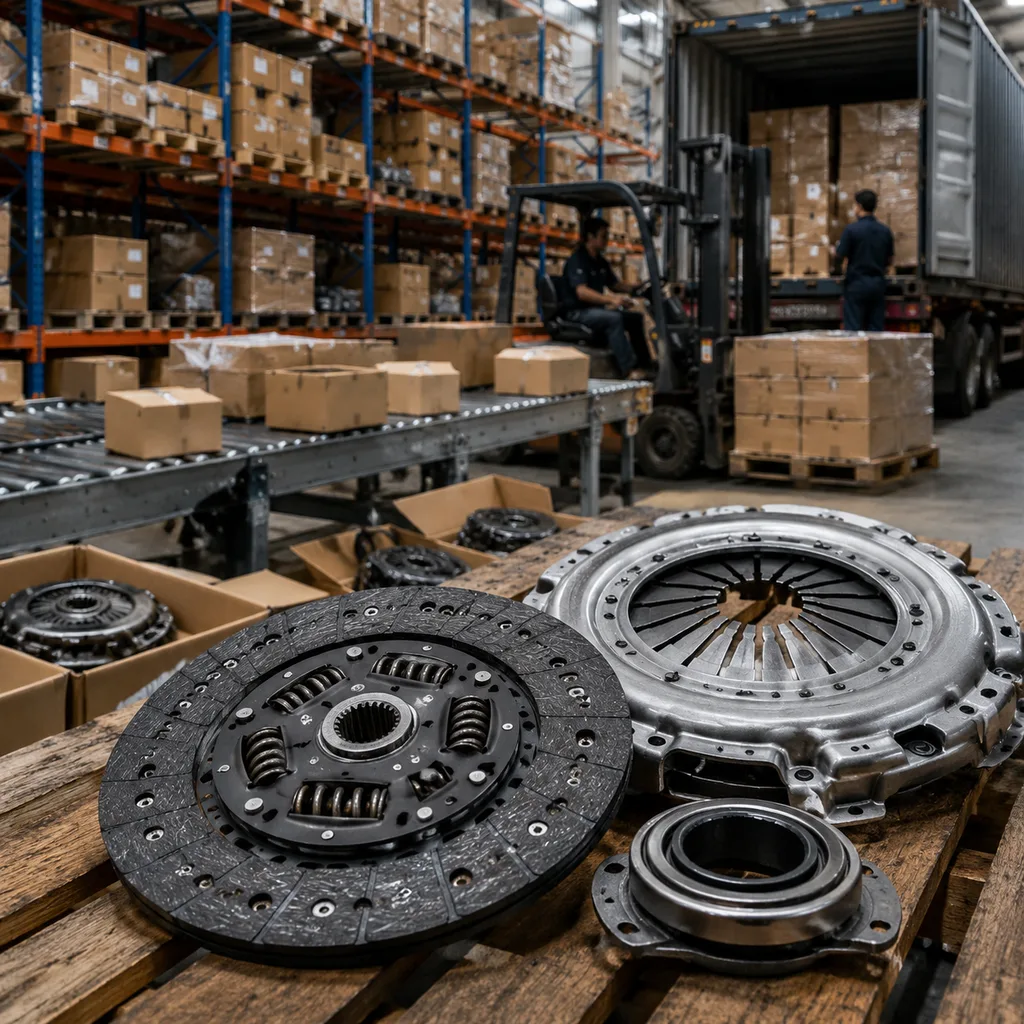
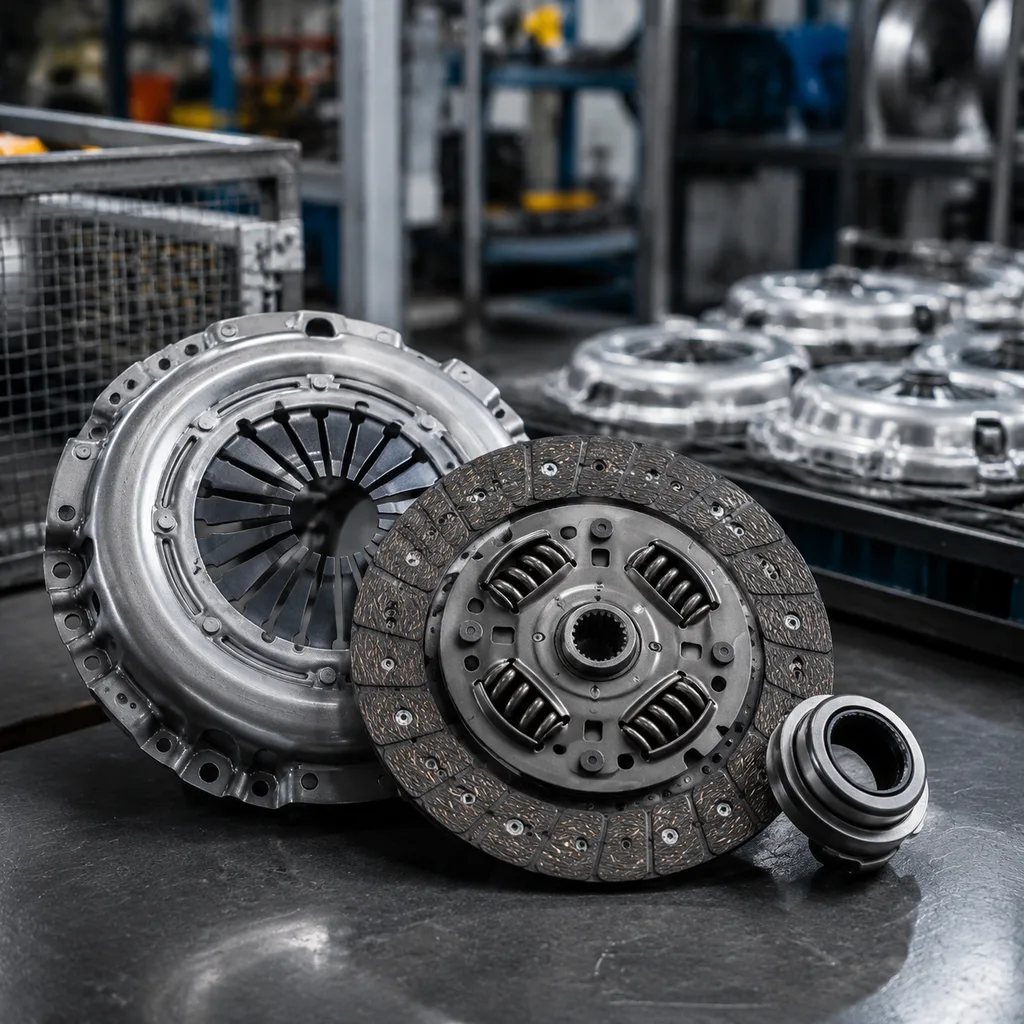
  • Whether the kit includes the cover assembly, driven plate, release bearing, pilot bearing, and alignment tool where applicable
  • What minimum order quantity applies per part number or mixed-SKU batch
  • How lead time changes for stocked items versus made-to-order items
  • Whether carton labels, barcodes, and packing lists match the customer’s warehouse process

A broad catalog is only useful if the fitment data is disciplined. In wholesale, a verified narrower range usually creates fewer claims than an oversized catalog with weak application control. For repair networks, repeatability matters more than one-off price. Procurement teams should also confirm whether the supplier can support document packs for customs, including commercial invoice data, material statements, and origin records. If you need broader drivetrain coverage, review our catalog and the related engine components range.

Failure modes buyers should screen out

Most sourcing problems show up after the first shipment, not before it.

A clutch kit should be treated as a dimensional and materials-controlled assembly, not as a generic box of parts. Common failure modes include:

</tr></thead><tbody> </tbody></table>Ask the supplier for dimensional records tied to the production lot, including first-article dimensions, in-process checks, and final inspection summaries. For Volkswagen coverage, OE references should be handled carefully; use cross-references such as OE 06A107065 only when the application data already cites them. Driventus does not claim vehicle-manufacturer approval or endorsement.

Spec checks that matter on purchase orders

The cleanest way to control wholesale quality is to turn the spec into an acceptance list.

Typical purchase-order controls include:

Failure mode Typical cause Procurement check
Hard pedal feelClamp load or release geometry drifts from validated sampleCompare sample force and release travel
Slip under loadFriction material mismatch or inconsistent lining cureConfirm lining spec and lot records
Chatter or vibrationCover runout, balance, or hub interface variationReview runout and balance data
Installation mismatchSpline, diameter, or hub profile errorVerify critical dimensions against OE data
Early noise or wearIncorrect release bearing design or internal clearanceConfirm bearing type and service envelope

</tr></thead><tbody> </tbody></table>The key is to connect each line item to an inspection method, not just a description. Dimensional tolerance alone is not enough if the production lot cannot prove consistency. Wholesale buyers should request lot-level inspection records and, where possible, a retained sample reference for repeat orders. That keeps incoming checks fast and objective.

Compliance documents and audit pack

Wholesale buyers usually need more than a fitment list. They need a supplier that can pass vendor onboarding and periodic audit checks. Driventus operates under IATF 16949:2016 and ISO 9001:2015, which supports controlled process flow, traceability, and corrective-action discipline.

Requested document pack items often include:

  • Certificate copies for IATF 16949:2016 and ISO 9001:2015
  • Material declaration support for REACH (EC) No 1907/2006
  • Inspection reports for key dimensions and assembly checks
  • Batch traceability records
  • Packaging and labelling specification sheets
  • PPAP-style evidence such as control plans, process flow charts, and sample inspection reports when required by the buyer

For buyers in the EU, UK, Canada, Australia, and Brazil, this paperwork reduces friction during import review and customer onboarding. If your internal supplier scorecard includes audit results, request process flow, control-plan summaries, and sample PPAP-style evidence where appropriate. You can also review our quality system before opening a supplier file.

Lead time, MOQ, and stock strategy

Wholesale programs fail when stock is uneven. The fix is to separate fast movers from low-volume special applications and plan each group differently.

A workable buying model looks like this:

  • Hold 4 to 6 weeks of cover for top-volume SKUs
  • Hold 8 to 12 weeks for slow-moving variants
  • Set reorder triggers from monthly issue rate, not guesswork
  • Define MOQ by SKU and by carton before launch
  • Keep sample lead time separate from mass-production lead time

For sample orders, buyers often need 3 to 7 working days if the item is stocked and 12 to 20 working days if a validation build or private-label pack-out is required. For repeat wholesale runs, standard manufacturing lead time is commonly 20 to 35 days after order confirmation, depending on material availability and carton specification. Price tiers should be tied to volume bands so the landed unit cost improves predictably as order size rises, while small pilots remain economical enough for validation.

For multi-location repair chains, service-level continuity is more important than the lowest landed unit price. For distributors, carton consistency and pallet efficiency affect handling cost. Driventus supports custom manufacturing through custom manufacturing when a buyer needs a special friction material, revised cover geometry, private-label pack-out, or market-specific bundle.

Lead time, MOQ, and stock strategy

Why direct factory supply changes the outcome

Direct factory sourcing improves control over price stability, documentation, and engineering response. A vertically integrated manufacturer can manage more of the process in-house, which helps with:

  • Shorter correction cycles when a fitment issue is identified
  • Better control over friction material and stamping consistency
  • Faster response for packaging or label changes
  • Clearer accountability across sample, production, and shipment stages

This matters in wholesale because returns are expensive. A part that looks acceptable on paper can still fail if spline fit, release height, or cover geometry drifts from the validated sample. Buyers should ask for pre-shipment inspection records and lot-identification rules. A practical acceptance process is to verify one golden sample against incoming stock, measure key dimensions on the first carton from each lot, and quarantine any batch that shows deviation beyond the agreed tolerance band. If your team is sourcing for regional distribution, keep one documented reference sample per SKU and verify any new batch against it before full release. When ready, request a quote with the target OE cross-reference, annual volume, and packaging requirement.

Frequently asked questions

Send the OE cross-reference, vehicle application, annual volume, packaging needs, and target market. If you have a sample or drawing, include that too. That helps confirm fitment and commercial terms faster.

Yes. Driventus offers custom manufacturing for label, carton, and kit-content changes where the application data is clear. Final specifications should be approved before production.

Yes. We can support quality certificates, traceability records, and material declarations needed for supplier onboarding and customs review, subject to the part and destination market.

If you are building a wholesale programme for Volkswagen-fit clutch kits, send your OE list and target volumes through /contact.html and we will review the best supply option.

Request a Quote
Check item Buyer requirement Why it matters
Driven plate diameterMatch OE specification within ±0.3 mmPrevents engagement and clearance errors
Spline count and hub profileExact fit; spline pitch tolerance typically within ±0.05 mm at critical interfacesAvoids installation failure
Clamp load and release travelWithin OE-equivalent range, commonly ±8% of validated sampleControls pedal feel and slip margin
Friction lining materialOrganic, reinforced organic, or ceramic blend as specifiedAffects wear and heat behaviour
Cover runout / balanceControlled to drawing requirement, often ≤0.20 mm runout unless application data states otherwiseReduces vibration and chatter
Bearing typeCorrect release bearing design and internal clearanceSupports service life and noise control