Clutch Kit Skoda Wholesale: Technical Sourcing Guide for Buyers
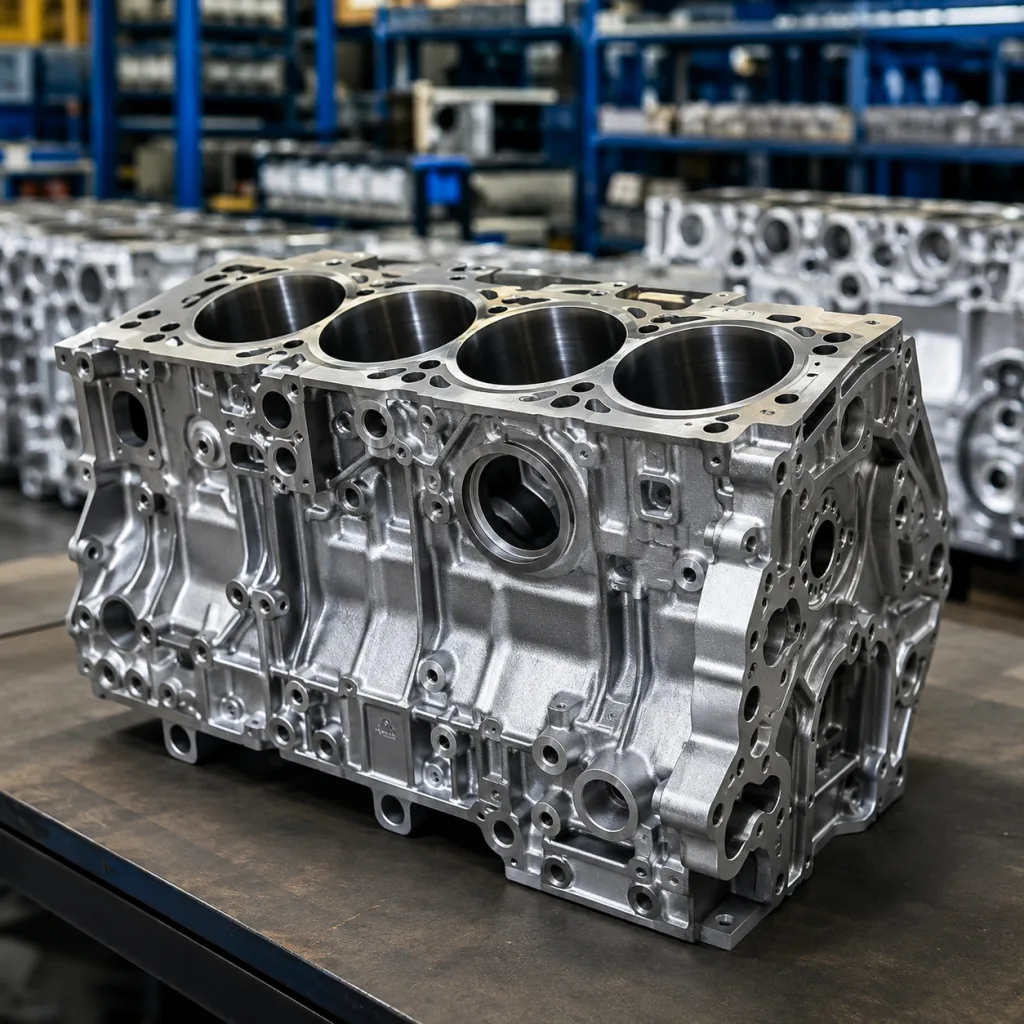
Buyers sourcing a clutch kit for Skoda applications need more than a part-number match. They need controlled dimensions, stable coefficient of friction, correct release-system geometry, and repeatable kit composition across replenishment orders. For distributors, wholesalers, importers, and repair-chain buyers, the main risks are clutch drag, slip under load, release noise, judder, hard pedal feel, and installation returns caused by weak fitment control or mixed components. A wholesale program also has to protect margin by reducing catalogue ambiguity, carton damage, missing bearings or CSC units, and slow-moving inventory tied to incorrect applications. Driventus supplies clutch kits from a vertically integrated plant in Taizhou, Zhejiang, with production aligned to IATF 16949:2016 and ISO 9001:2015. Driventus is an independent aftermarket manufacturer; Skoda and other vehicle brand names are referenced for fitment identification only. This article explains what to verify before placing a wholesale order, how to compare supply options, and which documents to request from a factory before committing to volume. It also shows where OE cross-references, dimensional drawings, sample approval, batch inspection, and packaging controls matter most in a B2B sourcing workflow for clutch kit Skoda wholesale procurement.
What wholesale buyers should check first
A wholesale clutch program should start with application control, not price comparison. Skoda applications vary by model, platform, engine code, transmission family, flywheel configuration, release bearing design, and production year. A kit that looks correct in a catalogue may still cause installation trouble if the disc hub offset, diaphragm-spring installed height, cover bolt pattern, or bearing contact face does not suit the intended vehicle range.
For a clutch kit Skoda wholesale order, confirm the complete application list before discussing MOQ. At minimum, your supplier should be able to verify:
- Vehicle model and platform coverage, such as Fabia, Octavia, Superb, Rapid, Roomster, Yeti, Karoq, Kodiaq, or Scala where applicable.
- Engine code and displacement, especially where petrol and diesel versions use different torque capacity and damper configurations.
- Transmission code or gearbox family, because spline count, input-shaft diameter, and release-system layout can differ even within the same model name.
- Driven disc outside diameter, spline count, spline major/minor diameter, hub profile, hub offset, and damper spring layout.
- Pressure plate type, cover height, bolt-circle diameter, dowel-hole position, diaphragm spring geometry, clamp-load target, and release travel range.
- Release bearing or concentric slave cylinder type, including whether the kit includes a mechanical bearing, hydraulic bearing, CSC assembly, or excludes release parts entirely.
- Flywheel type, particularly whether the application uses a single-mass flywheel, dual-mass flywheel, or a conversion kit.
Wholesale buyers should also define the commercial scope early. A distributor buying for national stock may need broad coverage across fast-moving Skoda service parts, while a repair-chain buyer may need fewer references with stronger reorder stability. Ask for MOQ by reference, production lead time, sample lead time, pieces per export carton, carton gross weight, pallet loading quantity, and the supplier's normal sample-approval policy. A low unit price has little value if the factory cannot repeat the same specification across future batches.
Finally, check whether the supplier understands independent aftermarket compliance language. OE numbers and vehicle brand names should be used only for fitment identification. They should not be presented as vehicle manufacturer approval, endorsement, or genuine-part status unless formal authorization exists.
Technical specification points that affect fitment
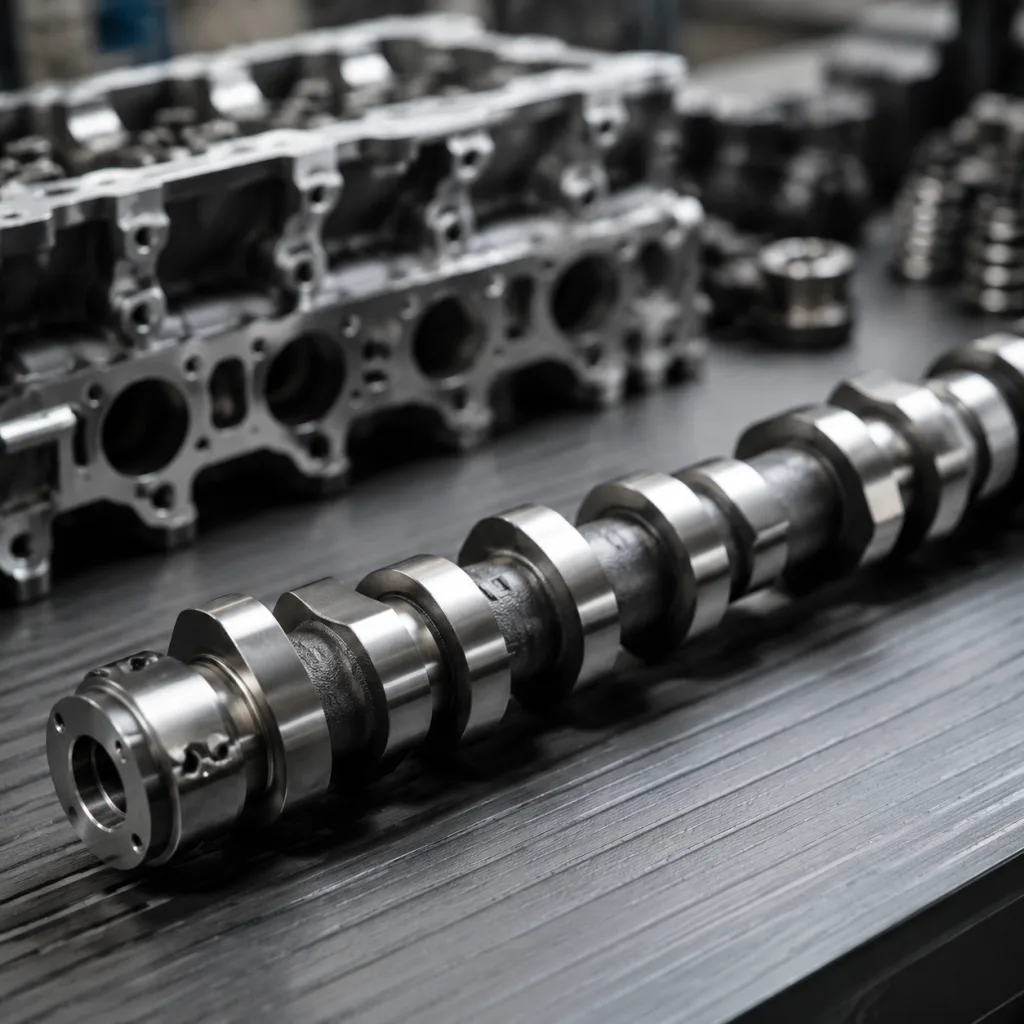
Clutch kit fitment depends on the relationship between all components in the driveline interface. The pressure plate, driven disc, release bearing, flywheel, crankshaft pilot support where applicable, and transmission input shaft must work together within controlled dimensional ranges. When one component is outside specification, installers may experience hard shifting, clutch drag, slip under load, release noise, pedal pulsation, or judder during engagement.
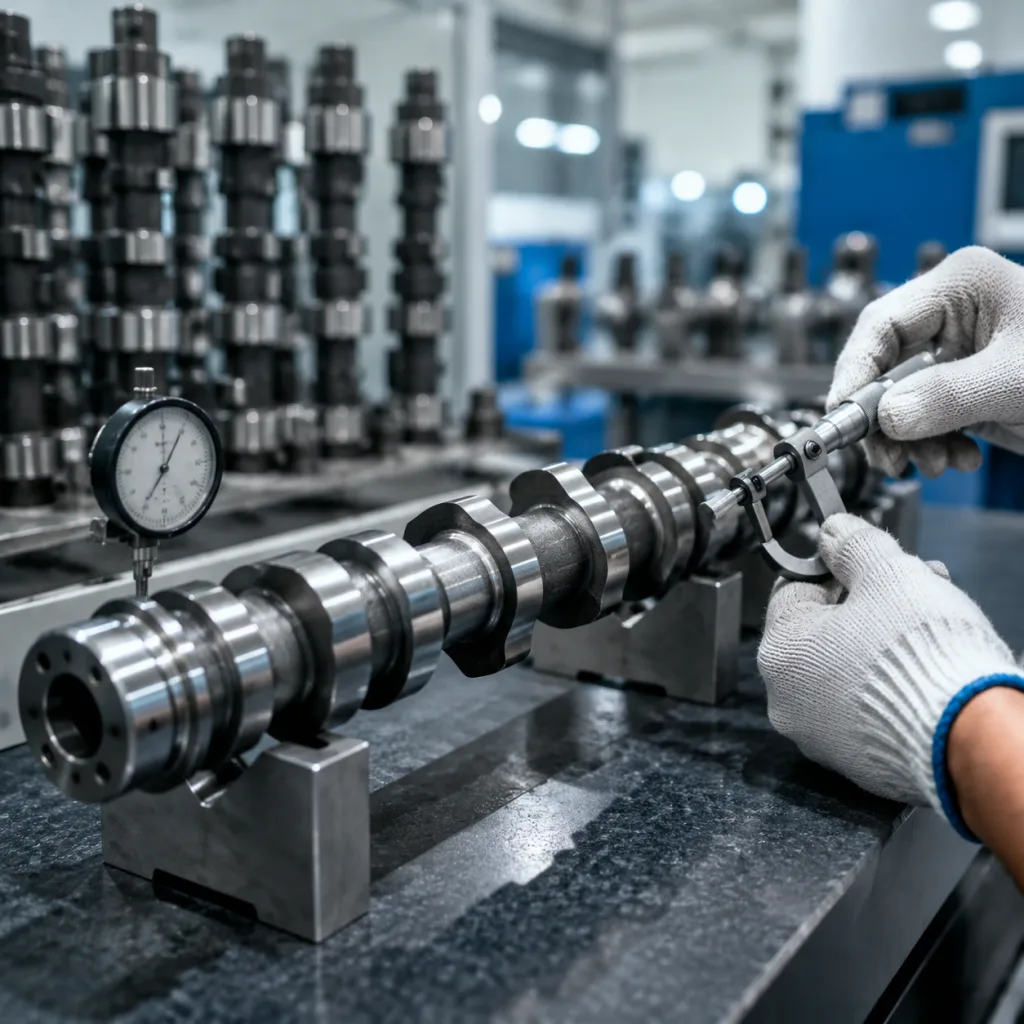
The driven disc is usually the first component buyers inspect, but it should not be judged by diameter alone. Confirm the outside diameter, spline count, spline major and minor diameter, hub offset, damper spring arrangement, facing thickness, rivet head clearance, and axial/lateral runout. As a sourcing benchmark, many passenger-car clutch discs are controlled to low millimetre-level runout limits; buyers should ask the supplier to state the actual acceptance criteria used for the part number rather than accept a generic “within tolerance” claim. The friction material should match the torque profile and duty cycle of the intended Skoda application. A material with excessive bite can cause judder and harsh engagement; a material with weak fade resistance can glaze or slip prematurely in city driving, taxi, delivery, or fleet use.
The pressure plate deserves the same level of scrutiny. Buyers should request data for clamp load, pressure-ring flatness, cover height, diaphragm spring finger height, release-load curve, bolt-hole position, and dynamic balance. Clamp load must be high enough for engine torque with reserve for wear and heat, but not so high that pedal effort or release-bearing load becomes excessive. If the pressure plate does not hold consistent clamp force after heat cycling, the kit may pass visual inspection but fail in repeated stop-start operation. For diesel applications and vehicles used in commercial service, torque reserve, thermal stability, and damper tuning are especially important.
Release components are another common source of returns. A bearing with the wrong face profile, installed height, internal clearance, or hydraulic connection can create noise, incomplete disengagement, leakage, or installation delays. Where a concentric slave cylinder is included, buyers should confirm seal material, hydraulic port design, mounting points, stroke range, bleed connection, and compatibility with the specified transmission. If the kit excludes the release bearing or CSC, the catalogue data, quotation, and carton label should make that clear so repair shops do not expect a complete set.
Good suppliers should be able to provide a technical drawing or specification sheet showing the critical dimensions for each kit. For wholesale approval, the drawing does not need to disclose friction-material formulation or proprietary process data, but it should provide enough information for your technical team to compare samples against OE cross-reference data, incoming inspection gauges, and known aftermarket benchmarks.
How Driventus supports wholesale sourcing
Driventus supports wholesale buyers by combining clutch kit manufacturing, application matching, export packaging, and documentation into a repeatable sourcing process. For buyers managing Skoda aftermarket demand, the goal is to reduce the time spent coordinating separate component suppliers and to maintain consistent kit composition from one purchase order to the next.
The Driventus production base in Taizhou, Zhejiang, is vertically integrated for clutch-related manufacturing and operates with quality systems aligned to IATF 16949:2016 and ISO 9001:2015. This structure supports process control across pressure plates, driven discs, clutch assemblies, inspection, and packing. For B2B customers, that matters because the second and third orders must match the approved sample in disc specification, pressure plate geometry, release component selection, label content, and carton configuration.
Driventus can support sourcing discussions around application lists, OE cross-reference review, sample confirmation, MOQ planning, lead time, carton configuration, private-label requirements, and export documentation. For distributors, the company can help organize references by fast-moving vehicle applications so the first order is commercially realistic rather than overextended. For established importers, Driventus can review neutral packing, carton artwork, part labels, barcode placement, palletization, shipping marks, and reference-number presentation.
The sourcing process works best when the buyer provides a target reference list, annual volume estimate, destination market, preferred packaging format, and any known return issues from current suppliers. Useful return data includes photos of failed parts, mileage at failure, vehicle engine code, transmission code, installation notes, and batch number if available. Driventus can then confirm which kits are available, which references require additional validation, and which items may need sample review before mass production. This keeps the quotation grounded in real applications rather than broad catalogue coverage.
Because Driventus is an independent aftermarket supplier, all Skoda, OE, and vehicle manufacturer references are used for compatibility identification only. This protects the buyer's catalogues, invoices, marketplace listings, and carton labels from misleading approval claims.
Quality control and validation before shipment
A clutch kit should be inspected as an assembled service solution, not as three unrelated parts placed in the same carton. Before shipment, the supplier should confirm that each kit includes the correct pressure plate, driven disc, release bearing or CSC where specified, alignment tool if agreed, installation notes if required, and the correct label for the application. Mixed-kit errors are expensive in wholesale channels because they are often discovered only after the product reaches a repair shop.
Quality control for clutch kit Skoda wholesale supply should include incoming material checks, in-process dimensional control, assembly inspection, functional checks, and final packing review. Key inspection points include disc runout, spline gauge fit, facing thickness, rivet condition, damper spring security, hub movement, pressure-ring flatness, diaphragm spring finger height, clamp-load consistency, release-bearing rotation smoothness, CSC leakage where applicable, and visible surface defects. Dynamic balance control is also important because vibration complaints can damage buyer confidence even when the part technically mounts to the vehicle.
Validation should extend beyond measurement. A responsible supplier should be able to explain how friction performance, heat resistance, burst strength, release function, and durability are tested or verified. Relevant checks may include clamp-load testing, release-load and travel measurement, disc torsional-damper testing, spin or burst testing, bearing noise/rotation checks, and friction-material performance review under heat. Not every order requires a full validation package, but wholesale buyers should understand the supplier's standard testing capability and the level of documentation available for higher-risk applications.
Before shipment, request inspection evidence tied to your purchase order or production batch. Useful records may include a pre-shipment inspection report, sample measurement sheet, batch traceability record, material or process control record where available, carton label proof, packing photos, and container loading photos. For private-label orders, approve the carton artwork and shipping marks before mass packing begins. Small mistakes in labels, barcodes, kit-content descriptions, or OE cross-reference text can create warehouse confusion and customer-service costs.
Packaging validation also matters. Clutch kits are heavy, and damage to the pressure plate cover, bearing face, CSC port, or disc hub can make a visually new product unusable. Export cartons should hold components securely, protect machined surfaces with suitable anti-rust treatment, and withstand pallet handling during sea or rail freight. Buyers should confirm inner dividers, hub protection, bagging or VCI protection where required, carton board strength, gross weight per carton, pallet stacking pattern, stretch film, corner protection, and moisture protection for long transit routes.
Comparing supplier options for the Skoda channel
When comparing suppliers, look beyond the quoted unit price. A cheaper clutch kit can become expensive if it increases installation returns, creates fitment disputes, or forces your team to hold excess inventory because MOQ is poorly matched to market demand. For the Skoda channel, the strongest supplier is usually the one that combines accurate application data, controlled production, practical MOQ, and clear technical communication.
Catalogue breadth is important, but it should be verified. Some suppliers list wide Skoda coverage while relying on incomplete cross-references or generic kit matching across related Volkswagen Group platforms. Ask which references are current production items, which are development items, and which require sample confirmation. For fast-moving models, check whether the supplier can maintain stock or predictable production slots. For slower references, ask whether they can consolidate production with related platform applications where the disc, cover, and release system are genuinely identical, not merely similar.
Evaluate each supplier against practical B2B criteria:
- Fitment accuracy: Can they confirm OE cross-references, engine codes, gearbox notes, dimensions, and kit contents?
- Manufacturing control: Do they produce key components in-house or rely on variable outside assembly and repacking?
- Quality documentation: Can they provide inspection records, batch traceability, and defined acceptance criteria for each part number?
- Commercial reliability: Are MOQ, payment terms, sample timing, production lead time, and reorder conditions clear?
- Packaging capability: Can they support neutral packing, private label, barcode labels, carton artwork, pallet labels, and export carton requirements?
- Communication speed: Do they respond with technical answers, drawings, and application notes, or only with price sheets?
- After-sales handling: Is there a process for reviewing claims with photos, installation notes, vehicle data, mileage, and batch information?
A strong supplier should also help you avoid overbuying. The first wholesale order should usually focus on proven, serviceable references with clear demand, validated application data, and low fitment ambiguity. Once sample approval and field feedback are positive, the buyer can expand the range. This staged approach is especially useful when entering a new market or replacing an incumbent supplier with a different specification.
For importers and distributors, the best long-term value often comes from fewer surprises: consistent carton content, repeatable pedal feel, accurate labels, realistic lead times, stable reorder pricing, and a technical contact who can resolve application questions before the goods leave the factory.
What to request before placing a volume order
Before approving a volume order, create a document checklist and connect every item to a commercial decision. The purpose is not to collect paperwork for its own sake; it is to reduce uncertainty around fitment, production repeatability, claim handling, and sell-through. For clutch kit Skoda wholesale sourcing, the strongest approval process combines technical confirmation, sample testing, packaging review, and clear order terms.
Request the following before committing to bulk production:
- A complete quotation showing supplier part number, kit contents, application range, MOQ, unit price, tooling or artwork charges if any, lead time, payment terms, Incoterms, and validity period.
- OE cross-reference list used for fitment identification, with a note that references are for compatibility only.
- Technical drawings or dimensional sheets for the driven disc, pressure plate, and release bearing or CSC.
- Sample approval units from the same intended production specification and packaging format.
- Inspection report or sample measurement record covering critical dimensions, clamp-load or release-function data where available, and visible quality.
- Quality-system certificates, such as IATF 16949:2016 and ISO 9001:2015 where applicable.
- Packaging specification, including inner protection, carton size, gross weight, net weight, pieces per carton, pallet quantity, label layout, barcode format, and shipping marks.
- Private-label artwork proof or neutral-pack confirmation if required.
- Batch traceability method and claim-handling process, including required evidence for warranty review.
- Export document requirements, including commercial invoice, packing list, bill of lading data, certificate of origin if needed, and any destination-market compliance documents.
Once samples arrive, inspect them as your customers would. Confirm the kit contents, compare dimensions against the drawing, check spline fit with the correct gauge or input-shaft reference, review label accuracy, check carton durability, and if possible arrange installation or bench validation through a qualified technical partner. Record the approved sample number, photos, drawings, carton proof, and packaging specification so future shipments can be compared against the same standard.
A final purchase order should state the approved part numbers, kit contents, packaging format, shipment terms, delivery schedule, inspection requirements, and agreed documentation. Clear written confirmation prevents avoidable disputes and gives both sides a reference point for repeat orders. For buyers building a long-term clutch program, this discipline is what turns a one-time purchase into a stable wholesale supply line.
Frequently asked questions
Check engine code, transmission code or gearbox family, disc diameter, spline count, hub offset, pressure plate height, release bearing or CSC type, flywheel type, and OE cross-reference. Ask for dimensional drawings, sample approval units, and inspection data before bulk approval.
Yes. Custom pack format, carton labelling, barcode placement, shipping marks, pallet labels, and part-number presentation can be defined through the manufacturing brief. Use the contact process to confirm MOQ, artwork requirements, sample timing, and lead time.
No. OE cross-references indicate fitment comparison only. Driventus does not claim endorsement, approval, or genuine-part status from Skoda or any vehicle manufacturer.
For application matching, volume pricing, and document review, please request a quote at /contact.html.
Request a Quote