clutch kit · 2026-06-18

Clutch Kit Peugeot Wholesale: Supplier Buying Guide

Buying a clutch kit Peugeot wholesale is a sourcing decision, not a catalogue exercise. The real test is whether the kit fits the exact Peugeot application, ships on time, and stays consistent across repeat orders. That means checking OE references, gearbox codes, dimensional tolerances, and traceable production records before price enters the conversation. Driventus is an independent aftermarket manufacturer; brand names are referenced for fitment only. We supply B2B customers in the EU, UK, US, Canada, Australia, and Brazil with parts built under IATF 16949:2016 and ISO 9001:2015 controls. This article walks through the checks that matter, the failure modes that cause claim risk, and the commercial terms that separate a dependable supplier from a polished quote.

How to qualify a Peugeot clutch kit supplier

For a `clutch kit peugeot wholesale` order, start with proof of fitment and proof of control. Price matters, but only after the supplier can show the exact OE reference, engine and gearbox application, kit contents, and export-ready packaging.

Use this as the minimum qualification list:

  • OE reference matched to the exact application, where available
  • Kit scope confirmed: clutch disc, cover assembly, release bearing, and pilot bearing if specified
  • Disc outer diameter, spline count, and hub thickness tolerance
  • Friction lining thickness, rivet depth, and diaphragm spring height target
  • MOQ, standard lead time, and carton quantity
  • Country of origin, HS code support, and labelling format

Ask for the nominal dimension and allowable variation on every critical feature. A buyer should not infer tolerances from marketing copy or catalog blurbs. For a typical Peugeot passenger-car programme, request the factory’s tolerance sheet, the sampling method, and the inspection tool used for each feature.

A practical first-pass threshold looks like this: disc outer diameter within ±0.3 mm, cover mounting-hole positional tolerance within ±0.2 mm, and axial runout below 0.30 mm unless your OE spec says otherwise. Spline fit should be verified against the gearbox code, not just the badge or model name.

Before volume approval, request first article samples and a fitment matrix by model year and gearbox code. If one OE number maps to several unverified applications, the risk usually lands in your receiving bay later.

Where clutch kits usually fail

Wholesale programmes usually break in the same places: fitment mismatch, inconsistent clamp load, weak packaging, and poor application mapping. Those failures are preventable, but only if the buyer reviews the right evidence early.

Typical failure modes include:

  • Wrong gearbox spline or hub offset
  • Cover pattern that matches visually but not dimensionally
  • Uneven release height between batches
  • Friction compound that varies by production lot
  • Bearing type mismatch for hydraulic or mechanical systems
  • Transit damage caused by weak cartons or missing corrosion protection

The most common commercial mistake is treating Peugeot as a single fitment family. Two vehicles can share a badge and still differ by engine code, gearbox code, build date, and release system. If the supplier is vague on those points, expect installation problems.

A useful sanity check is to compare sample parts against a master part before approval. Measure disc diameter, spline major diameter, hub offset, and cover bolt pattern. Then confirm release system compatibility, including hydraulic slave travel where applicable. If the physical part and the paperwork disagree, stop there and revalidate the reference.

Failure analysis should also include packaging. Weak inner protection, poor carton strength, or missing desiccant can turn a good part into a claim. For export orders, packaging is part of product quality, not an afterthought.

Specification comparison that actually helps

Comparing clutch kits works best when the comparison is technical, not promotional. Ask each supplier for the same data pack and line up the numbers side by side.

</tr></thead><tbody> </tbody></table>The strongest comparison sheets include actual values, not only pass/fail language. Disc outer diameter, lining thickness, spring wire diameter, diaphragm finger height, bolt torque range, and inspection frequency are all more useful than broad quality claims. If one factory says “100% inspection” and another says it verifies clamp load at 1,000 N on each lot, the second answer is far easier to audit.

For multi-channel distribution, keep one approved specification sheet per OE number and one deviation log for every approved alternate. That prevents warehouse, sales, and QC teams from shipping the wrong variant by accident.

Quality controls that lower claim risk

A stable clutch programme depends on process control. The factory should operate under IATF 16949:2016 and ISO 9001:2015, with incoming inspection, in-process checks, and final audits tied to lot numbers.

Driventus uses controlled machining and assembly checks for repeatability across export orders. That matters because clutch performance depends on concentricity, flatness, spring rate, and friction consistency. Buyers should ask for:

  • Material certificates for friction facings and stampings
  • Incoming inspection records for bearings and riveted parts
  • Final dimensional inspection reports by lot, with sample size and acceptance limit
  • Traceability labels linking carton, batch, and production date
  • Corrosion and packaging confirmation for sea freight, including humidity protection when required

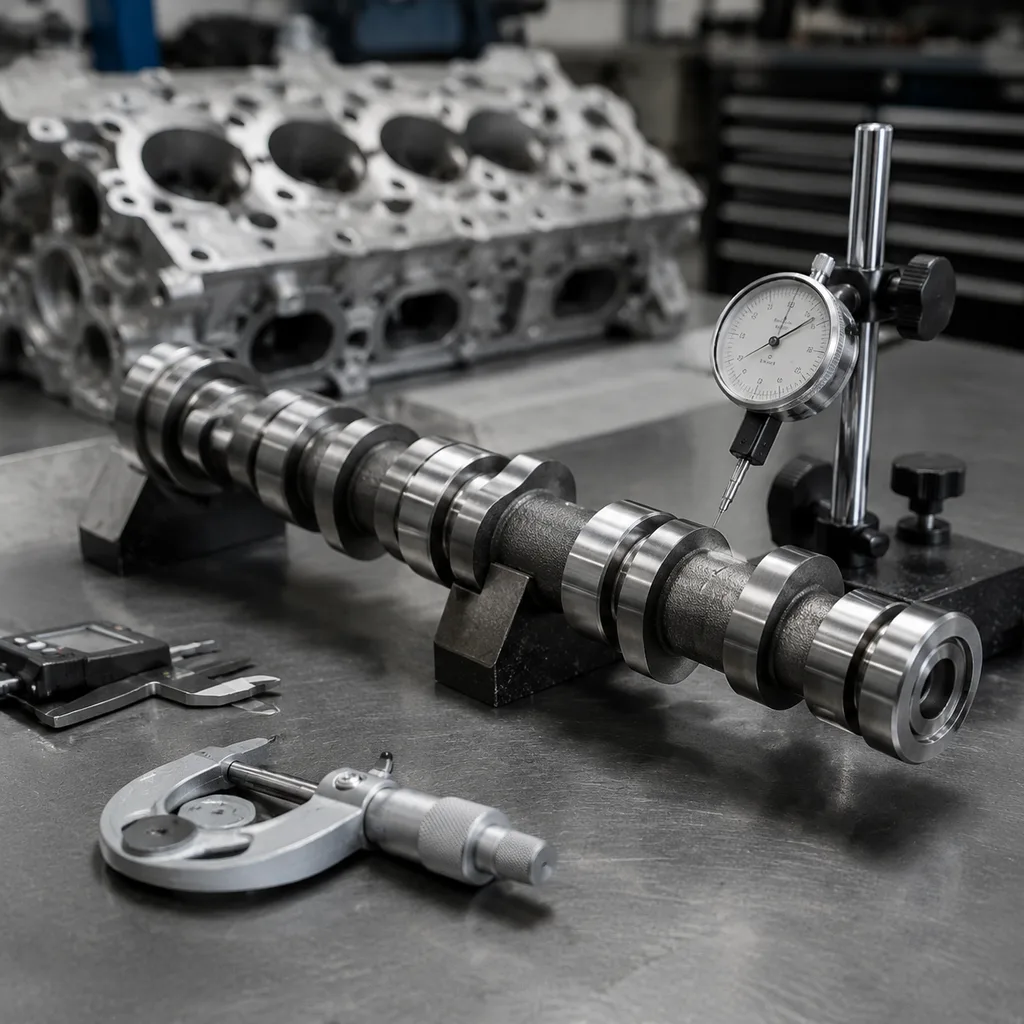
A quality file is only useful if it shows how the measurements are made. Ask whether the shop floor uses a CMM, dial-indicator fixture, or dedicated gauge set for runout and face-flatness checks. Request the recorded acceptance thresholds, not just a statement that the parts passed.

For regulated markets, confirm any required compliance documentation, including REACH (EC) No 1907/2006 for substances of concern. Keep the same file structure across shipments so customs, procurement, and QC teams review the same evidence set every time.

Fitment validation before you approve volume

Wholesale orders go wrong when application mapping is too broad. Peugeot platforms can differ by engine family, gearbox code, and build date even when the badge looks identical. OE part numbers are useful, but only as references that must be checked against the actual vehicle data.

Driventus is an independent aftermarket manufacturer; brand names are referenced for fitment only.

Use this validation sequence:

1. Confirm the OE reference, engine code, gearbox code, and build date. 2. Measure disc diameter, spline major diameter, hub offset, and cover pattern. 3. Check release system compatibility, including hydraulic slave cylinder travel where applicable. 4. Compare against an approved sample or master part. 5. Collect installation feedback from the distributor or workshop network.

Pilot testing should not be skipped. Before approval, test at least three units for fitment consistency. Watch for engagement point drift, pedal effort spread, chatter, and any sign of release bearing drag. If a part number is sold into multiple markets, write the regional differences into a controlled application sheet instead of leaving them in sales notes.

For performance validation, request bench data or field feedback on engagement smoothness, noise, and wear. If your account needs application-specific coverage, our custom manufacturing team can support private-label or modified configurations. A good RFQ should state the target torque range, duty cycle, and preferred friction characteristic so the factory can confirm whether the standard kit is enough or whether a modified spec is needed.

Commercial terms to lock in early

A reliable wholesale relationship is defined by service levels as much as by part quality. Buyers should agree on pricing bands, reorder points, and claim handling before the first container ships.

  • MOQ by SKU and mixed-SKU consolidation rules
  • Standard production lead time and peak-season extension risk
  • Sample lead time for new references
  • Warranty terms and failure classification process
  • Incoterms, palletisation, and export document pack
  • Replacement shipment policy for confirmed defects

Ask for three numbers on every quote: MOQ, tiered unit price, and confirmed lead time at each price tier. Then compare landed cost, not just the headline unit price. A cheaper part with a longer lead time or a much higher MOQ can be more expensive in practice.

A workable replenishment rule is to reorder when on-hand inventory drops below one planned lead-time cycle plus safety stock. For stable programmes, many buyers use 10%–15% of lead-time demand as a starting point, then adjust for forecast volatility. Confirm whether the supplier can hold raw material or finished goods for scheduled releases; that often matters more than a small discount.

For recurring programmes, ask for annual volume pricing tied to forecast windows. That helps reduce stock-outs without forcing excess inventory. If you are expanding coverage into related engine or drivetrain parts, review our catalog and our quality system before placing the order. When you are ready to source, request a quote with OE references, target annual volume, and destination market.

How Driventus runs wholesale programmes

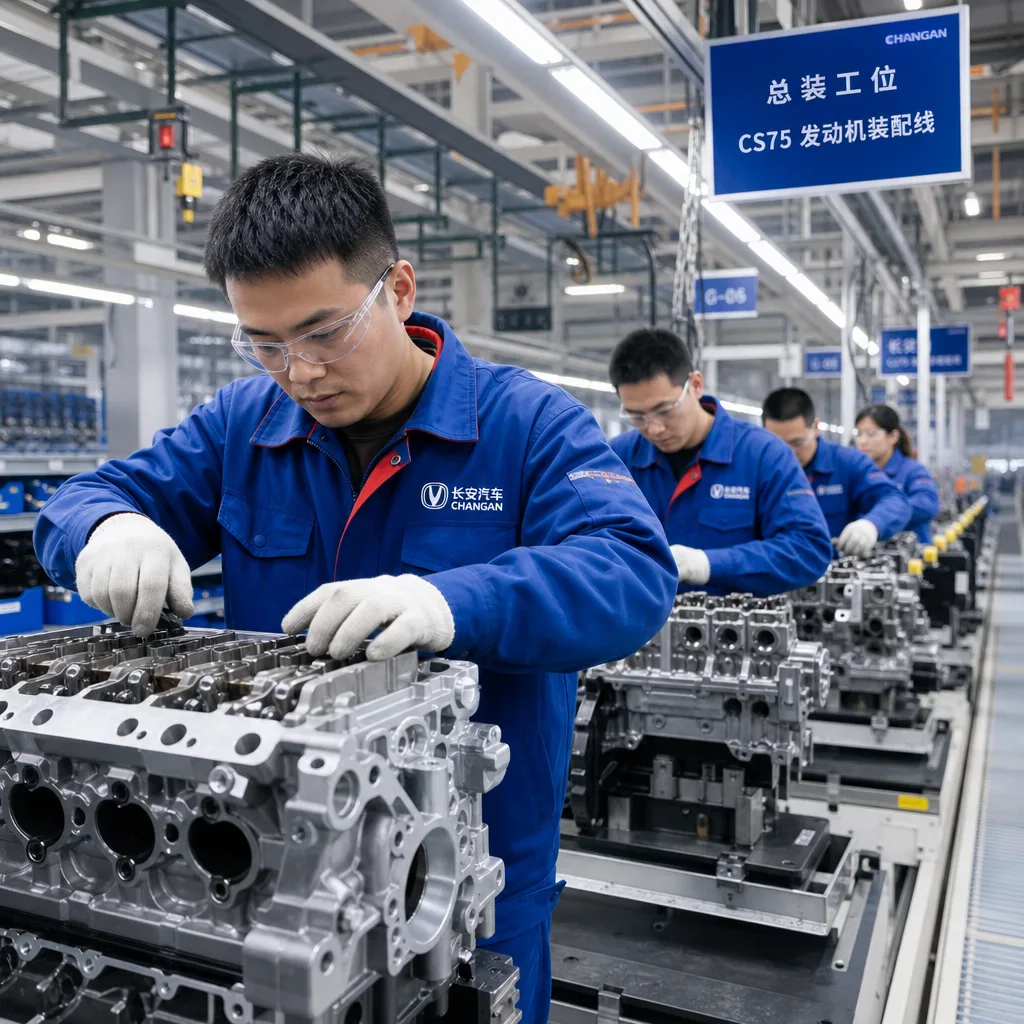
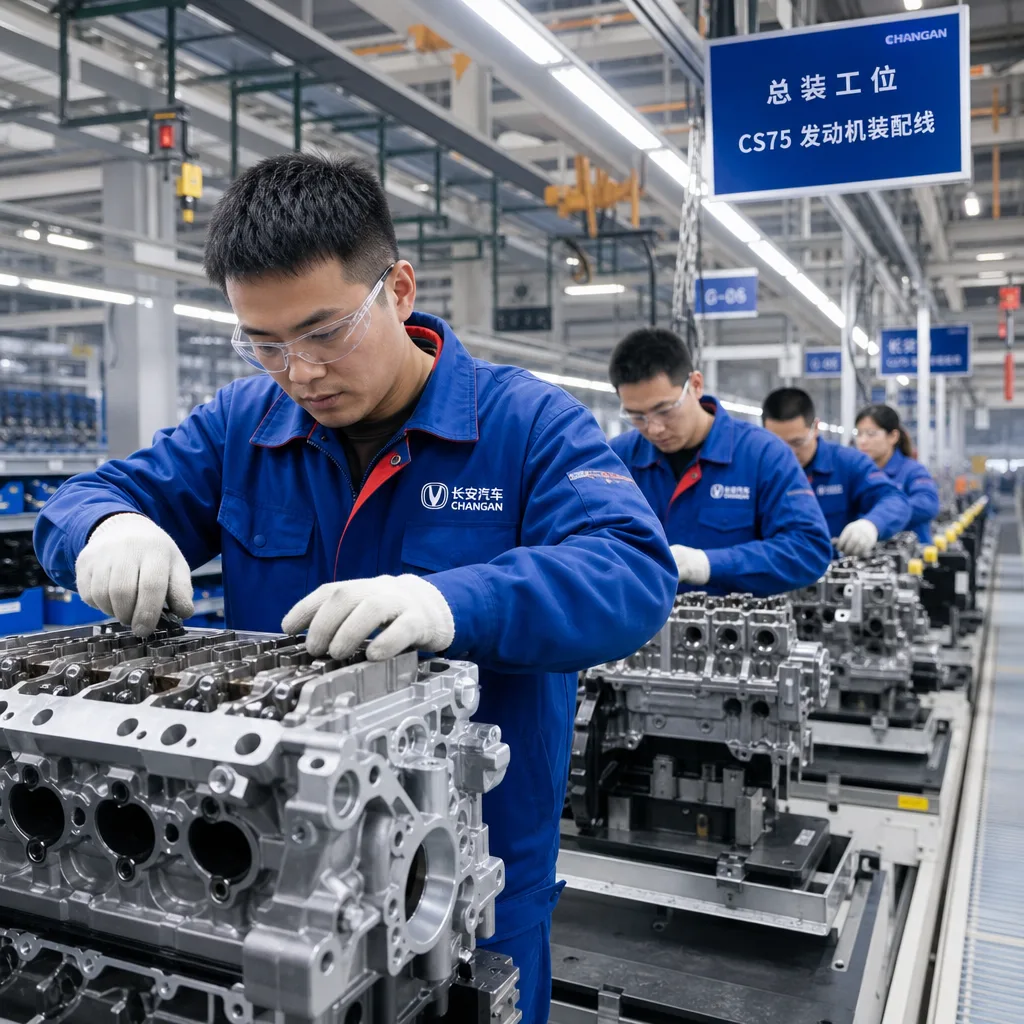
Driventus manufactures engine and powertrain components from Taizhou, Zhejiang, and exports to 60+ countries. For clutch kit programmes, the value is controlled production, documented inspection, and consistent export handling rather than one-off spot supply.

If you are building a broader Peugeot programme, you can combine clutch kits with related engine components through our catalog and, where needed, custom manufacturing. That helps distributors manage one supplier file, one audit path, and one QC contact across multiple part families.

Typical buyer requests we handle include:

  • OE cross-reference validation for new markets
  • Private-label packaging and carton marking
  • Mixed-container planning for regional distribution
  • Long-term replenishment programmes for repair chains

The sourcing workflow is straightforward. You send the OE list, target market, and annual forecast. We review the application, confirm whether the requested part is standard or custom, issue a technical check, and then quote MOQ, unit price, sample lead time, and production lead time separately. After sample approval, we lock the spec sheet, define the packaging standard, and confirm the batch traceability format before mass production.

When comparing suppliers, use the same data pack for each factory. The strongest partner is usually the one that can explain its spec sheet, inspection limits, and replenishment logic without changing the story between sample and shipment.

Frequently asked questions

Verify the OE reference, engine and gearbox code, disc diameter, spline count, kit contents, MOQ, and lead time. Ask for a sample, a dimensional sheet with tolerances, and a lot-traceable inspection record before volume release.

Yes. Production is controlled under IATF 16949:2016 and ISO 9001:2015. We also support export documentation, batch traceability, and compliance files for B2B buyers.

Yes. Our OEM and private-label programmes can support packaging, labelling, and specification changes after technical review and approval. We can also confirm MOQ, sample lead time, and production lead time for each request.

Send your OE references, target market, and annual volume, and we will prepare a sourcing proposal for review. Start here: /contact.html

Request a Quote
Item What to confirm Why it matters
Disc diameterMatch to OE dimension and confirm tolerance bandPrevents drag or slip
Spline count and major diameterMatch transmission input shaft and hub specAvoids installation failure
Facing materialOrganic, low-metallic, or specified compoundAffects torque capacity and pedal feel
Cover clamp loadSupplier test data at stated test heightControls holding capacity
Release heightMeasurement point and acceptable spreadAffects engagement feel
Runout / imbalanceDocumented inspection limit and sample sizeReduces noise and vibration
Release bearing typeHydraulic or mechanical application matchPrevents premature wear
PackagingExport carton strength, desiccant, and barcode formatLowers transit damage and receiving errors