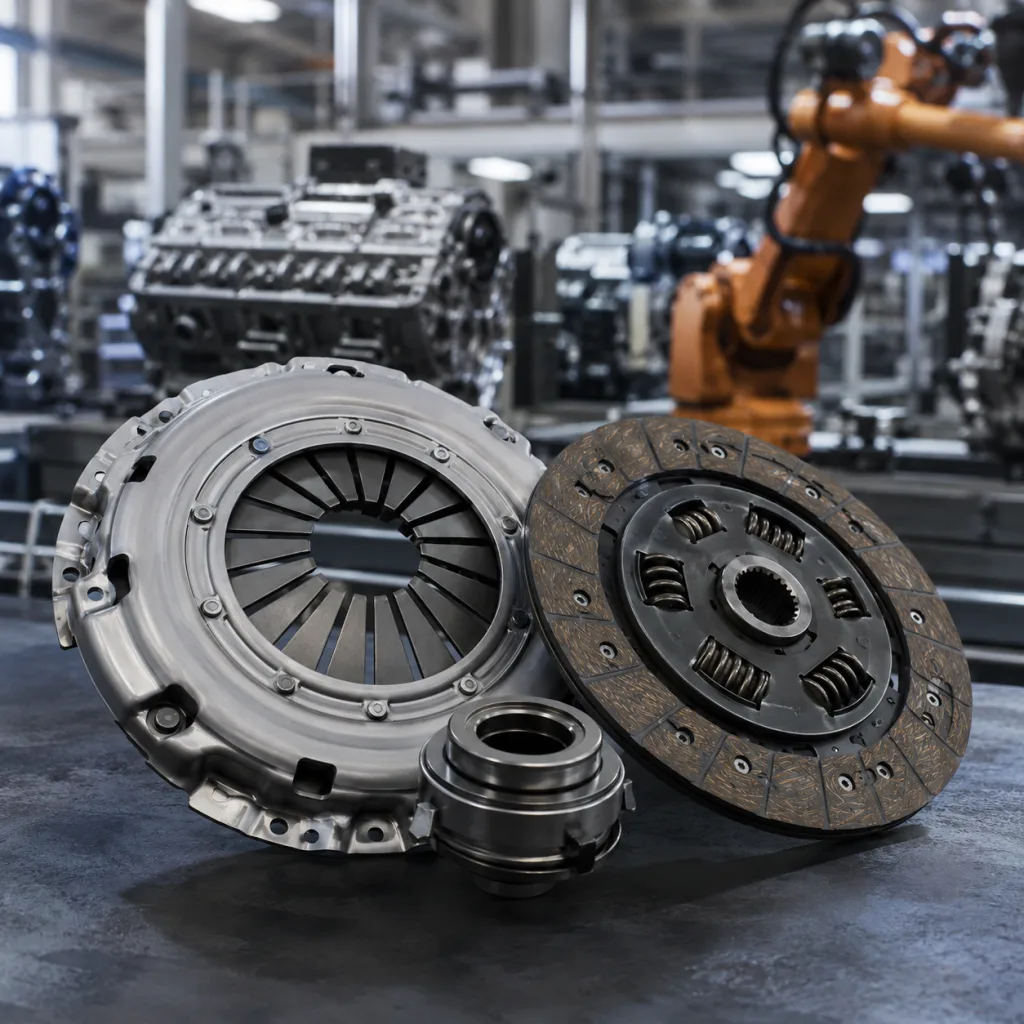
A clutch kit Peugeot OE equivalent has to reproduce the original fit, release geometry, and torque transfer behavior, not just the nominal disc diameter. For procurement teams, the real question is whether the kit matches the exact Peugeot application, installs without modification, and delivers repeatable engagement and service life in production use. That means checking the pressure plate clamp load, driven plate spline geometry, hub damping, release bearing type, and flywheel interface before a purchase order is released.
Driventus supplies aftermarket clutch kits built for dimensional consistency and batch traceability under IATF 16949:2016 and ISO 9001:2015 controls. Driventus is an independent aftermarket manufacturer; brand names are referenced for fitment only. For buyers working across the EU, UK, US, Canada, Australia, and Brazil, the practical process is to compare OE references, confirm material and size data, and request test evidence where possible before committing to volume purchases.
What OE-equivalent means for Peugeot clutch kits
An OE-equivalent clutch kit is meant to reproduce the functional fit and performance of the original assembly used on the vehicle, without shims, machining, or other installation workarounds. For Peugeot applications, that usually means the kit matches the original clutch cover, driven plate, and release bearing specification for the relevant engine code and transmission family.
In procurement terms, OE equivalence is a technical requirement, not a marketing claim. The part must fit the designated vehicle application, interface correctly with the gearbox input shaft and release system, and provide the same basic torque transfer and pedal behavior expected from the original assembly. If any one of those points is off, the part may still look correct in a catalogue but fail in service.
Key checks for equivalence:
Driven plate diameter and thickness
Spline count, spline major/minor diameter, and hub offset
Cover assembly bolt pattern and locating features
Release bearing type: mechanical, hydraulic concentric, or external
Clamp load and torque capacity relative to the OE benchmark
Flywheel compatibility: solid or dual-mass application
For sourcing teams, the most reliable method is to validate against the OE part number and the full vehicle build data. Model name alone is not enough, because Peugeot platforms often use multiple clutch variants within the same series depending on engine output, gearbox code, and production date.
Spec points buyers should verify before ordering
A clutch kit can look correct in a catalogue and still fail at installation if one dimensional or functional detail is wrong. The most common rejection points are spline mismatch, incorrect bearing height, or a friction disc that is nominally correct in diameter but outside the required stack height or hub configuration.
Procurement teams should verify the following before approving purchase:
Specification
What to confirm
Why it matters
Disc diameter
Match OE size in mm
Affects torque capacity, packaging, and pedal feel
Disc thickness and stack height
Confirm against OE drawing or sample
Prevents drag, slip, or incomplete disengagement
Spline count
Count and profile must match gearbox input shaft
Prevents assembly failure
Hub type
Sprung or rigid, offset, and stop design
Influences NVH and drivability
Cover clamp load
Compare against OE benchmark
Directly affects slip margin
Release bearing
Height, OD, contact face, and actuation type
Prevents disengagement issues
Flywheel type
Single-mass or dual-mass
Avoids vibration and wear problems
</tr></thead><tbody> </tbody></table>For procurement files, keep a record of the OE reference used for verification, plus the vehicle build range, engine code, and transmission code. If a Peugeot application uses multiple clutch variants within one model line, do not rely on trim level or engine size alone. The correct control point is the exact vehicle identity and drivetrain configuration.
Materials and validation used in aftermarket clutch manufacture
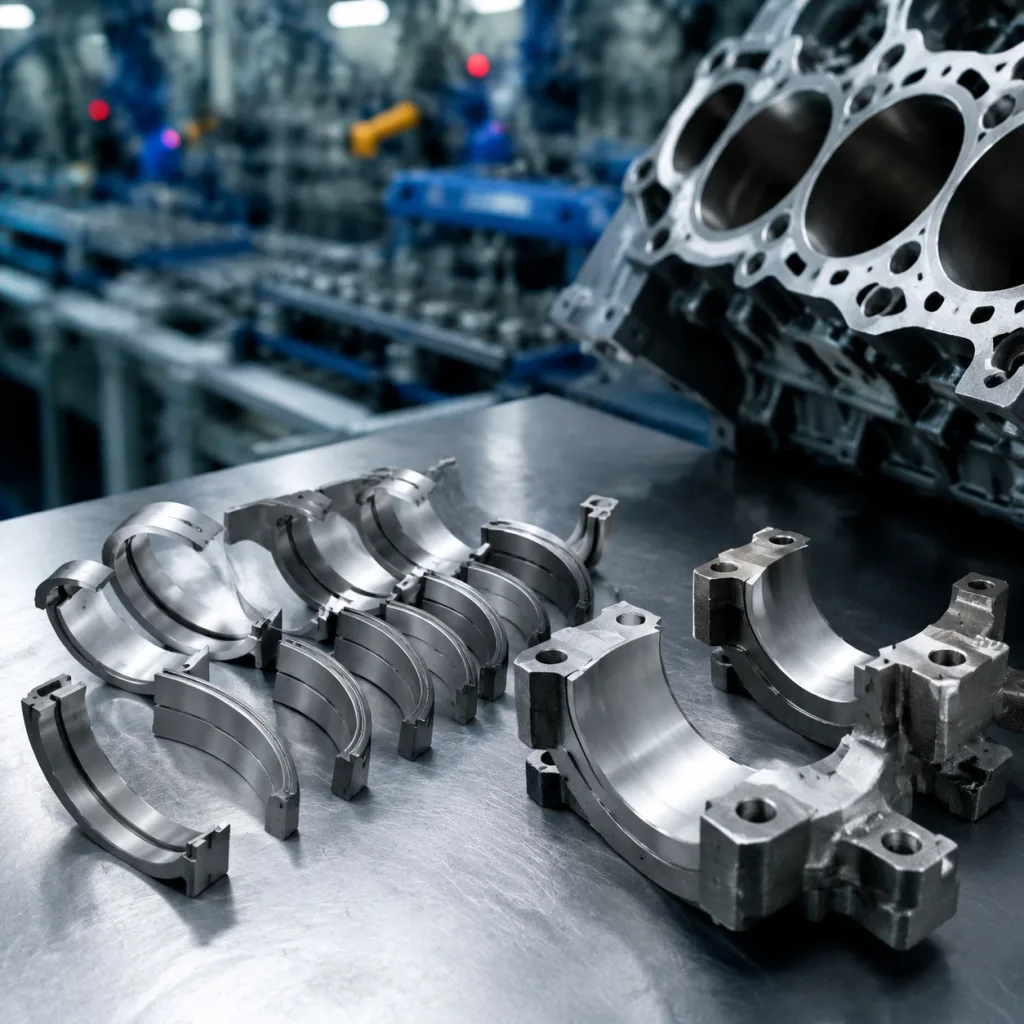
A durable clutch kit depends on the friction lining, diaphragm spring performance, hub construction, and bearing quality. For aftermarket supply, the critical issue is repeatability: the parts must be manufactured to controlled tolerances and validated under load so that one batch behaves like the next.
Driventus manufactures under IATF 16949:2016 and ISO 9001:2015 systems, with process control on incoming materials, in-process measurement, and final inspection. That matters to buyers because it reduces variation across shipments and supports traceability if a quality issue ever needs to be investigated.
For procurement review, the most useful validation items are:
Friction material composition and rivet integrity
Diaphragm spring consistency across batches
Bearing noise, rotation quality, and seal performance
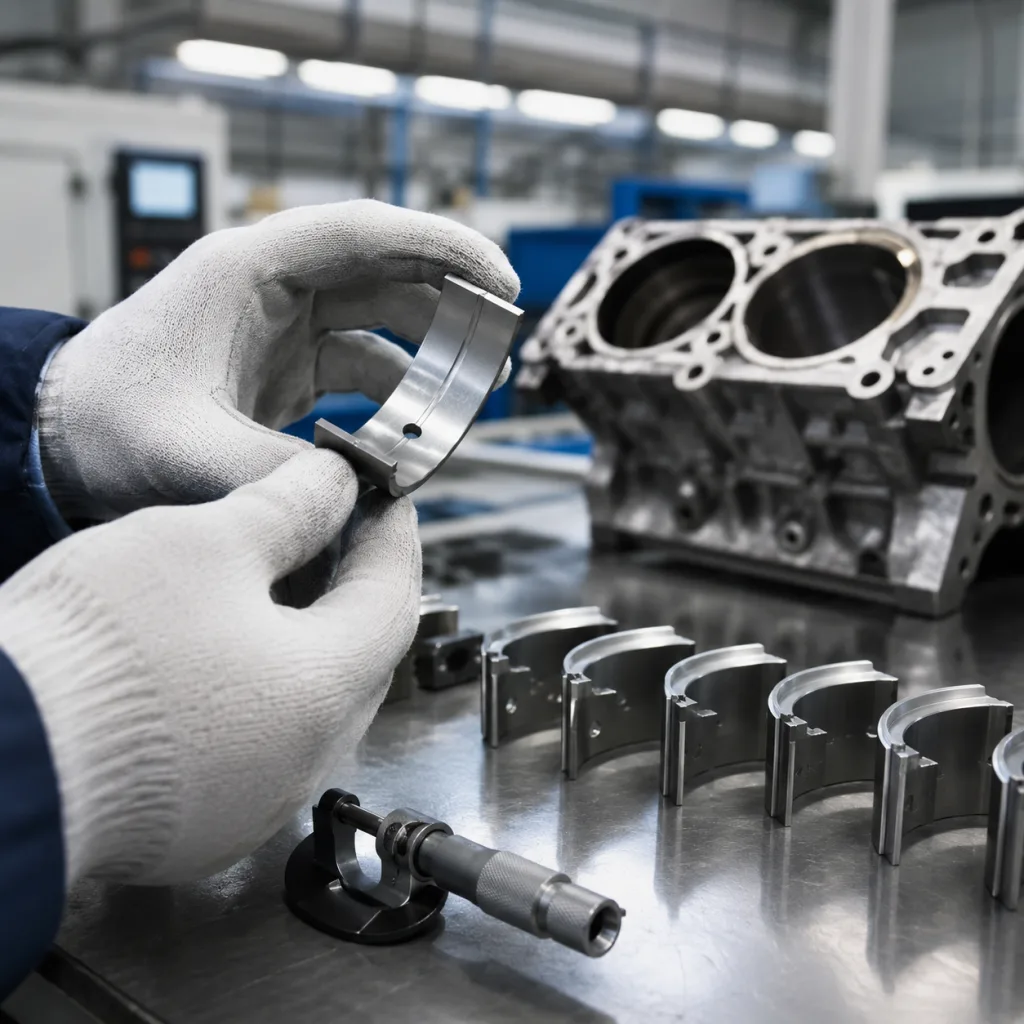
Runout and parallelism checks on the driven plate
Assembly verification for complete kit contents
Packaging integrity and label traceability
Where relevant, request documentation on compliance with REACH (EC) No 1907/2006 for restricted substances. For testing, suppliers should be able to reference endurance, engagement consistency, thermal performance, and dimensional inspection methods. In Europe, where required for the application, ECE R-83 may be relevant to the broader vehicle emissions context, but it is not a clutch approval standard. Keep the standards aligned to the actual component and the market requirement rather than applying unrelated certifications as substitutes for technical proof.
How to source by OE reference and reduce returns
The lowest return rate comes from matching the kit to the correct OE reference and validating the transmission interface before shipment. For Peugeot clutch replacement programmes, the most practical workflow is controlled: use vehicle data first, then catalogue data, then sample confirmation where needed.
Recommended sourcing sequence:
1. Confirm the OE reference from the VIN, parts catalogue, or service data. 2. Check engine code, gearbox code, and flywheel type. 3. Verify the clutch disc diameter, spline, and hub configuration. 4. Confirm bearing style, installed height, and actuation method. 5. Request photos, technical drawings, or a physical sample if the application is not a direct catalogue match. 6. Order a sample or pilot batch before full deployment.
If your programme covers mixed fleets or multiple countries, build a cross-reference sheet that links OE numbers to aftermarket kit codes, packaging labels, and vehicle coverage. That simple control reduces errors when one OE number supersedes another or when the same Peugeot model is sold with different drivetrain combinations in different markets.
For broader drivetrain programmes, see our catalog and our quality system. Those references help procurement teams document fitment logic and supplier controls in the same file, which is useful for internal approvals and distributor onboarding.
Commercial controls for distributors and repair networks
Procurement teams usually need more than a part match. They need stable supply, pack consistency, and predictable lead times, especially when the same clutch kit must support distributors, repair chains, and export customers with different packaging requirements.
Typical controls to request from a supplier:
MOQ by part number or family
Batch traceability and carton labelling
Sample approval before mass order
Technical data sheet with fitment notes
Photo confirmation of kit contents
Packaging requirements for export markets
Barcode or SKU mapping for warehouse systems
For repair chains, the main risk is service inconsistency across branches. A clutch kit that is technically equivalent but arrives with the wrong bearing, missing alignment tool, or unclear application notes creates avoidable labour loss and a second vehicle visit. Standardized packaging and controlled contents reduce that risk and make branch-level installation more reliable.
Commercially, it is also important to define what happens when a part number changes, a packaging label is updated, or a supersession is introduced. If the supplier cannot keep those changes visible in the order trail, the result is usually confusion at goods-in and higher return rates downstream.
If your programme needs non-standard packaging, special labelling, or application-specific bundling, review custom manufacturing. For part availability across engine and powertrain families, you can also check our catalog.
When a Peugeot clutch kit needs application testing
Even when the OE reference appears clear, some Peugeot applications still merit bench or vehicle-level testing before a full rollout. This is common when the vehicle has a dual-mass flywheel, revised gearbox ratios, a superseded service part, or a history of complaint patterns such as chatter, drag, or premature wear.
Recommended checks before release:
Dry fit on input shaft and release mechanism
Pedal travel and disengagement confirmation
Noise, vibration, and harshness evaluation
Engagement point stability after heat cycling
Inspection of flywheel condition and release system wear
Verification that hydraulic or cable actuation is within specification
If the vehicle shows clutch slip, chatter, or incomplete disengagement, do not assume the kit is the only variable. Hydraulic system condition, flywheel wear, release fork geometry, and contaminated friction surfaces can all produce similar symptoms. A correct OE-equivalent kit still depends on proper installation and a serviceable mating system.
A short validation programme is often enough to de-risk volume buying. For example, one pilot installation can confirm pedal feel, release margin, and noise behavior before the same kit is rolled out across a wider fleet or distributor network.
Driventus can support specification review, sample supply, and application confirmation before mass procurement. For a technical discussion or a commercial enquiry, request a quote.
Frequently asked questions
Match the OE reference, disc diameter, spline count, hub design, bearing type, and flywheel compatibility. VIN-based catalogue checks are more reliable than model-name matching alone because the same Peugeot model can use multiple clutch variants.
Not safely. The same model can use multiple clutch variants by engine code, gearbox code, flywheel type, and build date. Use the OE reference or full vehicle data to avoid misapplication.
Request a datasheet, dimensional confirmation, fitment notes, batch traceability details, packaging details, and evidence of quality control under IATF 16949:2016 or ISO 9001:2015.
If you are comparing aftermarket options for a Peugeot application, send the OE reference and vehicle data for a technical review. Start here: /contact.html