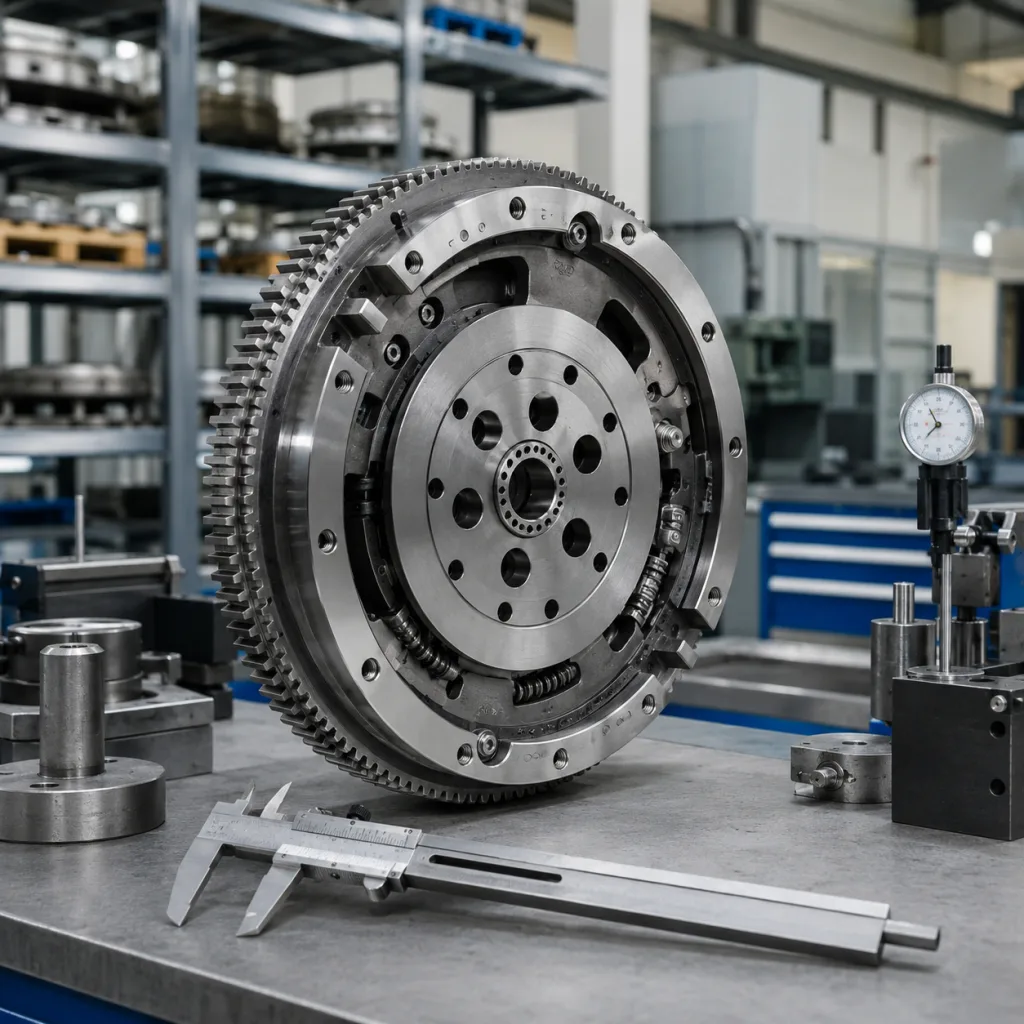
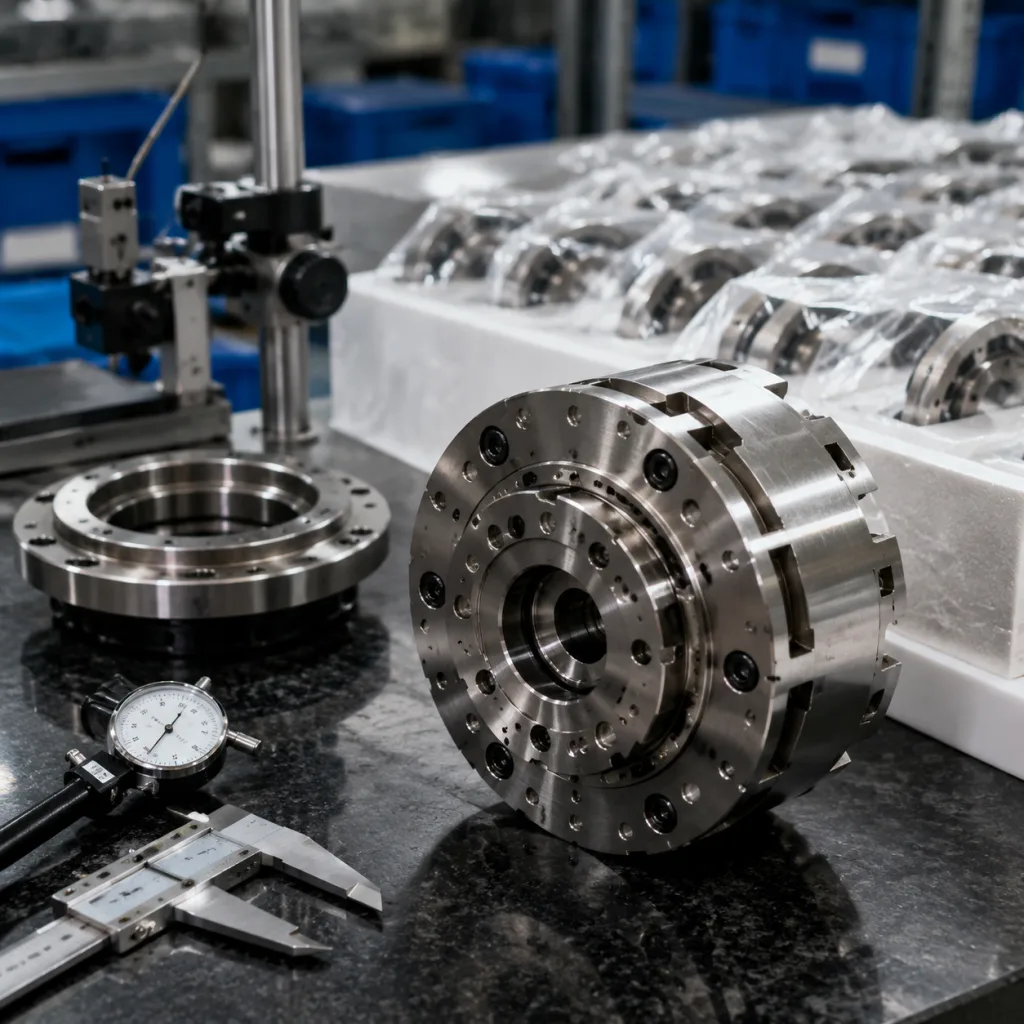
Procurement teams sourcing a clutch kit Mitsubishi OE equivalent need more than a vehicle listing or a catalog cross-reference. A dependable replacement kit has to match the operating requirements of the original application, including release load, spline count, friction diameter, cover geometry, release-bearing height, and flywheel interface. In aftermarket distribution and workshop supply, the real risk is not the product name; it is an unverified reference that appears correct in a database but creates installation issues, abnormal pedal feel, noise, or premature wear in the field.
Driventus supplies clutch kits for passenger car and light commercial applications built around the dimensional, material, and functional requirements used in professional replacement programs. Where OE part-number data is available, we review cross-references against the target application and then verify critical features such as disc outside diameter, spline profile, clamp load, release travel, bearing interface, and runout before shipment. Driventus is an independent aftermarket manufacturer; Mitsubishi and other brand names are referenced for fitment identification only and do not imply endorsement or affiliation. Our export programs operate under IATF 16949:2016 and ISO 9001:2015 quality controls, with material compliance support for REACH (EC) No 1907/2006 where applicable.
What OE equivalent means for a clutch kit
An OE-equivalent clutch kit is not simply a kit that fits into the same vehicle category. It should reproduce the key dimensions and functional behavior required by the original clutch system so the repair can be completed without modification and the vehicle can operate within the expected performance range.
For a clutch kit Mitsubishi OE equivalent, buyers should treat the OE number as the starting point, not the final proof. Mitsubishi applications may vary by engine, transmission, production year, market, and flywheel type, so a reliable replacement decision should confirm both catalog fitment and measurable part characteristics.
Verification item
What to confirm
Why it matters
Disc diameter
Match to OE or a validated equivalent
Supports torque capacity and housing clearance
Spline count / shaft fit
Same spline count, form, and major diameter
Prevents installation failure and shaft damage
Friction material
Suitable facing grade and rivet pattern
Affects engagement feel, heat resistance, and service life
Pressure plate clamp load
Within the validated operating range
Controls slip resistance and pedal effort
Cover assembly geometry
Correct cover height, lever position, and bolt pattern
Ensures correct release movement and mounting fit
Release bearing type
Correct contact profile, bore, and working height
Avoids noise, drag, and incomplete disengagement
Flywheel interface
Bolt circle, locating features, and seating surface
Prevents misalignment and vibration
Dynamic balance
Rotating assembly within specification
Reduces chatter, vibration, and driveline complaints
</tr></thead><tbody> </tbody></table>This is why a professional sourcing file should include both application information and engineering checks. A replacement part can share a catalog description and still differ in release height, spline engagement, or clamp load. Those differences are often small on paper but costly after the part reaches a workshop.
How Driventus validates replacement fitment
The objective is a replacement kit that installs correctly and performs within the same operating window as the OE unit. Dimensional inspection is therefore not treated as a one-time final check; it is built into sample approval, production control, and lot release.
For Mitsubishi replacement programs, Driventus reviews the available OE reference, customer application data, and any supplied sample information before confirming the part route. The validation process may include:
OE and aftermarket part-number cross-reference review where reliable data is available
Comparison of friction disc outside diameter, hub offset, spline count, and spline profile
Pressure plate inspection for cover height, diaphragm finger position, bolt circle, and locating features
Release bearing verification for contact face, bore, height, and travel compatibility
Runout and balance checks to reduce vibration risk
Material and facing checks against the intended replacement specification
Packaging and label review to reduce picking errors in distributor warehouses
This approach helps separate a true clutch kit Mitsubishi OE equivalent from a generic listing that only matches part of the application. It also gives B2B buyers a clearer basis for approval, especially when building a private-label range, replacing a discontinued reference, or expanding coverage in multiple markets.
Key specifications buyers should request
A practical buyer file should include the part dimensions, application notes, and the service-life assumptions used for validation. Without those records, a part may still install, but it is harder to defend as an OE-equivalent replacement during returns analysis, warranty review, or field failure investigation.
Before placing a bulk order, B2B buyers should request or confirm:
OE part number and any supersession history
Vehicle model, production year range, engine code, and transmission code
Disc outside diameter and friction facing specification
Spline count, spline diameter, and hub offset
Pressure plate clamp load range and cover assembly height
Release bearing type, working height, and contact profile
Flywheel type and relevant mounting details
Kit contents, including disc, cover assembly, release bearing, pilot bearing, alignment tool, or bolts where applicable
Sample approval process and inspection criteria
Batch traceability, carton label format, and pallet requirements
For importers and distributors, these details are also useful for catalog accuracy. A single incorrect transmission code or omitted engine variant can create repeated returns even if the part itself is manufactured correctly. Clear specification control protects the supplier, the distributor, and the workshop.
Common sourcing mistakes and how to avoid them
Many clutch sourcing problems start with incomplete application matching. A vehicle model name may cover several transmission configurations, and a catalog reference may not explain the difference clearly enough for bulk purchasing. The safest approach is to combine OE-number review with measured dimensions and, when possible, a physical sample.
Common mistakes include:
Treating a vehicle listing as proof of fitment without checking engine and transmission codes
Ignoring release bearing height or contact profile when the disc and cover appear correct
Approving a kit based only on disc diameter while overlooking hub offset or spline form
Mixing market variants that use different flywheels or clutch actuation systems
Accepting vague claims such as “OE quality” without inspection data or production controls
Using brand names in a way that may imply authorization, affiliation, or OEM approval
Driventus is an independent aftermarket manufacturer; brand names are referenced for fitment only. That disclosure belongs in supplier files, quotation documents, and product pages, particularly when the same kit is distributed across the EU, UK, North America, Latin America, the Middle East, or other export markets.
To reduce risk, buyers should build approval around measurable criteria: part-number traceability, dimensions, material specification, clutch load requirements, and batch inspection. This creates a stronger sourcing record than a catalog match alone.
What B2B buyers receive from Driventus
Driventus manufactures engine and powertrain components in Taizhou, Zhejiang, with export experience across 60+ countries. For clutch programs, our focus is repeatable replacement quality, stable documentation, and practical support for distributors and repair-chain procurement teams.
Typical buyer support includes:
Technical cross-reference review using OE part numbers supplied by the customer
Dimensional sample comparison before mass production where required
Inspection checks for critical clutch kit features
Batch traceability and production records
Export-ready carton labeling and palletization
Documentation support for distributor, importer, and repair-network purchasing
Private-label and market-specific packaging options subject to project review
We work with aftermarket distributors, OEM and Tier-1 supply chains, and multi-location repair networks that need dependable replacement supply. Lead times depend on program scope, order quantity, sample requirements, and packaging configuration, but the sourcing process is structured to keep the fitment decision tied to measured data rather than assumption.
If your team is sourcing a clutch kit Mitsubishi OE equivalent for a new market, a discontinued reference, or a private-label range, start with a technical enquiry through request a quote. Provide the OE number, application details, and any available sample photos or drawings so our team can confirm the next review step.
Frequently asked questions
No. OE equivalent means the replacement part is designed to match the required dimensions and function for fitment and performance. It does not mean OEM approval, endorsement, or affiliation.
Provide the OE part number, vehicle model, production year, transmission code, engine code, and, if possible, a sample or clear photos of the original part. This reduces the chance of a spline, offset, or release-height mismatch.
Yes. Driventus supports custom manufacturing and market-specific packaging for B2B buyers, subject to technical review, application confirmation, and minimum order requirements.
If you need a verified replacement program or a technical cross-reference review, send your application data and we will confirm next steps. Start here: /contact.html