A clutch kit Mini replacement programme needs the discipline of a fitment-critical sourcing project, not the treatment of a generic wear-part purchase. For distributors, repair-chain buyers and import managers, the highest-risk issues are incorrect spline geometry, pressure-plate clamp load variation, release bearing mismatch, flywheel incompatibility and export packaging that allows damage to the friction plate or diaphragm fingers. The right kit must be matched by vehicle generation, engine, transmission, production period, flywheel type and OE-style cross-reference where available, including catalogue formats such as OE 06A… references. Driventus supplies clutch kits as an independent aftermarket manufacturer for B2B channels, with dimensional inspection, functional validation and batch traceability managed under IATF 16949:2016 and ISO 9001:2015 controls. Brand names and OE-style references are used for fitment identification only; they do not imply vehicle manufacturer approval.
Replacement fitment risks buyers should control
Mini applications differ across generations, engine outputs, flywheel systems and gearbox codes. A clutch kit that appears visually close to the original assembly can still create installation failure if the driven plate diameter, hub offset, spline count, cover height or release bearing height is wrong.
For a B2B replacement range, the main control point is the link between catalogue application data and the physical kit specification. Buyers should confirm:
Disc outside diameter and friction lining thickness
Spline count, spline major diameter and hub profile
Hub offset and damper configuration where fitted
Pressure plate bolt pattern, cover height and locating features
Diaphragm spring finger height after assembly
Release bearing or concentric slave cylinder interface
Flywheel type: solid flywheel or dual-mass flywheel
Vehicle application notes by engine code, transmission code and production date
Where an OE cross-reference is shown in a customer catalogue, keep the reference in an identification-only format, for example OE 06A… or OE 11251…, without presenting it as manufacturer approval. Cross-references help buyers and workshops select the correct application; they are not evidence of genuine-part status.
Driventus can support importers with catalogue mapping for aftermarket distribution and repair-chain procurement. Related product families are listed in our catalog.
OE-equivalent specification points for clutch kits
A replacement clutch kit must reproduce the original operating envelope: torque capacity, pedal effort, engagement feel, release travel and compatibility with the intended flywheel system. For procurement teams, the engineering file should contain measured values and tolerances rather than only a commercial part number.
Specification item
What to verify
Typical procurement risk
Driven plate diameter
Application-specific dimension by kit
Disc contacts the flywheel or cover incorrectly
Spline count and diameter
Match to gearbox input shaft
No fit, vibration or accelerated hub wear
Hub offset
Position relative to flywheel and cover
Drag, noise or interference during rotation
Pressure plate clamp load
Controlled by diaphragm spring design
Slip under load or excessive pedal force
Cover assembly height
Checked after riveting and assembly
Release point outside the service range
Friction material
Organic lining formulation for road use
Noise, judder or poor heat stability
Release bearing height
Match to release fork or hydraulic actuator
Drag, incomplete release or bearing overload
Balance and runout
Controlled during final inspection
Vibration and premature wear
</tr></thead><tbody> </tbody></table>Driventus normally treats replacement clutch kits as matched assemblies. Combining a disc from one source with a cover or bearing from another can change release travel, lift curve and engagement behaviour, increasing the chance of workshop complaints and warranty claims.
Validation testing for replacement confidence
A credible clutch kit Mini replacement range should be supported by validation testing that reflects workshop installation conditions and everyday vehicle duty cycles. Procurement teams should request evidence of controls at both component and assembled-kit level, especially when adding new references or replacing an existing supplier.
Relevant control methods include:
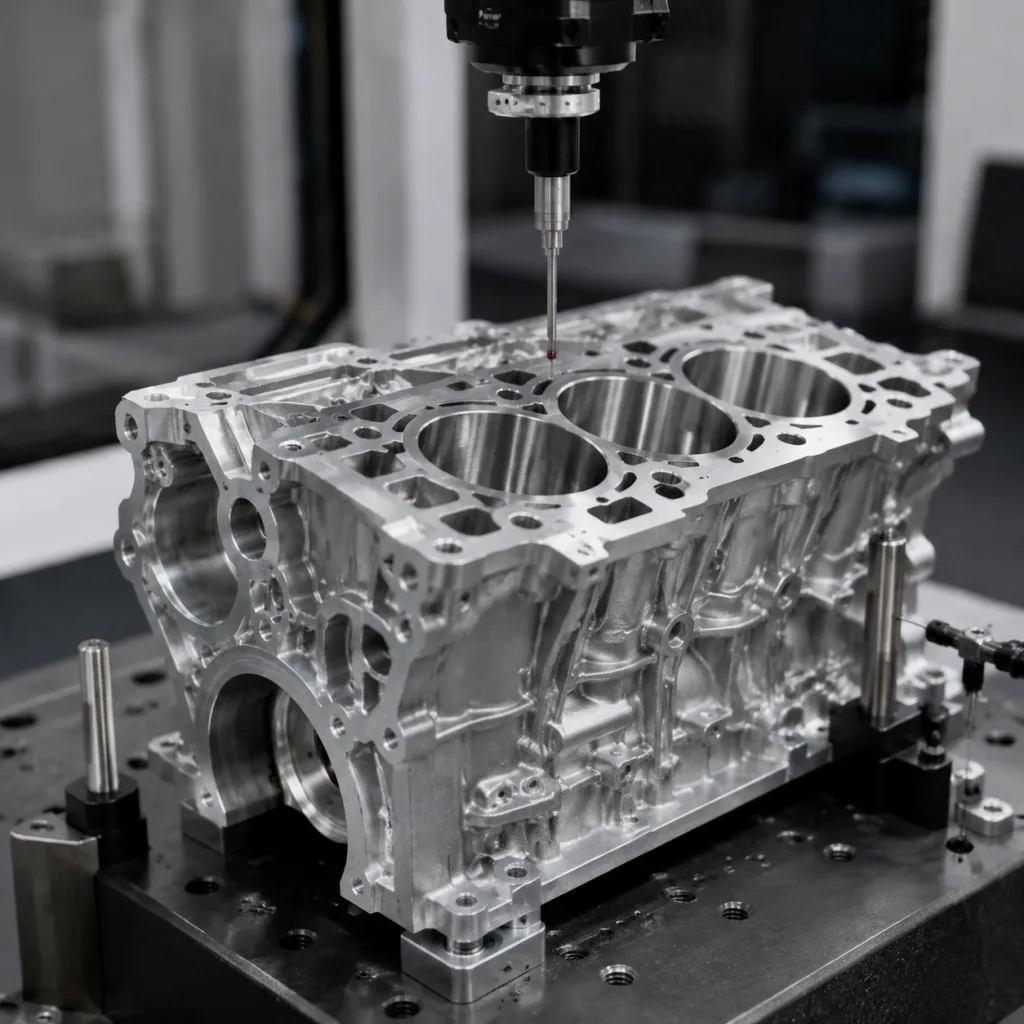
Dimensional inspection using gauges, vernier measurement, height fixtures and spline gauges
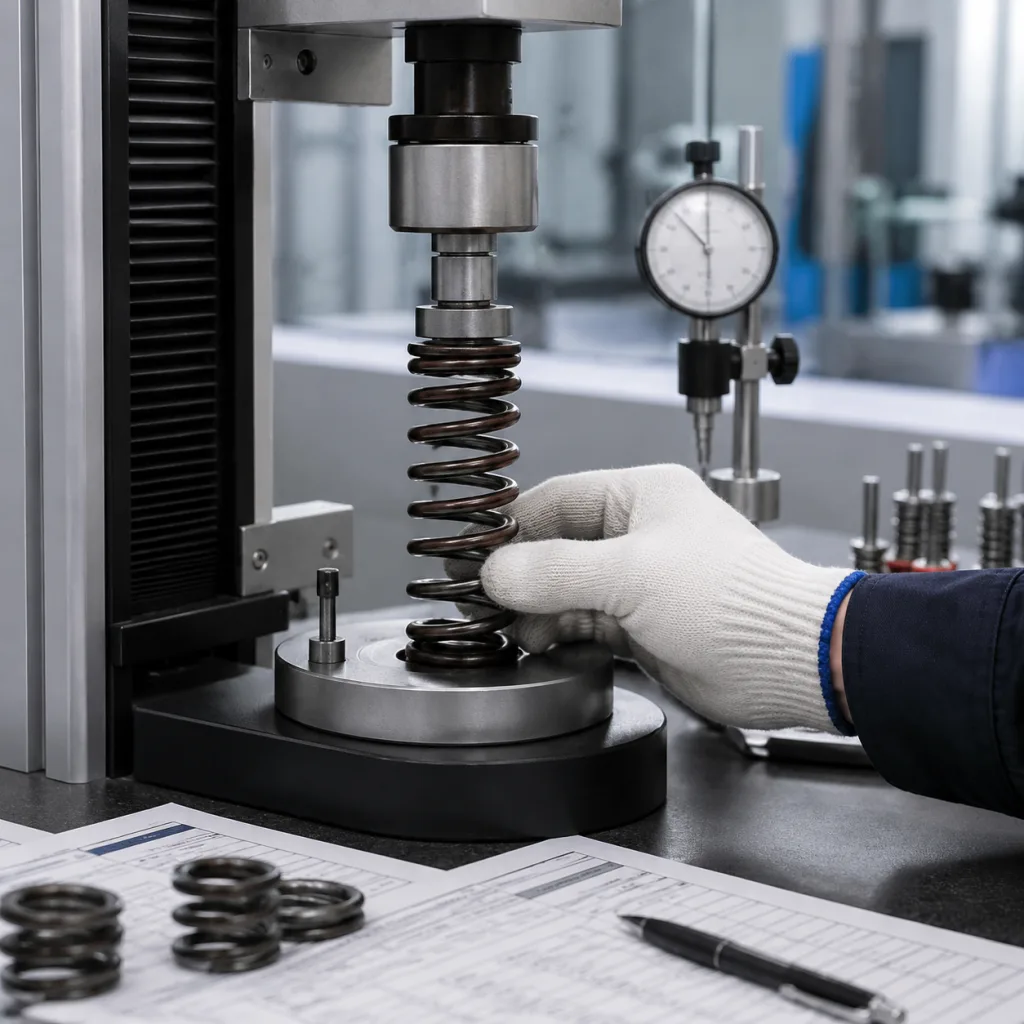
Clamp load testing of the pressure plate assembly
Release load and lift curve verification
Disc axial runout and parallelism checks
Rivet security inspection on friction linings and cushion segments
Hub torsional damper function checks where fitted
Visual inspection for contamination, cracks, burrs and heat damage before packing
Packaging drop and compression checks for export cartons
Quality management should be connected to documented process control, not limited to final visual inspection. Driventus manufactures under IATF 16949:2016 and ISO 9001:2015 frameworks, with incoming material checks, in-process inspection and final batch release records. Buyers can review the quality system as part of supplier qualification.
Environmental and material compliance may also matter for EU and UK importers. Where applicable, procurement files should consider REACH (EC) No 1907/2006 obligations for substances in articles, friction materials, coatings and packaging components.
Replacement packaging, labelling and inventory control
Clutch kits are heavy assemblies with several damage-sensitive surfaces. Export transport damage can create warranty claims before the part reaches the workshop. A pressure plate with bent diaphragm fingers, a contaminated friction lining or a disc with edge impact may pass a quick warehouse check but fail during installation or road testing.
For wholesale channels and multi-location repair chains, define packaging requirements before mass production:
Individual kit box with internal separators for cover, disc and bearing
Anti-corrosion protection for machined metal surfaces
Bearing protection against dust, moisture and side loading
Carton strength suitable for palletised sea freight and warehouse stacking
Barcode label with part number, batch number and application reference
Outer carton marks that support scanning without brand-logo confusion
Installation note reminding technicians to check flywheel condition, release system wear and hydraulic operation
Inventory control should separate similar Mini applications that use different flywheel, bearing or gearbox configurations. Catalogue errors often occur when engine size and model year are treated as sufficient identifiers. In practice, the transmission code and flywheel arrangement may determine the correct kit.
Driventus can supply neutral packaging, distributor branding support and carton labels according to customer data fields, subject to market compliance, trademark rules and agreed artwork approval procedures.
Sourcing options: catalogue kit or custom programme
For established aftermarket ranges, buyers may source catalogue clutch kits after confirming application coverage, sample performance and carton labelling. For higher-volume programmes, a custom bill of materials may be justified when the buyer needs regional warranty alignment, preferred bearing suppliers, specific inspection documents or packaging formats.
When a catalogue kit is suitable
A standard catalogue kit is usually appropriate when the buyer needs fast range expansion, moderate order volume and fitment coverage aligned with common aftermarket data. The main checks are sample fitment, packaging durability, cross-reference accuracy and the supplier’s ability to keep similar references separated during production and packing.
When custom manufacturing is suitable
A custom programme may be appropriate when the buyer requires a specific friction material, private label packaging, market-specific instruction sheets, pallet configuration, barcode structure or inspection report format. Driventus supports custom manufacturing for B2B customers that need controlled drawings, agreed tolerances and production documentation.
Typical sourcing documents include:
Target application list and regional vehicle parc data
Required OE-style cross-references, if already used in the buyer catalogue
Annual forecast and release schedule
Packaging specification and barcode format
Sample approval criteria and test requirements
Warranty return analysis from the current supplier, if available
Destination market requirements for labelling, language and compliance documents
For active projects, buyers can request a quote with target part numbers, forecast volume and destination market.
Supplier audit questions for procurement teams
Before adding a clutch kit supplier to an approved vendor list, procurement teams should confirm both product capability and process discipline. A low unit price has limited value if catalogue accuracy, batch traceability, corrective action handling or export packing is weak.
Use the following audit questions during supplier review:
Does the supplier operate under IATF 16949:2016 and ISO 9001:2015 management systems?
Are clamp load, release lift and disc runout checked with defined acceptance criteria?
Can each finished kit be traced to production batch and inspection records?
How are similar-looking applications separated in warehouse and packing operations?
Are friction materials controlled by approved formulation and incoming inspection?
Can the supplier provide pre-shipment inspection reports when required?
Are private label cartons reviewed for trademark compliance before printing?
Can the supplier support corrective action reports for field returns?
Does the supplier maintain catalogue updates when application notes or cross-references change?
These questions are especially important for distributors supplying repair networks, where a single incorrect application can affect multiple branches. Effective replacement clutch sourcing combines dimensional match, validated function, reliable packaging and clear catalogue control.
Frequently asked questions
Check disc diameter, spline count, hub offset, pressure plate height, clamp load, release bearing interface, flywheel compatibility and packaging protection. Fitment should be confirmed against the exact engine, transmission, production date and flywheel type.
Yes. Driventus can support neutral or customer-specified packaging, barcode labels and documentation for B2B programmes, provided the artwork complies with trademark and destination-market requirements.
No. OE-style references are used only for fitment identification in aftermarket catalogues. Driventus is an independent aftermarket manufacturer; brand names and OE-style references do not imply vehicle manufacturer approval.
For clutch kit sourcing, send the target applications, annual volume, packaging needs and destination market. Driventus will review fitment and production options at /contact.html