Clutch Kit Mercedes-Benz Wholesale: Supplier Checklist
A clutch kit Mercedes-Benz wholesale programme can look profitable on a spreadsheet and still fail at the repair bay. The common cause is not the selling price. It is a kit that matches a catalogue line but not the vehicle: disc outside diameter, spline profile, hub offset, release bearing height, pressure plate clamp load, or cover working height is wrong for the gearbox and market application.
The margin disappears fast. A 1 mm spline mismatch, the wrong bearing inner diameter, or a cover height error can create returns, labour claims, stock write-offs, and installers who stop trusting the range.
Treat the enquiry as an engineering and supply-control exercise before it becomes a price negotiation. Start with transmission code, engine variant, model-year range, disc outside diameter, spline count, hub profile, release system type, and target market. Then check the physical details: disc OD such as 215 mm, 228 mm, 240 mm, or 250 mm depending on application; spline count and shaft diameter; release bearing ID, OD, and overall height; cover bolt pattern; and pressure plate working height.
Mercedes-Benz passenger cars and light commercial vehicles have used several manual transmission families and clutch configurations, so model name and year are not enough. Driventus is an independent aftermarket manufacturer; Mercedes-Benz and other brand names are referenced only to identify vehicle fitment. We support wholesale buyers with application checks, batch traceability, export documentation, controlled packing, and repeatable supply terms. Before issuing a blanket PO, confirm MOQ, lead time, carton configuration, sample approval, inspection tolerances, and the exact documents required for customs, channel onboarding, and aftersales control.
Decision Gate 1: Prove the Application Before You Negotiate Price
Do not open the conversation with “best price for Mercedes clutch kit.” Start with the vehicle and gearbox evidence. A supplier should quote against technical fitment data, not only a model name or broad platform description. For a clutch kit Mercedes-Benz wholesale order, the critical inputs are usually gearbox code, engine size and code where available, production year range, disc diameter, spline count, clutch cover type, release bearing or concentric slave cylinder requirement, and duty profile: passenger, taxi, fleet, or light commercial use.
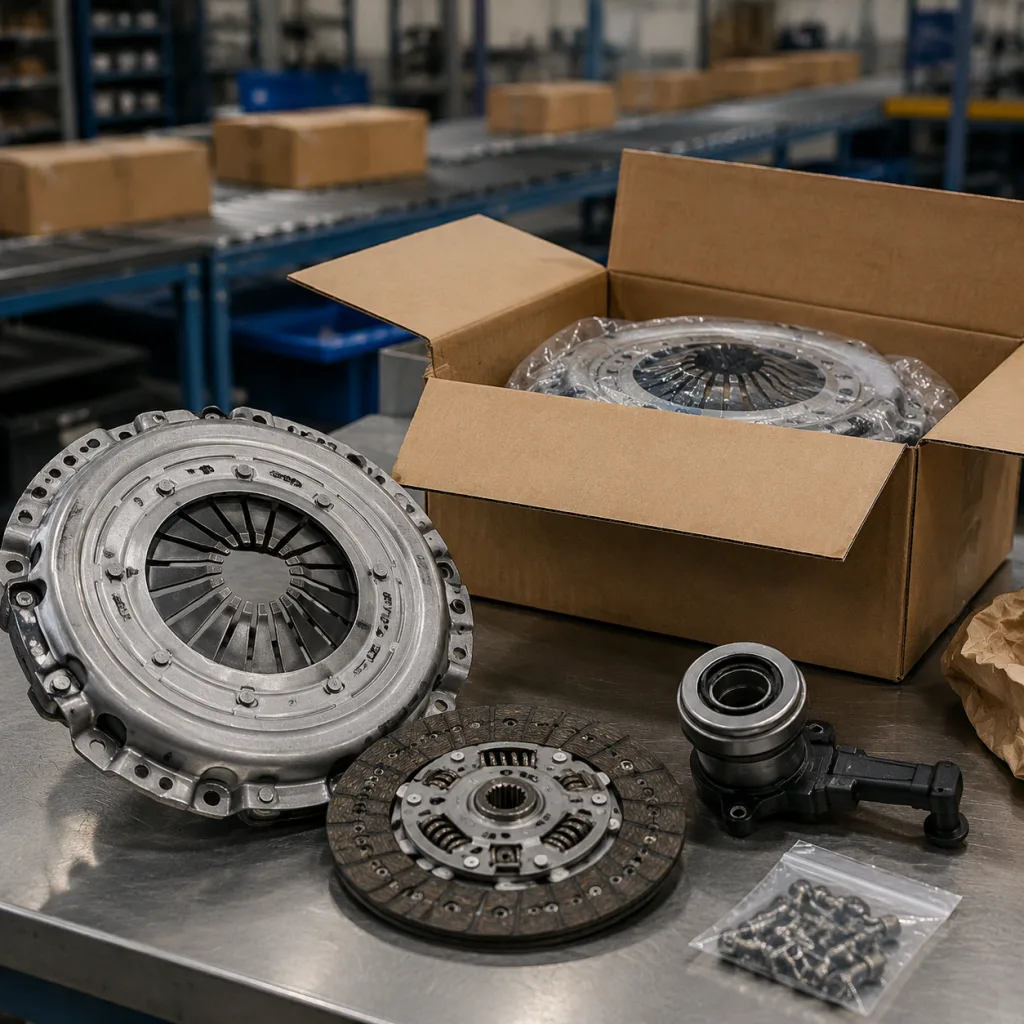
Ask the supplier to state exactly what is inside the kit, line by line, on the quotation. A standard kit may include 1 friction disc, 1 pressure plate, and 1 release bearing. Other applications may require a pilot bearing, alignment tool, concentric slave cylinder, mounting bolts, or flywheel-related component. This is not a minor packing detail. Installers compare the received kit with the removed assembly at the repair bay. If one part is missing or mismatched, the vehicle stays on the lift.
Before sample release, request the basic dimensions: disc OD and thickness, spline count and shaft diameter, hub offset, pressure plate bolt circle, cover height, release bearing ID/OD/height, and hydraulic connector type where applicable.
Then lock the commercial frame early. Confirm minimum order quantity by reference, mixed-SKU allowance, sample cost, sample lead time, production lead time, warranty handling, and replenishment schedule. A workable structure is often sample approval in 7–15 days where tooling and components are available, pilot order after approval, and mass production in 30–60 days depending on SKU count, packaging, and material availability. MOQ may be quoted per SKU, such as 50–200 kits for slower references, or by total order value/container plan for mixed programmes.
If the application file is incomplete, pause the quote. Request clear photos of the old clutch assembly, measurements from the removed part, VIN-derived information where available, or an image of the transmission tag before release. That extra step is cheaper than a wrong-fit shipment.
Failure Mode: Cross-References That Look Right but Ship Wrong
Fitment control is where many wholesale clutch programmes break. OE numbers, aftermarket cross references, and catalogue applications should be treated as connected evidence, not as a single truth source. One vehicle series may use different clutches depending on production date, transmission supplier, engine torque, or regional specification. A clean-looking cross-reference can still hide the wrong spline, release bearing, or cover height.
Ask how the supplier built the cross-reference. Was it based on OE data, physical sample comparison, installer feedback, previous production history, or a mix of all four? The safer approval route combines dimensional checks with application notes. Useful details include friction disc diameter, spline count and shaft diameter, damper spring configuration, pressure plate bolt pattern, cover height, release bearing dimensions, and actuation type. Where a concentric slave cylinder is involved, check hydraulic connection style, mounting geometry, stroke range, and sealing interface.
Do not accept only nominal values if you are buying at wholesale volume. Request the supplier’s acceptance range and inspection method. Common controls include calipers or gauges for dimensions, spline go/no-go gauges for hub fit, dial indicators for disc runout, and functional fixtures for release travel.
Keep the fitment note attached to every line item in your sourcing list. Never separate price, part number, and application data during internal review. That is how errors enter large mixed orders. Use a spreadsheet with columns for your part number, supplier part number, OE cross references, vehicle range, gearbox code, disc OD, spline count, release type, kit contents, MOQ, unit price, lead time, and approval status.
If you need to compare current part numbers against a broader programme, review our catalog and share any OE, competitor, or sample references with the enquiry so the application can be checked before production.
Spec Deep-Dive: The Parts of the Kit That Decide Service Life
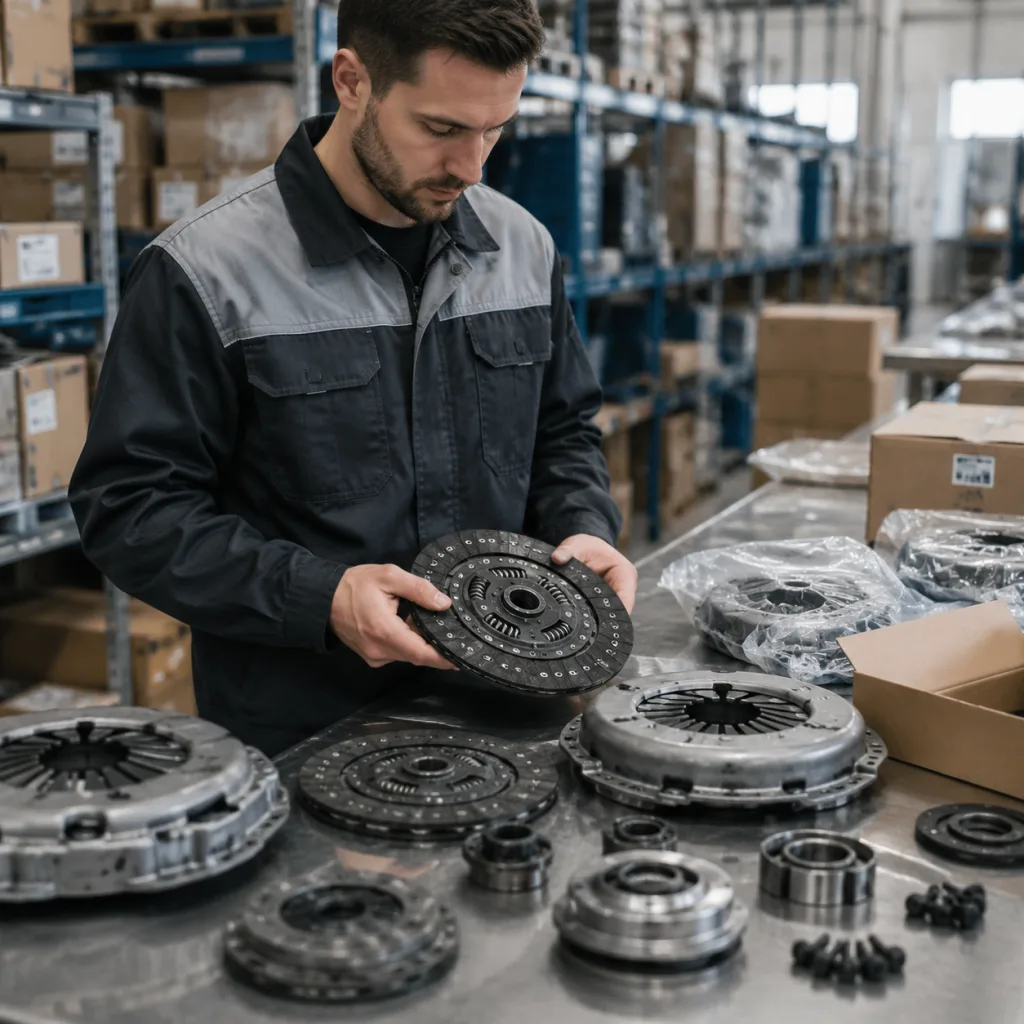
A clutch kit is not just three items in a box. It is a wear system. Material consistency, clamp-load behaviour, bearing quality, and release geometry all affect how the vehicle engages, releases, and survives repeated use.
For wholesale buyers, the supplier should be able to explain the friction facing grade, pressure plate casting or stamping control, diaphragm spring performance, hub and damper design, bearing specification, and surface finish requirements. The goal is not only to pass a visual inspection. The kit must deliver stable engagement, torque capacity, release performance, and service life under real driving conditions.
Ask whether the friction material, rivets, spring steel, release bearing, and cover assembly are locked to an approved bill of materials for repeat orders. This matters. A sample can perform well, while later batches drift if the bearing source, grease, friction material, spring supplier, or carton protection changes without notice.
Validation should be specific. Common checks include dimensional inspection, spline engagement verification, runout control, clamp-load testing, release-load testing, balance checks where applicable, rivet and hub inspection, bearing rotation checks, and packaging drop or vibration assessment for export shipments. Practical inspection points include disc runout, facing thickness consistency, rivet seating, hub spline burrs, pressure plate flatness, cover finger height consistency, bearing noise or roughness, and clamp-load curve comparison against the approved sample.
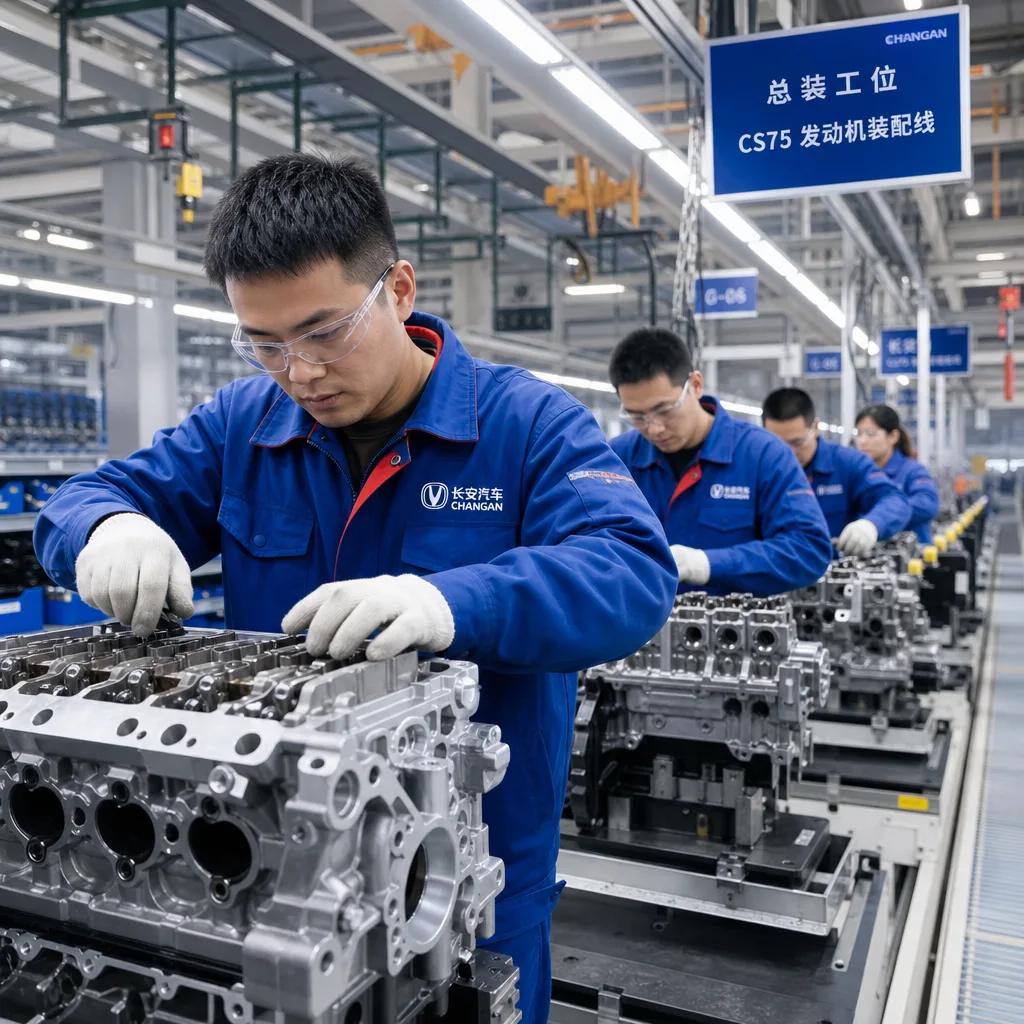
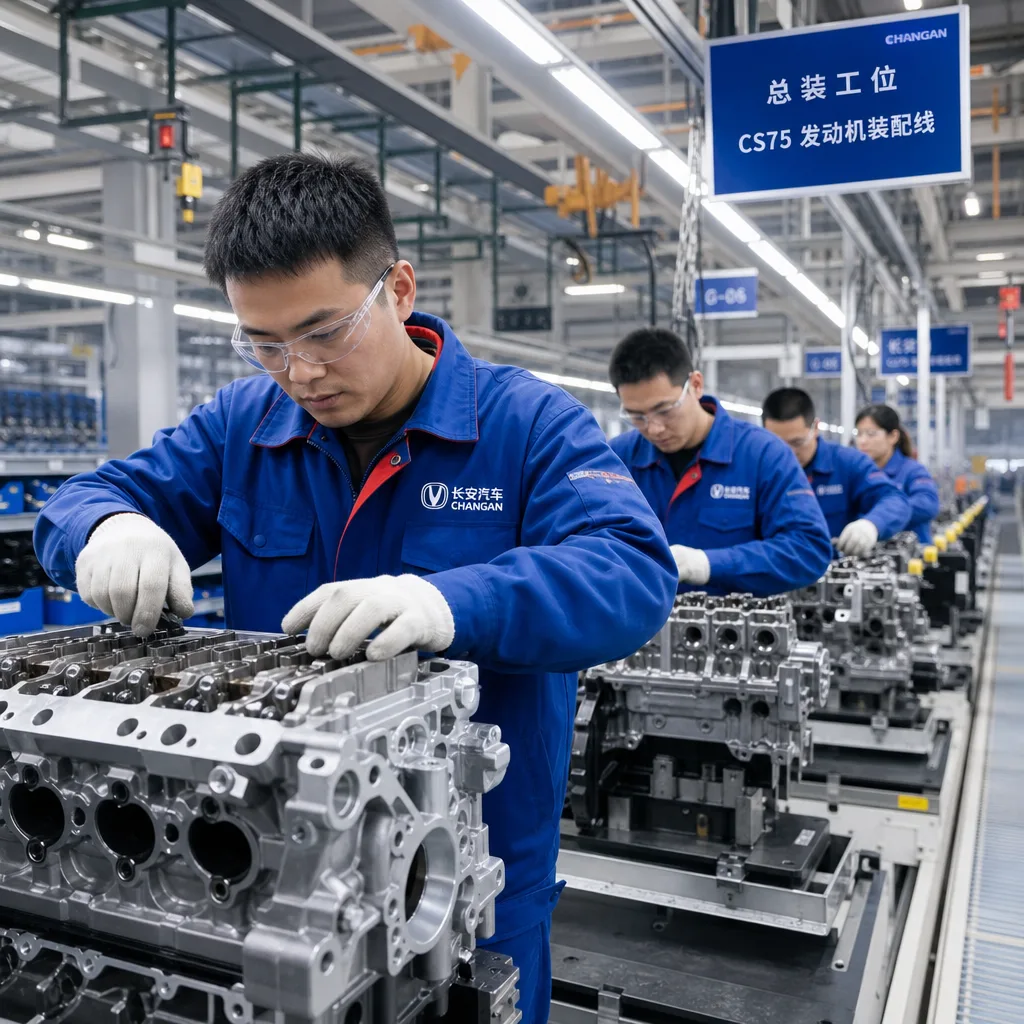
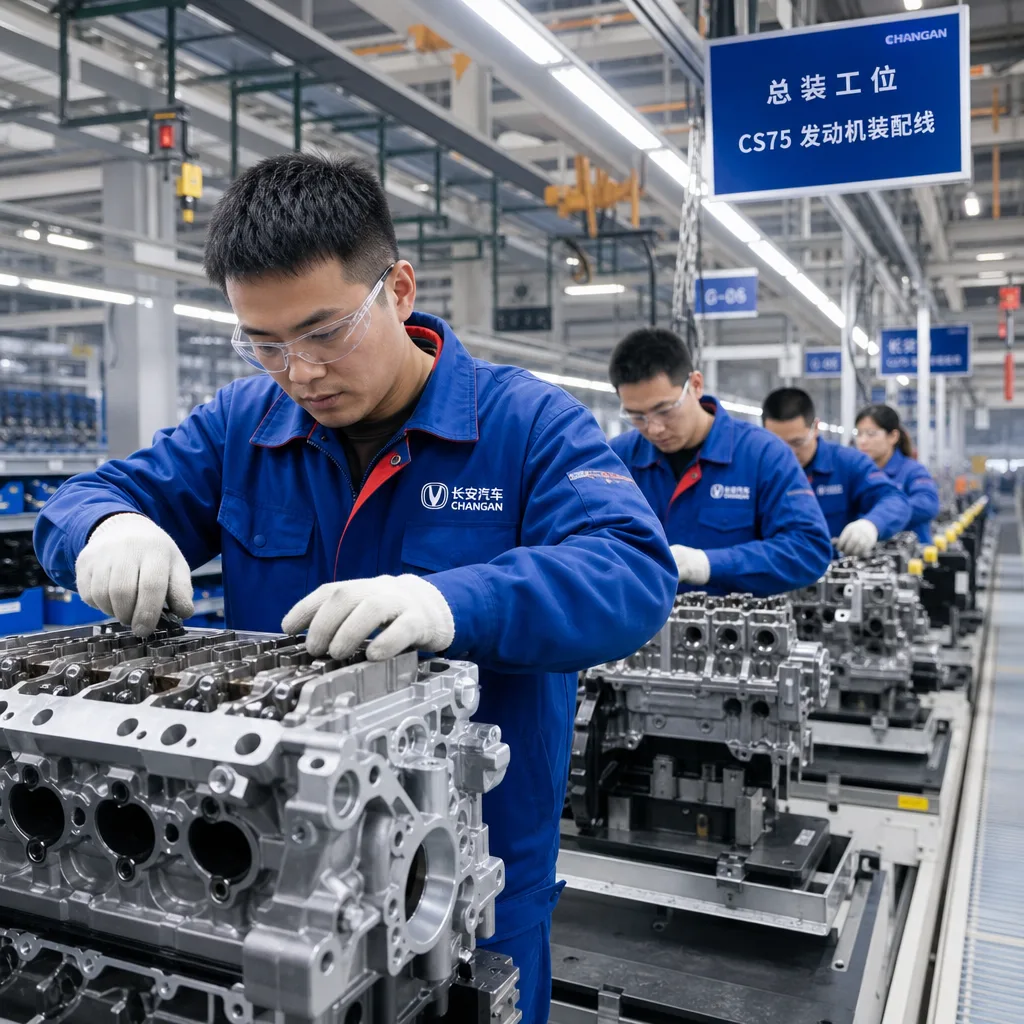
Batch records should connect production lots to materials, inspection results, operator or line records, and packing date. If a distributor later has to isolate a claim, this record can prevent one batch issue from becoming a full-range stock freeze.
For private-label or channel-specific programmes, lock the approved sample with a signed dimensional report and keep a reference sample for incoming inspection. Buyers who need a private-label build, regional label language, barcode rules, or non-standard packing can use custom manufacturing to align the product, label, carton, and documentation set to their market while keeping the technical approval record clear.
Wholesale Terms: A Practical Checklist Before the PO Is Released
Once fitment and sample approval are under control, put the buying terms in writing. The quotation should state the part number, kit contents, fitment note, unit price, currency, Incoterms, MOQ, case quantity, pallet quantity, lead time, payment terms, and validity period.
For mixed orders, confirm whether the MOQ applies per SKU or across the total order. The difference changes inventory planning and cash flow. A distributor building a broad clutch range may accept a higher unit price on slow SKUs if the supplier allows mixed cartons or consolidated pallet loading. Fast movers can be negotiated by volume tiers such as 100, 300, 500, or 1,000 kits.
Packaging deserves the same attention as price. Export cartons must survive stacking, container movement, and warehouse handling. Confirm inner protection for the pressure plate, disc, bearing, and any hydraulic component. Heavy pressure plates should not rub directly against the friction disc during transport. Use separators, shaped inserts, or inner boxes where needed.
If the goods will enter e-commerce, workshop distribution, or retail counters, label accuracy and barcode placement may be as important as carton strength. For private brands, approve artwork, part-number mapping, country-of-origin marking, carton dimensions, gross/net weight, barcode type, and any language requirements before mass packing begins.
Replenishment should also be agreed before the first shipment, not after stock runs out. Stable wholesale supply depends on forecast sharing, production slots, safety stock discussion, and clear communication when a reference is being updated. A useful method is to provide a rolling 3-month or 6-month forecast, classify SKUs as fast/medium/slow movers, and agree which references can be stocked as finished goods versus made to order.
Warranty handling should define evidence requirements: installation report, mileage, photos, batch label, invoice number, and returned sample when necessary. You can compare current references, packaging formats, and line coverage in our catalog before sending a sourcing list for final quotation.
Supplier Approval Q&A: What to Ask Before You Trust the Batch
Is a good sample enough to approve the supplier?
No. Supplier approval should be based on repeatability, not only on a sample that looks acceptable. Ask how the supplier controls incoming materials, production inspection, nonconforming parts, batch identification, and final packing.
What documents should be available?
Request a document pack that matches your purchasing and compliance process. Depending on destination market and channel requirements, this may include a quotation sheet, technical drawing or dimensional report, material declaration, quality-system information, batch traceability record, inspection report, packing specification, and commercial invoice and packing list format. For some markets, REACH-related declarations or other chemical-compliance documents may also be requested where applicable.
What should an audit check?
Review incoming inspection for friction facings, bearings, castings, stampings, springs, rivets, and hydraulic components. During production, check whether operators record critical dimensions, clamp/load results, runout readings, release-bearing checks, and final kit completeness. Traceability labels should connect a shipped carton with the production lot and inspection records. This reduces claim-handling cost because a suspected issue can be isolated to a defined batch instead of disrupting the entire product line.
How do you compare two suppliers with similar prices?
Look at response quality. A capable supplier will ask clarifying questions about gearbox code, application range, annual demand, destination country, MOQ target, Incoterms, carton rules, and packaging rules. Vague answers at quotation stage often become expensive problems after shipment.
For special fitment needs, cross-market packaging, or non-catalogue variants, request a quote and include gearbox code, target annual volume, preferred Incoterms, destination country, required documents, target first-order quantity, and any sample or inspection standard so the approval path can be defined before production.
Frequently asked questions
Provide the model-year range, engine family, gearbox code, disc diameter, spline count, release system type, and required kit contents. If catalogue data is incomplete, add disc thickness, hub offset, release bearing ID/OD/height, OE or competitor reference, and photos of the removed clutch assembly.
Yes. We can align carton quantity, label format, barcode placement, language, country-of-origin marking, and documentation set to your channel. Share destination market, brand requirements, carton weight limits, pallet rules, and any retailer or distributor packaging standards with the enquiry.
Typical files include a quotation sheet, dimensional report, inspection record, material declaration, batch traceability, and packing specification. Depending on the market, REACH-related declarations, quality-system information, packing list format, and lot-based inspection records can also be prepared where applicable.
Share your model list, gearbox codes, target annual volume, destination country, MOQ target, inspection requirements, and packaging needs, and our team will respond with supply options via /contact.html
Request a Quote