Clutch Kit Land Rover OEM Supplier Sourcing Guide
Procurement teams evaluating a clutch kit land rover oem supplier need evidence that goes beyond a price list or a broad fitment claim. The right partner must control friction material, diaphragm spring load, release bearing fit, spline accuracy, packaging, documentation and repeat supply across production batches. For distributors and repair-chain importers, the main risk is not only early product failure; it is batch variation that creates warranty noise across several markets. For OEM and Tier-1 style buyers, the larger concern is whether the factory can demonstrate process control, traceable records and disciplined change management. This guide explains how to assess a Chinese clutch kit manufacturer for Land Rover fitment programmes without relying on unsupported approval claims. It covers RFQ preparation, factory audit points, technical validation, MOQ planning, lead-time control and compliance documentation. Driventus manufactures aftermarket engine and powertrain components in Taizhou, Zhejiang, under IATF 16949:2016 and ISO 9001:2015 systems. Driventus is an independent aftermarket manufacturer; brand names are referenced for fitment only.
What Buyers Should Verify Before RFQ
A clutch kit programme normally includes the pressure plate assembly, driven plate, release bearing or concentric slave cylinder where applicable, alignment tool and fitting hardware. For Land Rover applications, coverage may span manual-transmission models used in passenger, utility and fleet environments, so buyers should separate fitment mapping from manufacturing capability.
A useful RFQ should define the vehicle application range, engine code where available, transmission type, disc diameter, spline count, release system type and annual volume by destination market. If the programme is for private-label aftermarket supply, packaging format, barcode rules, carton strength and pallet labelling should be specified before sampling. This avoids a common sourcing problem: samples may fit, but the commercial order later fails warehouse, retail or importer requirements.
For initial screening, ask the supplier to confirm:
- Manufacturing scope: pressure plate assembly, driven plate, bearing sourcing or assembly, final kit packing.
- Quality certification: valid IATF 16949:2016 and ISO 9001:2015 certificates with the site address matching the production factory.
- Traceability: batch code link from finished kit to friction facing lot, spring lot, bearing lot and inspection records.
- Engineering support: 2D drawings, control plans, inspection reports and sample submission package.
- Market compliance: material declarations for REACH (EC) No 1907/2006 where EU supply is required.
Buyers should also confirm who owns the application data. Some suppliers copy catalogue references without checking transmission variants, release systems or regional model differences. A stronger supplier can explain the fitment logic and identify where physical samples, OE references or customer drawings are needed before tooling or batch production. Buyers can review our catalog to compare clutch kit coverage with adjacent powertrain components supplied by Driventus.
Supplier Audit Criteria for Clutch Kit Production
A clutch kit supplier audit should focus on process stability rather than showroom presentation. The most useful evidence is usually found in incoming inspection, spring load testing, balance control, rivet setting records and end-of-line fit checks. Auditors should spend time where variation is created or controlled, not only in the finished-goods warehouse.
| Audit area | What to check | Buyer risk if weak |
|---|---|---|
| Incoming materials | Friction facing certificates, steel grade records, bearing lot traceability | Variable torque capacity or noise complaints |
| Press and riveting process | Rivet height, clamp force records, fixture calibration | Disc runout, loose facing, premature slip |
| Diaphragm spring control | Load curve testing and hardness checks | Heavy pedal, poor release, inconsistent clamp load |
| Dynamic balance | Rotating assembly balance record by batch | Vibration and driveline complaints |
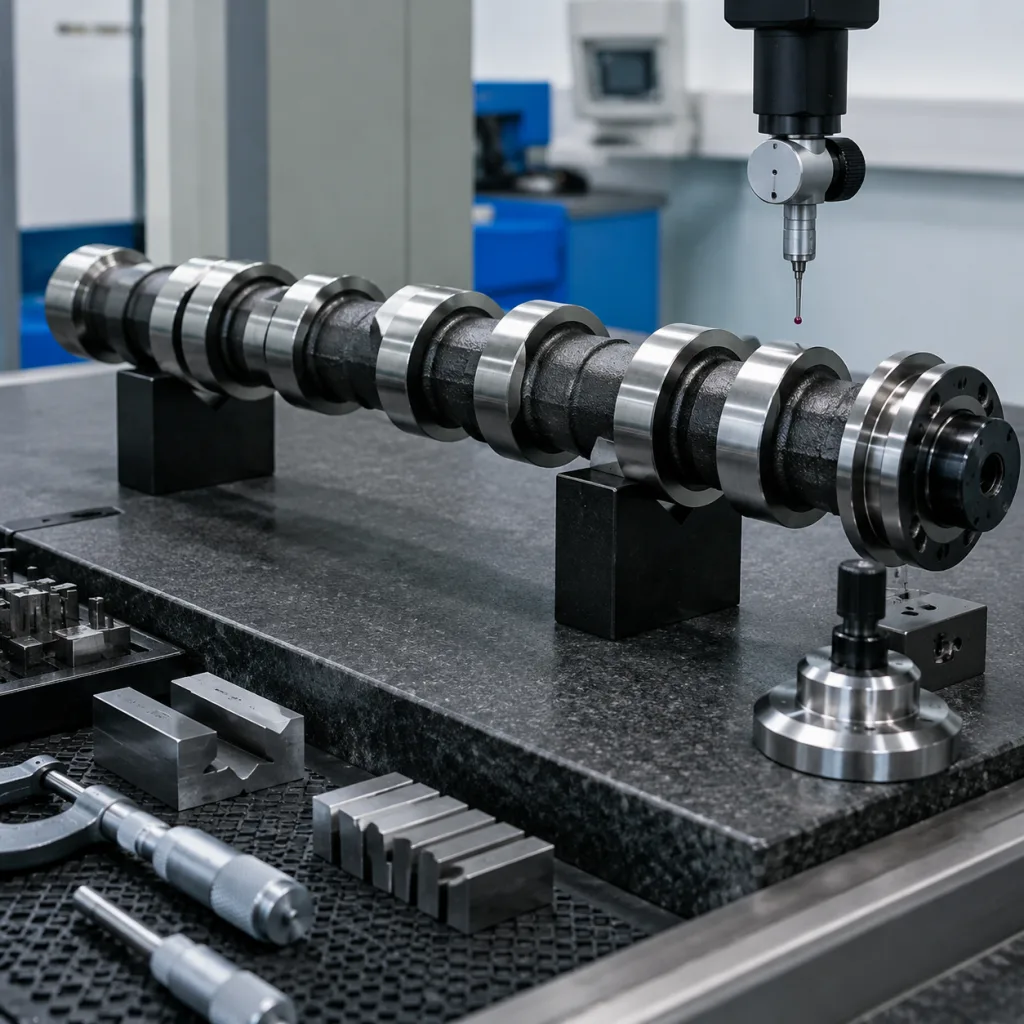
| Dimensional inspection | Spline gauge, cover height, disc thickness, release bearing interface | Fitment returns and installation delays |
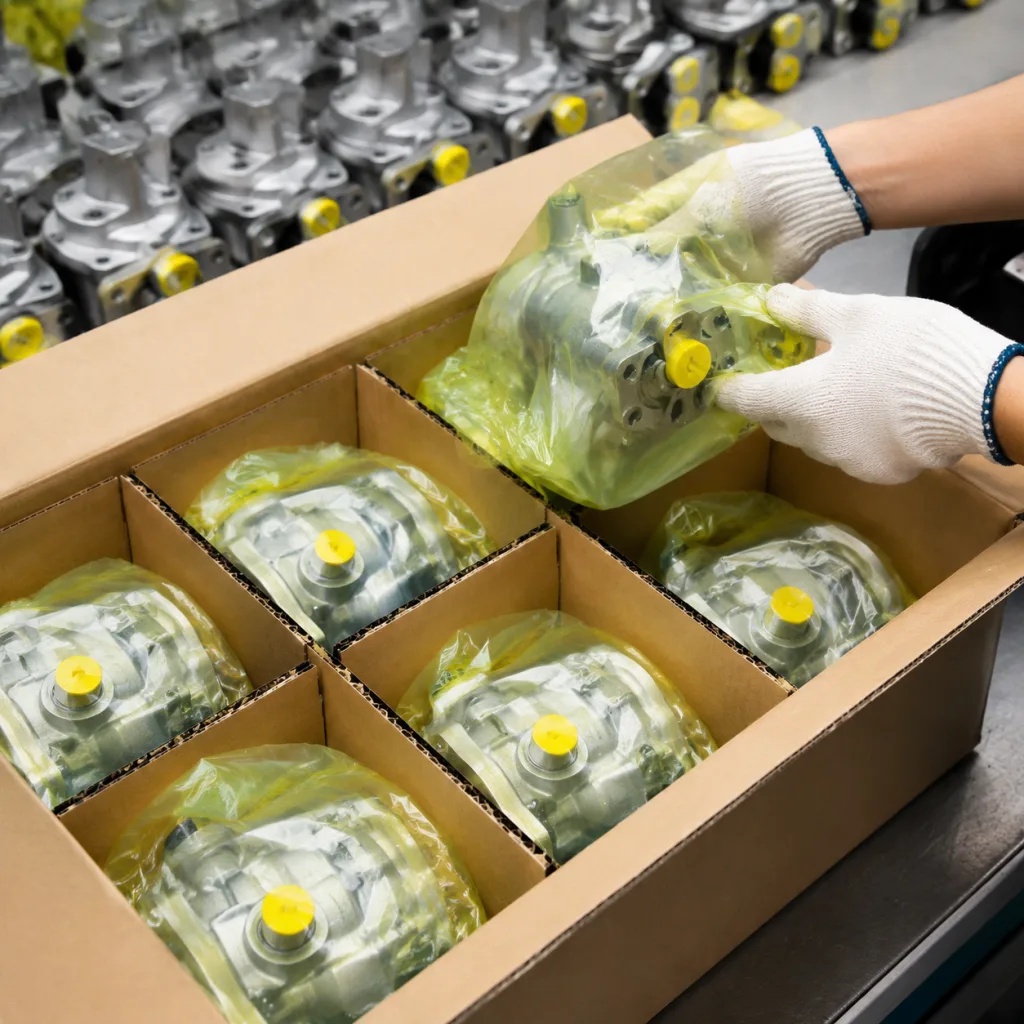
| Packaging validation | Drop resistance, corrosion protection, carton compression | Damage during sea freight or warehouse handling |
| Sourcing scenario | Typical MOQ consideration | Typical lead-time driver |
|---|---|---|
| Existing catalog kit | 100–300 sets per reference | Inventory of bearings, facings and covers |
| Private-label packaging | 300–500 sets per reference | Carton printing, label approval and pallet plan |
| Modified kit specification | 500–1,000 sets per reference | Fixture adjustment and validation testing |
| New application development | Project-based | Tooling, samples, fitment checks and pilot run |