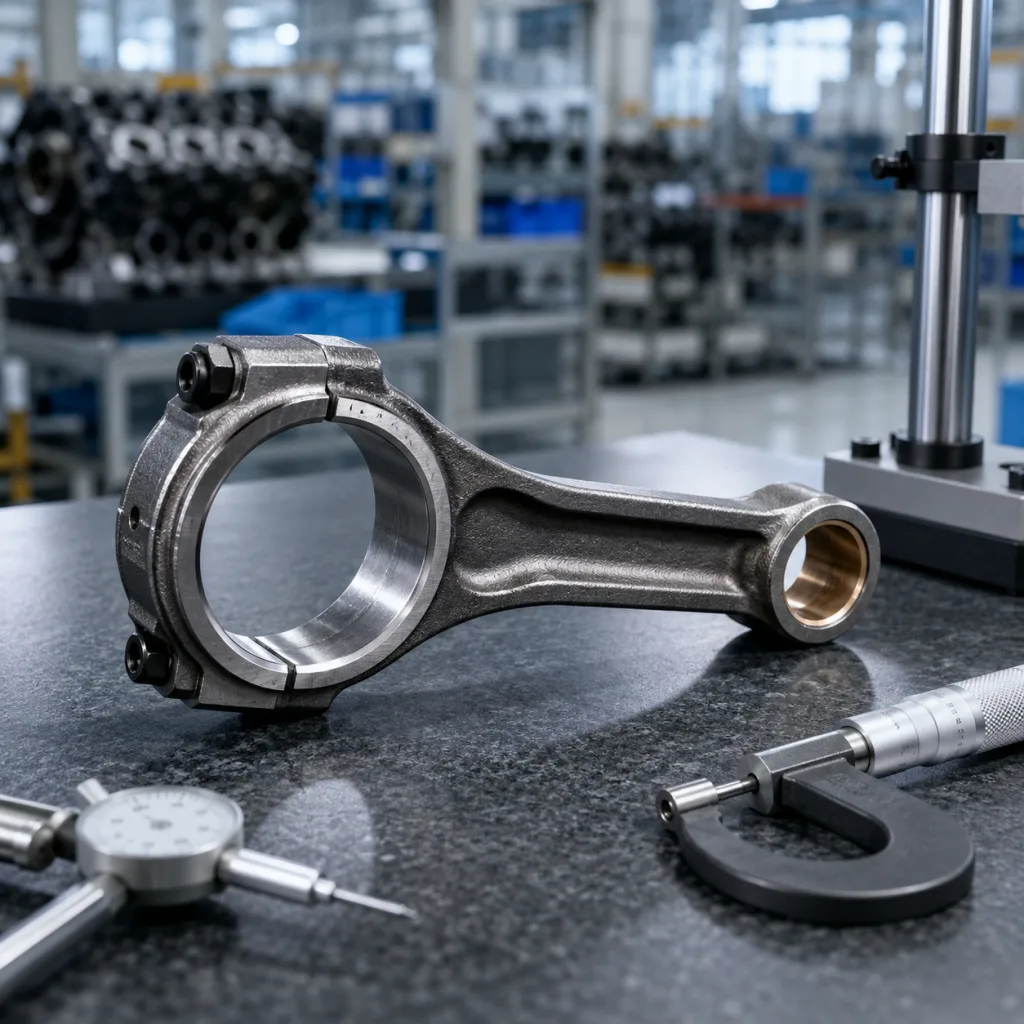
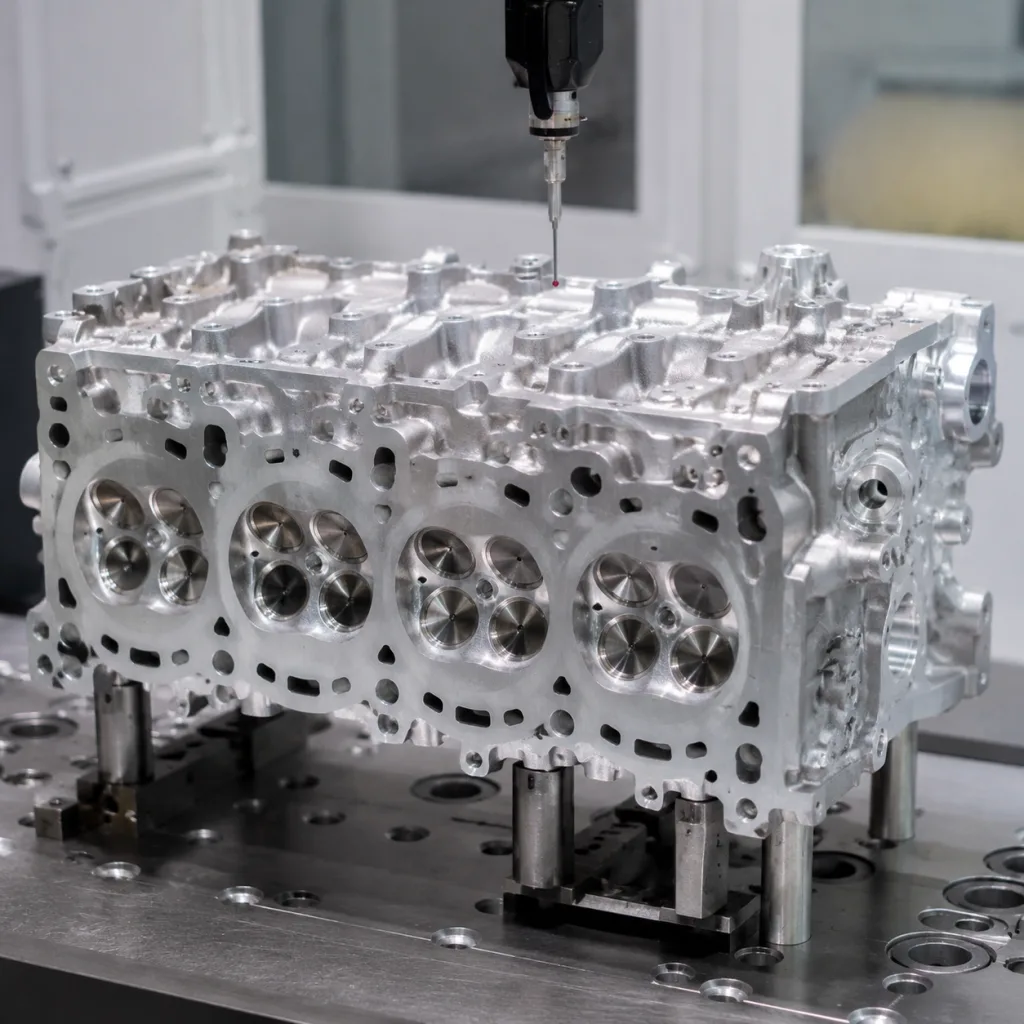
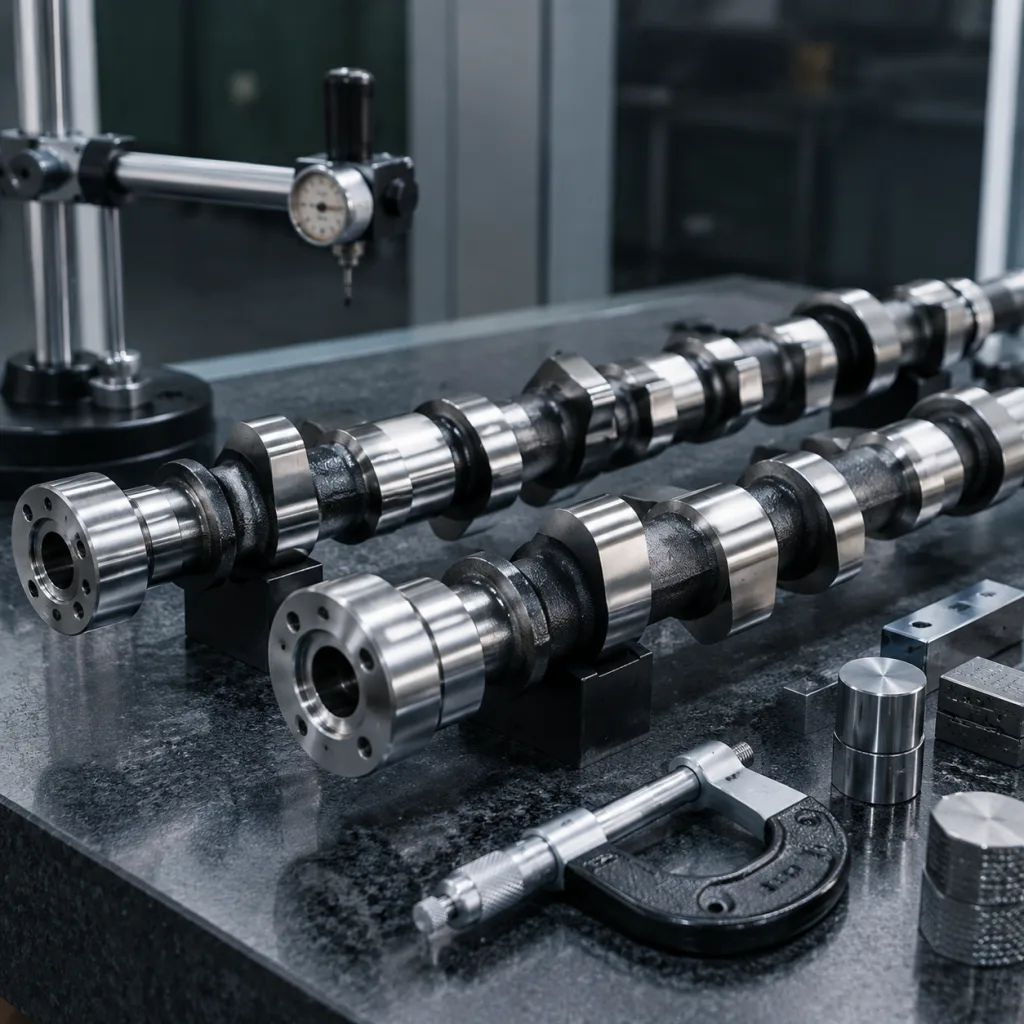
A clutch kit Infiniti aftermarket replacement program is more than a catalog lookup. For distributors, repair-chain buyers, and import managers, the kit has to match the original clutch geometry, maintain the intended clamp load, and deliver repeatable engagement without noise, judder, drag, or early wear. Most Infiniti replacement kits include a pressure plate, driven disc, release bearing, alignment tool, and, depending on engine and transmission layout, a pilot bearing or concentric slave cylinder. Commercial risk often hides in small differences: spline count, hub offset, cover height, diaphragm spring profile, friction facing thickness, release bearing travel, and flywheel type. Driventus manufactures clutch kits for B2B aftermarket supply with production controls aligned to IATF 16949:2016 and ISO 9001:2015. Driventus is an independent aftermarket manufacturer; brand names are referenced for fitment identification only.
Fitment Scope and OE-Equivalent Matching
For Infiniti aftermarket clutch kits, sourcing starts with application mapping. Buyers should confirm model, production year range, engine code, transmission type, flywheel design, release system, and regional specification before placing an order. The same vehicle name may have different clutch requirements across markets or production periods, and a kit designed for a dual-mass flywheel may not interchange with a solid flywheel conversion even when the disc diameter appears close.
Driventus uses OE part-number cross-references only as identification aids, such as OE 06A… or OE 11251… style references where they appear in a buyer file. These references help define the replacement application; they do not indicate approval, sponsorship, or endorsement by any vehicle manufacturer.
Key matching points include:
Disc outside diameter and hub offset
Spline count, major diameter, and pressure angle
Pressure plate bolt pattern and dowel location
Cover installed height and release finger height
Friction facing thickness and rivet depth
Release bearing inner diameter and travel range
Flywheel type: dual-mass, solid, or conversion design
Packaging configuration by kit level: 3-piece, 4-piece, or CSC-inclusive
For import programs, fitment data should be frozen before tooling release and sample approval. A small deviation in hub protrusion, cover height, or release bearing travel can create drag, slip, or incomplete disengagement after installation. Those failures are costly for repair chains and distributors because the claim often includes labor time, vehicle downtime, and replacement logistics, not only the unit price of the kit.
Critical Specifications for Procurement
A clutch kit Infiniti aftermarket replacement order should be controlled by measured specifications, not only by vehicle description. The table below shows the type of data Driventus recommends capturing in a sourcing file so procurement, engineering, and inspection teams work from the same standard.
Parameter
Typical control point
Procurement relevance
Driven disc runout
Checked on fixture before packing
Reduces engagement vibration and pedal pulsation
Friction facing thickness
Batch measured
Controls release margin and wear life
Diaphragm spring load
Load curve tested
Confirms clamp force and pedal feel consistency
Cover balance
Dynamic or static check by design
Limits rotational vibration at engine speed
Hub spline fit
Go/no-go gauge inspection
Prevents installation resistance and driveline noise
Release bearing noise
Rotational inspection
Reduces early warranty claims
Pilot bearing or CSC dimensions
Sample and drawing comparison
Protects release travel and installation compatibility
Kit completeness
Barcode or visual verification
Prevents missing bearing, tool, or hardware issues
</tr></thead><tbody> </tbody></table>Materials should also be specified. Organic friction facings are common for standard replacement demand because they provide progressive engagement, controlled noise, and acceptable wear characteristics for daily-use vehicles. Where buyers require a higher thermal margin or a different pedal response, Driventus can review copper-content facings or alternative friction formulations through custom manufacturing. Any formulation change should be validated as a new program with its own sample approval, inspection criteria, and production record rather than treated as a cosmetic substitution.
Validation Testing Before Shipment
Replacement buyers usually judge clutch kits by installation success, driver feel, and warranty rate. Factory validation should therefore focus on the factors that workshops and end users experience directly: dimensional accuracy, release performance, engagement behaviour, bearing noise, and durability under repeated thermal and mechanical load.
Driventus validation can include sample inspection, clamp load measurement, burst resistance evaluation, friction material bonding checks, hub torsion spring verification, spline fit checks, and release bearing rotational checks. For high-volume distributor programs, pre-shipment inspection plans can be agreed by AQL level, kit configuration, destination market, and the buyer’s required documentation format.
Relevant published systems and regulatory references include IATF 16949:2016 for automotive quality management, ISO 9001:2015 for quality management systems, and REACH (EC) No 1907/2006 for substance compliance in EU supply chains. For packaging and export control, buyers may also request material declarations, country-of-origin statements, carton labels, packing lists, and batch traceability documents.
Clutch kits are not normally certified under emissions regulations such as ECE R-83, which applies to vehicle emissions rather than mechanical service kits. Procurement teams supplying regulated markets should still maintain traceable documentation for replacement parts. The practical requirement is evidence: drawings, inspection records, batch numbers, packaging approvals, and retained samples should connect the shipped clutch kit to the agreed specification.
Replacement Risks That Affect Warranty Cost
Most field issues reported as clutch failure fall into three groups: incorrect fitment, installation conditions, or component variation. A sourcing program cannot control every workshop decision, but it can reduce ambiguity by supplying the right kit contents, clear markings, and consistent dimensions.
Common risk points include:
Incorrect release bearing supplied for the transmission variant
Disc installed in reverse orientation because the marking is unclear
Pressure plate finger height outside release system tolerance
Friction material contaminated during packing, storage, or handling
Flywheel surface not inspected or machined before clutch replacement
Hydraulic system wear misdiagnosed as clutch drag
Pilot bearing or concentric slave cylinder omitted from the repair scope
Mixed inventory where similar-looking kits are stored without clear carton identification
For repair-chain customers, kit contents and labelling matter as much as the component dimensions. A clear carton label, internal fitment sheet, disc orientation marking, and part traceability code can reduce counter errors and installation disputes. For distributors, stable carton dimensions and pallet patterns improve warehouse handling and reduce damage. For importers, production repeatability across lots is more valuable than a one-time sample that performs well but cannot be reproduced at volume.
How Driventus Supports Aftermarket Programs
Driventus manufactures engine and powertrain components in Taizhou, Zhejiang, and exports to more than 60 countries. For clutch kit programs, support can include application development, sample matching, drawing review, friction material selection, pressure plate and disc specification checks, packaging adaptation, private-label carton layouts, and export documentation.
Buyers can review related categories in our catalog and assess our quality system before opening a program. Typical B2B discussions cover annual volume, MOQ, market region, kit contents, target price band, warranty expectations, compliance files, and whether the order is for distributor inventory, repair-chain replenishment, or a tender supply package.
For a clutch kit Infiniti aftermarket replacement project, the strongest sourcing file contains three items: a confirmed cross-reference list, a dimensional sample or drawing package, and a written inspection requirement. With those inputs, the factory can confirm feasibility, tooling status, lead time, sampling cost, validation scope, and packaging options with fewer assumptions. That makes the program easier to quote and easier to repeat once the first shipment is approved.
Ordering Data to Provide With an RFQ
A complete RFQ reduces sampling cycles and helps avoid fitment disputes later in the program. Procurement teams should provide the following data where available:
Vehicle model range, engine, transmission, and production years
Required kit level: disc and cover only, 3-piece kit, 4-piece kit, or CSC kit
OE-style reference format if available, such as OE 06A… or OE 11251…
Disc diameter, spline count, spline diameter, and hub offset from the current sample
Release bearing type, dimensions, and release system design
Flywheel type and whether the program uses an OE-style setup or conversion kit
Target destination markets: EU, UK, US, Canada, Australia, Brazil, or other regions
Packaging requirements, barcode format, carton strength, and pallet standard
Estimated annual volume, first order quantity, and delivery schedule
Required compliance files, inspection reports, retained sample rules, and approval process
Driventus can review standard aftermarket supply or private-label requirements. Where a buyer needs a modified friction facing, special packaging, consolidated cross-market coverage, or a different release bearing configuration, the request should be treated as a controlled engineering change rather than a simple purchasing note. Clear RFQ data shortens the path from sample review to production approval and helps both sides define responsibility before shipment.
Frequently asked questions
Yes. Driventus can discuss private-label packaging for qualified B2B orders, including carton layout, barcode format, fitment labelling, traceability codes, and export documentation. Fitment data and sample approval requirements should be confirmed before mass production.
Depending on the order and market, Driventus can provide inspection records, packing lists, commercial documents, material declarations, country-of-origin statements, and quality-system information aligned with IATF 16949:2016 and ISO 9001:2015 procedures.
No. Driventus is an independent aftermarket manufacturer; brand names are referenced for fitment identification only. OE-style references are used to help buyers identify replacement applications and do not indicate approval, sponsorship, or endorsement by any vehicle manufacturer.
For dimensional review, sampling, or volume pricing on Infiniti clutch kit programs, contact Driventus to [request a quote](/contact.html).