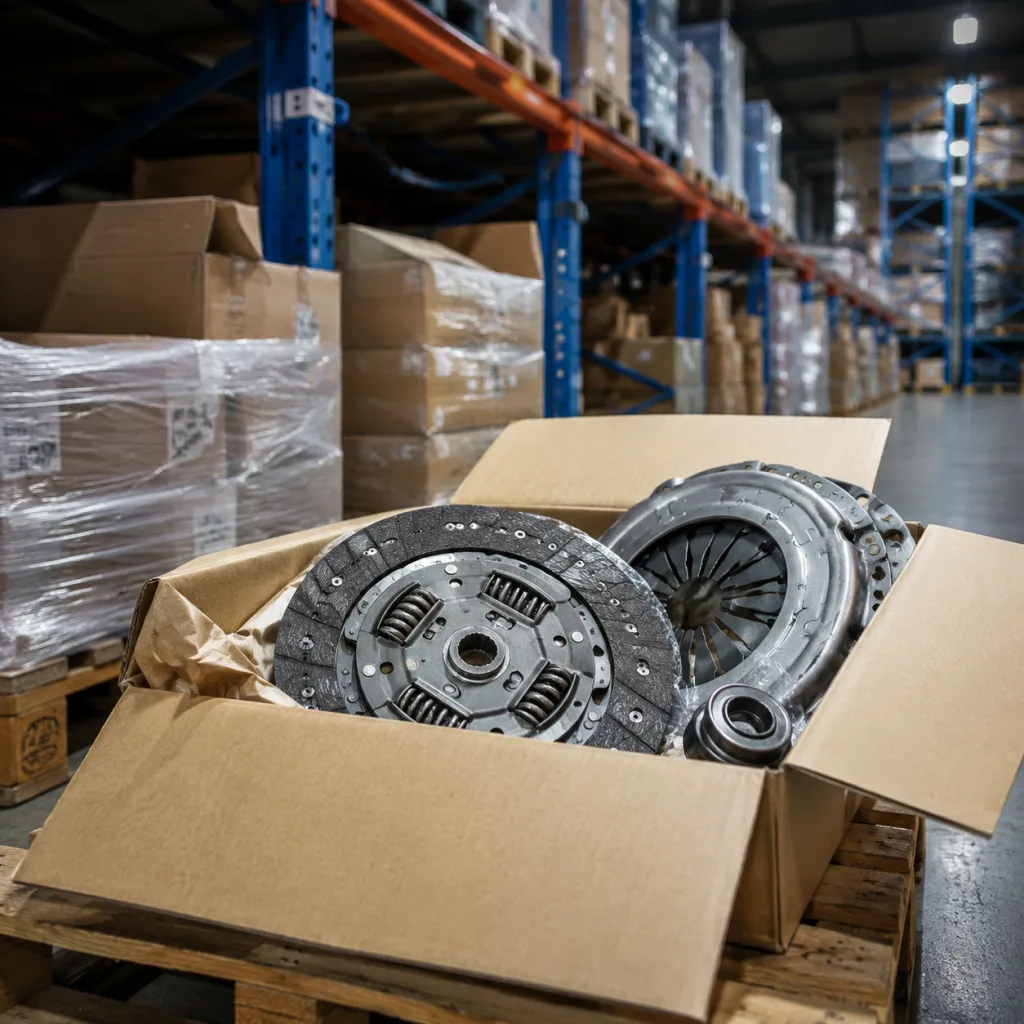
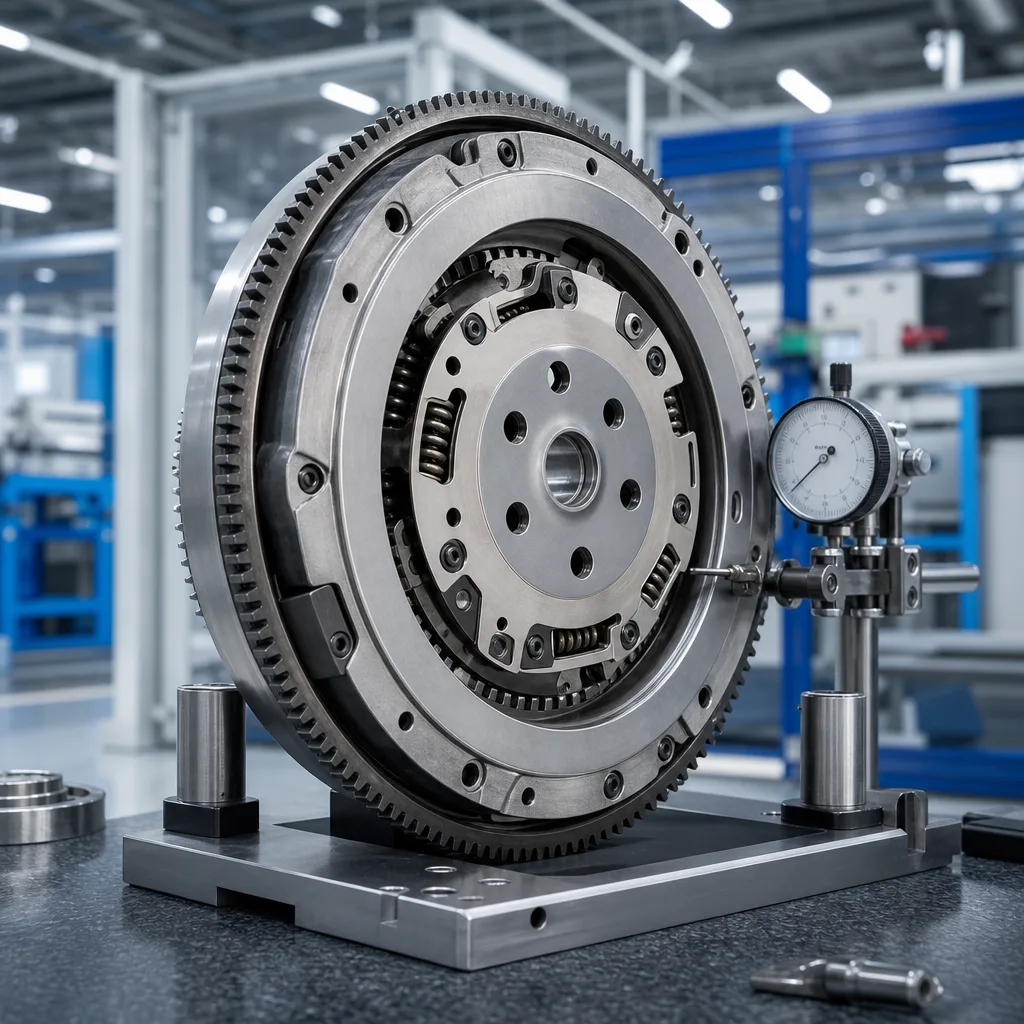
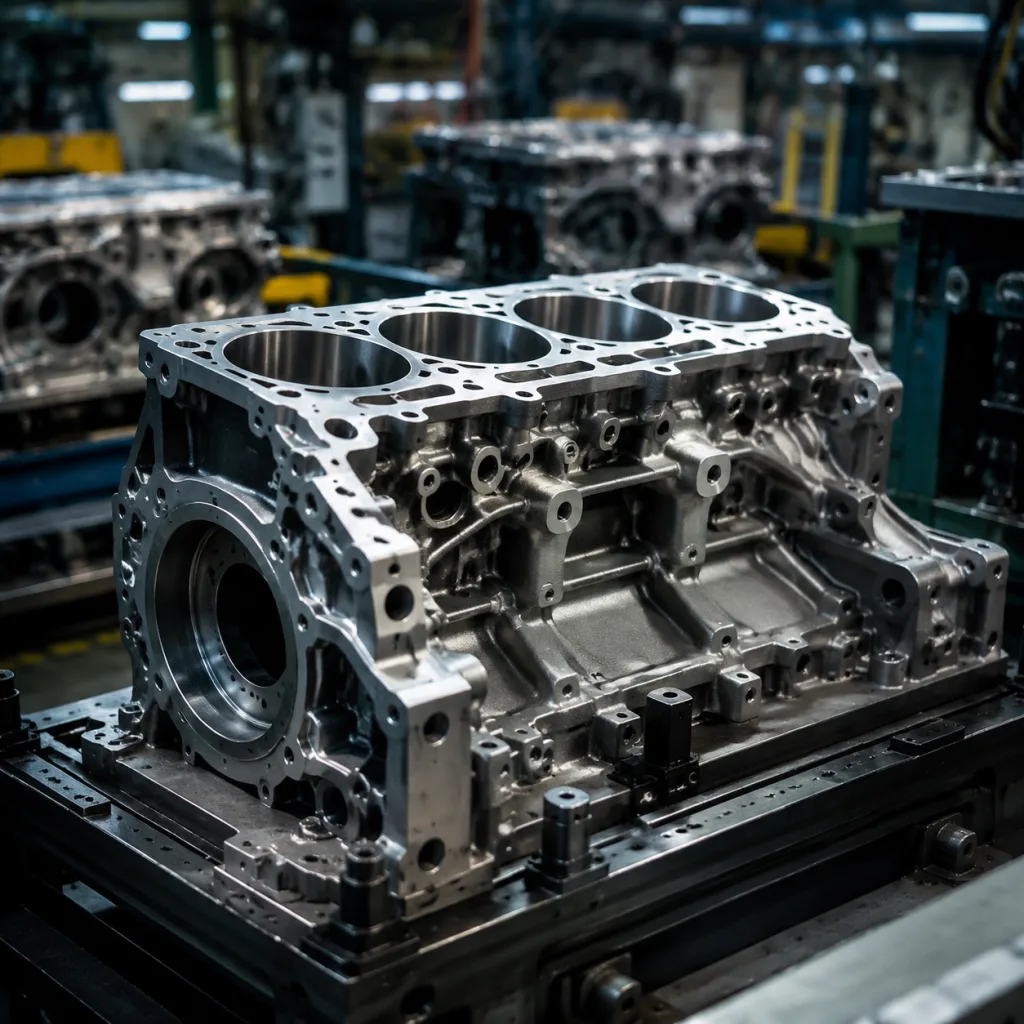
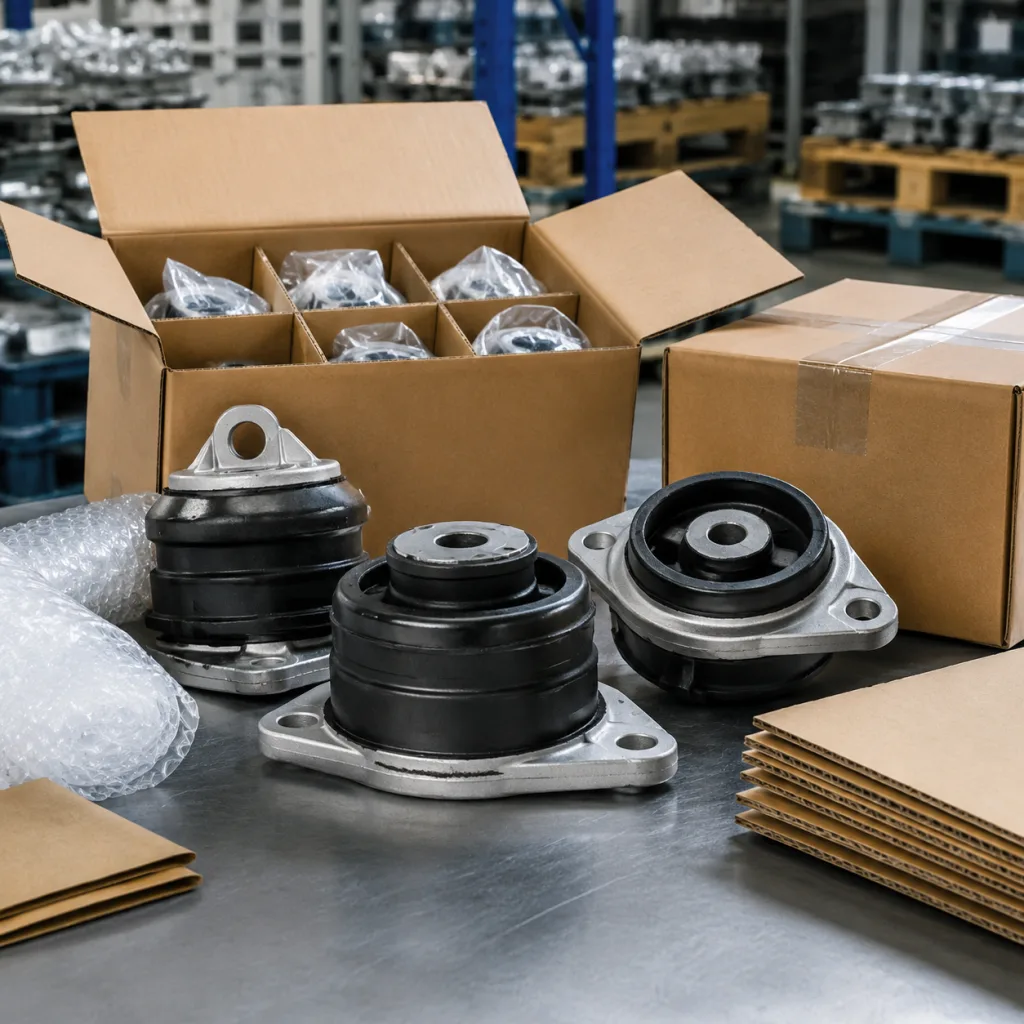
A clutch kit Fiat wholesale programme succeeds or fails on four controls: fitment accuracy, repeatable production quality, landed-cost discipline, and export reliability. Unit price matters, but it is not enough. Importers, distributors, and repair-chain buyers also need stable application data, controlled kit contents, batch traceability, packaging that survives export handling, and fast support when a market adds new references or changes private-label rules.
Driventus supplies clutch kits and related powertrain components from Taizhou, Zhejiang, for B2B customers in Europe, the UK, North America, Australia, and Brazil. This guide gives procurement teams a more practical sourcing framework for Fiat clutch kit programmes: what to lock before quoting, where failures usually appear, how MOQ and lead time really move, which validation records matter, and how to specify packaging and export documents. Driventus is an independent aftermarket manufacturer; Fiat and other brand names are referenced for fitment identification only.
Start With the Fitment Decision, Not the Price List
Fiat clutch kit demand is rarely one clean best-seller. It can include small passenger cars, light commercial vehicles, regional fleet applications, and older references that still move through repair channels. A buyer planning a wholesale range should decide first which applications must be covered, which can wait, and which are too risky without samples or drawings.
The decision should be made at kit level, not by vehicle name alone. Fitment control needs vehicle attributes plus measurable clutch details: disc outside diameter, spline count, spline major diameter, hub offset, cover bolt-circle diameter, pressure plate height, release bearing bore, and release mechanism type. A small change in the hub or bearing interface can turn a visually similar kit into a warranty problem.
A clutch kit may be specified as:
2-piece kit: clutch cover assembly and friction disc
3-piece kit: cover, disc, and mechanical release bearing
CSC kit: cover, disc, and concentric slave cylinder for hydraulic release applications
Kit with alignment tool when required by the buyer or repair-channel programme
Kit with installation note, carton label, or batch label for traceability
Common passenger-car clutch diameters may fall around 180 mm, 190 mm, 200 mm, 215 mm, 228 mm, and 240 mm. Do not quote from diameter alone. RFQ screening should check disc thickness, spline count, hub projection, cover height, diaphragm finger height, bearing contact face, mounting-hole position, and whether the release system is pull-type, push-type, mechanical, hydraulic, or CSC.
For portfolio planning, buyers can review our catalog to compare clutch kits with adjacent powertrain components. Where a distributor has private-label or reference-development requirements, custom manufacturing can support drawings, packaging specifications, controlled sample review, barcode rules, and phased range expansion.
A photo is not an approval document. Before volume commitment, confirm the friction material grade, clamp-load target, release-load range, spline count, hub offset, cover bolt pattern, release bearing interface, and market-specific packaging or labelling rules. That early check prevents false interchange, late quotation changes, and avoidable field claims.
Where Supplier Qualification Usually Breaks Down
Many supplier reviews stop at certificate collection. That is a weak filter. A Fiat clutch kit supplier should be able to show how one approved specification becomes one controlled batch and one traceable export carton. Driventus operates under IATF 16949:2016 and ISO 9001:2015 quality management systems, but the useful evidence is in the live production records.
Common failure modes include mixed bearings, substituted friction material, loose control of diaphragm spring height, inconsistent rivet setting, carton labels that do not match packed contents, and undocumented material changes after price negotiation. Each one is preventable if the audit follows the SKU through the factory instead of reviewing documents in isolation.
Key audit points for a clutch kit Fiat wholesale supplier include:
Audit area
What to verify
Procurement relevance
Material receiving
Steel plate grade, friction material batch, bearing supplier record
Reduces batch variation and warranty exposure
Pressing and machining
Flatness, runout, rivet setting, cover geometry
Supports pedal feel and release consistency
Assembly control
Spring position, clamp-load range, spline fit, bearing match
Prevents mixed-kit and fitment errors
Testing
Clamp load, release travel, noise, rotation, burst resistance where applicable
Confirms function before shipment
Traceability
Lot number, operator record, inspection sheet, carton label
</tr></thead><tbody> </tbody></table>A practical audit should follow one SKU from material receipt to packed carton. Ask for the friction facing batch certificate, cover stamping or casting record, heat-treatment or spring record where applicable, machining inspection sheet, assembly traveller, clamp-load test result, bearing incoming inspection, final inspection report, and finished-goods label. The point is simple: confirm that the approved bill of materials is being used, not quietly replaced under cost or availability pressure.
Useful controls include first-piece approval at production start, in-process inspection at defined intervals, final AQL inspection before packing, and retained samples for disputed batches. Many buyers use visual inspection levels aligned with ANSI/ASQ Z1.4 or ISO 2859-1, then add tighter internal sampling for clamp load, release load, spline fit, and bearing rotation.
Our quality system is structured for B2B procurement review, including inspection documentation, non-conformance handling, and batch traceability. If a customer uses its own audit format, Driventus can prepare process flow, control plan, inspection record samples, corrective-action examples, and packaging evidence before an on-site or remote review.
The best audit output is not a certificate copy. It is a chain of evidence linking approved specification, production batch, inspection result, and carton or pallet label.
MOQ and Lead Time: Compare the Scenario, Not the Average
There is no useful average MOQ for Fiat clutch kits. A stocked neutral-carton reference and a new CSC kit with private-label packaging behave like different sourcing projects. Order planning should compare scenarios by SKU activity, bought-in components, packaging format, validation work, and shipment consolidation.
Indicative planning ranges are:
Sourcing scenario
Typical MOQ logic
Typical lead-time logic
Existing active reference, neutral carton
Lower MOQ when materials and bearings are in stock; often planned by carton or pallet quantity
Commonly 30–45 days after deposit and specification freeze
Existing reference, private-label carton
MOQ affected by carton print run and label setup; mixed SKUs may be possible if artwork is shared
Commonly 40–55 days after artwork approval
New aftermarket reference
MOQ set after sample review, tooling check, friction material confirmation, and bearing sourcing
Commonly 60–90 days including sample validation
CSC kit or special bearing kit
MOQ driven by hydraulic unit or bearing supplier MOQ
Lead time depends on bought-in release system availability
Mixed-SKU shipment
MOQ may be calculated by SKU plus total order value or pallet efficiency
Schedule depends on the slowest SKU and packaging approval
</tr></thead><tbody> </tbody></table>Price should be quoted only after BOM confirmation. Disc diameter, cover weight, diaphragm spring specification, friction facing grade, bearing or CSC cost, anti-corrosion treatment, carton strength, private-label print quantity, inspection documentation level, and Incoterms can all change the landed result. A low EXW number may lose its advantage once pallet cost, inland freight, ocean freight, duty, damage risk, and warranty reserve are added.
The usual delay is not assembly capacity. It is incomplete item confirmation. At RFQ stage, provide the application list, target cross-reference convention where available, sample or drawing if needed, annual forecast, first-order quantity by SKU, destination market, preferred Incoterms, packaging rules, barcode format, and required inspection documents.
Separate first-launch SKUs from repeat replenishment items. Launch references may need sample approval, carton artwork, barcode setup, master-carton layout, pallet testing, and inspection reporting. Repeat items move faster once the BOM, packaging file, and acceptance criteria are locked. A practical rollout is to qualify high-volume references first, place a controlled initial order, monitor fitment and warranty feedback for 60–120 days, then add slower long-tail SKUs.
Driventus does not claim approval or endorsement by any vehicle manufacturer. Fitment is managed through technical cross-reference, dimensional verification, sample comparison where required, and buyer-approved application data.
Pre-Shipment Validation: The Checks That Catch Expensive Mistakes
Clutch kits are safety-relevant drivetrain components. Validation must cover both dimensions and function before a bulk shipment leaves the factory. The buyer and supplier should agree acceptance criteria before production, not after a field complaint.
Recommended validation items include:
Disc outside diameter and thickness measured against the approved drawing or golden sample
Spline count, spline major diameter, pilot fit, and hub offset check
Release bearing or CSC rotation, noise, leakage check where applicable, and interface fit
Static balance, cover runout, or disc runout check where specified by the buyer
Salt spray or corrosion resistance requirement when relevant to the destination market
A strong inspection plan separates critical, major, and minor characteristics. Critical defects include wrong kit contents, wrong spline, wrong bearing or CSC, insufficient clamp load, cracked cover, loose rivets, and severe oil or rust contamination. Major defects include dimensional out-of-tolerance results, noisy bearing rotation, incorrect label data, missing installation notes, or damaged cartons that affect resale. Minor defects usually cover cosmetic marks that do not affect fitment or function.
Tolerances should be written before production starts. Examples include outside diameter and hub dimensions to drawing tolerance, spline go/no-go gauge fit, cover mounting position checked by fixture, pressure plate flatness and runout checked on a calibrated bench, and clamp load or release load controlled within the approved engineering range. If no drawing exists, Driventus can work from an approved sample and recorded measurement report, but the sample condition and acceptable deviation must be agreed before bulk production.
Published management standards such as IATF 16949:2016 and ISO 9001:2015 define quality management expectations. Material compliance may be reviewed against REACH (EC) No 1907/2006 for EU supply chains. Clutch performance requirements are usually buyer-defined through drawings, approved samples, or technical specifications rather than one universal aftermarket standard for every Fiat application.
Where a customer requests PPAP-style evidence, Driventus can support dimensional reports, material declarations, inspection records, process flow, control plan, sample submission documents, and packaging confirmation according to the agreed sourcing route. For repeat orders, retained batch records and carton traceability connect shipped goods back to the approved specification.
A Warehouse Scenario: When Packaging Becomes a Cost Driver
Picture a mixed-SKU clutch kit shipment arriving at an overseas warehouse. The unit price looked good. Then receiving finds crushed cartons, loose bearings, unreadable barcodes, and two pallets where the packing list does not map cleanly to carton labels. The parts may be usable, but the buyer now pays in sorting time, claims handling, delayed resale, and branch-level confusion.
That is why packaging belongs in the purchase specification. Clutch kits are heavy enough to damage weak retail cartons, especially when references are consolidated in export pallets. Packaging must protect the kit from factory to overseas warehouse, not just look acceptable on a shelf.
A practical packing specification should define:
Individual kit carton dimensions, board grade, edge-crush or burst-strength requirement
Internal support for cover assembly, disc, bearing, CSC, and alignment tool where included
Rust prevention method for machined steel surfaces, such as VCI bag, oil film, or desiccant
Master carton or pallet loading pattern, gross weight limit, and stacking direction
Neutral, customer-brand, or private-label artwork with revision control
Country-of-origin marking and batch traceability label
Barcode format, SKU naming convention, and cross-reference display rules
Language requirements for installation notes, warning labels, or market-specific inserts
Packaging cost is part of landed cost. Heavier kits may need reinforced single cartons, corner protection, internal dividers, or molded pulp supports so the cover assembly does not crush the disc or bearing. Pallet plans should define cartons per layer, layers per pallet, pallet height, stretch-film method, strap position, and whether fumigation-free plywood pallets are required. For mixed SKUs, the packing list should map SKU, quantity, carton number, pallet number, net weight, gross weight, and batch code.
Market rules vary. EU and UK buyers may request material declarations and restricted substance checks under REACH (EC) No 1907/2006, and packaging waste obligations may apply through the importer or brand owner. For Brazil, import documentation, Portuguese label content, and customs classification should be confirmed before artwork release. For the US and Canada, carton durability, pallet handling, warehouse barcode compatibility, and country-of-origin marking are often the main operational concerns.
The lowest unit price becomes expensive if packaging causes returns, missing bearings, crushed cartons, barcode failures, or unidentified stock. Treat carton artwork, label data, pallet configuration, and export marks as controlled sourcing documents.
RFQ Q&A for Fiat Clutch Kit Importers
What should be in the RFQ before asking for price?
Prepare the commercial and technical data in one file. Include target vehicle applications, model years, engine codes, transmission details where known, kit contents, disc diameter, spline count, spline major diameter, hub offset, bearing type, annual forecast, first-order quantity by SKU, target ship date, destination country, Incoterms, packaging type, barcode rules, and required documents.
Which documents should the supplier quote against?
Use approved drawings, golden samples, buyer specifications, or a controlled cross-reference list. OE-style numbers should only be used where they already exist in the buyer data and are needed for identification. The supplier should not be forced to infer fitment from a short description or catalogue photo.
How should the RFQ table be structured?
A practical table includes buyer SKU, supplier cross-reference, application, kit type, disc diameter, spline count, bearing or CSC number, packaging type, first-order quantity, annual forecast, target ship date, destination country, and required documents. If target pricing is provided, state whether it is EXW, FOB, CIF, DAP, or another Incoterm so production cost and logistics cost remain separate.
When should private-label requirements be shared?
At the RFQ stage. Carton artwork, print quantity, label placement, barcode format, carton strength, country-of-origin marking, installation notes, and pallet layout can affect MOQ, lead time, and unit cost. Late packaging changes are one of the easiest ways to delay an otherwise ready order.
Can clutch kits be consolidated with other powertrain parts?
Yes. For buyers consolidating clutch kits with pistons, crankshafts, gaskets, water pumps, or turbochargers, supplier integration can reduce vendor management work and improve container planning. To start a structured sourcing review, buyers can request a quote with their application list, target volumes, documentation requirements, and packaging expectations.
The strongest RFQs are specific without being restrictive. They define application coverage and acceptance criteria while leaving room for the supplier to recommend active references, efficient MOQ breaks, better carton consolidation, and practical shipment scheduling.
Frequently asked questions
MOQ depends on whether the reference is already active, the bearing or CSC type, packaging format, and forecast volume. Existing neutral-carton references are usually more flexible than new or private-label items, while new references may require MOQ based on tooling, material, and bearing supplier minimums. Driventus confirms MOQ after reviewing the SKU list, kit specification, first-order quantity, and packaging requirements.
Yes. Private-label cartons, barcode rules, carton strength, label placement, country-of-origin marks, installation notes, and pallet layout can be specified before production. Artwork approval, carton print runs, label data, and carton durability requirements affect lead time and MOQ, so these details should be included in the RFQ.
No. Driventus does not claim vehicle manufacturer approval or endorsement. Driventus is an independent aftermarket manufacturer; brand names are referenced for fitment identification only. Fitment is controlled through cross-reference data, dimensions, approved samples, buyer specifications, and batch inspection records.
If you are building a Fiat clutch kit sourcing programme, send the SKU list, first-order quantity, annual forecast, target market, Incoterms, packaging requirements, and documentation needs for review. Our team can respond with MOQ, lead-time, validation, pricing basis, and export support options at /contact.html