clutch kit · 2026-05-28

Clutch Kit Cadillac Replacement: OE Match and Validation

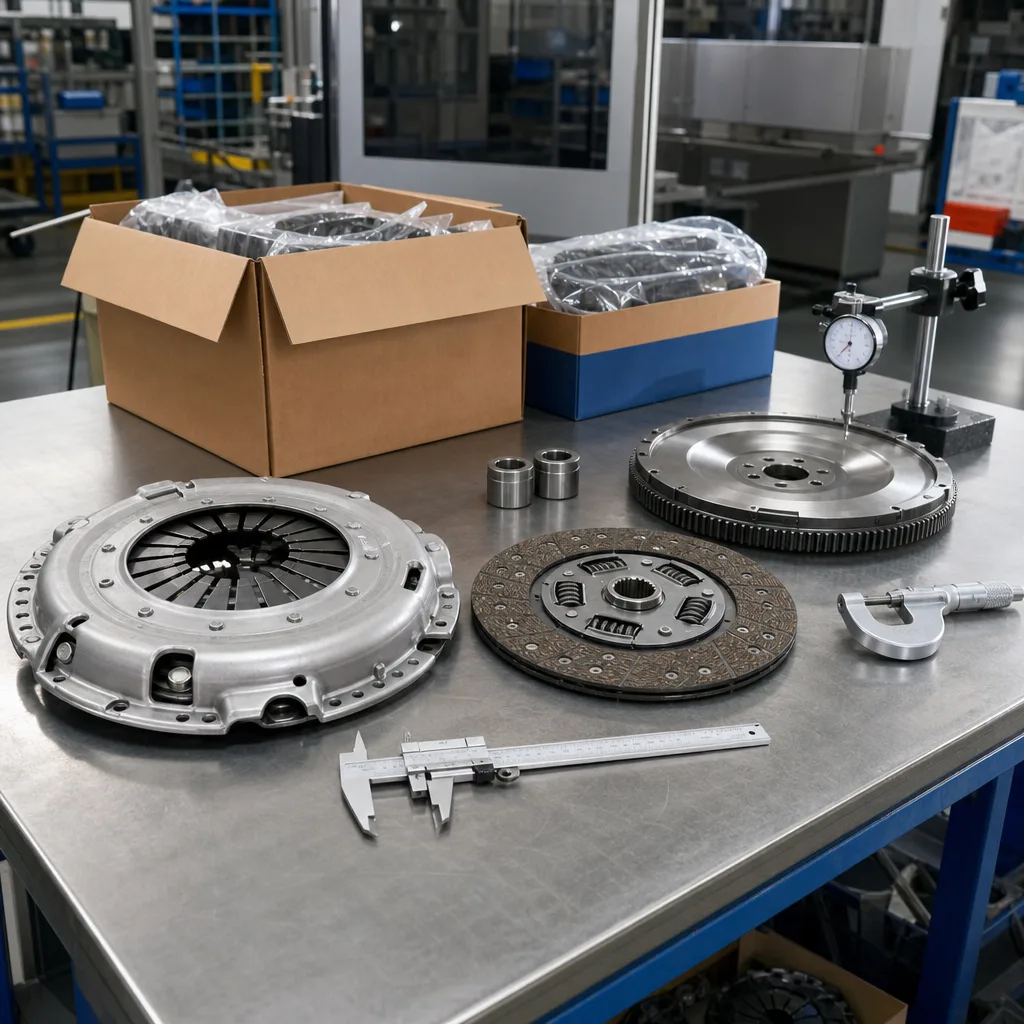
A clutch kit Cadillac replacement project should start with fitment control, not price. For procurement teams, the main risk is buying a kit that looks similar but differs in disc diameter, spline count, clamp load, release bearing design, or flywheel interface. Those differences can create noise, drag, poor pedal feel, or early wear after installation. Driventus supplies clutch kits as an independent aftermarket manufacturer; brand names are referenced for fitment only. We build and verify parts under IATF 16949:2016 and ISO 9001:2015 systems, with dimensional checks, material controls, and application matching for export markets. For Cadillac applications, the objective is OE-equivalent replacement: correct geometry, stable friction behaviour, and repeatable engagement across the service interval. Buyers should confirm OE cross-reference, transmission code, engine family, and whether the vehicle uses a conventional manual clutch or a dual-mass flywheel interface before placing a purchase order.

What a Cadillac clutch kit replacement must match

For replacement sourcing, the clutch kit must match the vehicle at the interface level, not only by model name. The critical checks are:

  • Disc outside diameter and hub spline count
  • Pressure plate bolt pattern and installed height
  • Release bearing type and guide sleeve fit
  • Input shaft spline profile and pilot bearing compatibility
  • Flywheel type: solid or dual-mass
  • Torque capacity and friction material grade

A correct kit should preserve pedal effort, engagement point, and release travel within the original vehicle envelope. For aftermarket buyers, the safest route is to validate the OE cross-reference, then confirm transmission code and engine variant against the application list. Driventus is an independent aftermarket manufacturer; brand names are referenced for fitment only.

Dimensional and material checks before purchase

Before approving a clutch kit for Cadillac replacement, buyers should review a fixed technical file. A practical comparison list is below.

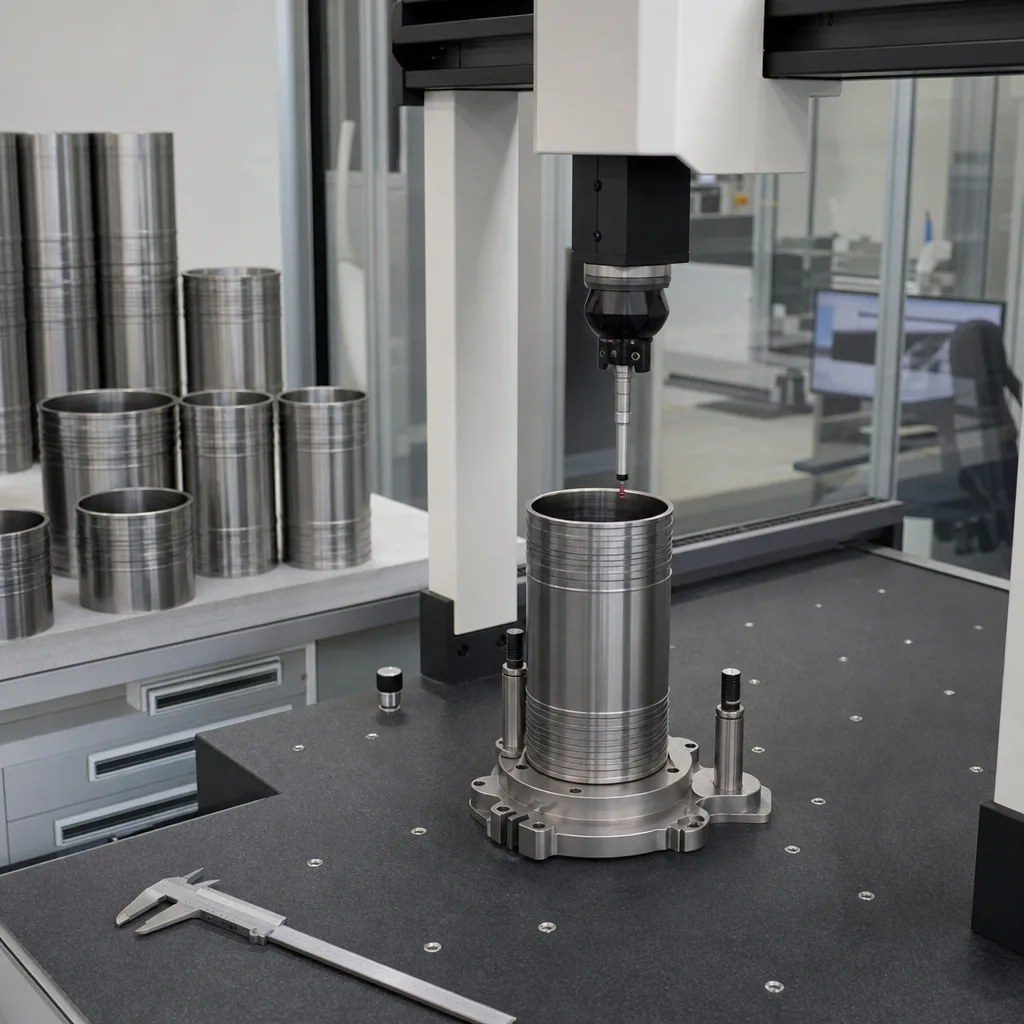
</tr></thead><tbody> </tbody></table>We recommend checking flatness, runout, and rivet depth during incoming inspection. For export programs, buyers often require documentation to REACH (EC) No 1907/2006 and material declarations for friction and metal components. If the application is performance-sensitive, ask for torque test data and thermal fade evaluation rather than relying on catalog description alone.

Validation testing for OE-equivalent replacement

OE-equivalent replacement means the part has been validated against the functional demands of the vehicle, not simply measured against an old sample. Typical validation for a clutch kit includes:

1. Dimensional inspection of disc, cover, and bearing components 2. Static torque capacity testing 3. Engagement and release travel confirmation 4. Thermal cycling and fade evaluation 5. Noise, vibration, and harshness screening 6. Corrosion resistance checks on metal surfaces

For North American and European procurement, published standards may also be referenced in broader programme requirements, including SAE J2527 for corrosion-related evaluation where relevant to component systems, and the manufacturer’s own internal test plan. If the part is used in a fleet or repair-chain programme, ask for traceable batch records and control-plan evidence under IATF 16949:2016. That reduces the chance of mixed-revision supply between shipments.

Sourcing controls for distributors and repair networks

Distributors and multi-location repair chains usually need three things: stable supply, low returns, and clear application coverage. A sourcing file should include:

  • OE reference and application list by chassis or drivetrain code
  • Minimum order quantity and carton pack size
  • Lead time by production batch
  • Country of origin and export documentation
  • Warranty terms and claim process

If a programme needs a non-standard kit, Driventus can support custom manufacturing for private label or special application work. For standard replacement lines, review our catalog and compare part families by disc size, cover design, and release system. Quality documentation is available through our quality system, including inspection flow, traceability, and certification references.

When a clutch kit should be replaced with related components

A clutch kit replacement is usually the correct action when the disc lining is below wear limit, the pressure plate face is heat-spotted, or the release bearing is noisy. Buyers should also consider adjacent components if the vehicle shows:

  • Flywheel hot spots or radial runout
  • Rear main seal leakage
  • Contaminated friction surfaces from grease or oil
  • Damaged pilot bearing or input shaft wear
  • Hydraulic release system faults

Replacing the kit without checking the flywheel or hydraulic actuator can cause repeat failure and unnecessary labour cost. In fleet service, the total job cost is often driven more by labour than parts, so a complete inspection is the right procurement decision. If the platform uses an OE number such as OE 06A107065 or a similar application reference, confirm the full assembly match before ordering. That is especially important where engine and transmission combinations vary by market.

Frequently asked questions

Match the OE cross-reference, transmission code, disc diameter, spline count, and flywheel type. Do not rely on model name alone. A sample or VIN-based application check is preferred before purchase.

No. Driventus is an independent aftermarket manufacturer; brand names are referenced for fitment only. We do not claim approval or endorsement by any vehicle manufacturer.

Yes. For programme-specific requirements, we can support custom manufacturing, packaging, and document control after fitment and technical review. Share your target application and volume forecast to begin.

If you need a verified replacement programme, compare applications in our catalog or send your OE reference and target market requirements. Request a quote at /contact.html.

Request a Quote
Check item What to verify Why it matters
Disc ODMatch to OE size within application specControls torque transfer and heat capacity
Hub splineTooth count and major diameterPrevents installation failure
Friction liningOrganic, ceramic, or reinforced organicAffects chatter, wear, and pedal feel
Pressure plateClamp load and cover geometryDetermines slip margin
Release bearingSealed or serviceable designAffects NVH and service life
Flywheel interfaceStep height and runout tolerancePrevents judder and drag