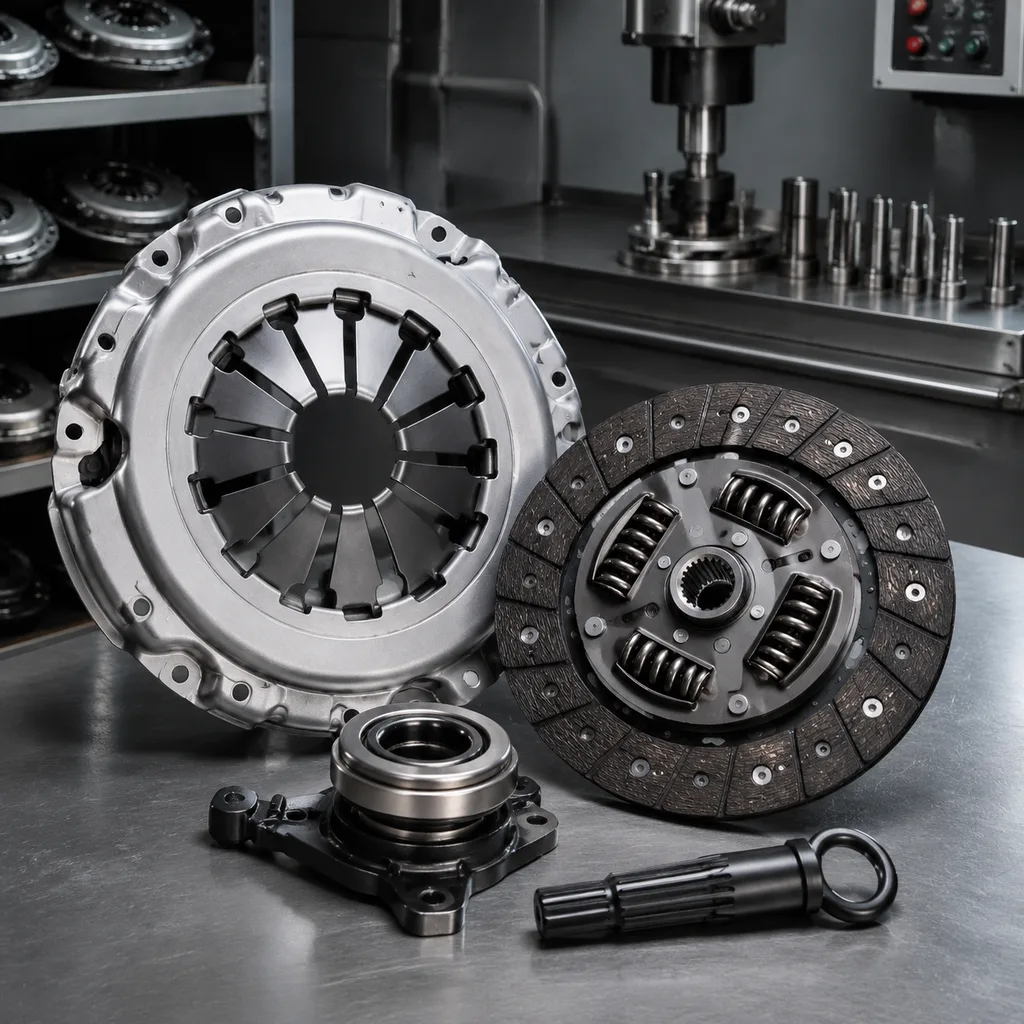
For BMW service channels, a clutch kit BMW OE equivalent must do more than fit inside the bellhousing. It has to reproduce the operating envelope of the reference application: clamp load, release travel, spline geometry, hub offset, friction response, torsional damping, and noise behavior. If those variables drift, workshops may see hard shifting, slip, judder, release bearing noise, or repeat labor claims even when the part number looks right.
B2B buyers also need consistency beyond the sample stage. A replacement clutch program should have traceable production lots, stable kit contents, export-ready packaging, reliable catalog data, and documents that can withstand distributor, importer, or repair-chain review. This guide shows the procurement checks used to qualify a clutch kit BMW OE equivalent for aftermarket replacement programs, including pressure plates, driven discs, release bearings, pilot bearings, concentric slave cylinders, bolts, and related service items.
It is written for category managers, sourcing engineers, import teams, and private-label buyers comparing suppliers for BMW replacement coverage. Driventus is an independent aftermarket manufacturer; BMW and other brand names are referenced for fitment identification only.
Decision point: what OE-equivalent really covers
OE-equivalence is not approval, endorsement, or supply status from the vehicle manufacturer. In aftermarket sourcing, it means the kit is engineered to match the original application closely enough for correct installation, normal pedal feel, reliable torque transfer, and acceptable noise, vibration, and harshness in replacement service.
For a clutch kit BMW OE equivalent, the match normally covers:
Disc outside diameter and compressed thickness at a defined measuring load
Spline count, major diameter, minor diameter, and spline form for full input-shaft engagement
Hub offset and damper package height so the disc clears the flywheel, cover, and gearbox input area
Diaphragm finger height and release travel window under installed load
Clamp load curve through the working travel range, not only peak clamp force
Release bearing or concentric slave cylinder contact diameter, guide sleeve fit, and travel compatibility
Torsional damper stiffness, hysteresis, and angular travel for idle rattle, launch feel, and shift comfort
Friction material coefficient range at cold, hot, fade, and recovery conditions
Static and dynamic balance of rotating components to reduce judder and driveline vibration
The kit should also contain the service parts expected by the repair channel for that application. Depending on the BMW model, engine, gearbox, and flywheel configuration, the package may include a pressure plate, driven plate, release bearing, concentric slave cylinder, pilot bearing or bush, alignment tool, bolts, grease sachet, installation note, or other application-specific hardware.
Treat catalog interchange as a screening tool, not final evidence. Cross-references help identify possible coverage, but they do not prove clamp load, release height, damper tuning, friction stability, or bearing compatibility. A credible supplier should be able to provide drawing-level data, measurement reports, control plans, and validation results for the kit assembly.
Failure modes to eliminate before launch
Most field rejections come from a short list of failures: the kit does not bolt up correctly, the release system geometry falls outside the working range, the clutch slips under load, or the vehicle develops judder, rattle, or bearing noise after installation. Those risks fall sharply when the complete kit is approved against target data instead of checking individual parts in isolation.
Check point
Typical verification method
Buyer requirement
Disc diameter and facing width
Vernier, CMM, production gauge
Match application drawing and tolerance band
Disc compressed thickness
Thickness gauge under specified load
Within functional release and clamp range
Hub spline
Go/no-go spline gauge or master shaft
Full engagement without binding or excess backlash
Hub offset
Height gauge on datum surface
Same orientation and offset as approved reference sample
Damper package clearance
Assembly fixture or reference flywheel/cover
No contact with cover, flywheel, or fasteners
Pressure plate bolt pattern
Fixture or CMM
Hole position, dowel location, and register diameter confirmed
Diaphragm finger height
Loaded height test
Within controlled release window
Clamp load
Compression test rig
Full curve compared with approved sample or specification
Cover runout
Dial gauge or rotating fixture
Controlled to reduce judder and uneven wear
Release bearing fit
Shaft, fork, or guide sleeve fixture
Correct travel, contact angle, and free movement
Kit assembly check
Reference flywheel and release fixture
Engagement and disengagement verified as a system
</tr></thead><tbody> </tbody></table>BMW applications can be sensitive to small changes in release height, especially where the release bearing, concentric slave cylinder, dual-mass flywheel, or self-adjusting clutch mechanism has a narrow operating window. A few millimeters of variation may cause hard shifting, incomplete disengagement, drag at idle, premature bearing preload, or a pedal feel that workshops interpret as a defect.
Buyers should therefore require assembled-kit verification using the intended flywheel type and release system. Where multiple engine codes or gearbox variants are grouped under one line, each variant should be checked for bolt pattern, cover height, disc offset, and bearing compatibility.
Driventus can review sample kits, drawings, and target fitment tables through custom manufacturing for distributors that require private-label, market-specific, or consolidated clutch kit programs.
Spec deep-dive: materials and durability proof
A clutch kit combines several material systems: stamped or cast steel components, cast iron or machined pressure rings, heat-treated diaphragm springs, damper springs, friction composites, rivets, bearings, seals, grease, coatings, and fasteners. Supplier control has to cover each part, because one weak component can set the service life of the full kit.
A practical validation package should include evidence for:
Friction material formulation control: batch records for fibers, fillers, binders, friction modifiers, and metallic content
Coefficient of friction testing: cold engagement, hot performance, fade, and recovery under representative pressure, speed, and temperature conditions
Wear and thickness stability: facing wear rate, rivet clearance, and post-cycle dimensional change
Burst testing: driven disc and cover assembly safety margin at rotational speeds above the normal operating range
Clamp load testing: new-part load curve and post-cycle load retention after thermal and mechanical cycling
Engagement durability: repeated start cycles, launch energy simulation, thermal loading, and wear measurement
Torsional damper testing: spring rate, hysteresis, angular travel, stop strength, and fatigue behavior
Bearing endurance testing: noise, grease retention, seal performance, temperature rise, and rotational smoothness
Fastener verification: grade, coating, thread engagement, torque specification, and where relevant, single-use replacement guidance
Corrosion resistance: plated or coated parts assessed under salt spray methods such as ASTM B117 when required by the buyer specification
There is no single public test standard that covers every passenger-vehicle clutch noise and drivability requirement. Many procedures are customer-specific and depend on engine torque, flywheel type, gearbox layout, and target-market expectations. The important requirement is repeatability. Suppliers should state the equipment used, load profile, temperature range, cycle count, sample size, acceptance criteria, and whether results are from development samples or serial production parts.
Environmental and material compliance may also be required for EU and UK import programs. Buyers should request declarations aligned with REACH (EC) No 1907/2006 and confirm whether customer-specific substance restrictions, restricted metals, or packaging material rules apply in the destination market.
Step-by-step: locking down repeat order quality
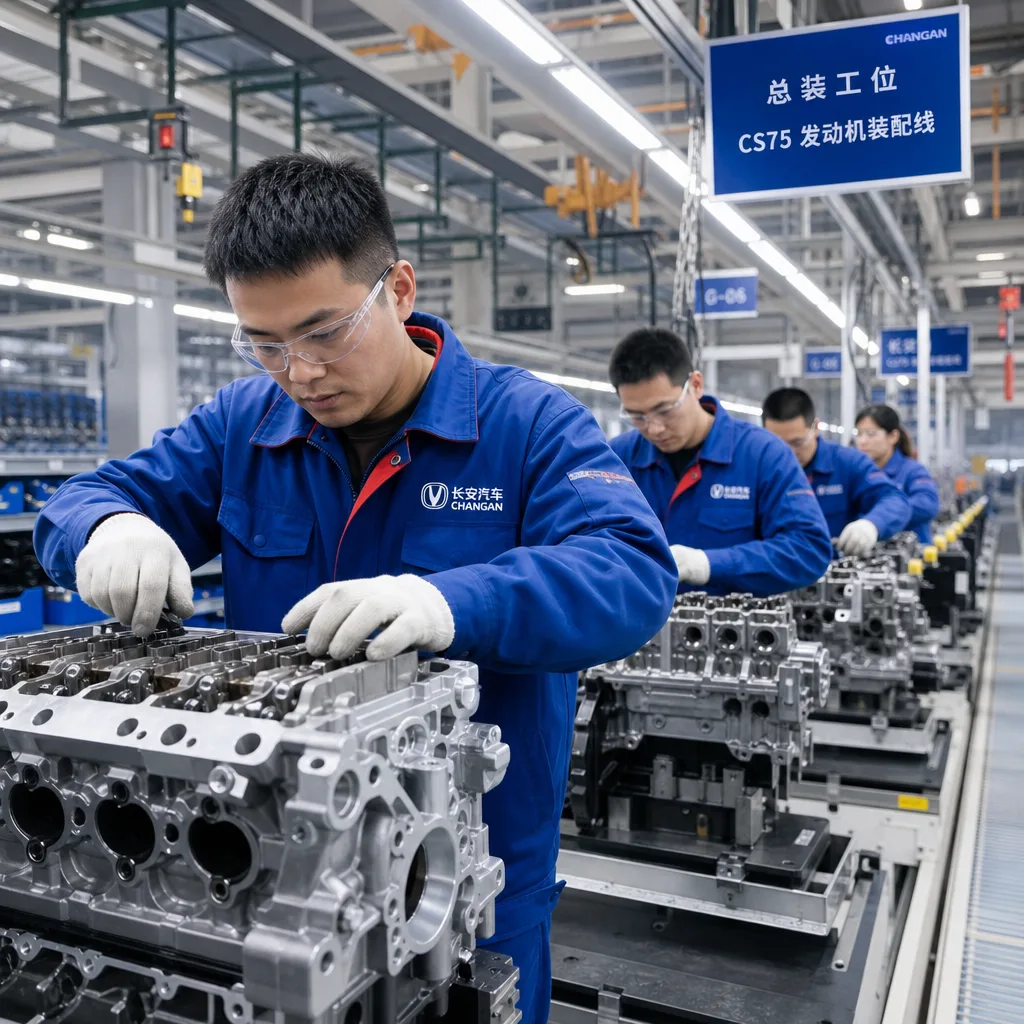
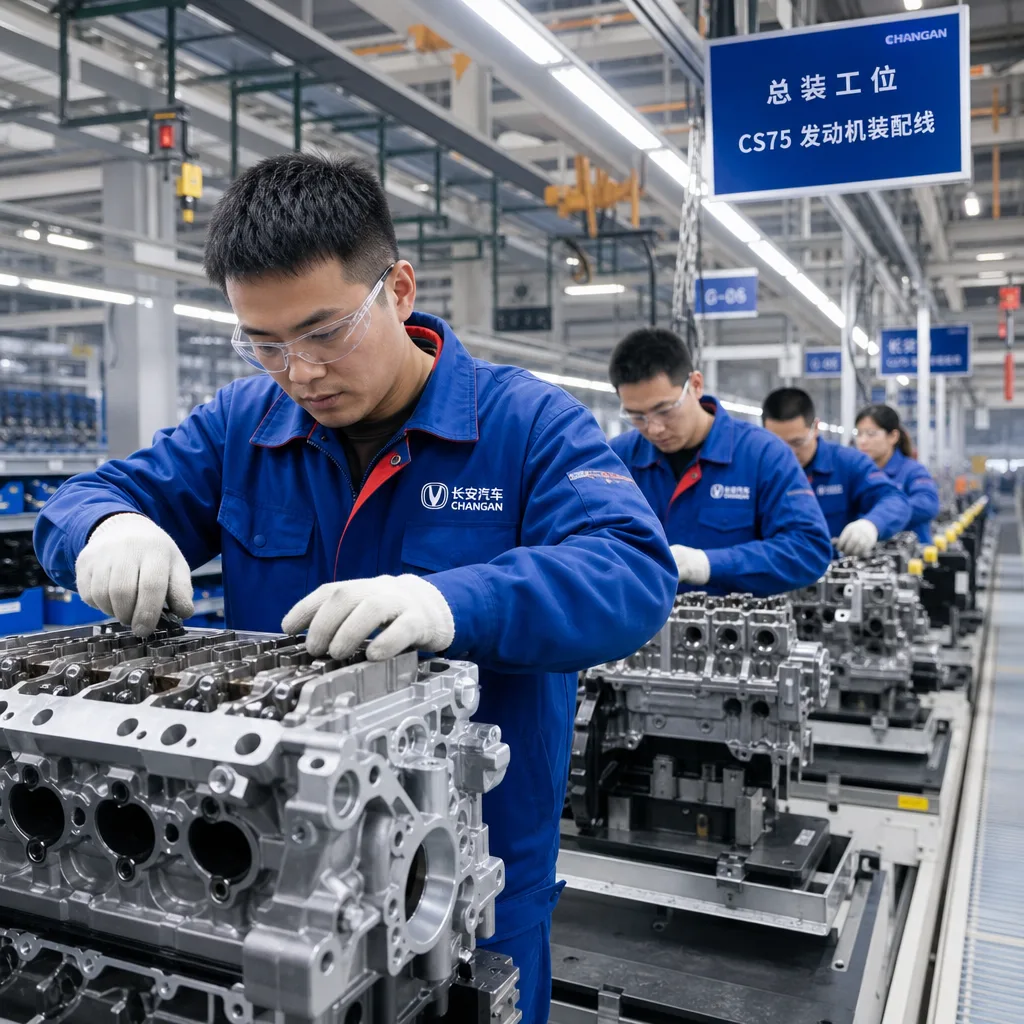
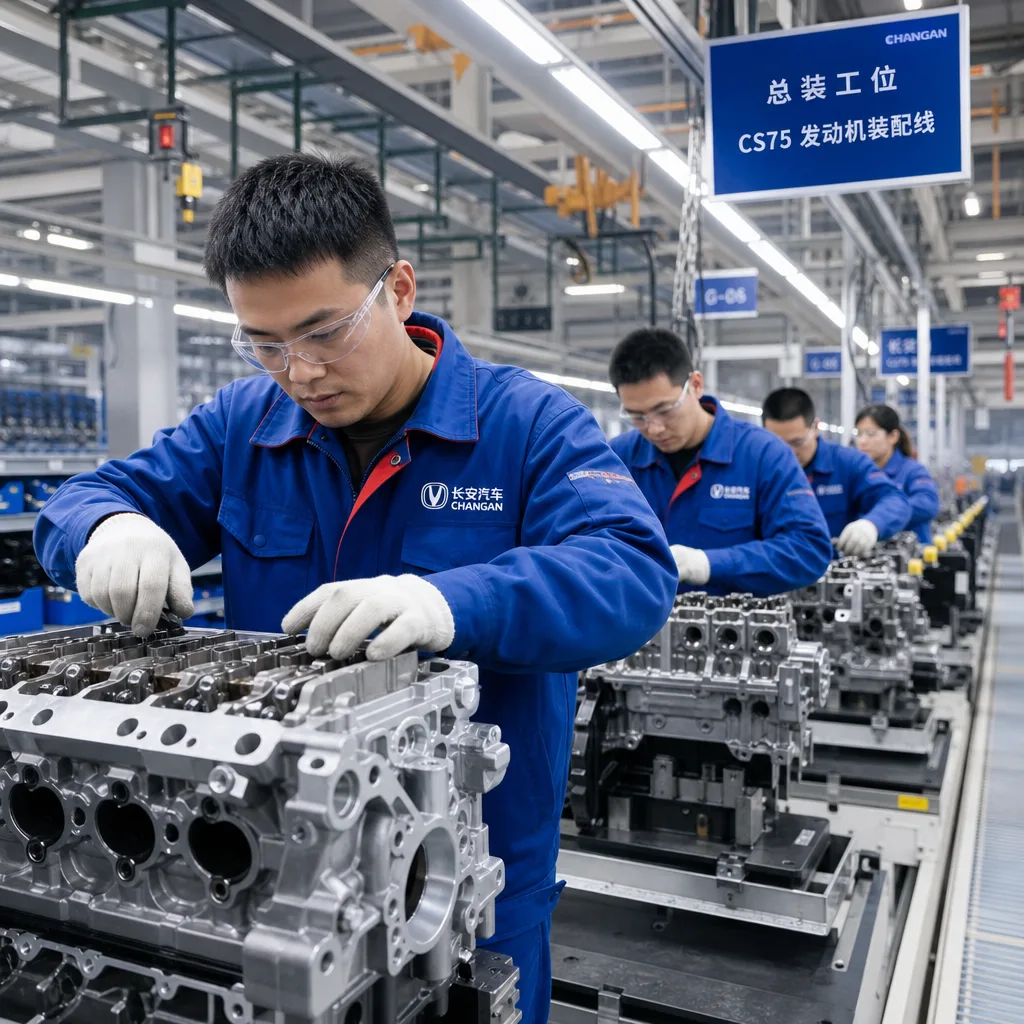
A first article sample can pass while later production drifts. For long-term supply, the factory control plan matters as much as the approved sample because clutch kits depend on stable forming, machining, heat treatment, riveting, balancing, bearing assembly, and final packing.
Driventus operates under IATF 16949:2016 and ISO 9001:2015 for automotive component manufacturing and process control. Our quality system is structured around incoming inspection, in-process checks, final inspection, traceability, corrective action management, and continuous improvement.
For clutch kit production, buyers should ask suppliers to confirm:
Control plan by component and by final kit assembly
PPAP-style documentation when required by the customer or program
Approved drawings, tolerances, and engineering change control
Material certificates for the cover, pressure ring, diaphragm spring, hub, rivets, and friction material batches
Heat treatment records for diaphragm springs and damper springs
Friction material batch traceability from mixing through curing and machining
Riveting force monitoring or validated riveting parameters
Clamp load and finger height inspection frequency
Balance inspection method, acceptance criteria, and sampling plan
Bearing supplier traceability, grease specification, and seal control
Final kit content verification before carton sealing
Lot coding on parts, labels, cartons, or pallets
Packaging drop-test or transport simulation method for export cartons
Nonconforming material segregation and 8D corrective action procedure
For importers and multi-location repair chains, traceability is not an administrative detail; it is a cost-control tool. A complaint may appear months after sale, after the kit has moved through central warehouse, regional branch, installer, and end user. The buyer must be able to identify production date, batch, inspection record, component source, and shipment history quickly enough to contain stock, answer the customer, and protect other branches from the same risk.
A practical audit should combine document review with process observation. Buyers can ask to see how critical dimensions are gauged, how calibration is managed, how kit contents are checked, and how engineering changes are communicated before the next shipment.
Scenario: packaging and catalog control for the channel
For replacement programs, catalog accuracy is a commercial risk as much as a technical requirement. A well-made kit can still generate high returns if the application range is too broad, engine-code notes are missing, the flywheel requirement is unclear, or the carton contents do not match workshop expectations.
Driventus recommends that each clutch kit line be controlled with:
Internal part number and customer part number mapping
Vehicle application range with model, engine code, gearbox, production year, and market notes where available
Flywheel type information, especially where dual-mass and solid flywheel conversions are both present in the market
OE reference format where applicable, such as OE 06A… or OE 11251… style references when provided by the customer data source
Interchange references separated clearly from approval or endorsement claims
Kit contents list with quantity, component description, and service-item notes
Carton label with barcode, batch number, part number, quantity, and country of origin
Inner protection for the friction disc, pressure plate machined surface, bearing, and small parts
Installation cautions for self-adjusting clutch mechanisms, concentric slave cylinders, flywheel inspection, alignment, and bolt replacement
Revision control for application data, label artwork, and packaging specifications
Driventus is an independent aftermarket manufacturer; brand names are referenced for fitment only. Catalog text, labels, and web listings should avoid wording that implies vehicle manufacturer approval unless that approval is formally documented.
Packaging should be designed for the full distribution route, not only the factory-to-importer shipment. Clutch kits are heavy, contain machined surfaces, and often move through multiple warehouses before installation. Export cartons should protect against drop damage, moisture, crushed corners, missing small parts, and barcode loss.
Buyers can review related engine and powertrain replacement components in our catalog. For clutch kit programs, we can support neutral packaging, customer label formats, pallet configuration, carton optimization, and consolidated shipment with other powertrain items when the purchasing plan requires it.
Q&A: supplier approval checklist for buyers
Before approving a clutch kit BMW OE equivalent for distribution, procurement teams should separate quotation sampling from technical validation. A sample that looks acceptable on a desk may still fail if release geometry, clamp load, friction behavior, or kit contents are not confirmed. The program should not move from quote stage to production order until the technical, commercial, and compliance points are documented.
Technical approval checklist
Reference sample, OE data source, or drawing confirmed for each application
Disc, hub, cover, pressure ring, and bearing dimensions measured against target data
Hub offset and damper clearance checked in the correct assembly orientation
Clamp load and release height test reports reviewed
Friction fade, recovery, and wear data available
Bearing endurance, noise, and grease-retention checks completed
Balance and runout inspection method confirmed
Flywheel compatibility and release system notes reviewed
Packaging sample tested for export and branch-level handling
Lot traceability method shown on sample labels and cartons
Commercial and supply checklist
MOQ agreed by part number, carton type, and label format
Lead time confirmed for first order, repeat order, and urgent replenishment
Incoterms, carton dimensions, gross weight, and pallet quantity documented
Private-label artwork approval process defined before mass packing
Application table responsibility agreed between buyer and supplier
Complaint handling, evidence requirements, and credit procedure agreed
Audit access or remote factory review available
Compliance documents prepared for the target market
Spare labels, barcode format, and carton revision control confirmed
For replacement buyers, the lowest unit price is rarely the lowest landed cost if return rates, missing kit contents, unclear application data, or weak packaging create branch-level losses. A controlled OE-equivalent program should reduce installer complaints, simplify inventory management, and make it easier to scale coverage across multiple regions.
The best supplier discussions are specific. Instead of asking only for a price on a cross-reference, provide the target application list, expected annual volume, packaging route, documentation requirements, and any known field issues from the current supplier. That information allows the manufacturer to confirm whether an existing line is suitable or whether dimensions, contents, testing, or packaging need adjustment before launch.
Frequently asked questions
No. OE-equivalent means the kit is engineered to match the required fitment, dimensions, and performance characteristics for replacement use. It does not mean approval, endorsement, or genuine-part status from any vehicle manufacturer.
Request drawings or measurement reports, clamp load data, release height data, friction test results, material declarations, quality certificates, packaging specifications, and traceability samples. For larger programs, request control plans, PPAP-style documentation, and evidence of production lot control where required.
Yes. Driventus can support customer packaging, label formats, application tables, barcode requirements, pallet configuration, and kit-content configurations, subject to MOQ and technical review. Samples and validation requirements should be confirmed before production.
If you are comparing clutch kit suppliers for BMW replacement coverage, share your application list, target packaging, documentation requirements, and annual volume. Our team can review fitment and quotation details when you [request a quote](/contact.html).