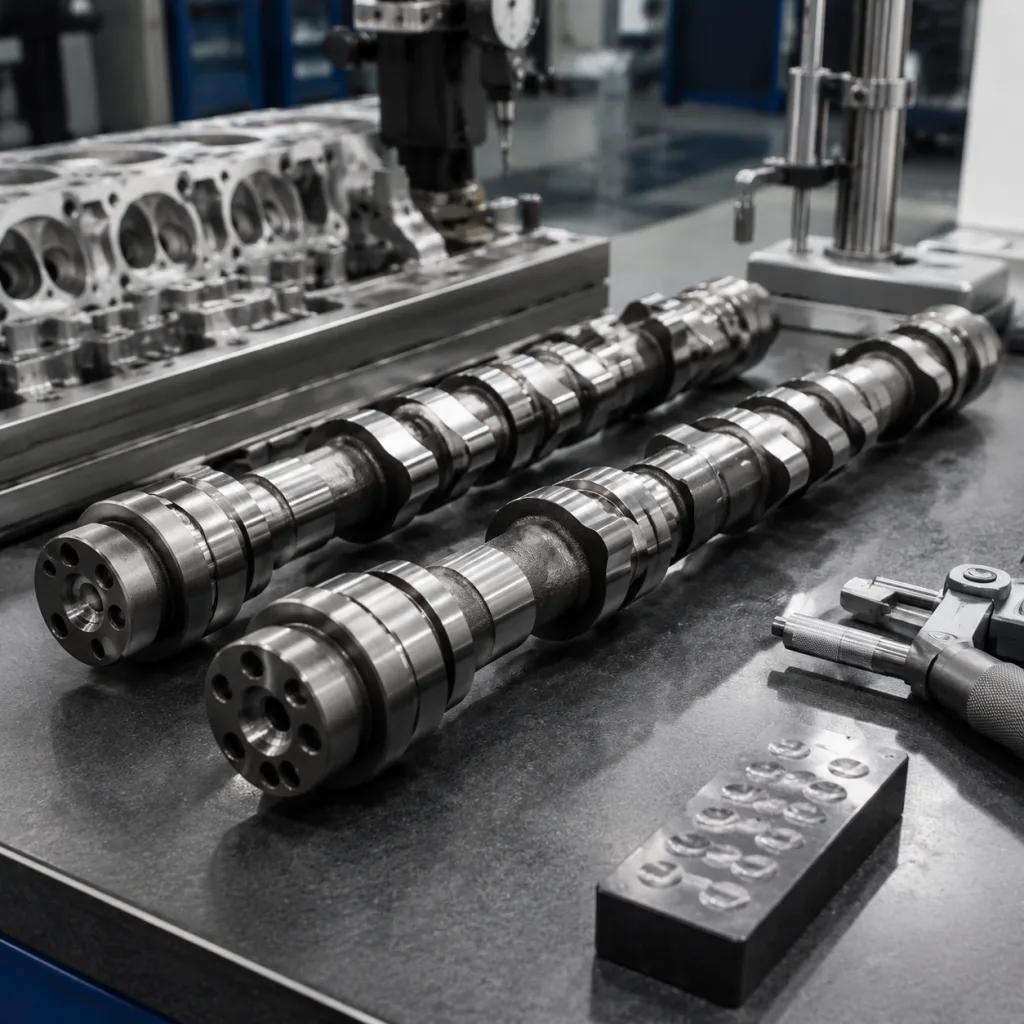
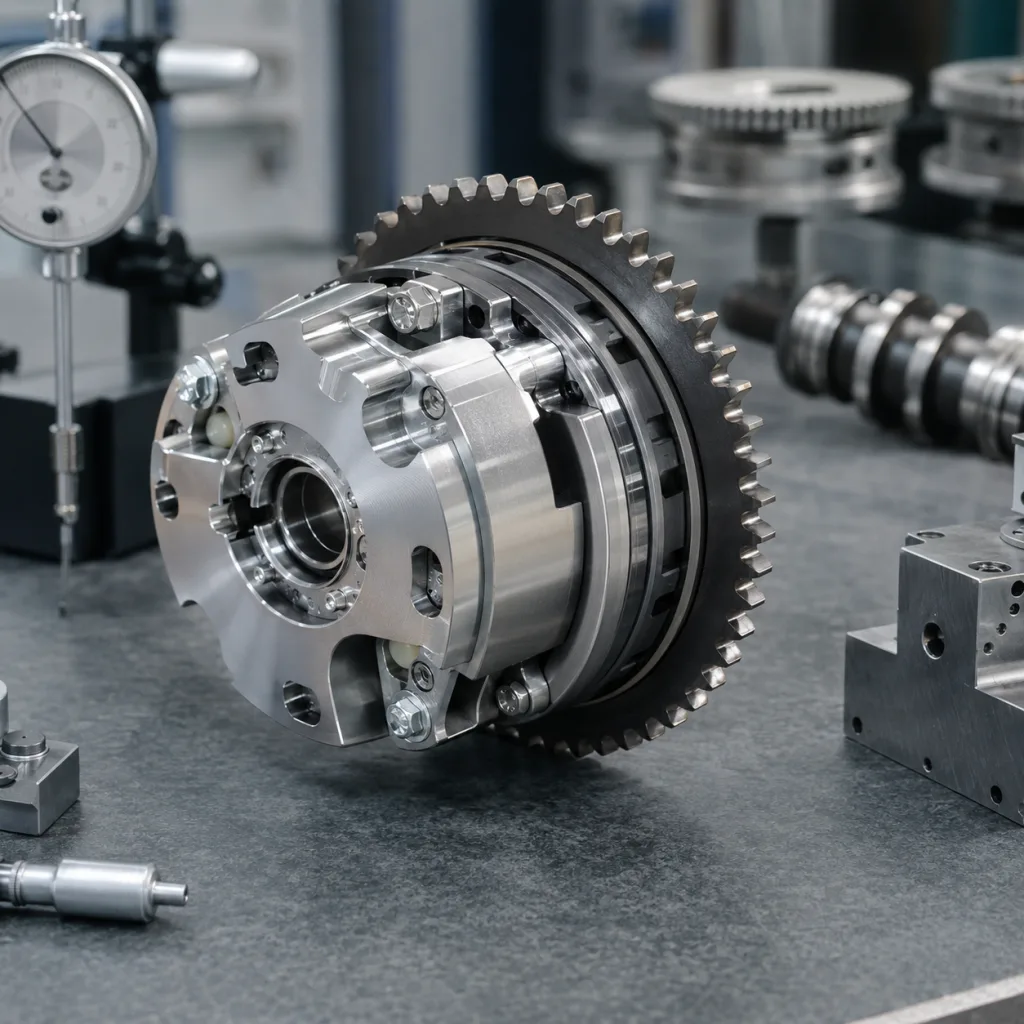
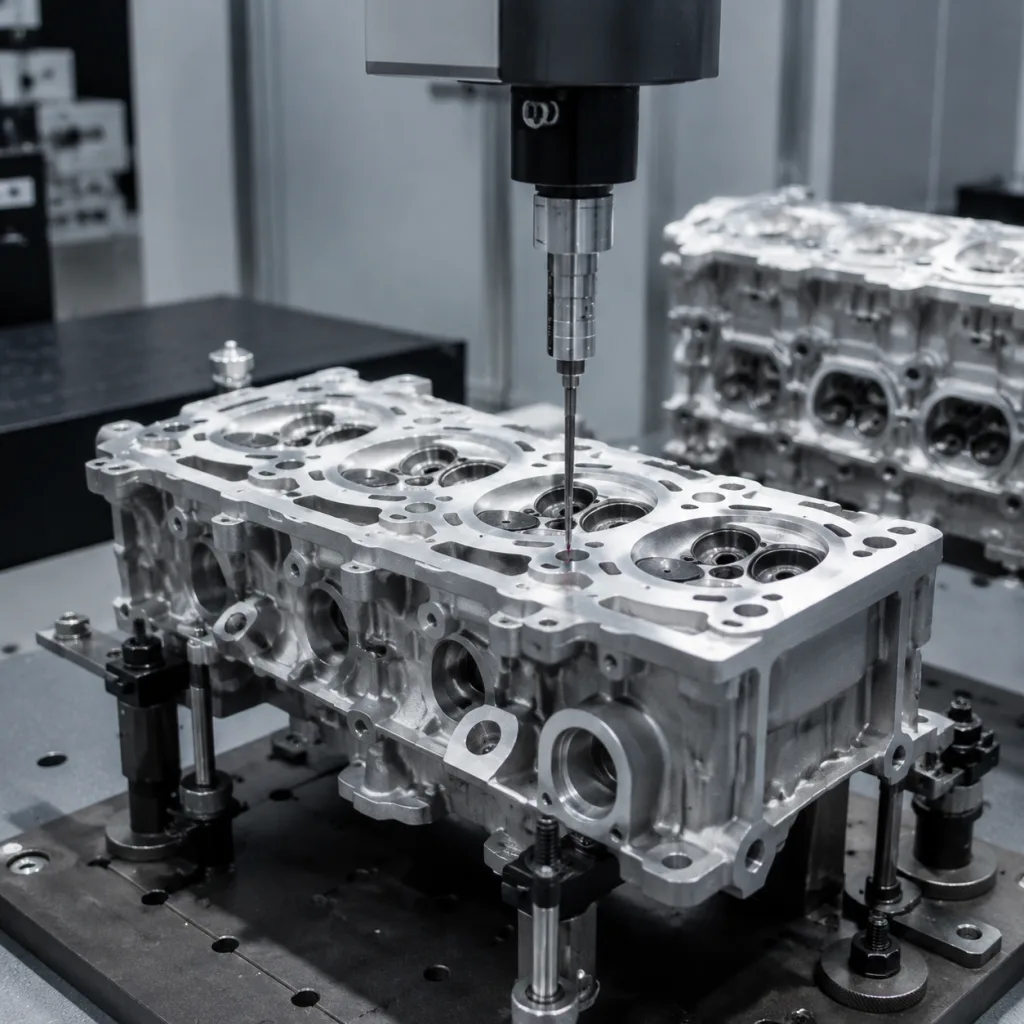
Clutch Kit BMW Aftermarket Replacement Sourcing Guide
A clutch kit BMW aftermarket replacement programme succeeds when fitment accuracy, friction stability, and supply reliability are managed together. For distributors, repair chains, importers, and private-label buyers, vehicle coverage is only the starting point. Each kit must match the original assembly’s working envelope for clamp load, release travel, flywheel compatibility, spline fit, pedal feel, and noise behaviour after repeated heat cycles. Driventus manufactures clutch kits for passenger car and light commercial applications, including BMW fitment ranges, with production controls aligned to IATF 16949:2016 and ISO 9001:2015. Typical kits include a pressure plate, driven disc, release bearing or concentric slave cylinder where applicable, and installation accessories by application. Driventus is an independent aftermarket manufacturer; brand names are referenced only to identify fitment. This guide explains how procurement teams can assess OE-equivalent aftermarket clutch kits before range expansion, container orders, or private-label supply.
What OE-Equivalent Replacement Means for BMW Fitment
For a replacement clutch kit, OE-equivalence means the assembly is engineered to fit and operate within the functional envelope of the original design. It does not mean approval, endorsement, or supply to the vehicle manufacturer. Buyers should therefore define measurable requirements instead of relying on broad catalogue language.
Key fitment checks include:
- Disc outside diameter and thickness under clamp load
- Hub spline count, spline major diameter, and lead-in chamfer
- Pressure plate bolt pattern, register diameter, and installed height
- Diaphragm spring finger height and release bearing contact geometry
- Flywheel type: single-mass, dual-mass, or application-specific conversion
- Release system type: mechanical bearing, hydraulic bearing, or concentric slave cylinder
BMW applications often use dual-mass flywheels and hydraulic release systems, so the stack height and release geometry must be treated as critical dimensions. A small mismatch in installed height or release travel can create drag, judder, incomplete disengagement, difficult gear selection, or excessive release bearing load. For this reason, a clutch kit BMW aftermarket replacement range should be validated by application family, gearbox code, and flywheel design rather than by nominal disc diameter alone.
Procurement teams can review related drivetrain and engine items in our catalog when consolidating shipments across clutch kits, gaskets, pumps, and rotating components.
Core Specifications Buyers Should Confirm
A useful buying specification converts fitment data into clear acceptance criteria. The table below summarises common checks for BMW aftermarket clutch kits. Final values depend on the application, engine torque, gearbox code, release system, and flywheel design.
| Specification area | What to verify | Why it matters |
|---|---|---|
| Driven disc diameter | Nominal diameter and tolerance by application | Controls torque capacity and flywheel contact area |
| Hub spline | Tooth count, major diameter, minor diameter, fit clearance | Prevents assembly interference or gearbox input shaft fretting |
| Disc runout | Axial runout measured before packing | Reduces engagement vibration and pedal pulsation |
| Facing material | Organic, reinforced organic, or application-specific compound | Balances friction stability, wear, heat resistance, and drivability |
| Pressure plate clamp load | Static clamp force within agreed tolerance band | Maintains torque transfer without excessive pedal effort |
| Cover balance | Residual imbalance after assembly balancing | Limits vibration at engine speed |
| Release bearing interface | Contact diameter, height, and bearing travel | Prevents over-travel, noise, and early bearing failure |
| Packaging | Disc protection, bearing separation, corrosion control | Reduces transit damage in export handling |
| Evaluation factor | OE-equivalent aftermarket kit | Low-cost generic kit |
|---|---|---|
| Fitment control | Application-specific dimensions and release geometry | Broader interchange assumptions |
| Friction material | Defined compound with batch checks | Variable compound sourcing may occur |
| Clamp load | Controlled to an agreed drawing or specification | May rely on limited sampling |
| Release bearing | Matched height and contact profile | Bearing may be selected mainly by size |
| NVH behaviour | Damper springs, balance, and runout controlled | Higher risk of judder, rattle, or pedal pulsation |
| Traceability | Lot-level records for warranty review | Limited batch visibility |
| Packaging | Export-grade separation and corrosion protection | Basic carton protection |