Clutch Kit Acura Replacement: OE Match Checks for Buyers
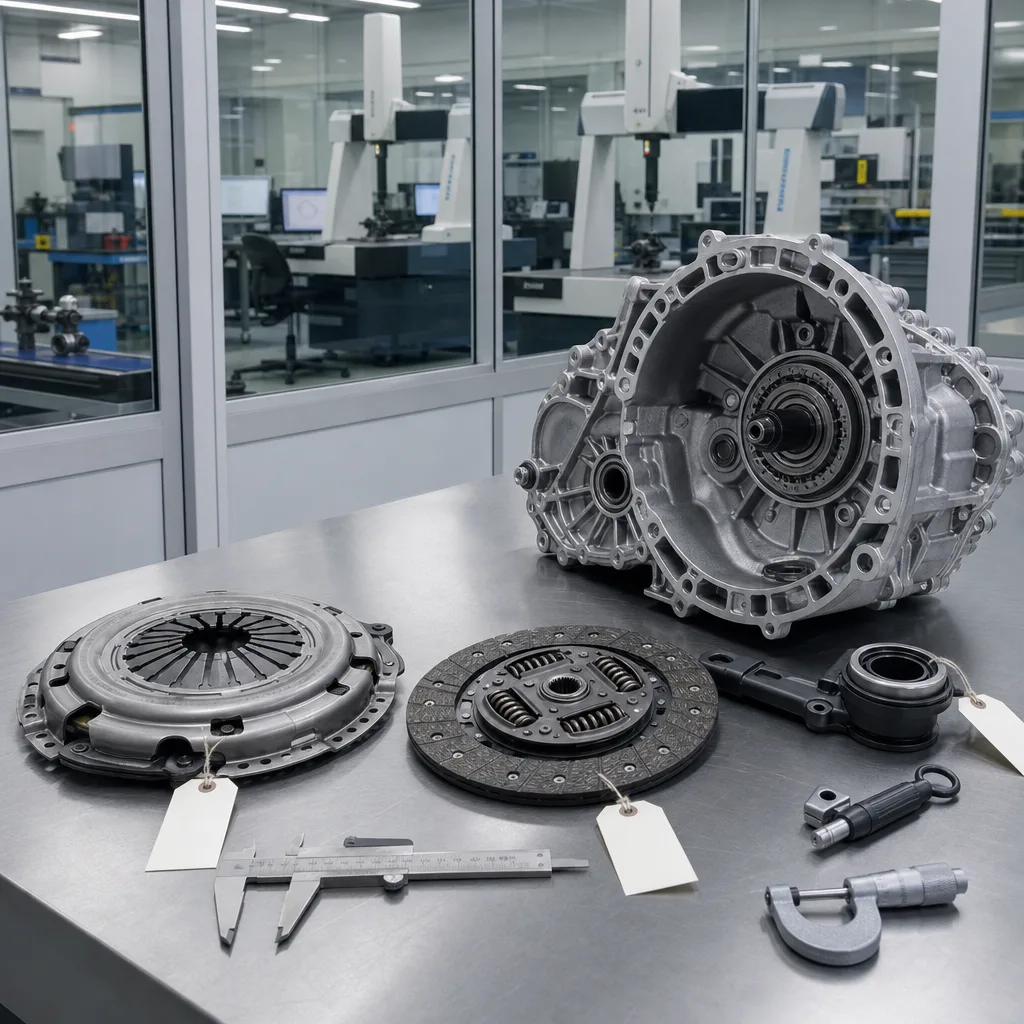
For clutch kit Acura replacement programs, buyers should treat fitment as a dimensional and process-control issue, not a brand-name exercise. The correct kit must match the engine family, transmission type, spline count, hub offset, cover height, release bearing interface, and flywheel working surface. Small deviations can cause drag, chatter, or early lining wear, even when the box description looks correct. Driventus is an independent aftermarket manufacturer; brand names are referenced for fitment only. Buyers should ask for measured samples, material declarations, and process records before approving a supplier. For B2B replenishment, the most useful data are the same ones a plant uses internally: verified dimensions, stable clamp load, traceable batch control, and packaging that protects the friction surfaces in transit.
What must match on an Acura application
Do not match by model name alone. Acura platforms can share the same body style while using different engines, gearboxes, and release systems, so the buyer needs the actual build data before approving a replacement kit.
Disc outside diameter and spline count must match the transmission input shaft.
Hub offset and damper stack height must clear the bellhousing and the flywheel face.
Pressure plate bolt circle and installed height must match the cover pattern and pedal effort target.
Release bearing height and contact profile must suit the fork or concentric slave design.
Flywheel step and surface finish must be checked before the kit is released to production.
If the car uses a dual-mass flywheel, decide early whether the replacement strategy is to retain the original architecture or convert to a single-mass setup. That choice affects noise, vibration, and pedal feel, so it should be fixed during sourcing, not at installation.
Component-level checks buyers should request
A procurement review should break the kit into measurable parts, then compare each item against the OE drawing, a mastered sample, or a verified benchmark unit.
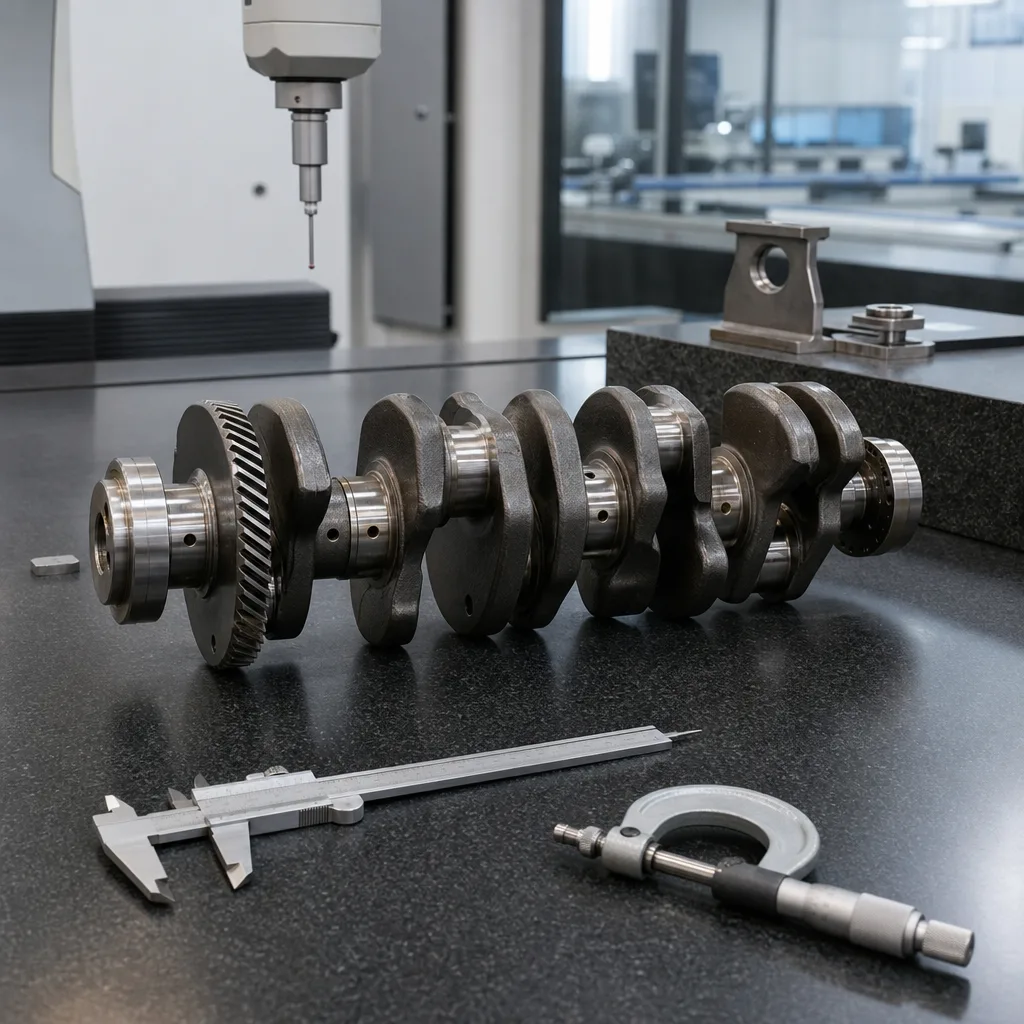
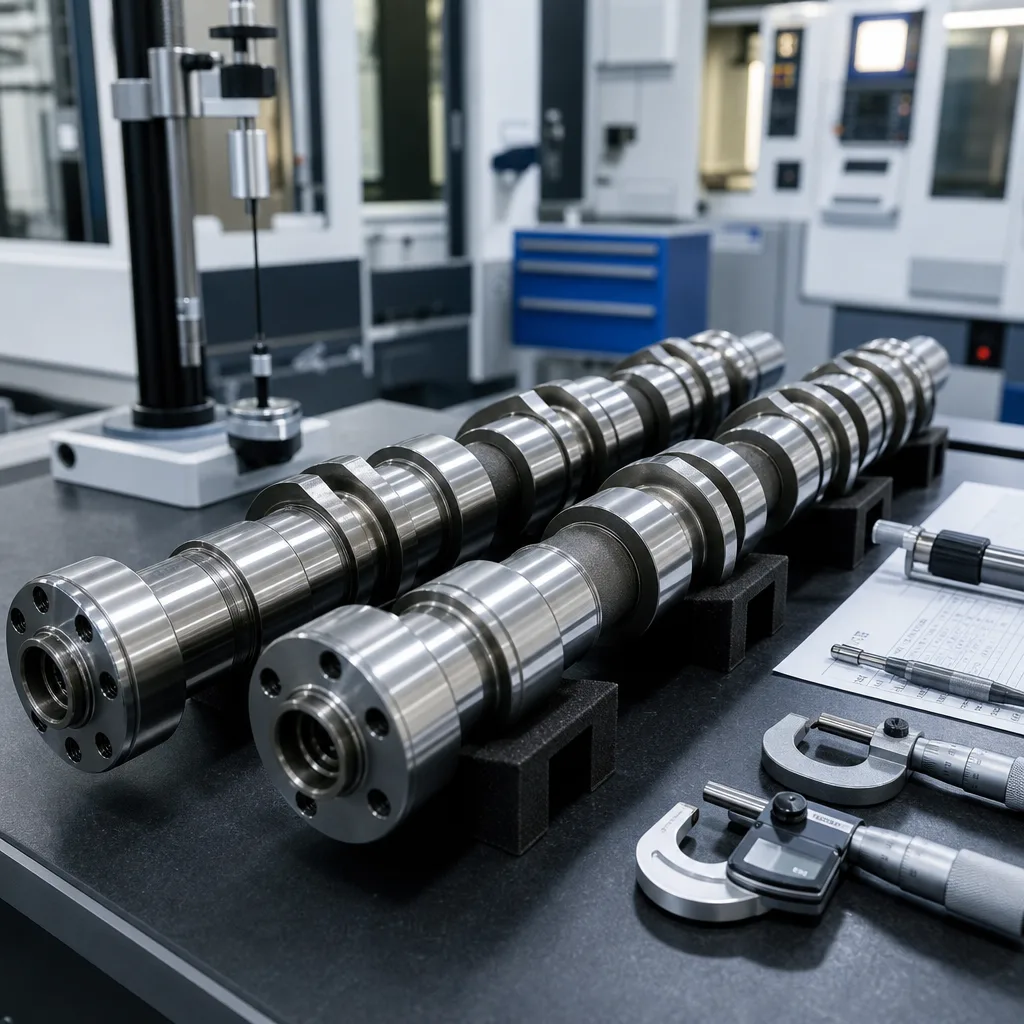
</tr></thead><tbody> </tbody></table>For rotating and mating features, buyers should ask for measured runout and concentricity data, not only a pass/fail statement. In practice, a tight replacement program usually targets low tenths of a millimetre on critical geometry, but the supplier should be held to the agreed drawing or sample-master value, not a generic catalogue tolerance.
Validation data worth requesting
A credible supplier should be able to show how the kit was verified, not only what it looks like in a product photo. At minimum, ask for traceability to batch level, final inspection records, and the process documents that support repeatability.
Recommended documents and controls:
IATF 16949:2016 process control records for automotive supply.
ISO 9001:2015 quality system evidence for document control and corrective action.
REACH (EC) No 1907/2006 declarations for friction materials, coatings, adhesives, and packaging materials.
Dimensional reports on critical interfaces, including disc spline fit and cover height.
Bench test results for clamp load, disengagement travel, pedal effort window, and torsional damping.
Packaging validation that protects the friction faces from oil, dust, and transport damage.
If the buyer needs a higher release standard, request sample approval against a defined inspection plan with sample size, measurement method, and acceptance criteria. That avoids disputes later when the first production order lands at the warehouse.
How to source at production scale
For replenishment, the buying package should be organised around use case, volume, and documentation. That reduces back-and-forth and makes it easier to quote the right version the first time.
Vehicle year range, engine code, and transmission code.
Target annual volume and forecast split by part number.
Required box marking, barcode format, and carton count.
Sample photos of the old clutch, flywheel, and release hardware.
Any test reports, compliance declarations, or country-specific import documents.
For larger programs, buyers should also ask how the supplier manages batch traceability, spare capacity, and change notification. Those items matter more than polished brochure language when the order volume rises.
Installation points that affect return rates
A replacement kit can be correctly built and still fail early if the installation baseline is poor. Many return claims trace back to the flywheel, hydraulics, or release system rather than the friction pack itself.
Measure flywheel runout and surface condition before fitting the new kit.
Replace or machine the flywheel if heat checking, scoring, or excessive wear is present.
Confirm slave cylinder travel, line condition, and pedal free play.
Inspect the input shaft splines and pilot support for wear or contamination.
Torque the pressure plate in sequence and use the alignment tool during assembly.
Follow the supplier's break-in instructions, especially for organic linings and resurfaced flywheels.
If the vehicle has a concentric slave cylinder, include it in the inspection plan. A weak hydraulic unit can mimic clutch slip or incomplete release, which leads to avoidable warranty claims. A stable field result depends on the whole release stack, not only the disc and cover.
Frequently asked questions
Match the engine code, transmission code, disc spline count, release bearing height, and flywheel specification. VIN data, photos of the old parts, and a measured sample are the fastest way to avoid a mismatch.
Yes. We can support private-label or OE-spec programmes through our [custom manufacturing](/oem-services.html) workflow, with dimensional checks, traceability, and agreed packaging. Brand names are referenced for fitment only.
Typical documents include the packing list, commercial invoice, batch traceability details, and any agreed compliance declarations. For regulated materials, ask for REACH (EC) No 1907/2006 and quality records tied to the order.
If you are qualifying an Acura replacement programme, send the vehicle list, sample photos, and target volumes through [request a quote](/contact.html). We can align the documentation and delivery terms before first order release.