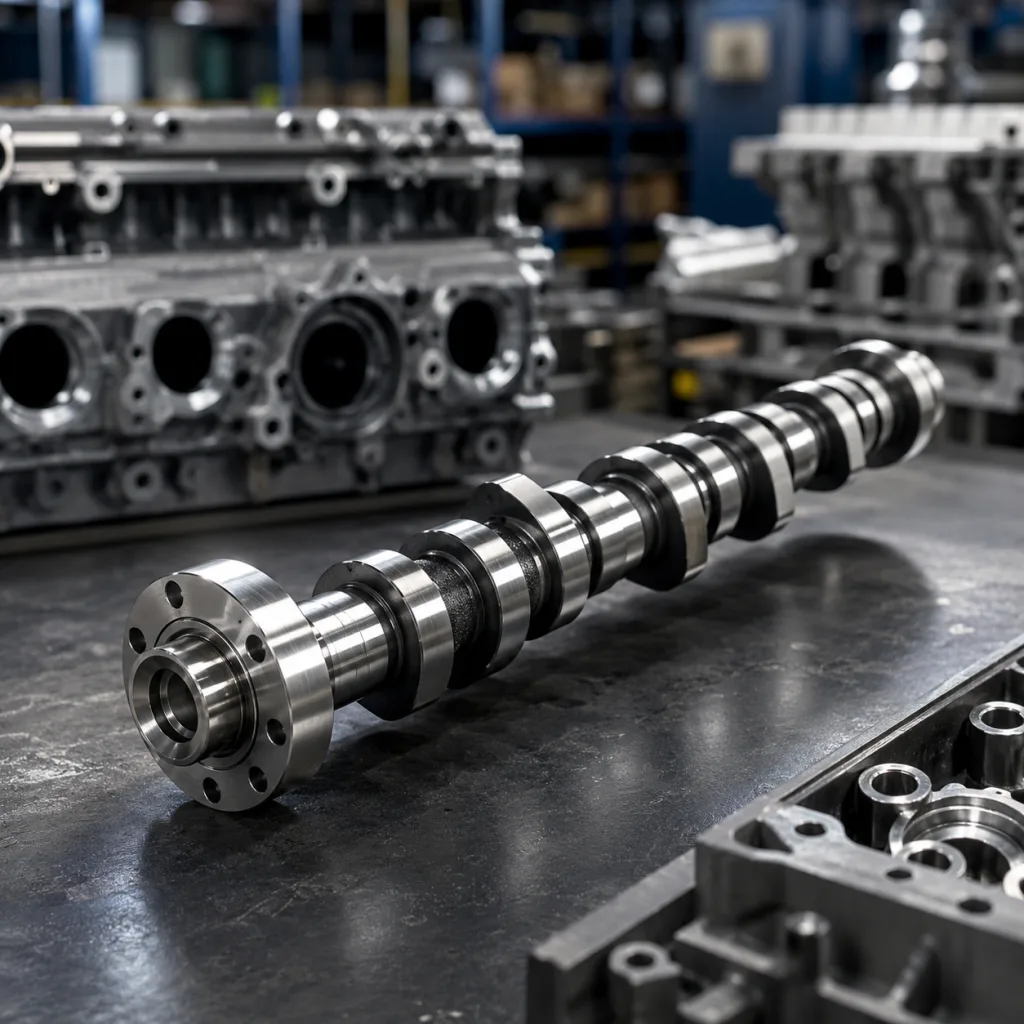
Camshaft Vauxhall Supplier: Sourcing Guide for Buyers
Procurement teams searching for a camshaft Vauxhall supplier usually have three priorities: consistent dimensions, traceable quality control, and a supply plan that can support aftermarket or OEM-style demand. Driventus supplies engine and powertrain components from Taizhou, Zhejiang, with export experience in more than 60 countries and certification to IATF 16949:2016 and ISO 9001:2015. For buyers in the UK, EU, US, Canada, Australia, and Brazil, the practical checks go well beyond basic fitment. Lobe lift consistency, journal finish, hardness control, and packaging protection all affect whether the part performs reliably after it leaves the warehouse. This guide explains what to review when sourcing camshafts for Vauxhall applications, how to compare supplier capability, and which documents to request before placing volume orders. Driventus is an independent aftermarket manufacturer; brand names are referenced for fitment only.
What procurement teams should verify first
Before comparing price, confirm that the supplier can prove fitment and repeatability for the exact Vauxhall application you need. With camshafts, even small deviations in lobe lift, base circle, journal diameter, flank profile, or phasing can affect idle quality, valve timing, emissions behaviour, and valvetrain noise. The purchase decision should start with measured data, not catalog language.
Ask for first-article inspection results rather than relying on a visual sample. A serious supplier should be able to provide dimensional reports against the target drawing or reference part, identify the engine code or application family, and show how each batch links back to raw material, heat treatment lot, and production records. If the part is a direct replacement, request confirmation of OE-equivalent dimensions and the intended use case. If it is a service replacement or an aftermarket-optimised design, the supplier should state the differences clearly so installers are not left guessing.
For larger programmes, request PPAP-style documentation when your internal process requires it. At minimum, you should expect controlled revision records, batch traceability, inspection criteria, and an approval sample that matches the production standard. Buyers managing regional distribution or workshop networks should also check whether the supplier can hold the same specification across repeat orders, not just the first shipment.
Supplier capability and factory controls
For multi-location distributors and repair chains, consistency often matters more than the lowest spot price. A camshaft that varies in lobe geometry, core hardness, runout, or journal finish can create complaints that cost more to resolve than the original saving. The supplier should be able to demonstrate control over the full manufacturing route, not only the finished part.
Look for in-house capability covering machining, grinding, heat treatment coordination, cleaning, and final inspection. When these steps are managed under one quality system, it is easier to hold tolerances and catch process drift early. Ask how the factory checks critical characteristics during production, which gauges are used, and how nonconforming parts are quarantined. A dependable supplier should be able to explain inspection frequency for key dimensions, the calibration status of measuring equipment, and the method used to record lot acceptance.
Capacity is part of the quality picture too. If you expect repeat demand across model years or multiple OE references, ask whether the plant can support stable monthly output, backup production planning, and packaging changes for market-specific requirements. For export buyers, factory controls should also cover carton labelling, barcode accuracy, pallet configuration, rust prevention, and moisture protection. These details influence incoming inspection results and the real cost of delivery, especially when goods move through long transit routes or several warehouses.
Technical criteria that affect service life
A camshaft is more than a machined shaft with lobes. Service life depends on metallurgy, heat treatment, surface finish, grinding accuracy, and compatibility with the target engine design. When evaluating a camshaft Vauxhall supplier, buyers should ask for the technical basis behind the part, not just a part number match.
Start with the material specification. Confirm the steel grade or cast-iron grade used, whether the part is forged, cast, or billet-machined, and the hardness range targeted after heat treatment. The supplier should also be able to explain the surface finish standard on critical bearing and lobe areas, because poor finish can accelerate wear during break-in. For high-mileage applications, lobe profile stability and journal concentricity are especially important; poor geometry can contribute to noise, incorrect valve timing, or premature failure of related components.
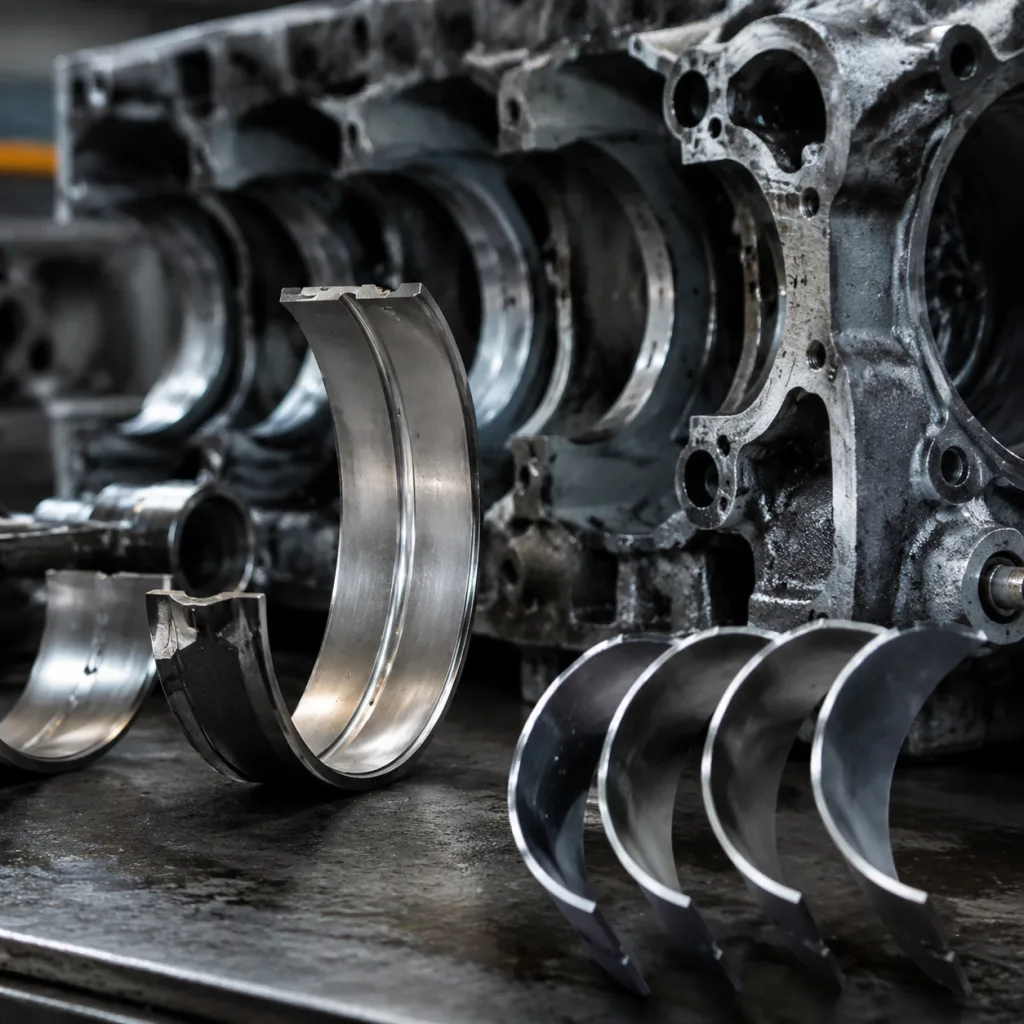
Also verify whether the camshaft is intended as an OE-equivalent replacement, a remanufactured-style service part, or an aftermarket-design alternative. These categories are not interchangeable. A credible supplier will state the intended engine code coverage, the expected installation requirements, and any parts that should be replaced at the same time, such as followers, lifters, bearings, seals, or timing components. For workshops and distributors, that clarity reduces warranty risk and helps prevent customer disputes after installation.
If the application is tied to a specific Vauxhall engine family, request cross-reference data and ask whether the part has been validated against known fitment issues such as sensor alignment, timing chain compatibility, or valve clearance constraints. The more precise the technical explanation, the lower the risk of sourcing a part that looks correct in a catalog but creates problems in the vehicle.
MOQ, lead time, and export planning
Driventus supports B2B buyers with export-focused logistics from China, helping reduce procurement friction for container-load and mixed-SKU orders. For camshaft sourcing, commercial planning should cover more than the ex-works price. Buyers need a realistic view of tooling status, order frequency, stock policy, packaging format, freight mode, and the documents required for customs clearance in the destination market.
Evaluate MOQ against your actual sales velocity. A low minimum order quantity can look attractive, but if it leads to poor packing density or higher unit freight cost, the landed price may be worse than a larger planned release. A longer lead time is not automatically a problem either, provided it is stable and clearly communicated. The real risk is lead-time volatility, because it disrupts stock planning and forces emergency purchasing.
For export programmes, ask the supplier to outline the full shipment process: order confirmation, production scheduling, inspection, packing, booking, and document release. If your business operates in the UK, EU, US, Canada, Australia, or Brazil, confirm in advance which certificates, commercial documents, and product declarations are available. Carton labelling should match your warehouse process, and packaging should protect machined surfaces from corrosion and transit damage. For mixed-SKU containers, ask whether the supplier can segregate part numbers cleanly and maintain lot identification through final packing.
Lead time stability should be reviewed across several purchase cycles, not just one successful shipment. The strongest supplier is the one that can repeat the same delivery standard under changing demand, not simply the one with the fastest initial sample response.
How to compare camshaft suppliers objectively
A structured scorecard helps procurement teams avoid buying on sample price alone. Compare each supplier against the same criteria and request written evidence. The goal is to measure actual sourcing risk, not catalog appearance or sales responsiveness.
Suggested scorecard:
- Fitment data completeness: engine code, OE cross-reference, application notes, and exclusions
- Inspection depth: dimensional reports, hardness records, runout data, and batch traceability
- Manufacturing control: in-house machining, grinding, heat treatment coordination, and final inspection
- Commercial terms: MOQ, price breaks, lead time, packaging detail, and replenishment flexibility
- Documentation: material declaration, conformity records, export papers, and revision control
- Responsiveness: engineering reply time, sample turnaround, and clarity of technical answers
- After-sales support: claims handling, replacement policy, and root-cause communication
When comparing proposals, avoid treating every supplier answer as equivalent. A supplier that can explain lobe geometry, surface finish, and application limits without delay is usually easier to manage once orders scale. Ask how they handle deviations, what evidence they provide when a lot is released, and whether they can support corrective action if a customer reports a fitment issue.
If you are consolidating sources for Vauxhall-related camshafts or adjacent engine parts, a single qualified supplier can reduce purchase order complexity and simplify incoming inspection. Consolidation only works, however, if the supplier can maintain repeatability across part numbers and volumes. For buyers seeking a technical review or part matching, request a quote.
Frequently asked questions
No. Driventus is an independent aftermarket manufacturer; brand names are referenced for fitment only. We supply replacement and programme parts based on application data, dimensional requirements, and customer specifications.
Ask for dimensional data, hardness or material records, batch traceability, packaging details, and any conformity documents required by your market. For regulated destinations, confirm REACH and other customer-specific compliance needs.
Yes. We can review drawings, samples, and target specifications for special profiles or private-label programmes. Use the contact form to confirm feasibility, MOQ, and lead time before tooling release.
If you are sourcing camshafts for Vauxhall applications and need technical confirmation, export terms, or a batch quotation, send your enquiry via /contact.html.
Request a Quote