camshaft · 2026-06-05

Camshaft Toyota Supplier: Sourcing Guide for B2B Buyers

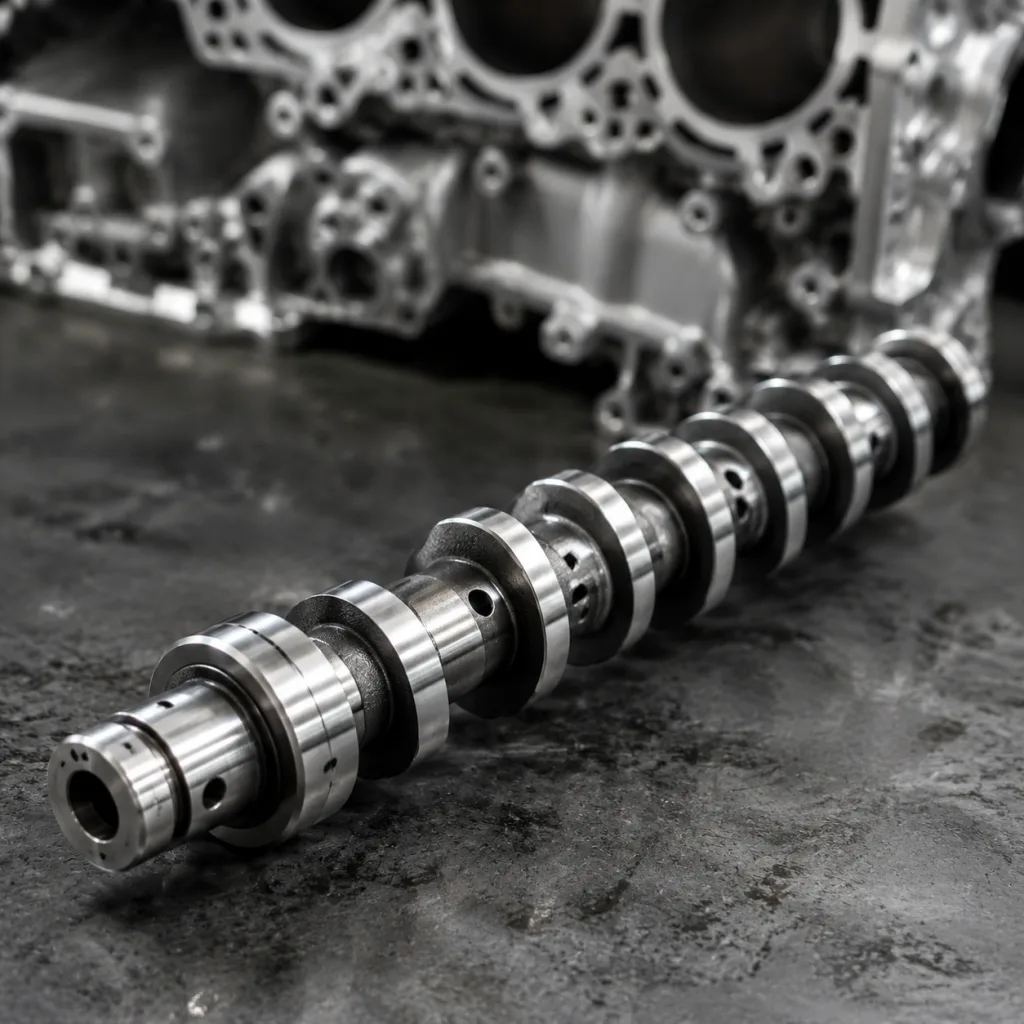
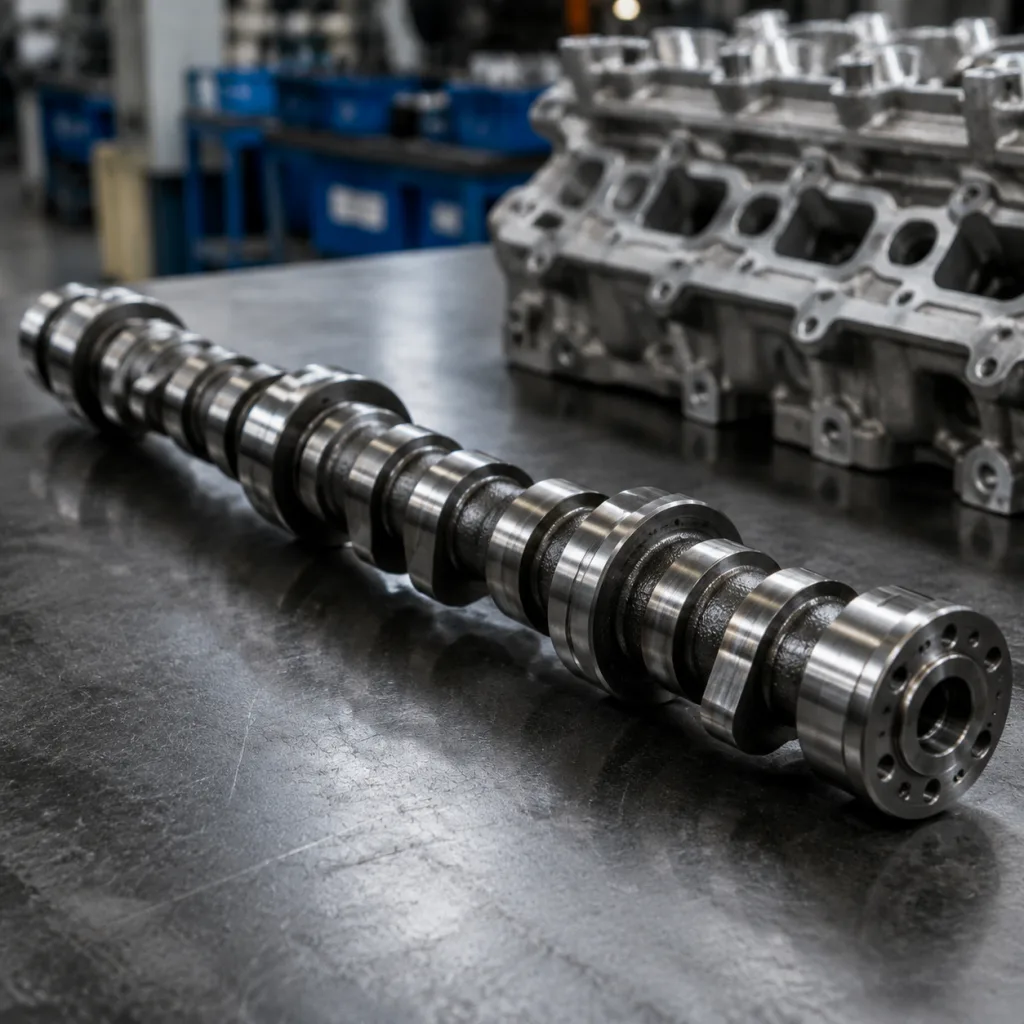
Sourcing camshafts for Toyota applications takes more than matching a part number. Procurement teams need confidence in the metallurgy, cam profile, heat treatment, journal and lobe protection during export transit, and the supplier’s ability to support repeat orders across several markets. A qualified camshaft Toyota supplier should also fit smoothly into B2B workflows. RFQ comparison, sample approval, batch inspection, customs documentation, private-label control, and claim handling all need to be predictable before the first consolidated shipment is released.

Driventus manufactures engine and powertrain components in Taizhou, Zhejiang, and exports to more than 60 countries. We work with aftermarket distributors, OEM and Tier-1 buyers, importers, wholesalers, and repair-chain procurement teams that require traceable documentation and stable lead times. Driventus is an independent aftermarket manufacturer; brand names are referenced for fitment only.

For buyers comparing suppliers, the most useful questions are practical ones. Can the factory hold journal diameter, lobe lift, base circle, runout, hardness, and surface roughness targets? What inspection method is used? How are mixed references packed and labelled? What MOQ and lead time apply by reference? Which documents are available for audit, compliance, and customs review? The sections below explain what to verify before placing a trial order, approving samples, or moving into recurring supply.

What procurement teams should verify first

A camshaft purchase for Toyota applications should begin with fitment, material, heat treatment, and process capability. The component may look simple, but small variation in lobe lift, journal concentricity, oil-hole position, hardness, or surface finish can affect valve timing, lubrication film stability, valvetrain noise, wear rate, and warranty exposure. Before unit prices are compared, make sure every supplier is quoting against the same technical target.

For buyers, the relevant checks are:

  • Base material specification, such as chilled cast iron, ductile iron, forged steel, or alloy steel grade depending on the application and production route
  • Heat treatment route, such as induction hardening, chill hardening, carburizing, nitriding, or application-specific surface treatment
  • Journal diameter, lobe lift, base circle, overall length, thrust-face width, and oil-hole position against the approved sample or drawing
  • Runout and straightness checked on V-blocks, centres, or dedicated runout fixtures
  • Surface roughness after grinding, especially on bearing journals and lobe contact surfaces
  • Hardness after heat treatment; many aftermarket camshaft programs define a surface hardness window and case-depth or hardened-layer requirement by drawing rather than by catalogue number alone
  • Cam sensor trigger pattern, reluctor feature, VVT actuator interface, dowel position, keyway, slot, and end-face geometry where relevant
  • Packaging method to prevent rust, lobe-edge impact, carton crush, and transit distortion during sea freight or air freight
  • Traceability by batch, date code, inspection record, operator/process lot, and production release status

A supplier should be able to support OE cross-reference workflows without implying OEM approval. Use OE references only for fitment comparison, such as OE 13501-xxxxx when a customer already cites one. The stronger approval route combines OE reference, engine code, cylinder-head variant, sample measurement, and drawing review. Final acceptance should rest on verified dimensions and application data, not on a brand name alone.

For B2B sourcing teams, it helps to separate technical gates from commercial preferences. Critical dimensions, cam profile, hardness range, material, oiling features, and trigger pattern are must-haves. Packaging colour, carton format, pallet configuration, barcode type, and label layout are commercial or logistics requirements that can usually be adjusted after the technical file is approved.

For a broader parts range, see our catalog and engine component options.

Typical camshaft supply requirements

Most buyers fall into one of three supply modes: stocked aftermarket replacement, private label, or drawing-based production. The commercial structure changes by channel, but the technical file should stay consistent. A distributor may care most about mixed references and fast replenishment. An OEM or Tier-1 buyer may need drawing control, PPAP-style documentation, material certificates, and stricter packaging approval. In every case, the camshaft Toyota supplier should be able to explain how parts are produced, inspected, packed, labelled, and released.

</tr></thead><tbody> </tbody></table>For procurement teams managing annual tenders, the real supplier difference is not the brochure. It is the ability to ship the same cam profile, hardness, surface finish, runout, and concentricity month after month. That consistency reduces incoming inspection time and helps distributors keep one approved reference active instead of changing sources after every price cycle.

When preparing an RFQ, include the target annual volume, first-order quantity, destination market, Incoterms, required packaging, label format, documentation needs, and whether the order is for aftermarket distribution, private label, or drawing-controlled production. Clear inputs allow the factory to quote realistic lead time, tooling needs, inspection scope, pallet layout, and carton configuration instead of responding with only a unit price.

Quality controls that reduce field returns

A credible camshaft supplier should describe its process controls in measurable terms. Field returns are often tied to avoidable issues: wrong application, intake/exhaust mix-up, incorrect trigger pattern, VVT interface mismatch, low or uneven surface hardness, grind inconsistency, lobe-edge damage, corrosion during transit, or mixed labels in the warehouse. Supplier qualification is meant to catch these risks before parts enter the buyer’s distribution system.

At minimum, buyers should expect incoming material verification, blank inspection, in-process dimensional checks, heat treatment control, final grinding inspection, cleaning, rust prevention, and controlled packaging. Driventus operates under IATF 16949:2016 and ISO 9001:2015. For regulated shipments and material compliance, buyers may also request REACH (EC) No 1907/2006 declarations where applicable.

Common inspection points include:

  • Journal diameter, journal roundness, cylindricity, and surface roughness
  • Overall length, thrust face, end-face geometry, dowel/keyway/slot position, and oil-hole location
  • Lobe height, base circle, lobe lift, flank condition, and lobe-to-lobe consistency
  • Lobe phasing and cam timing reference position, especially for engines using VVT or cam sensor feedback
  • Sensor trigger or reluctor feature count, orientation, and edge condition where applicable
  • Runout and straightness measured against the agreed datum method
  • Hardness after heat treatment, including specified test points such as lobe nose, flank, journal, or representative coupon when required
  • Metallurgical or crack checks when specified, such as magnetic particle inspection for steel parts or microstructure review for cast parts
  • Visual checks for grind burn, cracks, pitting, burrs, rust, dents, sharp-edge damage, and handling marks
  • Packaging inspection for VCI coverage, anti-rust oil, end protection, inner separation, carton strength, and part-number segregation

For repeat orders, ask the supplier to keep inspection records by lot and retain key production data for traceability. If a market reports noise, premature wear, installation difficulty, low oil-pressure damage, or incorrect fitment, those records make claim review faster. A disciplined supplier should be able to compare the affected batch with approved samples, retained records, and previous lots.

Buyers can lower risk further by defining acceptance criteria before shipment. This may include an agreed sampling plan, pre-shipment photos, carton label approval, dimensional report format, hardness report format, AQL level, and packaging drop or compression expectations for long-distance freight. These controls are especially useful when one order contains multiple Toyota camshaft references that will be separated and redistributed after import.

If your team needs audit documents, view our quality system. For special packaging, labelling, or drawing changes, use custom manufacturing.

Toyota fitment, cross-references, and validation

Toyota applications cover many engines, markets, and production years, so fitment validation should combine engine code, cylinder-head variant, camshaft position, valve timing layout, and OE cross-reference. Matching only the vehicle model year is a common sourcing mistake. The same model name may use different engines, cylinder heads, emissions configurations, VVT systems, or intake and exhaust camshaft designs across regions.

Before release, confirm:

1. Engine code, displacement, market region, and cylinder-head variant 2. Intake and exhaust cam distinction; do not assume the pair is interchangeable 3. Variable valve timing requirements, actuator interface, oil-control feed path, and locking or phasing feature where applicable 4. Cam sensor trigger pattern, phasing requirement, dowel location, keyway/slot position, and end-face details 5. Bearing journal count, journal diameter, cam length, thrust arrangement, and oil-hole position 6. OE cross-reference, aftermarket reference, sample measurement, or drawing number 7. Packaging, labelling, barcode, and country-of-origin requirements for the destination market

If you are replacing an existing part, measure the sample against the drawing and record the result. Useful sample checks include overall length, journal count, journal diameter, lobe lift, base circle, lobe width, thrust dimension, keyway or dowel position, gear or sprocket interface, sensor trigger orientation, and oil-hole location. Photos should show the full camshaft, both end faces, lobe profile area, each journal, trigger feature, oil holes, and any stamped, laser-marked, or etched markings.

For distribution buyers, it is worth asking for photos of the machined profile, the final inspection report, and the outer carton label before shipment. These records reduce receiving disputes and support internal approval. Importers serving several markets should also confirm whether one part number works across all target regions or whether local fitment catalogues require separate references because of emissions, VVT, or engine-code differences.

Driventus is an independent aftermarket manufacturer; brand names are referenced for fitment only. OE numbers, engine names, and vehicle references should be treated as identification aids for compatibility review, while final approval should be based on the verified technical file.

Why factories matter as much as the part itself

For a camshaft Toyota supplier, factory capability shapes repeatability more than price alone. A plant with controlled rough machining, stable heat treatment, finish grinding, cleaning, anti-rust handling, calibrated measuring equipment, and disciplined inspection can hold tighter variation across batches. That matters in long-term contracts, regional distribution programs, and consolidated shipments organised by reference, market, or customer group.

When you evaluate a factory, ask for:

  • Production flow from raw blank or forging/casting to rough machining, heat treatment, straightening where required, finish grinding, inspection, cleaning, rust prevention, and packing
  • Gauge and equipment list for critical checks, including micrometers, dial indicators, V-blocks or centres, height gauges, profilometers, hardness testers, and cam-profile or coordinate measurement capability where required
  • Calibration status and traceability for measuring equipment used on journals, lobes, runout, and hardness checks
  • Control plan for critical dimensions, lobe phasing, heat treatment, surface finish, and final packaging release
  • Batch traceability method linking raw material, heat-treatment lot, grinding lot, inspection record, and packing list
  • Nonconformance handling process, including segregation, rework approval, scrap control, and corrective action
  • Export packing standards for sea and air freight, including VCI method, end protection, carton strength, palletisation, and mixed-reference segregation
  • Sample approval process before mass production, including golden sample retention where applicable
  • Process for engineering changes, label revisions, private-label artwork approval, and customer-specific packaging changes

A supplier that supports factory audits, technical file review, and pre-shipment inspection is easier to qualify. This is especially important for import managers handling EU, UK, US, Canada, Australia, and Brazil requirements for customs documentation, material declarations, private-label control, and aftersales traceability. The strongest suppliers connect commercial information with production reality: what is in stock, what requires raw blank preparation, what needs tooling or gauge review, and what lead time is realistic under current capacity.

Factory communication matters after the order ships, too. If a buyer reports a claim, the supplier should be able to identify the batch, review inspection records, check retained samples when available, verify packing records, and propose containment actions. That support is more valuable than a one-time discount because it protects the buyer’s catalogue reputation and customer relationships.

If your team is comparing sources, request a quote with engine code, annual volume, target market, required documentation, packaging requirements, and any sample or drawing files available.

How Driventus supports B2B camshaft sourcing

Driventus supplies camshafts and related engine components to distributors, wholesalers, OEM and Tier-1 channels, and repair networks. Our sourcing support is built around procurement needs rather than retail presentation. We focus on fitment confirmation, production feasibility, batch records, export readiness, private-label control, and repeat-order stability.

We can provide:

  • Drawing-based production and sample-to-production conversion after engineering review
  • Application review using engine code, OE cross-reference, sample photos, dimensional data, and buyer catalogue requirements
  • Batch inspection records covering key dimensions, visual status, packaging release, and traceability information agreed for the order
  • Support for material declarations, quality-system documents, packing details, and export documents requested during supplier qualification
  • Private-label packaging where required, including buyer part number, barcode, carton mark, and neutral brand policy review
  • Neutral packing for distributors that manage their own downstream branding
  • Stable replenishment planning for repeat references, including mixed-reference shipment planning when feasible
  • Support for custom machining, end-feature adaptation, or dimensional change under controlled review and approval
  • Mixed-reference order planning to help buyers test multiple Toyota camshaft applications in one shipment without losing part-number segregation

For organisations consolidating suppliers, the ability to source related parts through the same manufacturing base is a practical advantage. It can simplify inbound quality checks, reduce freight fragmentation, standardise carton labels, and make supplier audits more efficient. Buyers can also align packaging specifications, document formats, pallet markings, and shipment planning across multiple engine component categories.

A practical sourcing process usually starts with a technical enquiry, followed by sample or drawing review, quotation, sample approval, pilot order, inspection confirmation, and repeat supply planning. For urgent replacement references, availability and lead time can be checked first. For custom or drawing-controlled projects, engineering review should come before commercial commitment so tolerances, heat treatment, inspection method, and packaging are agreed before the purchase order.

If your buying team needs a supplier review package, include the engine code, OE reference if available, sample photos or drawing, target annual volume, first-order quantity, destination market, packaging requirements, Incoterms, label requirements, and required documents. That allows a faster commercial and engineering response from Driventus as a camshaft Toyota supplier.

Frequently asked questions

Yes. Share the engine code, OE cross-reference if available, and a sample or drawing. Fitment should be validated by dimensions, camshaft position, VVT interface, trigger pattern, oil-hole position, and application data, not model year alone.

Buyers can request dimensional reports, batch traceability, packing details, export documents, material declarations where applicable, and quality documents aligned with IATF 16949:2016 and ISO 9001:2015.

Yes. Custom manufacturing is available for private label, drawing-based production, sample-to-production conversion, and packaging requirements after technical review. Share target volume, required tolerances, material, heat treatment, and inspection requirements for assessment.

If you need a verified source for Toyota camshafts or related engine parts, send your requirements, target volume, engine code, sample or drawing files, and documentation needs to [request a quote](/contact.html).

Request a Quote
Item Typical requirement Buyer note
MOQ50-300 pcs per referenceLower quantities may be possible for mixed-reference trial orders or stocked SKUs
Lead time30-45 days for repeat productionNew references may take longer if raw blanks, tooling, gauges, or sample validation are required
MaterialCast iron, ductile iron, forged steel, or alloy steelConfirm chemistry, hardness target, microstructure or surface-treatment requirement where applicable
Heat treatmentInduction hardening, nitriding, carburizing, or chill-hardened surfaceRequire a defined hardness window and test location, not a generic “hardened” statement
Dimensional controlJournal, lobe, base-circle, thrust, oil-hole, and end-feature dimensions to drawing/sampleRequest a batch measurement report before shipment for first orders and critical references
Geometry controlRunout, straightness, lobe phasing, and trigger orientationImportant for VVT, cam sensor synchronization, noise, and installation fit
TraceabilityBatch code, production lot, inspection record, and packing list linkageImportant for claims handling, recall containment, and repeat-order comparison
PackagingAnti-rust oil, VCI bag or paper, end caps, inner sleeve, divider, reinforced cartonReduces corrosion, lobe chipping, journal dents, and mixed-reference risk in sea freight
LabellingNeutral, private label, or buyer-specifiedConfirm barcode format, buyer part number, OE cross-reference policy, country-of-origin marks, and carton marks
DocumentationCommercial invoice, packing list, certificate/declaration as required, inspection reportAlign document names and HS-code description with destination customs expectations