Camshaft Peugeot Manufacturer China: Sourcing Guide
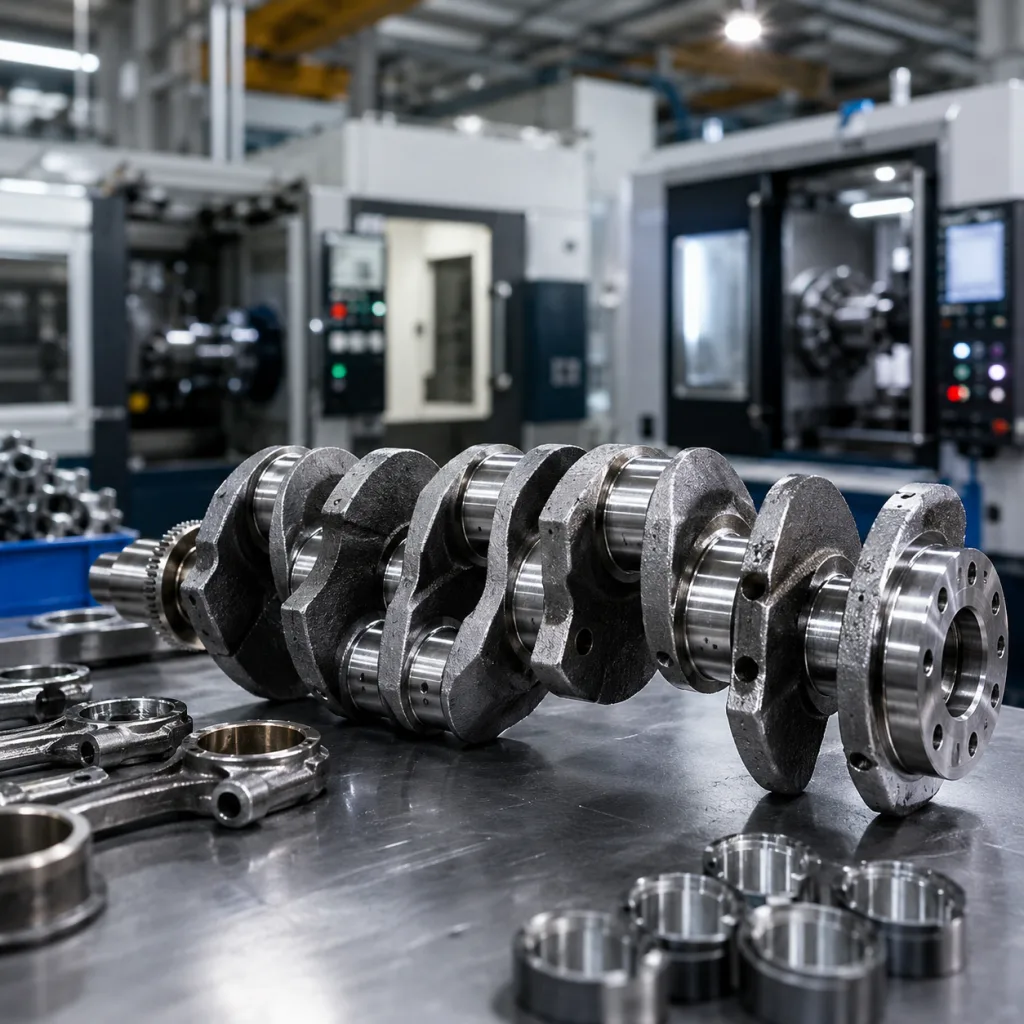
For buyers searching for a camshaft Peugeot manufacturer China, the central issue is not price alone. It is whether the supplier can maintain dimensional consistency, material cleanliness, and repeatable lead times across production lots. For Peugeot applications, camshaft supply usually sits within a wider engine-component programme that may also require matched followers, bearings, and timing parts. Driventus is an independent aftermarket manufacturer; brand names are referenced for fitment only. The right sourcing approach starts with OE cross-reference control, then moves to metallurgy, hardening depth, journal runout, and inspection records. For procurement teams in the EU, UK, US, Canada, Australia, and Brazil, certification and auditability matter as much as unit cost. Driventus operates under IATF 16949:2016 and ISO 9001:2015, and supports B2B buyers with standard programme supply, private-label orders, and custom development where drawings or samples are available.
Before you quote: fitment and traceability checks
When evaluating a camshaft Peugeot manufacturer China, start with the two things that most often cause avoidable failures: wrong fitment and weak traceability. A supplier should show how each part ties back to an OE reference, batch number, heat-treatment record, and final inspection result.
Use this buyer checklist:
- Confirm the OE cross-reference for the target engine family
- Match cam profile dimensions to the sample or drawing
- Verify journal diameter, lobe lift, and phase angle control
- Review surface hardness and case depth after heat treatment
- Check runout, straightness, and surface finish records
- Confirm packaging and rust prevention for export transit
Driventus is an independent aftermarket manufacturer; brand names are referenced for fitment only. For buyers building a broader sourcing basket, see our catalog and the related engine components range.
Material choice changes the whole program
Camshafts used in passenger car and light commercial applications are commonly produced from chilled cast iron, ductile iron, or alloy steel. The right choice depends on valve spring load, engine speed, wear target, and unit cost. That is why material discussion should happen before tooling, not after it.
| Control item | Typical buyer requirement | Why it matters |
|---|---|---|
| Journal diameter | Held to drawing tolerance | Affects bearing clearance and oil film stability |
| Lobe lift | Matched to OE profile | Controls airflow and combustion timing |
| Runout | Kept low and measured on final QC | Reduces vibration and valve-train noise |
| Surface hardness | Verified after heat treatment | Improves wear resistance on lobes and journals |
| Profile finish | Fine-ground and inspected | Lowers friction and break-in risk |