camshaft · 2026-06-04

Camshaft Mitsubishi OEM Supplier: Sourcing Guide

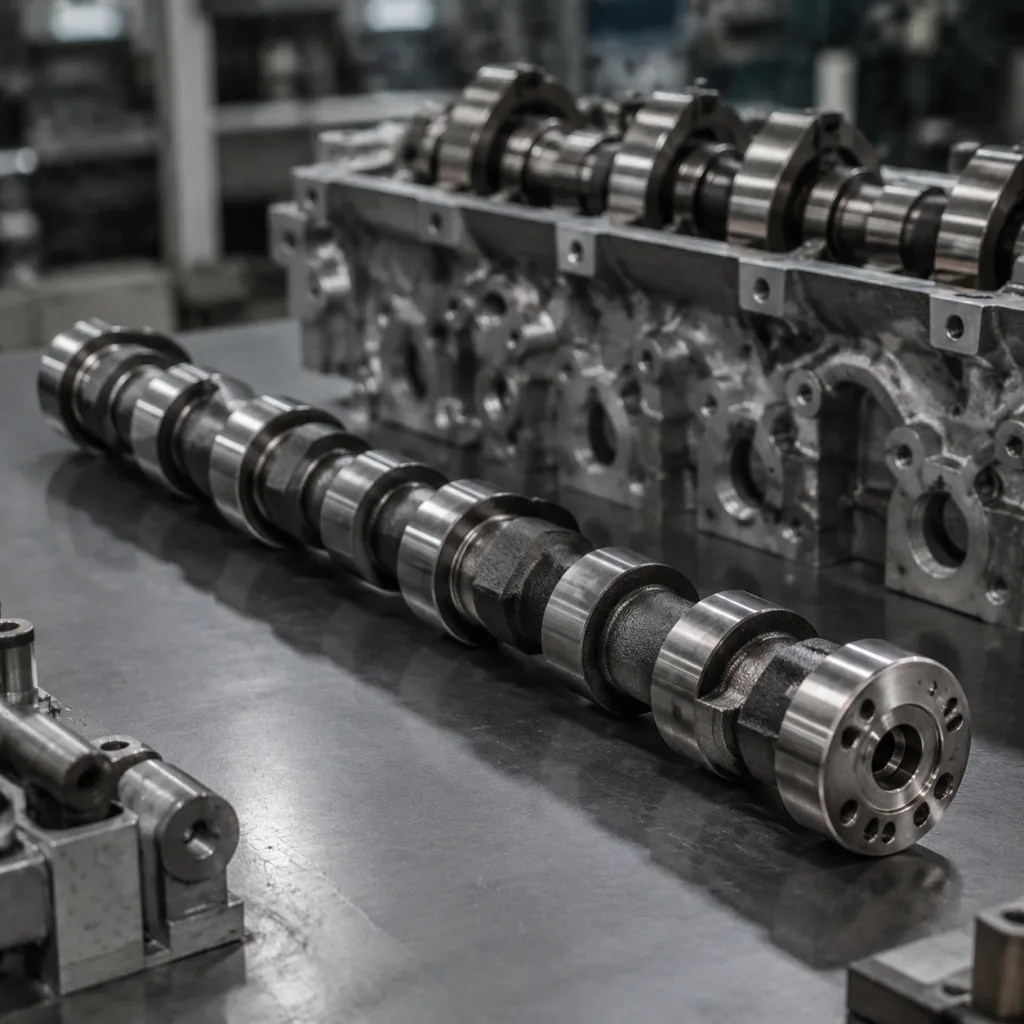
Procurement teams sourcing a Mitsubishi camshaft need more than a part-number match. They need stable journal geometry, repeatable heat treatment, documented inspection, and commercial terms that fit their channel. Driventus is an independent aftermarket manufacturer; brand names are referenced for fitment only. We support B2B buyers who need cross-reference control, export-ready packing, and a quality file that stands up to audit review. For Mitsubishi applications, the real question is not just whether the camshaft fits the engine family, but whether lobe lift, base-circle diameter, journal size, hardness, and surface finish stay within spec from batch to batch. That is what separates a usable listing from a dependable supply programme. This page explains what to check before issuing an RFQ, how we control production, and when custom manufacturing is the better route. If you are comparing a camshaft Mitsubishi OEM supplier for distributors, repair chains, or OEM-linked programmes, the goal is the same: avoid dimensional drift, reduce claim risk, and keep replenishment predictable.

What procurement teams should verify first

Start with the application data, not the headline part name. Mitsubishi engine families often share similar architecture while differing in cam timing, sensor-drive features, nose machining, thrust geometry, or sprocket interface details. A part that looks correct in a catalog can still fail at assembly if one of those features is off. Before you buy, confirm:

  • Engine code and market application
  • Intake or exhaust position and cylinder count
  • Overall length, journal diameter, and thrust-face design
  • Lobe lift, base circle, timing relationship, and phasing
  • End machining, reluctor features, and sensor-drive details
  • Finish requirement for journals and lobes
  • Packaging, labelling, and barcode format

If you are comparing vendors, ask for the drawing, sample validation path, or revision history rather than only a listing number. Our catalog covers core engine items, and the quality system page outlines the controls buyers expect from a repeatable supplier. For buyers managing multiple regions, the same camshaft name may cover different revisions, so the cross-reference file must be checked against actual build data, not just a superseded sales code.

Dimensional and material checkpoints

A camshaft can pass a visual check and still fail in service. The risk usually sits in geometry and metallurgy, not the outer appearance. These are the checks that typically separate a safe sourcing decision from a claim.

</tr></thead><tbody> </tbody></table>For Mitsubishi camshaft programmes, we normally validate against sample parts, customer drawings, or agreed OE cross-reference data. If the buyer needs a private-label programme, this is also where we lock the revision level before mass production. That step matters because a small deviation in profile, end machining, or journal finish can create noise, timing variation, oiling issues, or premature wear in the field.

Process controls that protect repeatability

Repeatability comes from process control, not inspection alone. A supplier can catch a bad part at the end, but that does not protect the batch if the process window is unstable. Depending on the application, we match the blank, heat-treatment route, and finishing process to the duty cycle and price target. Typical controls include:

  • Incoming material certification and lot traceability
  • Blank verification before machining
  • Controlled heat treatment or surface hardening
  • Profile grinding and final inspection on critical features
  • Hardness testing and dimensional sampling by batch
  • Magnetic particle or crack detection when specified
  • Revision control for drawings, samples, and packaging records

Our production and documentation practices are aligned to IATF 16949:2016 and ISO 9001:2015. Where buyer compliance requires it, we also support REACH (EC) No 1907/2006 documentation for material declarations. For purchasing teams, the practical question is simple: can the supplier show that the same process window is being held from first article through repeat order? If the answer is unclear, the supply risk is usually higher than the piece price suggests. In a camshaft programme, uncontrolled variation often appears later as warranty claims, not during receiving inspection.

MOQ, lead time, and audit readiness

Camshaft sourcing decisions are usually driven by volume pattern and the level of engineering control required. A catalog item for a fast-moving application can support lower MOQ and shorter replenishment cycles. A custom profile needs more setup, sample approval, and process lock-down, but it can reduce downstream confusion when the market needs a precise fitment answer.

Check What to verify Why it matters
Journal diameterMeasured across all support points, typically to the drawing toleranceControls oil clearance and bearing life
Lobe lift and profileCompared with drawing, master sample, or approved scan dataAffects valve motion, airflow, and timing
Overall lengthEnd-to-end length and locating featuresPrevents assembly mismatch
RunoutTotal indicated reading after grinding, often specified at 0.03 mm TIR or better on critical journalsReduces vibration, wear, and noise
Surface hardnessVerified after heat treatment, commonly in the 55-62 HRC range on hardened lobes depending on designProtects lobes under load
Surface finishJournal and lobe roughness, often specified in low Ra values on ground surfacesSupports oil-film stability
Critical end featuresSensor drive, keyway, dowel, or thrust detailsEnsures correct installation and signal behavior

</tr></thead><tbody> </tbody></table>For audits, buyers usually ask for process flow, control plan, inspection records, traceability evidence, and packaging samples. We can support virtual review or site-visit preparation for procurement teams that need vendor qualification before release. If your sourcing team also buys related engine parts, see our engine components range and compare it with the full catalog. That helps align one supplier file across adjacent parts instead of qualifying each item in isolation.

When custom manufacturing is the right route

Custom manufacturing makes sense when the buyer needs one of three things: an exact dimensional match, a private-label package, or a stable supply route for a part that is hard to source consistently. It is also the right choice when the market expects multiple revisions under one sales code and the cross-reference data must be cleaned up before launch. In those cases, the challenge is not only manufacturing capacity; it is control over the approved specification and the ability to keep it consistent across batches.

Use custom manufacturing if you need:

  • A sample-to-drawing conversion
  • Controlled packaging and labelling
  • Batch traceability for export markets
  • A consolidated programme across distributors or repair chains
  • A controlled revision file for one sales code covering multiple applications

We do not claim vehicle-manufacturer approval. We supply parts to published specifications, verified samples, and buyer-agreed requirements. If you need a Mitsubishi camshaft programme built around a documented supply file, we can quote from the target application, sample, or drawing, then align production to the approved revision before release. For a procurement team, that reduces ambiguity at order entry and makes replenishment easier to manage over time.

Frequently asked questions

Yes. We can work from a drawing, physical sample, or buyer-defined cross-reference file. The key is to lock the revision, critical dimensions, surface requirements, and any special end-machining features before production starts so the batch is built to one approved standard.

Typical documents include material traceability, inspection records, heat-treatment confirmation, batch identification, and packaging details. Where required, we can align the file to IATF 16949:2016, ISO 9001:2015, and REACH documentation needs for export or audit review.

Yes. We can support private-label packing, barcode labelling, carton configuration, and export-oriented packaging so procurement teams can standardise inbound handling across locations and reduce receiving errors at destination warehouses.

If you need a Mitsubishi camshaft supply programme with clear fitment control and repeatable batch quality, send your drawing, sample, or volume target through [request a quote](/contact.html).

Request a Quote
Sourcing route Best use Trade-offs
Catalogue supplyCommon applications and fast replenishmentLess flexibility on non-standard revisions
Custom manufacturingPrivate label, exact drawing match, new programme launchLonger validation and tooling setup
Regrind or remanufactureTemporary supply recovery or budget programmesMore variable material history