camshaft · 2026-06-19

Camshaft for Kia Sportage OE Equivalent: Buyer Guide

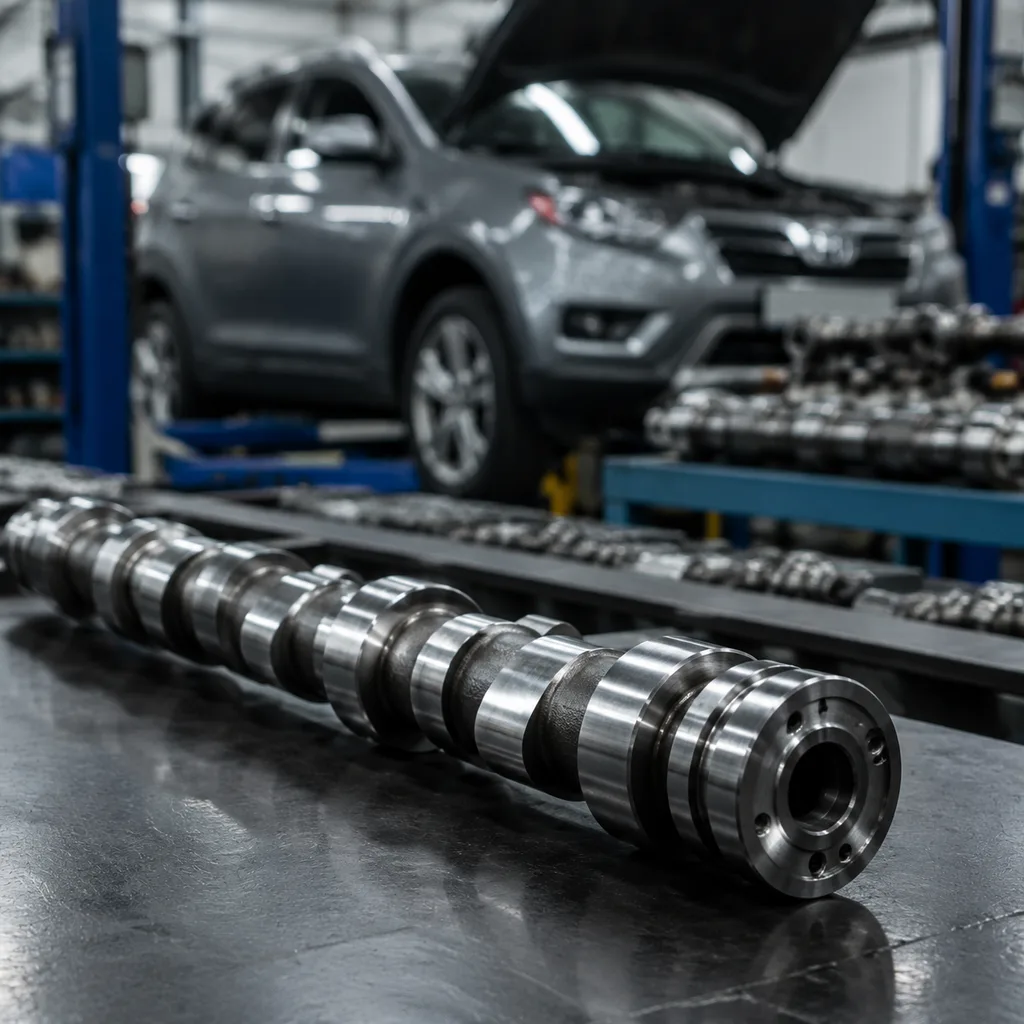
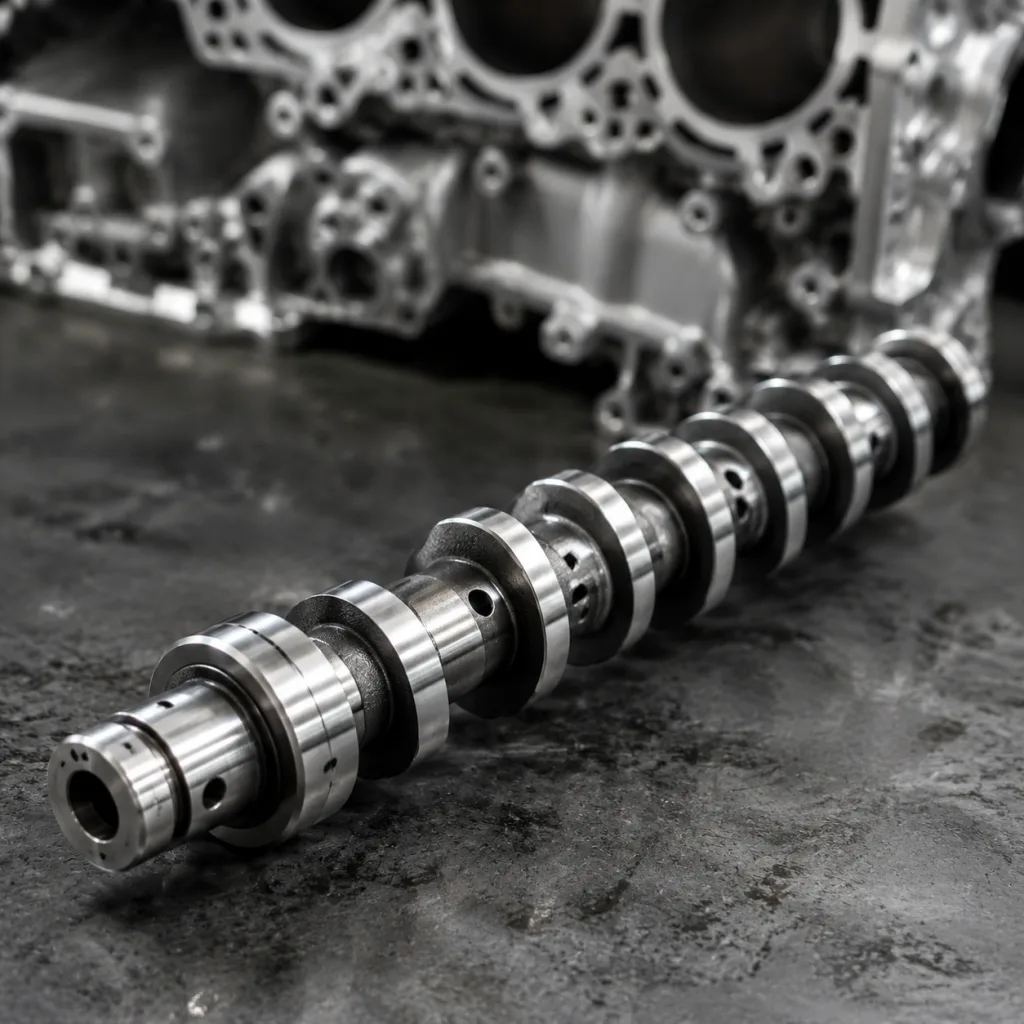
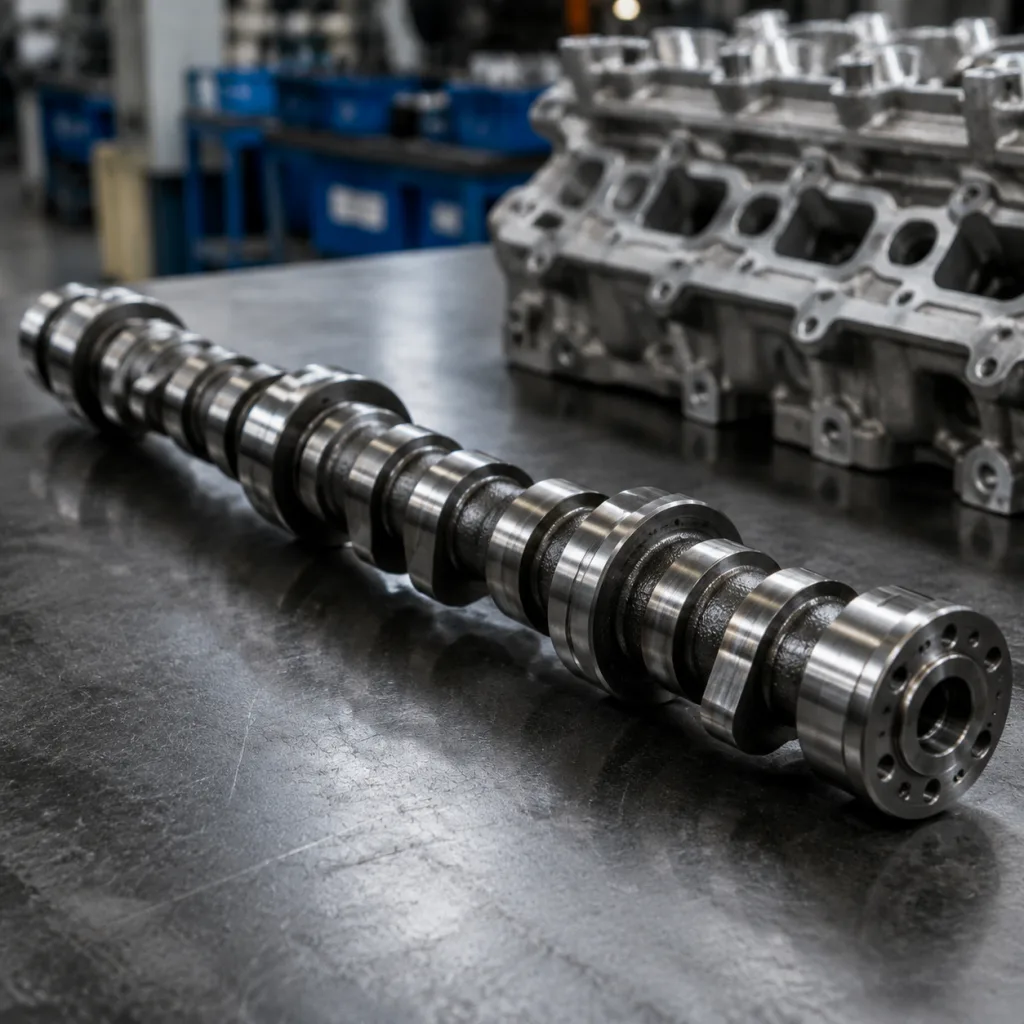
Procurement teams sourcing a camshaft for Kia Sportage OE equivalent need more than a fit claim. The part has to match the OE geometry, sensor trigger arrangement, lobe timing, bearing journals, and surface finish used on the target engine family. In replacement programs, the practical standard is dimensional interchangeability backed by material control, consistent heat treatment, and verified runout. Driventus supplies engine components to distributors, repair networks, and OEM-linked buyers in 60+ countries, with production controlled under IATF 16949:2016 and ISO 9001:2015. Driventus is an independent aftermarket manufacturer; brand names are referenced for fitment only. If you are building a replacement line for the Sportage platform, the safest approach is to confirm engine code, OE reference, and tolerance stack before ordering. Our catalog, quality system, and custom manufacturing options are available for buyers who need repeatable supply and documented validation.

Start with the fitment decision

Before you compare prices, decide whether the part is truly interchangeable for the exact Sportage engine family. That means matching the engine code, model year, valve train layout, and any sensor-driven features on the original shaft.

For a camshaft, OE equivalent means the aftermarket part is built to the same functional envelope as the original component for the intended engine variant. That includes:

  • journal diameter and bearing spacing
  • overall shaft length and thrust face position
  • lobe lift, base circle, and lobe separation
  • trigger wheel or tone pattern, if fitted
  • end play, straightness, and concentricity
  • surface hardness and wear resistance

Do not accept a generic catalog note when the application is narrow. For the Kia Sportage, the correct match depends on the engine code and the specific OE reference used in the program. The safer commercial path is VIN-derived application validation, followed by drawing review or sample comparison before release. A practical buyer standard is to require dimensional conformance within ±0.02 mm on journal diameters, runout no greater than 0.03 mm TIR, and lobe lift within ±0.05 mm of the approved reference unless the engine family specifies tighter control. For sensor-equipped variants, verify the trigger pattern against the original sample so phase and signal amplitude stay consistent.

Where replacement parts fail in service

Most sourcing problems do not show up on a quote sheet. They show up after installation, when the part is close enough to fit but not close enough to run cleanly.

The usual failure modes are predictable:

  • journal mismatch that causes seizure or oil starvation
  • lobe profile drift that changes valve timing and output
  • excess runout that creates noise and bearing wear
  • wrong trigger pattern on sensor-equipped engines
  • inconsistent hardness that shortens wear life
  • poor packaging that leads to rust or transit damage

These issues are why procurement teams should request more than application text. Ask for dimensional data, hardness results, heat-treatment evidence, and batch traceability. If the supplier cannot tie the lot back to a controlled production run, the program is exposed to repeat claims. For regulated markets, also confirm REACH (EC) No 1907/2006 conformity on reportable substances and check local repair rules where emissions-related service is involved.

Spec checks that belong on the PO

Before approving a replacement camshaft, lock down the checks that make the part auditable.

</tr></thead><tbody> </tbody></table>A clean PO should also name the accepted OE or sample reference, the sampling plan, the cosmetic defect limit, and the claim process. Ask for a first-off dimensional report and a production-lot sample, not a preproduction prototype. That one detail avoids a common sourcing trap: approving a part that was measured before the machining process settled.

Why Driventus pushes process control

Driventus manufactures powertrain components with process control intended for repeatable aftermarket supply. For camshafts, the control plan typically covers raw material verification, machining stability, heat treatment, finish grinding, and final inspection. Buyers in the EU, UK, US, Canada, Australia, and Brazil usually ask for the same evidence set: material declaration, dimensional report, hardness data, and lot traceability. Typical release controls include 100% checking of critical features such as journal size, end face, and trigger orientation, plus statistical sampling on profile dimensions when production volume justifies it.

Our quality approach is based on IATF 16949:2016 and ISO 9001:2015. When a customer needs program-specific validation, we can support first article review, sample approval, and packaging requirements through our quality system. For broader engine-line sourcing, see our catalog and the dedicated engine components section. For MOQ and lead time planning, production lots are typically set by machining batch and packaging configuration; many buyer programs start at 100 to 300 pieces per SKU for stock orders, while private-label or drawing-specific runs often begin at 500 pieces. Standard lead time is commonly 25 to 45 days after sample approval, with expedited replenishment possible when raw material is available and the print is frozen.

When a custom run beats stock sourcing

A stock replacement is not always the best procurement answer. Custom manufacturing is usually justified when one of the following applies:

  • the engine variant uses a rare trigger wheel pattern
  • the buyer needs a private-label specification
  • the program requires a tighter lobe lift tolerance than standard supply
  • the packaging, barcode, or carton count must match a warehouse system
  • a regional catalog requires consolidation across multiple OE references

In these cases, Driventus can support custom manufacturing with drawing-based production and controlled sampling. That is often more efficient than repeated ad hoc sourcing, especially for distributors managing multiple branches or export markets. A custom program is most practical when the buyer can commit to a forecast of at least one production lot per quarter or a blanket order that supports stable raw-material planning. For price logic, the lowest unit cost generally comes from larger release quantities: sample and pilot lots carry higher per-piece pricing, while 500+ piece releases typically improve unit economics through setup amortization and packaging efficiency.

When a custom run beats stock sourcing

A lower-risk sourcing sequence

Use a simple order of operations instead of shopping by part description alone.

1. Confirm engine code, model year, and valve train layout. 2. Match the OE reference and any superseded number. 3. Request dimensional data, not just application text. 4. Review material, hardness, and runout reports. 5. Check carton labeling, traceability, and batch coding. 6. Pilot order before release to multiple branches.

If the target market includes heavy rainfall, long storage, or marine freight, specify corrosion protection and desiccant packing. For private-label programs, ask early about artwork, barcode format, and carton drop-test requirements so the launch schedule does not slip. Buyers should also define acceptance criteria before quotation: sampling plan, allowable cosmetic defects, unit test cost, and claim-handling process. A clean sourcing package usually includes target annual volume, forecast split by month, requested MOQ, required certificate set, and the approved OE or sample part number. That allows the supplier to quote realistic pricing, state whether the first lot can ship from finished stock or must be made-to-order, and avoid lead-time surprises later.

Frequently asked questions

No. OE equivalent means the aftermarket part is designed to match the OE fit, form, and function for a defined application. It is not a manufacturer endorsement or OE-branded part. Buyers should still validate the OE reference, dimensions, and surface specification before release.

Ask for dimensional data, hardness results, material traceability, batch coding, and a sample inspection report. For controlled programs, first article approval is also useful. If the order is production-bound, also request the MOQ, standard lead time, packaging spec, and the exact acceptance tolerance used for critical features.

Yes. Driventus can support custom manufacturing, carton specification, and barcode requirements for distributor or repair-chain programs through drawing-based supply. We can also align carton count, label format, and release quantity to your warehouse requirements so replenishment is easier to plan.

If you are sourcing a camshaft for a Kia Sportage replacement program, send the OE reference and engine code through our team at /contact.html.

Request a Quote
Check item Why it matters Typical buyer control
Journal diametersPrevents seizure and oil starvationMicrometer inspection, usually ±0.01 to ±0.02 mm to OE drawing
Lobe lift profilePreserves valve timing and engine outputCMM or profile gauge, confirm peak-to-base-circle variance within approved tolerance
Runout and straightnessReduces noise and bearing wearDial indicator test, commonly ≤0.03 mm TIR for replacement supply
Surface hardnessSupports wear life under boundary lubricationHardness report, often 54–62 HRC depending on material spec
Heat treatment recordConfirms batch consistencyMill/lot traceability and furnace chart review
Trigger patternEnsures sensor synchronisation on equipped enginesPattern comparison against master sample or drawing
Packaging and corrosion protectionAvoids transit damage and rustIncoming inspection, VCI bag, oil film, carton compression check