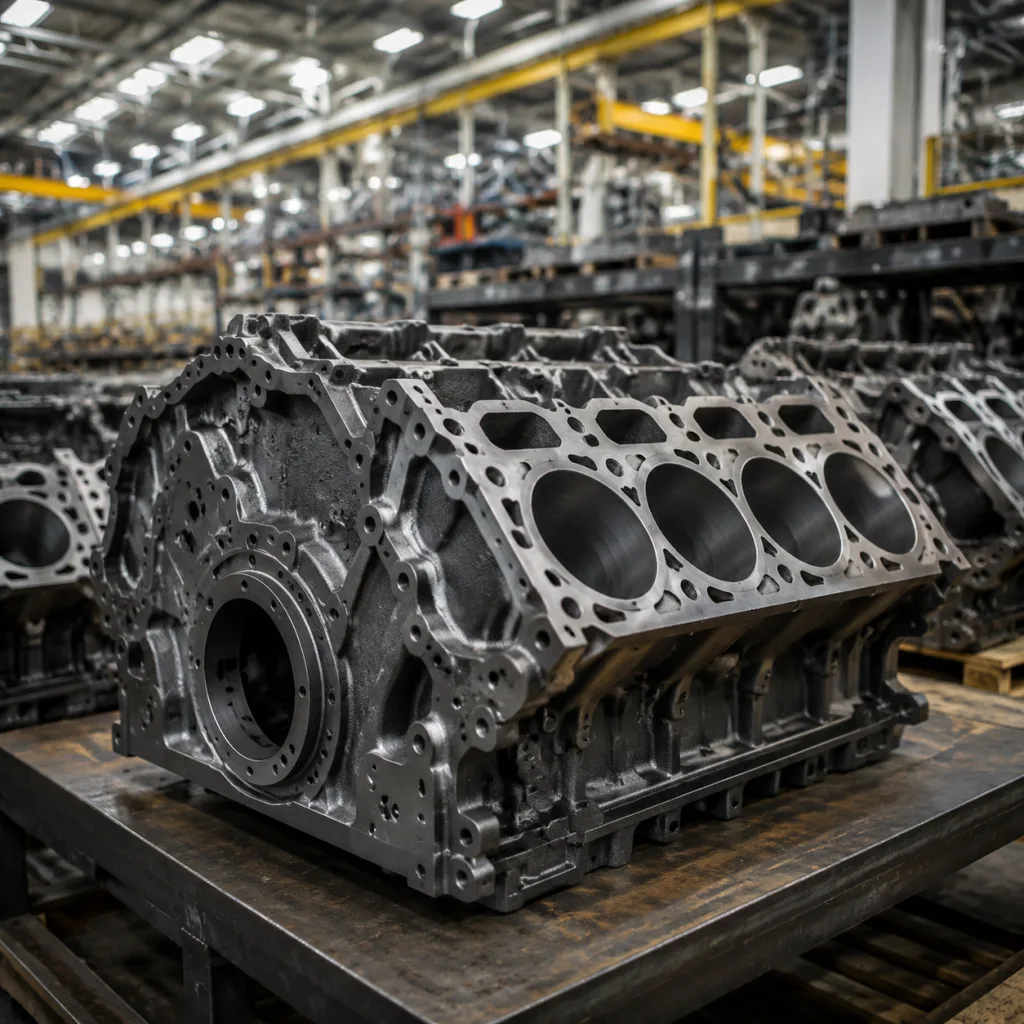
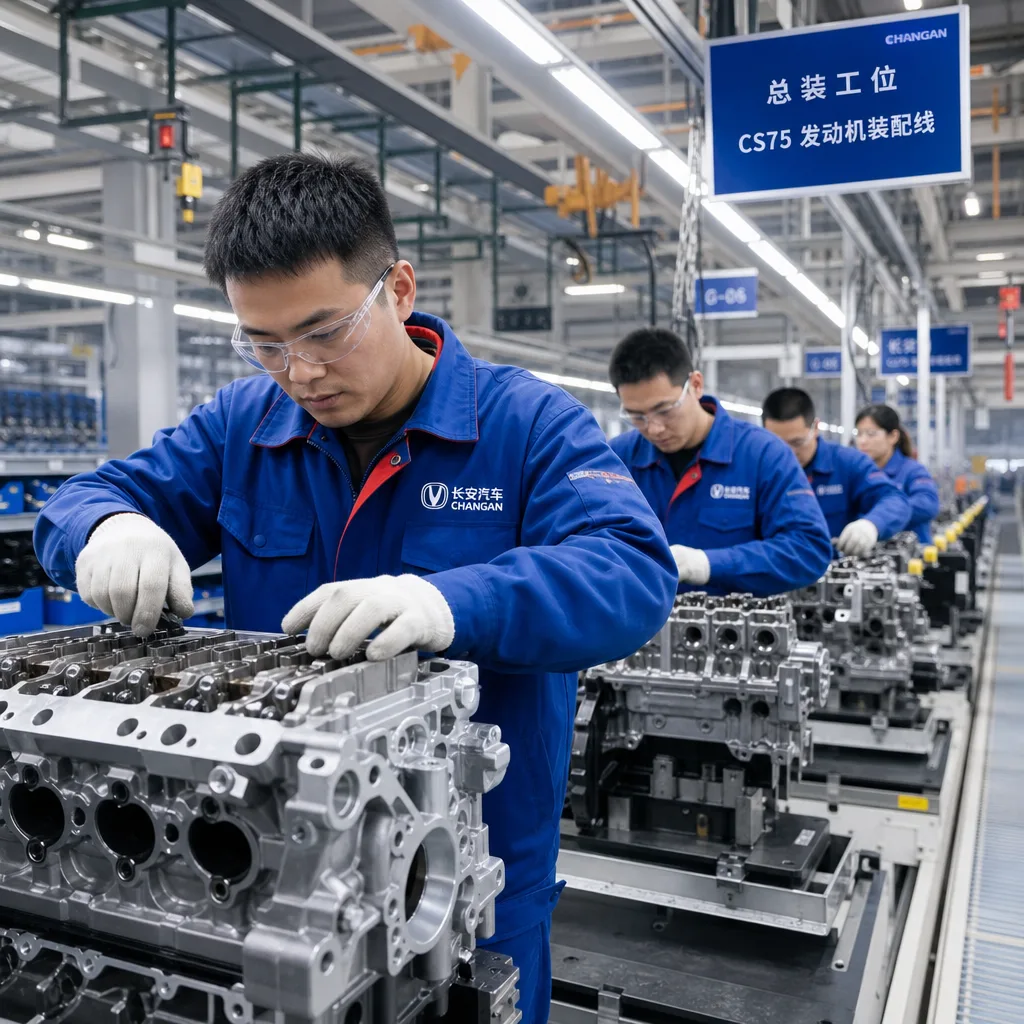
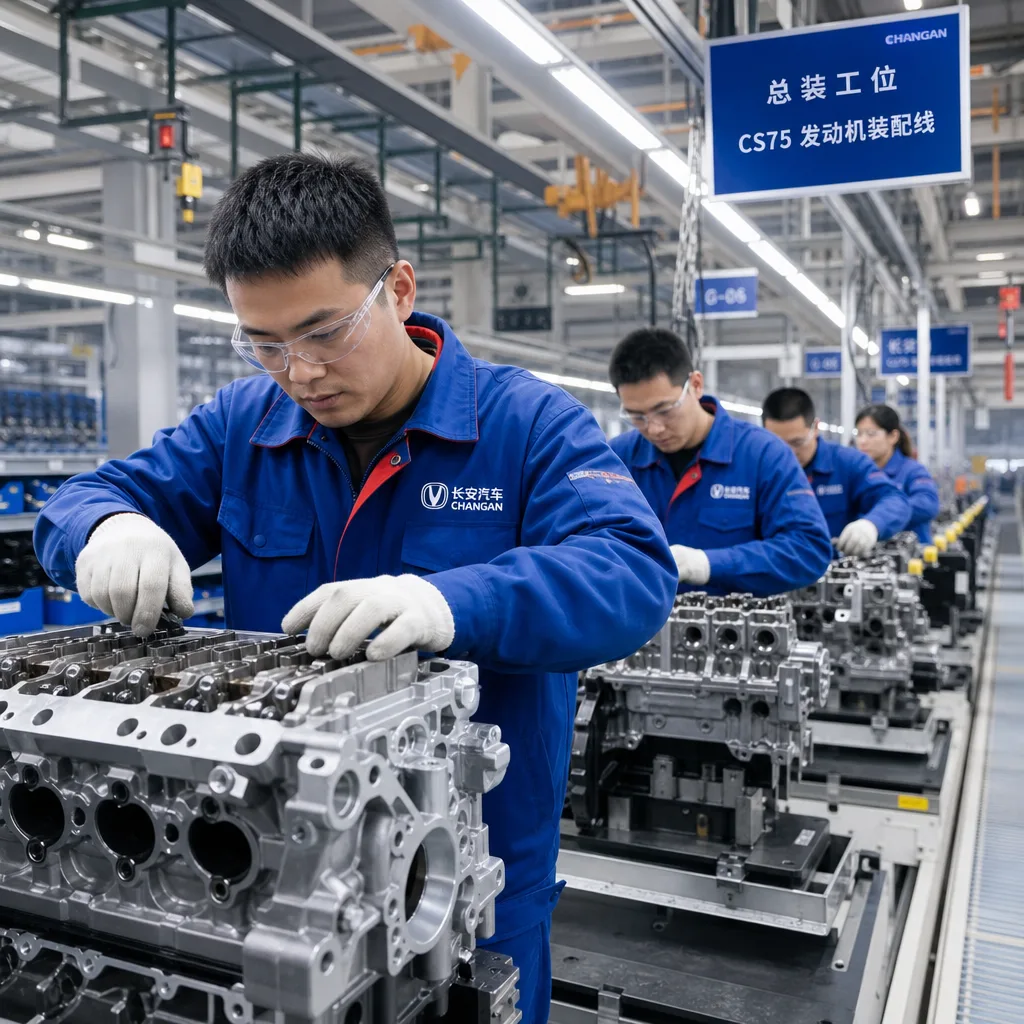
A camshaft for Iveco Eurocargo OE equivalent replacement has to do more than match a part number. It must match valve timing, journal geometry, lobe profile, thrust control and lubrication paths so it installs cleanly and survives real duty cycles in medium-duty service. For procurement teams, the difference between a usable replacement and a costly return is often hidden in the details: lobe ramp shape, axial control, surface hardness, and whether the part is validated against a drawing, sample or confirmed cross-reference. Driventus supplies aftermarket camshafts for rebuilders, distributors and fleet repair networks that need consistent quality, inspection records and export-ready packing. Typical sourcing work includes confirming engine code, emission level, fuel system configuration and OE part-number cross-reference format before quotation. Driventus is an independent aftermarket manufacturer; brand names are referenced for fitment only. Buyers can review related engine components in our catalog at /products.html and the engine component range at /products/engine-components.html.
How to tell whether the OE-equivalent claim is real
For this category, OE-equivalent means the camshaft is engineered to match the original part’s functional geometry and installation interfaces. It does not mean vehicle manufacturer approval, endorsement or supply to the original production line.
That distinction matters on an Iveco Eurocargo. The camshaft controls intake and exhaust events under conditions that can include long idle periods, frequent load swings and high annual mileage. If the lobe centerline, journal diameter or thrust face position is off, the engine may still run, but it can show poor starting, smoke, valve-train noise, uneven cylinder balance or early tappet wear.
A buyer should therefore verify fitment as a technical exercise, not a catalogue assumption. The minimum data set usually includes:
Vehicle model and production year range
Engine family and displacement
Emission level, such as Euro III, Euro IV, Euro V or Euro VI
Fuel injection system type
Cylinder count and valve-train layout
OE cross-reference supplied by the buyer, where available
Required packing format for distributor or workshop stock
Driventus reviews cross-reference data against drawings, samples or buyer-supplied specifications before confirming production. Where a customer needs a private-label item, custom manufacturing at /oem-services.html can cover marking, packaging, inspection plans and agreed dimensional reporting.
Failure modes that show up after the part is installed
A camshaft is not only a timing component. It is also a bearing surface and a wear surface, which means small deviations can create expensive failures after installation rather than at receiving inspection.
Check area
Why it matters
Typical procurement evidence
Journal diameter and roundness
Maintains oil film and bearing clearance
Dimensional inspection report
Lobe lift and profile
Controls valve opening and cylinder breathing
Profile trace or lift measurement
Lobe phasing
Maintains timing between cylinders
Angular inspection record
Thrust face width and position
Controls axial movement
Drawing-based measurement
Drive interface
Ensures correct timing drive engagement
Visual and dimensional check
Oil holes and lubrication paths
Prevents local seizure and lobe scuffing
Flow and position inspection
Surface hardness
Supports wear resistance
Hardness test record
</tr></thead><tbody> </tbody></table>Two camshafts can look interchangeable and still fail differently in service. The visible casting marks may match, while the lobe ramp rate, oil gallery position or thrust control does not. Those differences rarely appear until the engine starts working under load.
The mating components matter too. A new camshaft paired with a worn follower, tappet or rocker arm can suffer early surface distress even when the shaft itself meets specification. For that reason, replacement should be checked as a system: camshaft, followers, tappets, rocker arms, timing gear and bearings.
Material and heat-treatment choices that affect service life
Camshaft durability depends on material selection, heat-treatment stability and machining consistency. Depending on the design, camshafts may be produced from cast iron, chilled cast iron, forged steel or machined billet steel. The correct choice depends on the original design, lobe loading, follower type and lubrication environment.
Driventus controls camshaft production through defined process routes, including rough machining, heat treatment or surface hardening where applicable, finish grinding, cleaning and final inspection. Surface finish matters because the first start after installation is a high-risk period for lobe and follower contact. Poor finish, inadequate cleaning or incorrect hardness can shorten service life quickly.
Common control points
Material grade verified against approved internal specification
Lobe and journal grinding controlled by work instructions
Hardness checked at defined sampling frequency
Runout and straightness inspected after finish machining
Oil holes deburred and cleaned before packing
Anti-corrosion oil or VCI packaging used for sea freight
Published management standards such as IATF 16949:2016 and ISO 9001:2015 matter here because they require controlled processes, traceability and corrective-action systems. They do not replace part-level validation, but they support repeatability across batches. For EU buyers, material and chemical compliance requests may also reference REACH (EC) No 1907/2006 where applicable to supplied articles and packaging.
A practical validation sequence before you place volume orders
A camshaft for Iveco Eurocargo OE equivalent sourcing program should include sample validation before a distributor stock build or a multi-location repair-chain rollout. The level of validation depends on order size, application risk and whether the buyer already has a proven cross-reference.
A workable sequence is:
1. Confirm engine and application data from the buyer’s system. 2. Compare the OE cross-reference supplied by the buyer with Driventus catalogue data. 3. Review critical dimensions against drawing, sample or agreed specification. 4. Inspect sample parts for journals, lobes, thrust face, drive interface and lubrication holes. 5. Install with new or approved mating valve-train components. 6. Follow correct lubrication and break-in procedures. 7. Record noise, oil pressure, starting behavior and fault codes after commissioning.
For fleet repair chains, the biggest risk is often not the camshaft itself. It is inconsistent installation practice between branches. Driventus can support procurement teams with batch documentation, carton labels and application notes to reduce misidentification.
For distributors, validation should also cover packaging drop resistance, barcode readability, label language and shelf-life requirements. A technically correct component still creates cost if warehouse staff cannot identify it quickly.
What buyers need to specify before requesting a quote
Accurate sourcing starts with accurate application data. When a buyer asks for a replacement camshaft, incomplete references can lead to delays or the wrong quotation. Eurocargo models cover multiple engine generations and emission configurations, so the vehicle name alone is not enough.
Before requesting pricing, provide as many of the following items as possible:
Target part description: camshaft, engine camshaft or valve-train camshaft
Vehicle range: Iveco Eurocargo, model years if known
Engine family, displacement and emission level
Buyer’s existing OE cross-reference, if available
Annual demand forecast and first-order quantity
Market destination, such as EU, UK, US, Canada, Australia or Brazil
Packing requirement: neutral, Driventus, private label or bulk workshop pack
Required documents: inspection report, material statement, certificate of conformity or customs data
Any warranty return history or known failure mode
This information allows Driventus to check fitment, production availability and export documentation before quotation. Buyers can use /contact.html for RFQ submission and can review the quality system at /quality.html before supplier onboarding.
Driventus is based in Taizhou, Zhejiang, and exports engine and powertrain components to more than 60 countries. For long-term programs, procurement teams may request batch traceability rules, PPAP-style documentation where commercially agreed, and packaging specifications aligned with the destination warehouse process.
When a catalog replacement is enough, and when it is not
Not every buyer needs the same sourcing route. A distributor replacing regular stock usually wants fast cross-reference confirmation and stable carton packing. An OEM or Tier-1 project may need drawings, process controls and engineering review.
Sourcing route
Best fit
Main advantage
Buyer responsibility
Standard catalog replacement
Aftermarket wholesalers and repair chains
Faster quotation and repeat supply
Provide accurate application and OE reference data
Sample-matched replacement
Importers with existing stock sample
Useful when catalog data is incomplete
Supply an unworn sample and target measurements
Private-label program
Regional distributors
Consistent branding and warehouse handling
Confirm label, carton and compliance requirements
Custom manufacturing
OEM, Tier-1 or specialized aftermarket programs
Engineering control over drawings, materials and testing
Approve specification, validation plan and demand forecast
</tr></thead><tbody> </tbody></table>For replacement demand, the standard catalog route is usually enough when the buyer has a confirmed cross-reference. For mixed fleets or older engine variants, sample review reduces risk. For higher-volume programs, custom manufacturing lets you define tolerances, inspection frequency and packaging rules in advance.
Driventus does not claim approval or endorsement by Iveco or any vehicle manufacturer. The reference is for fitment identification in independent aftermarket supply.
Frequently asked questions
Yes, subject to application confirmation. Buyers should provide the engine family, model year range, emission level and any existing OE cross-reference. Driventus then checks catalogue data, dimensions and production availability before quotation.
Common documents include commercial invoice, packing list, certificate of conformity and agreed inspection records. For larger programs, batch traceability and additional dimensional reports can be discussed during sourcing.
No. Driventus is an independent aftermarket manufacturer; brand names are referenced for fitment only. The company supplies OE-equivalent aftermarket components based on fitment, dimensional control and agreed buyer specifications.
For current availability, drawing review or distributor pricing, send your application data and target quantity. Contact Driventus to request a quote at /contact.html