Camshaft Infiniti OEM Supplier: Sourcing Guide
For procurement teams sourcing a camshaft Infiniti OEM supplier, the main questions are supply continuity, dimensional consistency, and traceable quality control. Driventus produces engine and powertrain components in Taizhou, Zhejiang, with export programs for aftermarket distributors, OEM and Tier-1 buyers, and repair-chain networks. We work to IATF 16949:2016 and ISO 9001:2015, and we support technical buyers who need stable part matching, documented inspection, and repeatable lead times. Driventus is an independent aftermarket manufacturer; brand names are referenced for fitment only. For Infiniti applications, the sourcing process usually starts with OE cross-reference review, then moves to material, hardness, surface finish, and packaging requirements. Where required, we also support custom manufacturing and private-label supply for regional distribution programs.
What procurement teams should verify before awarding supply
When evaluating a camshaft Infiniti OEM supplier, buyers should verify more than nominal fitment. The key points are dimensional control, material specification, heat treatment, surface finish, and incoming lot traceability.
Typical checks include:
- OE cross-reference confirmation using the customer’s part data
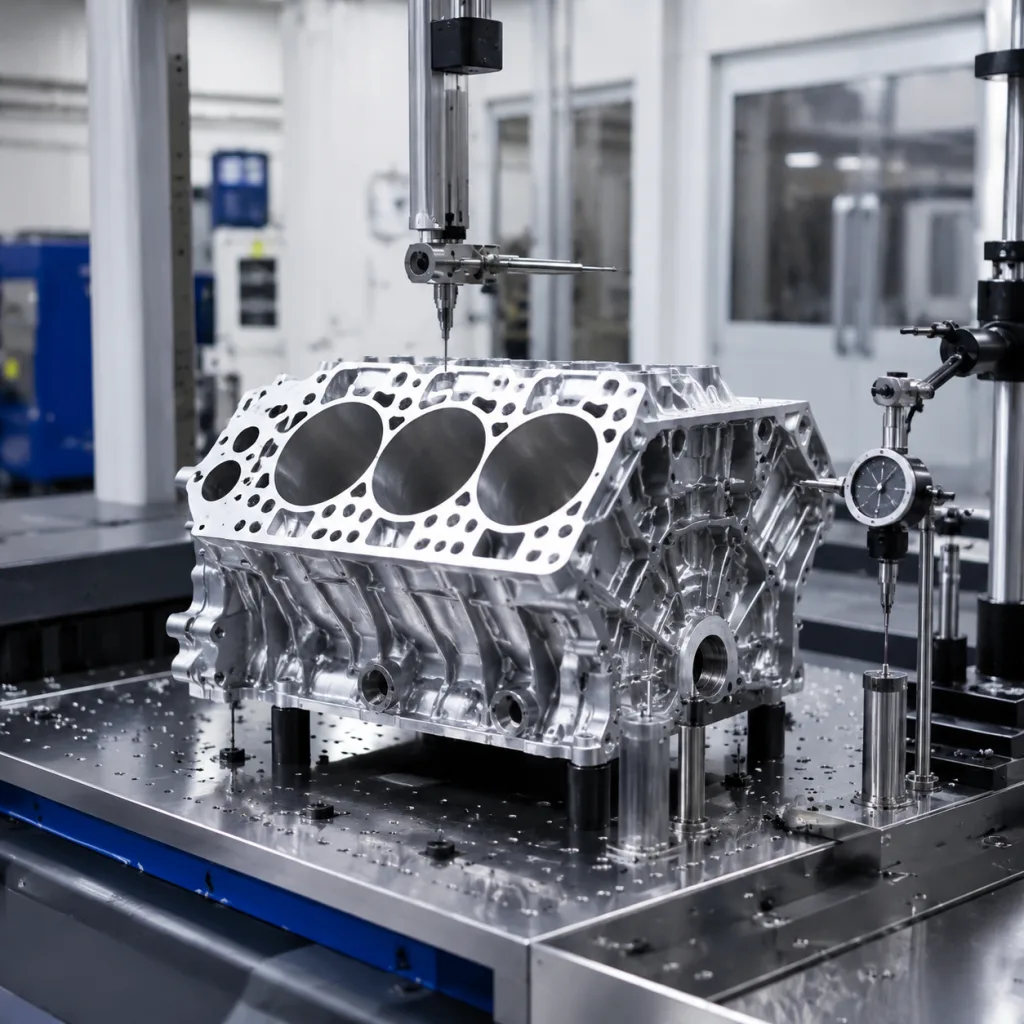
- Journal diameter, lobe height, and base circle measurements
- Runout and concentricity checks on the finished shaft
- Surface hardness and case depth after heat treatment
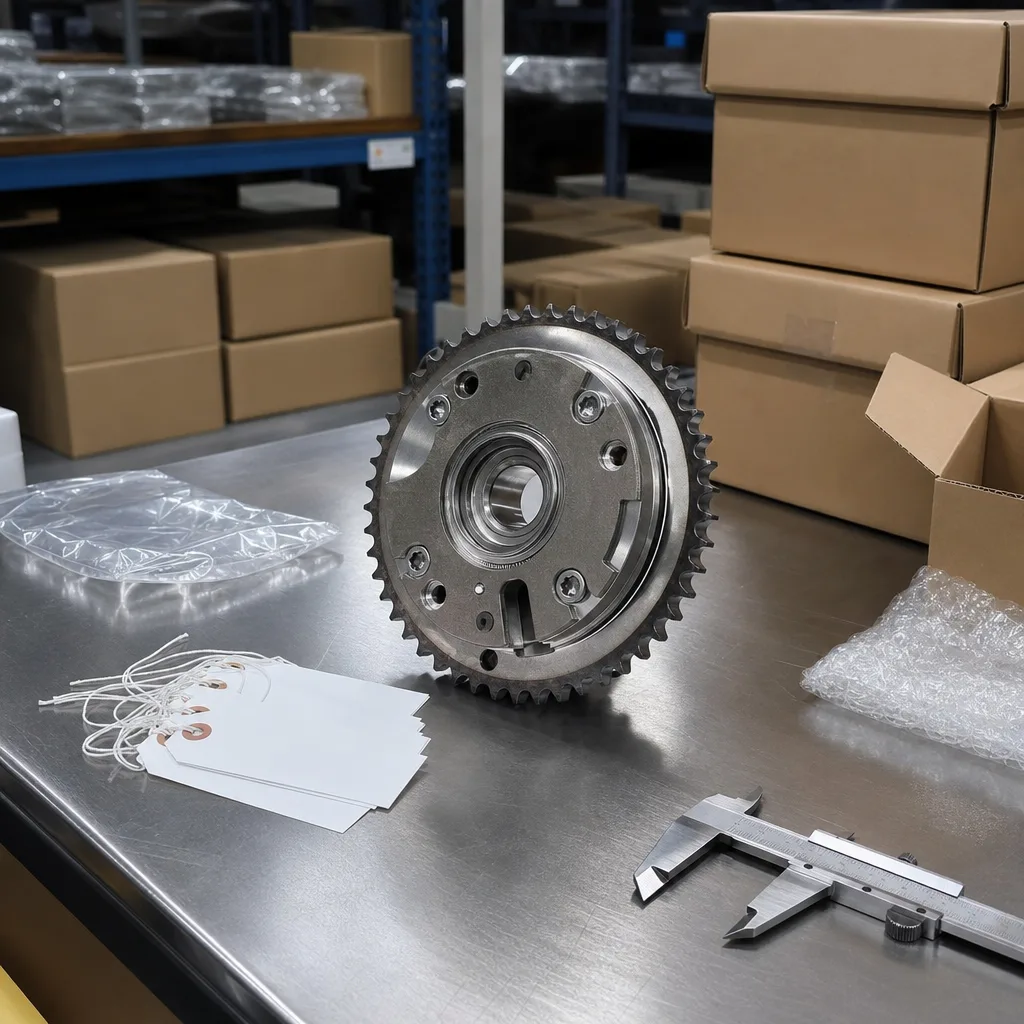
- Packaging protection to prevent corrosion and lobe damage in transit
- Lot coding tied to inspection records and shipping documents
For distribution programs, we also review forecast stability and minimum order quantity. For repair-chain supply, the priority is consistent replenishment and low claim rates. For export orders, label language, carton configuration, and palletisation should be agreed before production release.
How Driventus structures camshaft supply for Infiniti applications
Driventus is set up for B2B sourcing, not retail fulfilment. That matters because procurement teams need repeatable supply and technical control, not one-off packing.
Our supply workflow typically includes:
1. OE sample or drawing review 2. Measurement of critical dimensions against customer specification 3. Material and heat-treatment confirmation 4. Trial production lot approval 5. Final inspection and export packing
We support buyers who source through our catalog, and we can also work from customer samples when the OE reference is incomplete. For volume programmes, lead time depends on machining capacity, heat-treatment queue, and packaging requirements. Buyers should share annual demand, forecast split by month, and any target inventory policy before RFQ submission. That allows us to confirm MOQ, production slotting, and freight planning earlier in the process.
Technical specifications buyers usually request
Camshaft specifications vary by engine code, but procurement teams usually ask for the same control points. The table below shows the most common items reviewed during sourcing and inspection.
| Item | Typical control point | Procurement note |
|---|---|---|
| Material | Alloy cast iron or steel, per design | Confirm with test report |
| Journal diameter | Controlled to drawing | Check fit with bearing set |
| Lobe profile | Per OE geometry | Critical for valve timing |
| Runout | Measured on finished shaft | Influences noise and wear |
| Surface hardness | Verified after heat treatment | Helps resist lobe wear |
| Corrosion protection | Oil film or rust inhibitor | Important for sea freight |
| Traceability | Lot code and inspection record | Needed for claims handling |