Camshaft for Ford Explorer OE Equivalent: Buyer Checklist
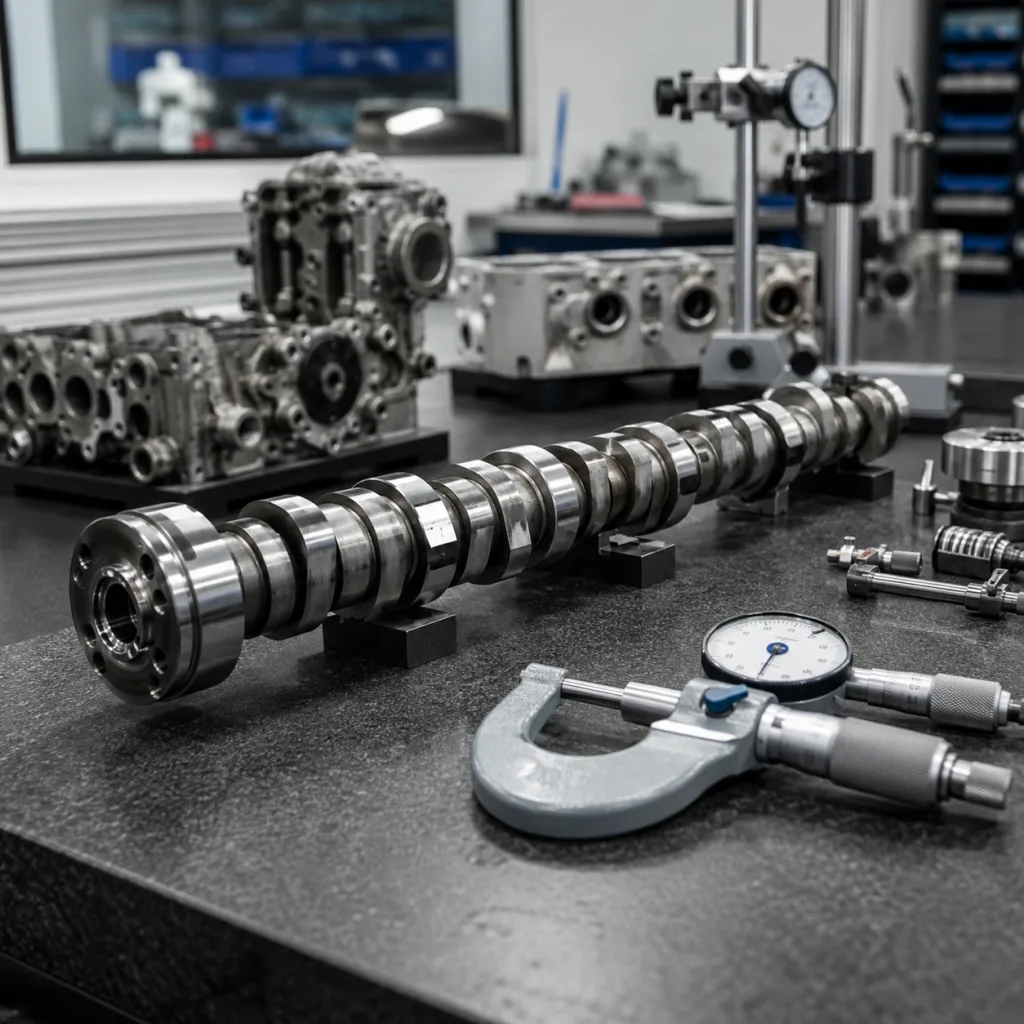
If you are sourcing a camshaft for Ford Explorer oe equivalent, the model name alone is not enough. Explorer programmes span multiple engine families, model years, valve-train layouts, and variable cam timing configurations. A reliable buying decision starts with the exact engine code, OE reference, and dimensional data from the removed part. An OE-equivalent camshaft should match the OE target on journal size, lobe geometry, overall length, thrust features, timing interface, and surface condition, then pass validation against the buyer's inspection plan. For procurement teams, the real question is not whether the part carries the same brand label. It is whether the replacement will stay within the approved window for timing, wear rate, and oiling performance across the full service interval.
What OE-equivalent means for Explorer camshafts
For Ford Explorer replacements, OE-equivalent means the camshaft is engineered to the same functional and dimensional intent as the original part, without claiming manufacturer approval. In practical terms, the part must maintain correct valve timing, support stable bearing and lobe wear, and fit the complete valve-train assembly without secondary modification.
Buyers should treat the vehicle name as a starting point only. Explorer engines can differ by cylinder count, intake and exhaust profiles, VVT hardware, sensor trigger features, and emission calibration. A camshaft that fits one engine family may still be wrong for another, even when the application appears under the same vehicle range.
The most dependable sourcing method is to combine the vehicle record with the engine code, OE reference, and a physical inspection of the removed camshaft. That is the approach used by distributors, repair networks, and importers that need repeatable fitment across multiple markets.
Fitment data buyers should verify
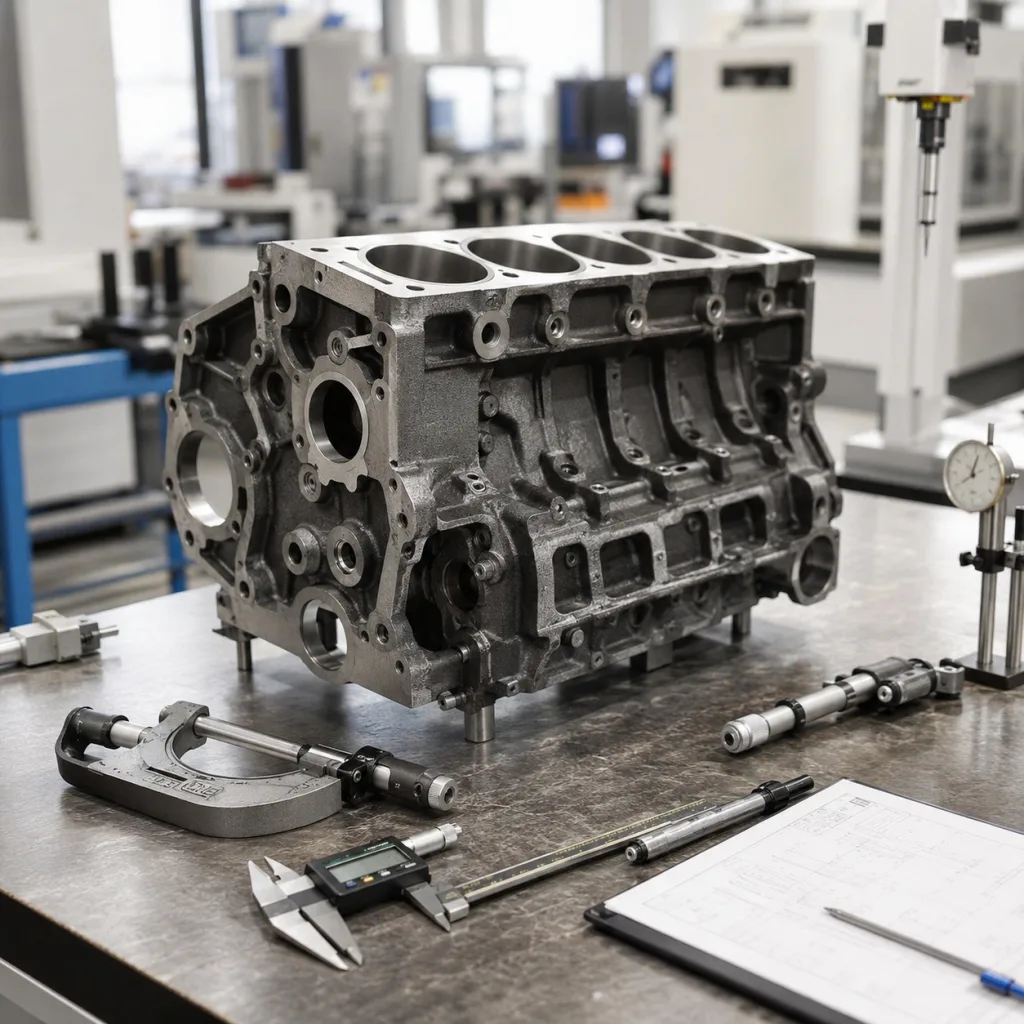
Before placing a purchase order, ask for the actual control dimensions rather than relying on catalogue fitment alone. The main checks are straightforward, measurable, and worth confirming on every programme.
Check point
Why it matters
Typical buyer action
Journal diameter and roundness
Controls bearing clearance and oil film stability
Compare against the OE drawing and incoming inspection data
Lobe lift and base circle
Sets valve opening event and engine breathing
Measure with a cam fixture or CMM profile scan
Overall length and thrust faces
Prevents endplay and assembly interference
Verify against the original sample
Phasing and keying / trigger geometry
Maintains correct timing and sensor signal
Match the OE timing reference and sensor position
Surface hardness and finish
Affects wear life and follower compatibility
Request hardness report and surface roughness record
Runout and concentricity
Reduces noise, wear, and timing scatter
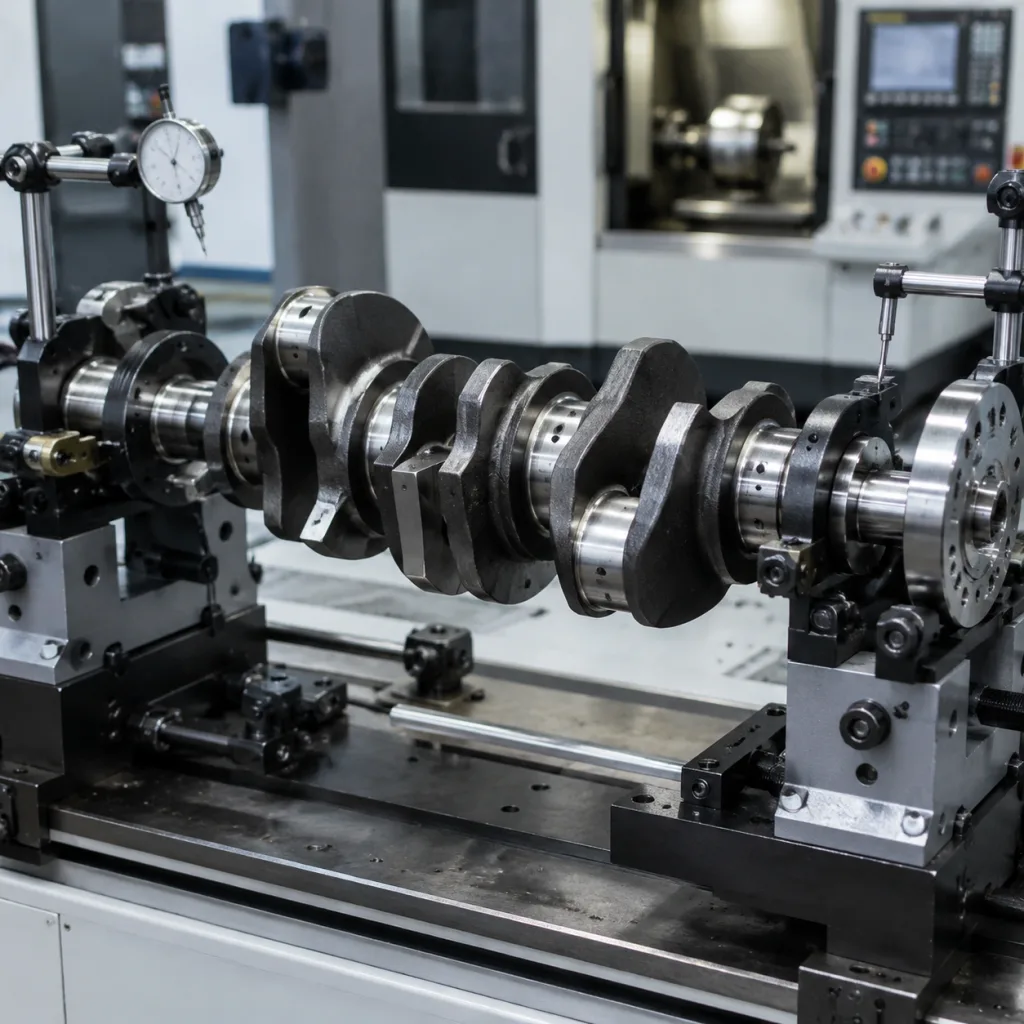
Include runout in incoming inspection
</tr></thead><tbody> </tbody></table>For procurement teams, the minimum package should include dimensional inspection data, material declaration, heat-treatment record, and packing traceability. If the supplier cannot provide that information, the apparent price advantage is usually false economy.
Validation and compliance documents
An OE-equivalent camshaft should be backed by a controlled validation file, not just a sales description. At a minimum, ask for:
Material specification and melt traceability
Heat-treatment or hardening record
Hardness profile on the lobe and journal areas
Dimensional inspection report for the first article and the production lot
Runout, profile, and surface finish records
Packaging and labelling traceability back to the batch
Quality systems matter here. Driventus operates under IATF 16949:2016 and ISO 9001:2015 processes, which are the right baseline for repeatable automotive production. For chemical compliance, ask for REACH (EC) No 1907/2006 declaration where applicable. If a programme includes exposed metal or coated surfaces that need environmental durability evidence, customer-specific tests may reference published methods such as SAE J2527.
If the part is being sourced for a regulated market or a large fleet programme, validation should be tied to the buyer's own PPAP-style approval or sampling protocol. The supplier should not define pass/fail criteria unilaterally.
Replacement, remanufacture, or custom build
Not every procurement case calls for the same supply route. A straight replacement is best when the removed camshaft is a known OE design and the engineering data is complete. Remanufacture can work when the base core is recoverable and the customer wants to preserve a specific geometry. Custom manufacturing is the right path when the buyer needs a revised lobe profile, alternate material, or a controlled change in wear performance.
A practical sourcing comparison is shown below.
Route
Best for
Risk profile
OE-equivalent replacement
Routine aftermarket and repair-chain supply
Lowest if the drawing data is complete
Remanufacture
Core-based supply and legacy references
Depends on core quality and wear history
Custom manufacturing
New programme, special duty cycle, or engineering change
Higher upfront validation effort, better control
</tr></thead><tbody> </tbody></table>If your requirement extends beyond a catalogue match, custom manufacturing allows the profile, hardening, and packaging specification to be aligned to the programme rather than forced into a generic part number.
How Driventus supports procurement teams
Buyers usually want three things from a camshaft supplier: clear fitment evidence, stable quality, and a quote that can be compared line by line. That is why the sourcing process should start with drawings, samples, or a clear OE reference, then move into dimensional confirmation and batch-level documentation.
You can review our catalog for adjacent engine parts, or go directly to engine components if the Explorer camshaft is part of a broader sourcing basket. If you need to confirm packaging, lead time, MOQ, or document scope, the quality system page shows the controls used for production and release.
Driventus is an independent aftermarket manufacturer; brand names are referenced for fitment only. That matters for procurement language and supplier audits, because the claim is OE-equivalence by specification, not OEM endorsement. When the purchase decision depends on repeatable fitment across regions, the best next step is to match the engine data, sample the part, and lock the inspection plan before volume release.
Frequently asked questions
No. OE-equivalent means the replacement matches the original part's intended geometry, fit, and performance window. It does not mean the vehicle maker has approved or endorsed the part.
Provide the model year, engine code, OE reference if available, quantity, and any old-part measurements or photos. That reduces fitment risk and speeds up the quotation.
Yes. Custom work is available when the buyer needs a different lobe profile, material, hardening route, or packaging standard. The project should start with a drawing and validation target.
Send the engine code, OE reference, and target quantity, and we will confirm fitment or prepare a production specification. [request a quote](/contact.html)