camshaft · 2026-06-06

Camshaft for Honda CR-V Replacement Sourcing Guide

A camshaft for Honda CR-V replacement is not just a dimensional match. It must reproduce the original valve timing, journal geometry, lobe profile, surface hardness, sensor trigger features, and oil-feed layout for the specific engine variant. For importers, distributors, and repair-chain buyers, the main risk is not only whether the part installs. A marginal lobe profile, incorrect trigger detail, or inconsistent heat treatment can cause valvetrain noise, timing deviation, accelerated follower wear, poor drivability, and repeat warranty claims.

Driventus manufactures engine and powertrain components in Taizhou, Zhejiang, for B2B customers in more than 60 countries. Our camshaft programs are developed for independent aftermarket fitment using controlled drawings or approved samples, incoming material checks, CNC machining, grinding, heat treatment, and inspection records. This guide explains the sourcing criteria procurement teams should use when evaluating CR-V replacement camshaft part families, including OE-style cross-reference control, validation testing, packaging, documentation, and warranty-risk management. Driventus is an independent aftermarket manufacturer; brand names and model names are referenced for fitment identification only.

Replacement Fitment Starts with OE-Equivalent Geometry

For a replacement camshaft, physical interchangeability is only the first checkpoint. A shaft may install correctly but still create timing scatter, diagnostic faults, or abnormal wear if the lobe centreline, base circle, journal runout, oil-hole location, or sensor trigger detail falls outside the required range. Procurement specifications should therefore define both nominal dimensions and functional performance, rather than relying on appearance or a single cross-reference.

For Honda CR-V applications, catalogue accuracy normally depends on engine code, model year, market region, intake or exhaust position, cam sensor trigger design, and timing drive arrangement. Buyers should also confirm whether the sourcing program requires camshafts only or matched kits with seals, bolts, timing components, followers, rockers, or other related valvetrain parts.

Typical replacement fitment controls include:

  • Engine family, displacement, and production range confirmation before quotation
  • Intake versus exhaust shaft identification
  • Journal diameter, bearing position, and thrust-face match
  • Lobe lift, base circle, profile, and phase-angle verification
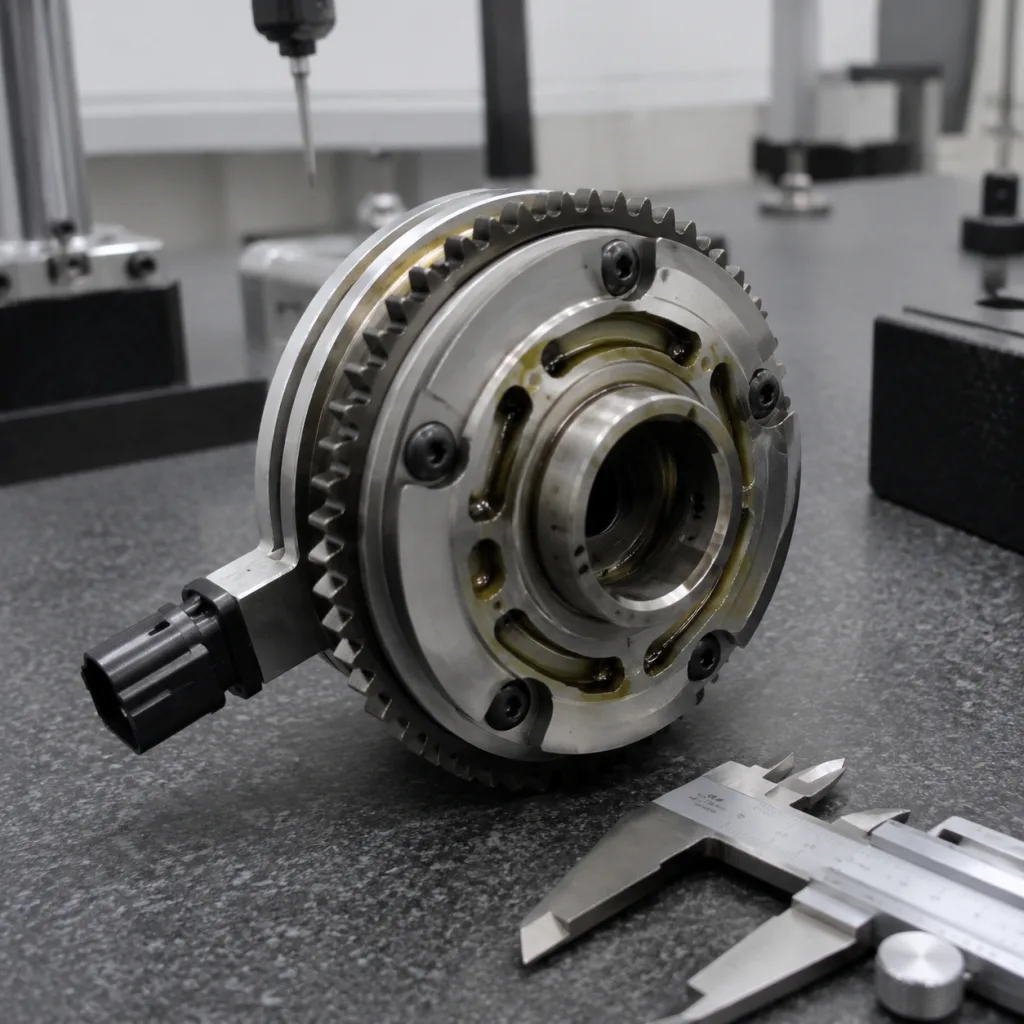
  • Cam sensor trigger profile and dowel or locating pin checks
  • Oil passage position, drilling cleanliness, and chamfer inspection
  • Timing sprocket interface and end-feature confirmation where applicable
  • Packaging labels with application notes and batch traceability

When an enquiry uses an OE-style reference, it should be written clearly and tied to the buyer’s own catalogue rules. Driventus does not claim vehicle manufacturer approval or endorsement. Brand names and model names are used only to identify intended aftermarket fitment.

Material, Heat Treatment, and Machining Controls

Camshafts operate under repeated contact stress between the lobe and the follower, rocker, or roller interface. Material selection, surface treatment, and grinding quality directly affect wear resistance, valvetrain noise, and oil-film stability. Depending on the original engine design, replacement shafts may use cast iron, chilled cast iron, ductile iron, or steel. The correct route depends on the OE design, valve spring load, follower type, lubrication layout, and expected service environment.

A practical procurement specification should not rely on the material name alone. It should define hardness range, case depth where applicable, surface roughness, straightness, runout limits, and inspection method. For camshaft for Honda CR-V replacement programs, Driventus aligns process control with the customer’s drawing, validated sample, or agreed inspection standard and applies batch-level checks before packing.

</tr></thead><tbody> </tbody></table>Dimensional values must be confirmed by the application drawing or an approved master sample, not copied across engine generations. Small differences between CR-V engine variants can affect valve timing, sensor synchronisation, and installation outcome.

Validation Tests Buyers Should Require

A replacement camshaft should be validated as a functional engine component, not treated as a simple machined bar. Buyers sourcing for warehouse distribution, e-commerce fulfilment, or repair-chain networks should request evidence at both development and production stages. The level of documentation can be scaled to order size and risk, but the supplier should be able to show how critical characteristics are controlled.

Recommended validation package:

  • Material certificate or incoming material inspection record
  • Chemical composition verification for controlled batches
  • Hardness test records on lobes and journals
  • Metallographic inspection where heat treatment or chilled-layer control is critical
  • Cam profile measurement report for critical lobes
  • Runout and straightness inspection data
  • Surface roughness checks on journals and lobes
  • Visual inspection for grinding burns, cracks, dents, burrs, and blocked oil holes
  • Cleanliness and oil-passage verification where required
  • Packaging drop or transit protection review for export shipments
  • Batch traceability linking carton labels to production and inspection records

Magnetic particle inspection, dye penetrant inspection, or another crack detection method may be specified where the design, material, and process route require it. For launch batches, procurement teams can also require first article inspection before bulk shipment, followed by routine production checks for repeat orders.

Driventus operates under IATF 16949:2016 and ISO 9001:2015 management principles. Buyers can review our quality system for process control, traceability, inspection planning, and corrective-action handling. Environmental and material compliance requests may include REACH (EC) No 1907/2006 documentation depending on destination market and importer responsibility.

Catalogue Cross-Reference and Ordering Data

A well-made camshaft can still create procurement cost if the catalogue data is weak. Importers should control cross-references, engine notes, production dates, market exclusions, and position notes before placing a container or pallet order. This is especially important for CR-V applications because engine variants differ by generation and region, and a part family that appears similar may use different sensor or timing features.

For each enquiry, provide the following data when available:

  • Vehicle model and production year range
  • Engine code and displacement
  • Market region: EU, UK, US, Canada, Australia, Brazil, or other
  • Intake or exhaust position
  • Quantity forecast and first order quantity
  • Sample, drawing, buyer part number, or catalogue reference
  • Existing OE-style reference, if used in the buyer’s system
  • Required accessories, such as seals, bolts, or related timing parts
  • Packaging requirement: neutral, customer brand, or bulk industrial pack
  • Required documents for customs, compliance, and internal approval

Driventus can support standard aftermarket supply from our catalog, including related engine components. For customers needing controlled drawings, private-label packaging, or application-specific changes, our custom manufacturing team can review samples, drawings, target annual volume, and inspection requirements.

Buyers should avoid approving a replacement camshaft based only on a visual comparison. A sample may look identical while having a different trigger profile, lobe angle, base circle, thrust detail, or oil-feed arrangement. Those differences can create installation returns that are difficult to recover once inventory has entered regional distribution.

Quality Documentation for Importers and Repair Chains

Procurement teams selling to professional repair channels need consistent documentation and a practical claim-review process. A repair-chain buyer may not request every inspection report for every order, but the supplier should be able to retrieve batch data when a warranty case occurs. This is particularly important for valvetrain parts, where installation conditions and engine lubrication history can strongly influence failure analysis.

For export camshaft programs, useful documents include:

  • Control plan or inspection plan summary
  • First article inspection report for new references
  • Pre-shipment inspection summary
  • Heat treatment and hardness records
  • Material declaration where required by the importer
  • Packing list with batch or lot identification
  • Label artwork approval for private-label programs
  • Corrective-action report format for field returns

Warranty control should define what evidence is needed for claim review. Common evidence includes installation mileage, engine code, oil condition, photos of lobe and journal surfaces, timing system condition, lubrication-path findings, and whether related components such as followers, rockers, seals, or timing parts were replaced. Camshaft failures can be caused by oil starvation, blocked galleries, incorrect timing installation, worn followers, contaminated oil, over-tightened components, or inadequate break-in practices. A clear claim process protects both distributor and manufacturer by separating product defects from installation or engine-condition issues.

Driventus is an independent aftermarket manufacturer; brand names are referenced for fitment only. We do not state or imply approval by any vehicle manufacturer.

Commercial Considerations for Replacement Camshaft Supply

For a camshaft for Honda CR-V replacement program, commercial evaluation should include more than unit price. A low-cost shaft with inconsistent machining, weak catalogue control, or poor export packaging can create higher downstream cost through returns, labour claims, emergency replenishment, and catalogue corrections. Buyers should compare suppliers using a total landed cost and warranty-risk model.

Key sourcing factors:

  • Minimum order quantity by reference or mixed engine-component order
  • Lead time for stocked items versus new development
  • Tooling, gauge, or fixture requirement for new references
  • Packaging strength for sea freight, courier, and regional redistribution
  • Availability of inspection records in English
  • Ability to consolidate with gaskets, pistons, pumps, timing parts, or other engine components
  • Private-label capability and label traceability
  • Response time for technical enquiries and corrective actions
  • Support for sample approval before mass shipment

For aftermarket distributors, mixed shipment planning can reduce per-unit freight cost and improve inventory coverage. For OEM or Tier-1 service channels, drawing control, PPAP-style documentation when requested, and supplier audit readiness may be more important than short-term price. For multi-location repair chains, consistent labelling, stable part-number logic, and clear fitment notes reduce branch-level ordering errors.

Driventus supports export programs for distributors, wholesalers, OEM/Tier-1 suppliers, and repair-chain procurement teams. Application review should be completed before order release, especially when replacing multiple CR-V engine variants under one part family.

Frequently asked questions

Provide engine code, model year range, market region, intake or exhaust position, quantity forecast, and any buyer part number or OE-style reference used in your system. A sample, drawing, or validated master part improves accuracy for new references.

Yes. Driventus can supply neutral export packaging, customer-brand packaging, or bulk industrial packing according to order volume and destination requirements. Carton labelling can include part number, application notes, quantity, and batch traceability.

Driventus operates under IATF 16949:2016 and ISO 9001:2015 management principles. Buyers may also request inspection records, material declarations, or REACH (EC) No 1907/2006 support depending on importer obligations and destination market.

If you are building a camshaft sourcing program for CR-V applications, share your engine codes, target references, samples or drawings, and annual volume. Our team can review fitment and documentation requirements when you [request a quote](/contact.html).

Request a Quote
Control point Procurement requirement Why it matters
Journal diameterDrawing-based tolerance checked by micrometer, air gauge, or equivalent methodControls oil clearance and bearing noise
Lobe lift and profileMeasurement against master data or approved sampleMaintains valve opening, closing behaviour, and engine breathing
Runout and straightnessChecked between centres or by approved fixtureReduces vibration, timing variation, and uneven journal loading
Surface hardnessVerified after heat treatmentSupports wear resistance at the cam/follower interface
Case depth or chilled layerConfirmed where the design requires surface hardening controlHelps prevent premature lobe wear
Surface finishRoughness inspection on journals and lobesProtects oil film and reduces scuffing risk
Oil feed featuresVisual and dimensional inspection, including deburring and cleanlinessPrevents lubrication restriction and local overheating
End features and trigger detailsDimensional and visual check against drawing or sampleSupports correct timing signal and assembly fit