Camshaft for Fiat Ducato Replacement: OE-Fit Sourcing
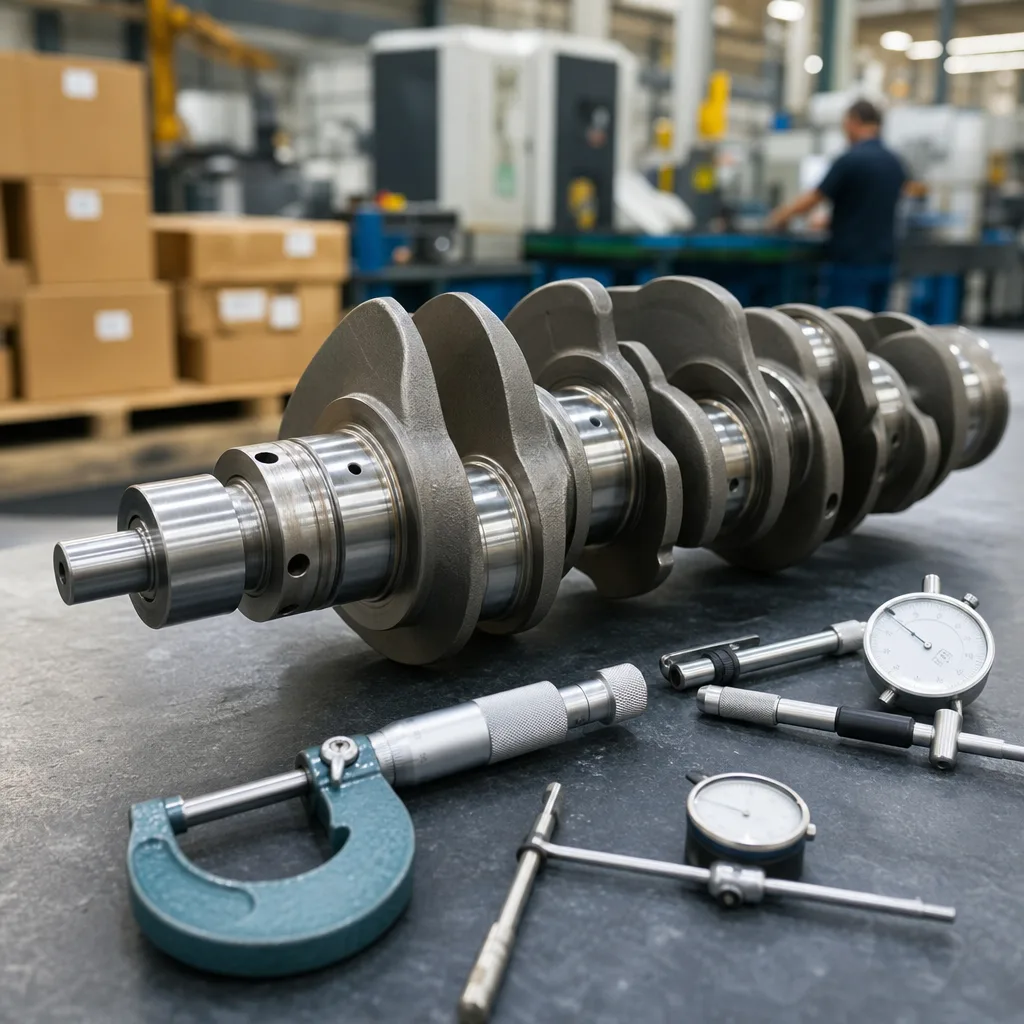
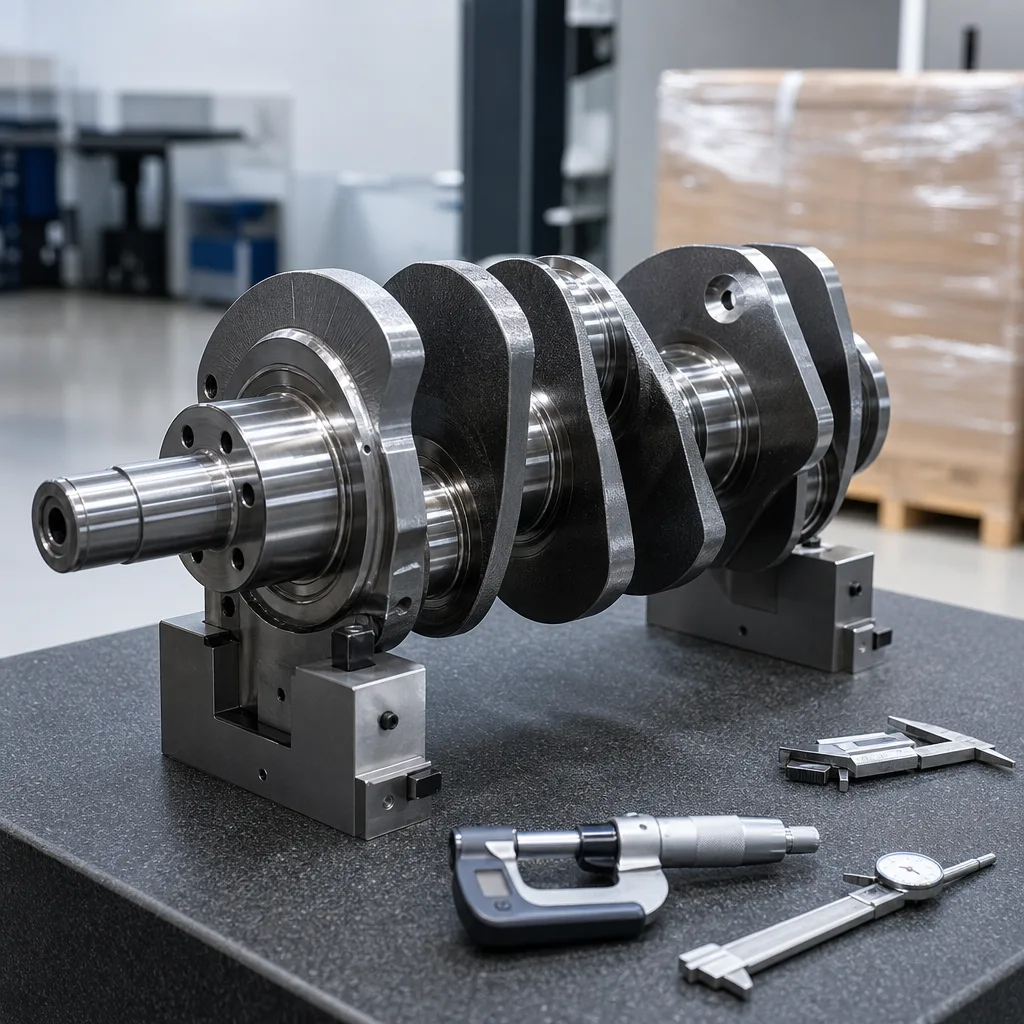
Procurement teams ordering a camshaft for Fiat Ducato replacement need more than a matching nameplate. The purchase decision should confirm engine code, valve timing, journal diameter, lobe lift, overall length, thrust face geometry, surface finish, and heat-treatment stability. A part that is dimensionally close can still cause noise, low oil pressure, poor idle stability, or premature wear if the profile or hardness is off. Driventus is an independent aftermarket manufacturer; brand names are referenced for fitment only. We supply replacement camshafts for B2B programmes that require traceable production, stable lead times, and documented inspection. Buyers can use our catalog, review the quality system, or send drawings and samples for custom manufacturing when the application needs a non-standard variant. The sections below set out the fitment checks, validation points, and sourcing data that matter before you place a purchase order.
What a correct replacement must match
For this application, the core question is not whether the part looks similar. It is whether the installed geometry reproduces the intended valve event and survives the duty cycle.
Check
Why it matters
Typical buyer input
Overall length and journal spacing
Prevents thrust and bearing misalignment
Engine code, sample part, drawing
Lobe lift and base circle
Controls valve opening event
OE reference or measured profile
Timing gear and sensor features
Keeps crank-cam correlation correct
Photos, trigger wheel details
Journal diameter and runout
Protects oil film and reduces noise
Micrometer data, sample inspection
Surface finish and hardness
Affects wear and scuff resistance
Material spec, heat-treatment target
</tr></thead><tbody> </tbody></table>A close visual match is not enough. If the buyer cannot provide a confirmed OE reference, we work from the engine code, sample measurement, and installed part photos. That is the safest route for fleet vehicles, mixed engine variants, and older Ducato platforms with running changes.
What to verify before you place an order
The fastest way to avoid a mis-shipment is to collect a complete identification pack before sourcing begins. For replacement orders, ask the workshop or warehouse team for the following:
VIN and engine code from the vehicle record
Model year, fuel type, and displacement
Intake or exhaust side, if the engine uses different shafts
Old part photos showing gear end, sensor features, and bearing journals
Measured values for length, journal diameter, and visible wear points
Target market and packaging format, including pallet and carton labels
Required documents for import, customs, and internal approval
If an OE number is available, capture it exactly as printed on the removed part or service document. If it is not available, do not guess. The right replacement is defined by the installed engine family and measured dimensions, not by a similar description in a catalogue.
Materials, machining, and heat treatment
Replacement camshafts are usually built from chilled cast iron or alloy steel, depending on duty cycle and the form used on the reference part. The important point for procurement is consistency: the lobe profile, journal finish, and hardness profile must repeat from batch to batch.
Typical production controls include:
Controlled casting or forging route matched to the design intent
Rough machining before heat treatment
Induction hardening, nitriding, or another specified case-hardening route where required
Finish grinding of lobes and journals to the drawing tolerance
Cleaning and rust protection before packing
For buyers comparing suppliers, ask for the hardness range, runout limit, and surface finish target in writing. A part that is technically "fitment correct" but unstable in hardness or grind quality will create avoidable warranty exposure.
Validation and quality documents
Driventus operates to an export-focused B2B quality model with documented inspection steps aligned to IATF 16949:2016 and ISO 9001:2015. For EU-bound shipments, we can support REACH (EC) No 1907/2006 declarations where the material set requires it.
Documents buyers usually ask for
Certificate of conformity
Dimensional inspection report
Material certificate or chemical analysis summary
Hardness verification record
Traceability data by batch or lot
Packaging and label specification
Some customers also request programme-level evidence that sits alongside references such as ECE R-83 or SAE J2527. Those standards are not approvals for the camshaft itself, but they can inform the wider documentation pack for a vehicle programme. Our role is to provide the manufacturing and inspection data that purchasing and quality teams need for their internal sign-off.
Sourcing options for B2B buyers
Buyers with a confirmed match can source directly from our catalog and review related engine components. If the application is obsolete, modified, or outside the standard range, custom manufacturing is the better route.
Sourcing route
Best for
Buyer input
Commercial impact
Standard catalog part
Common replacement demand
Engine code, OE reference, quantity
Shortest lead time
Custom manufactured part
Obsolete or variant-specific programmes
Sample, drawing, target volume
Longer development, controlled repeatability
Reverse-engineered supply
Legacy vehicles with no clear data trail
Worn sample, measurements, photos
Requires validation before mass supply
</tr></thead><tbody> </tbody></table>For distributors and repair-network buyers, the commercial question is usually consistency of supply. We can support carton labelling, palletisation, and export documentation that fit warehouse and import workflows. Review our quality system for the inspection framework, then request a quote with your target market, annual volume, and part identification data.
Frequently asked questions
Start with the engine code, VIN, and any OE reference on the removed part. Then confirm length, journal diameter, lobe count, timing features, and whether the intake and exhaust shafts differ. If the vehicle is older or modified, a measured sample is safer than ordering by description alone.
Yes. If you provide a sample, drawing, or clear dimensional data, we can assess feasibility for custom manufacturing. That route is common for obsolete programmes, mixed production years, or variants where catalogue fitment data is incomplete.
We can provide traceability data, dimensional reports, material evidence, and a certificate of conformity. Our production and inspection flow is aligned with IATF 16949:2016 and ISO 9001:2015, and REACH documentation can be prepared where required for the destination market.
If you need a verified replacement plan, send the engine code, OE reference, and annual demand profile. Use [request a quote](/contact.html).