camshaft · 2026-06-11

Camshaft for Alfa Romeo Giulia Aftermarket Replacement

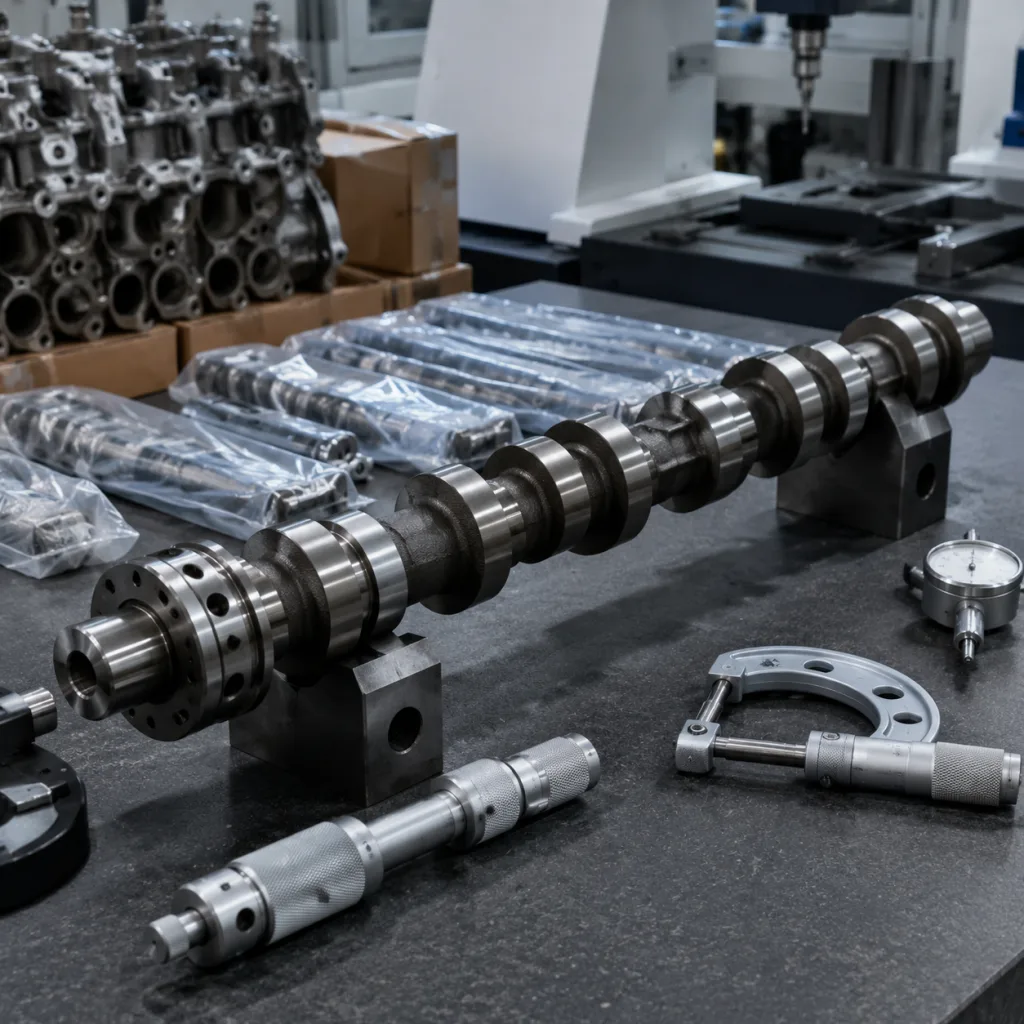
A camshaft replacement for the Alfa Romeo Giulia has to match more than the engine family name. The buyer needs the correct lobe profile, journal diameter, thrust face, timing trigger, and valve-train layout for the exact application, especially where variable valve timing or emissions calibration is part of the engine design. For procurement teams, the real question is whether the part can be manufactured and verified to the same dimensional and functional standard as the original component, then supplied with stable lead time and traceable quality records. Driventus is an independent aftermarket manufacturer; brand names are referenced for fitment only. The right process is to verify engine code, production range, and OE reference before release, then confirm material, hardness, and final inspection data against the drawing and control plan.

What a direct replacement must match

For the Giulia, a direct replacement is not just a machined shaft with lobes. The part has to match the engine variant, valve count, cam phasing arrangement, and any trigger geometry used by the ECU.

Key match points include:

  • Journal diameter and bearing spacing
  • Base circle and lobe lift
  • Lobe separation and opening and closing events
  • Thrust width and end-play control
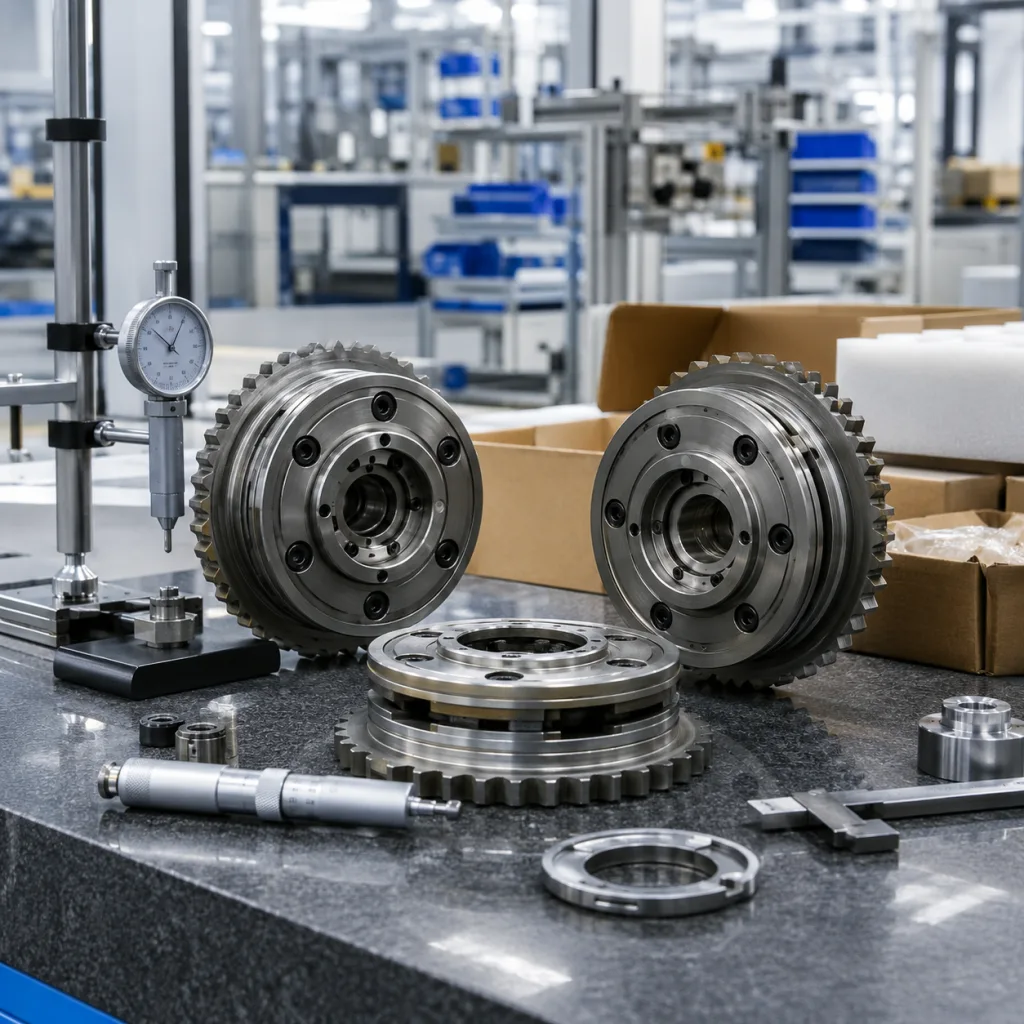
  • VVT phaser interface, if fitted
  • Trigger wheel position and tooth pattern

If any of those values drift, idle quality, cold-start behaviour, emissions performance, and torque delivery can change. For distributors and workshop networks, the safest buying process is to confirm the engine code first, then compare the part against the dimensional record. See the wider range in our catalog and the broader engine components section.

Material choices and cam profile trade-offs

A replacement camshaft can be produced in cast iron, chilled cast iron, or billet steel depending on duty cycle and target price point. For a standard road car, buyers usually want the lowest-risk OE-style geometry rather than an aggressive performance profile.

</tr></thead><tbody> </tbody></table>Surface finish and hardening matter as much as the core material. A lobe with the right lift but the wrong surface hardness will not hold up in service. For B2B buyers, the best quotation is the one that states material, heat-treatment route, and inspection method on the same line item.

Validation checks before release

Before a camshaft is cleared for shipment, the supplier should be able to show the measurement and traceability pack behind it. That is especially important for repair chains and importers that need repeatable fitment across multiple batches.

Typical release checks include:

  • Coordinate inspection of lobe profile and journal geometry
  • Runout verification in the low hundredths of a millimetre
  • Surface hardness and case-depth verification where applicable
  • Oil passage cleanliness and burr removal
  • Final visual inspection for scoring, nicks, and coating defects

For document control, align the release record to IATF 16949:2016 and ISO 9001:2015. If the buyer needs material declarations for the market, include REACH (EC) No 1907/2006 status in the pack. Our quality system explains how those records are organised for export programs.

How procurement teams should source it

A replacement camshaft should be bought with the same discipline used for any engine-critical component. That means the enquiry should include vehicle application, engine code, photos of the removed part, annual demand, target incoterm, and any packaging or labelling requirement.

When the part is for aftermarket distribution, the best source is usually one that can support multiple channels at once: wholesalers, multi-location repair groups, and OEM or Tier-1 supply chains. That requires consistent batch control, stable carton specs, and clear part-number mapping in the buyer's ERP system.

If the application needs a non-standard lobe profile, modified VVT interface, or a regional packaging format, custom manufacturing is the correct route. If the requirement is a straightforward stock item, compare it against our catalog and request the technical sheet before placing the first order.

Why Driventus fits replacement sourcing

Driventus manufactures engine and powertrain components for export markets that need repeatable quality and practical supply control. The company structure is built for B2B replacement parts, not retail sales, so buyers can expect technical communication on fitment, drawing review, and batch documentation.

That matters for a camshaft because buyers are not only paying for the metal. They are paying for:

  • Dimensional consistency across batches
  • Heat-treatment control
  • Packing that protects the lobes and journals in transit
  • Responsive support when fitment questions appear

Driventus is an independent aftermarket manufacturer; brand names are referenced for fitment only. If you need a camshaft for a Giulia application, the best next step is to send the engine code, sample photos, and target order volume. Our team can then confirm whether the part should follow an OE-equivalent path or a drawing-based custom route.

Frequently asked questions

Match the engine code, valve-train layout, production range, and any VVT or trigger-wheel details. Photos of the removed part help, but the OE reference and drawing dimensions are better.

Yes. A proper release pack should include dimensional checks, hardness data where relevant, and batch traceability. The exact documents depend on the order terms and destination market.

Yes. If the buyer needs a non-standard profile or interface, we can work from a drawing or sample through our OEM process. Use the same enquiry to state volume, packaging, and target lead time.

Send the engine code, OE reference, and target annual volume, and we will confirm the most suitable supply route. [request a quote](/contact.html)

Request a Quote
Option Typical advantage Typical trade-off Best fit
Cast or chilled cast ironStable cost, good wear behaviourLess flexible for extreme profilesHigh-volume aftermarket replacement
Billet steelHigher strength marginHigher machining costSpecial builds and heavier-duty use
Re-profiled or regrind unitFast supply from core stockDependent on core conditionShort-term repair where geometry is verified