camshaft · 2026-05-28

Camshaft Buick Aftermarket Replacement: OE Fit Checks

Buick camshaft replacement work depends on dimensional match, not just part name. For distributors, rebuild shops, and import buyers, the core question is whether the new camshaft reproduces the original valve timing, journal support, thrust location, and drive features across the intended engine family. Small deviations in base circle, lobe profile, or end play can change idle quality, emissions behaviour, wear rate, and long-term service life. Driventus is an independent aftermarket manufacturer; brand names are referenced for fitment only. Buyers should validate each application against an OE sample or controlled drawing, then confirm the production process, inspection records, and packaging method before volume release. For the most reliable supply, treat this as an engineering item with measured characteristics, not a generic shelf part.

What a Buick replacement camshaft must match

A correct replacement starts with the same functional geometry as the original part. That means the camshaft must match the engine's valve-train layout, the bearing journal scheme, and any drive or timing interface used by the application.

For procurement teams, the practical checks are straightforward:

  • Journal diameter and journal spacing
  • Overall length and thrust face position
  • Lobe lift, duration, and lobe separation angle
  • Base circle size and nose profile
  • Drive features, keyways, gear fit, and sensor or distributor indexing
  • Surface finish and hardness at the lobe and journal areas

If any of those items move outside the original design window, the replacement may still install, but it will not behave like the OE part. For multi-location repair chains and distributors, that becomes a warranty issue quickly. The safest sourcing approach is to compare the candidate part against a known sample or drawing, then release only after the fitment data is signed off by the buyer's technical team. For broader engine coverage, see our catalog and the related engine components range.

Dimensional checks that protect interchangeability

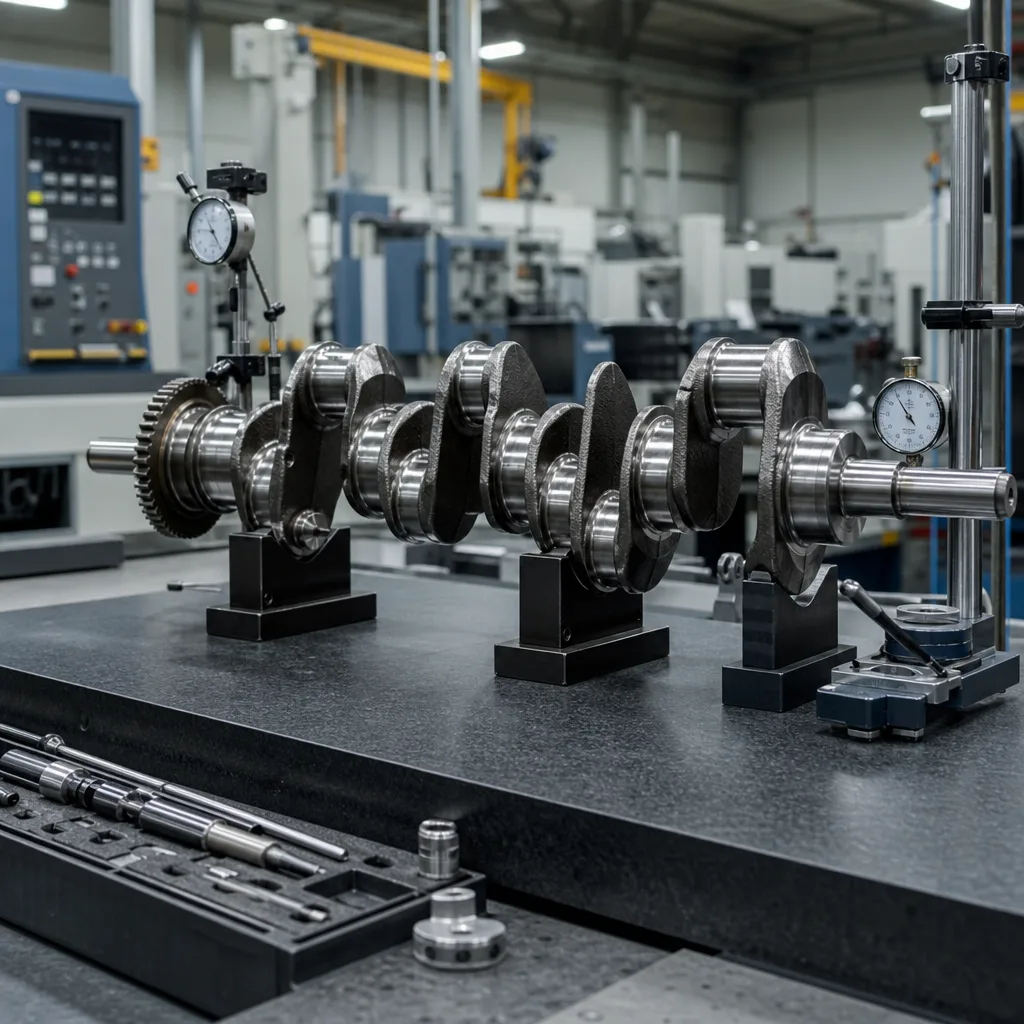
Dimensional control is the main reason some parts fit and others do not. A Buick camshaft can look correct on the bench and still fail in service if runout, centreline location, or lobe shape deviates from the reference part.

</tr></thead><tbody> </tbody></table>The best suppliers provide a first-article dimensional report, not just a box label. For replacement programmes, ask for gauge method, measurement points, and the acceptance limits used at final inspection. If those records are not available, the risk shifts to your inbound inspection team and then to your warranty budget.

Materials, heat treatment, and surface control

Camshaft life depends on the material system and the surface condition at the lobes and journals. Depending on the application, a replacement may use chilled cast iron, ductile iron, or steel construction. The correct choice is the one that matches the original design intent and the expected load cycle.

Key process controls to request:

  • Material certification with heat number traceability
  • Defined hardening route for lobes and journals
  • Post-grind surface finish record
  • Fillet and chamfer control at stress-sensitive transitions
  • Corrosion protection for storage and transit

For B2B buyers, the goal is not cosmetic polish. It is repeatable contact performance between the cam lobe, lifter, and valve-train components. Poor surface control accelerates break-in wear, and poor hardness consistency shortens service life. If the part will be shipped into multiple climates, packaging and preservative selection matter as well. Compliance documentation should also be aligned with REACH (EC) No 1907/2006 where applicable, especially for coatings, oils, and packaging materials that enter the EU supply chain.

Validation and quality system requirements

A replacement camshaft should be released against a controlled quality system, not a marketing claim. Driventus operates to IATF 16949:2016 and ISO 9001:2015, which is relevant because buyers need stable processes, traceable records, and a defined response when a lot falls out of spec.

What good validation looks like

  • Sample approval against an OE reference part
  • Incoming material verification and traceability
  • In-process checks for machining, grinding, and heat treatment
  • Final inspection records for critical dimensions
  • Nonconformance control and corrective-action workflow
  • Packaging verification for rust prevention and part identification

For importers and warehouse teams, the documentation set matters as much as the hardware. A clean cross-reference list, a measurable inspection plan, and lot-level traceability reduce disputes later. If your programme needs a custom profile, a different gear interface, or a private-label packaging format, use custom manufacturing to align the part to your technical and commercial requirements. For internal supplier review, our quality system page shows the control framework that supports production and shipment release.

How to source the right part for your programme

The buying process should begin with application data, not a part number alone. For a Buick camshaft programme, request the engine code, model year range, valve-train configuration, and the original sample if one is available. That information lets the supplier confirm the correct profile before production.

For distributors and wholesalers, the commercial checks are just as important:

  • MOQ and pack quantity
  • Lead time for stock and repeat orders
  • Carton labelling and barcode format
  • Pallet configuration for warehouse intake
  • Spare sample policy for technical verification

For OEM / Tier-1 or contract supply, ask for drawing control, change-notification rules, and PPAP-style evidence where your internal process requires it. The right supplier should be able to scale from sample approval to repeat production without changing the technical basis of the part. If the requirement is a replacement part that must track an existing OE geometry, the goal is simple: consistent fit, controlled process, and stable supply. Use request a quote only after the reference data is complete.

Frequently asked questions

Confirm the engine code, valve-train layout, journal dimensions, overall length, and drive interface. The safest method is to compare the replacement against an OE sample or controlled drawing, then verify the supplier's inspection report before release.

Yes. The usual workflow is sample matching or drawing-based manufacture. Brand names are referenced for fitment only, and the release data should define the physical dimensions, not an OEM endorsement or approval.

Ask for material traceability, dimensional inspection data, hardness or surface-control records, packaging details, and the supplier's quality-system summary. For regulated markets, also confirm REACH (EC) No 1907/2006 support where applicable.

If you need a Buick camshaft matched to an OE sample, a controlled drawing, or a private-label supply plan, send the application data and target volume through [request a quote](/contact.html).

Request a Quote
Check item What to confirm Service risk if wrong
Journal diameterMatch each bearing journal to the reference specExcess clearance, oil pressure variation, noise
Overall lengthConfirm end-to-end length and thrust positionEnd play changes, timing misalignment
Lobe liftVerify intake and exhaust lobe heightsWrong airflow, power loss, drivability issues
Base circleCompare against the OE sample or drawingValve lash change, geometry shift
RunoutMeasure after grinding and finishingBearing wear, vibration, uneven loading
Drive indexConfirm gear, key, or sensor relationshipTiming errors, starting faults