Connecting Rod Honda Wholesale: Buyer Sourcing Guide
If you are building a connecting rod Honda wholesale programme, the buying decision should start with fitment control, not price alone. A rod that looks correct can still fail on center distance, bore geometry, bolt specification, or weight matching. For export buyers, the document pack matters as much as the sample. Driventus is an independent aftermarket manufacturer; brand names are referenced for fitment only. Buyers typically ask for dimensional reports, material certificates, traceability by lot, and stable packing for container shipments. The practical goal is simple: reduce returns, keep inventory turns predictable, and qualify a supplier that can support repeat orders across multiple model years and engine families.
What wholesale buyers should verify first
For wholesale procurement, the first filter is application control. A rod can be visually similar and still be wrong for pin diameter, cap style, beam profile, or rod length. Start with the drawing, then compare the sample against the requested engine family and production year. If you already have an OE reference, use it only as a fitment pointer, not as proof of approval.
Key buyer checks:
- Center-to-center length matches the print.
- Big-end and small-end geometry are measured on calibrated fixtures.
- Cap bolt style, thread, and torque method are defined.
- Rod set weight is matched before packing.
- Packaging protects machined faces and bolt threads during transit.
See our catalog for the current range of engine components.
Dimensional controls that reduce claims
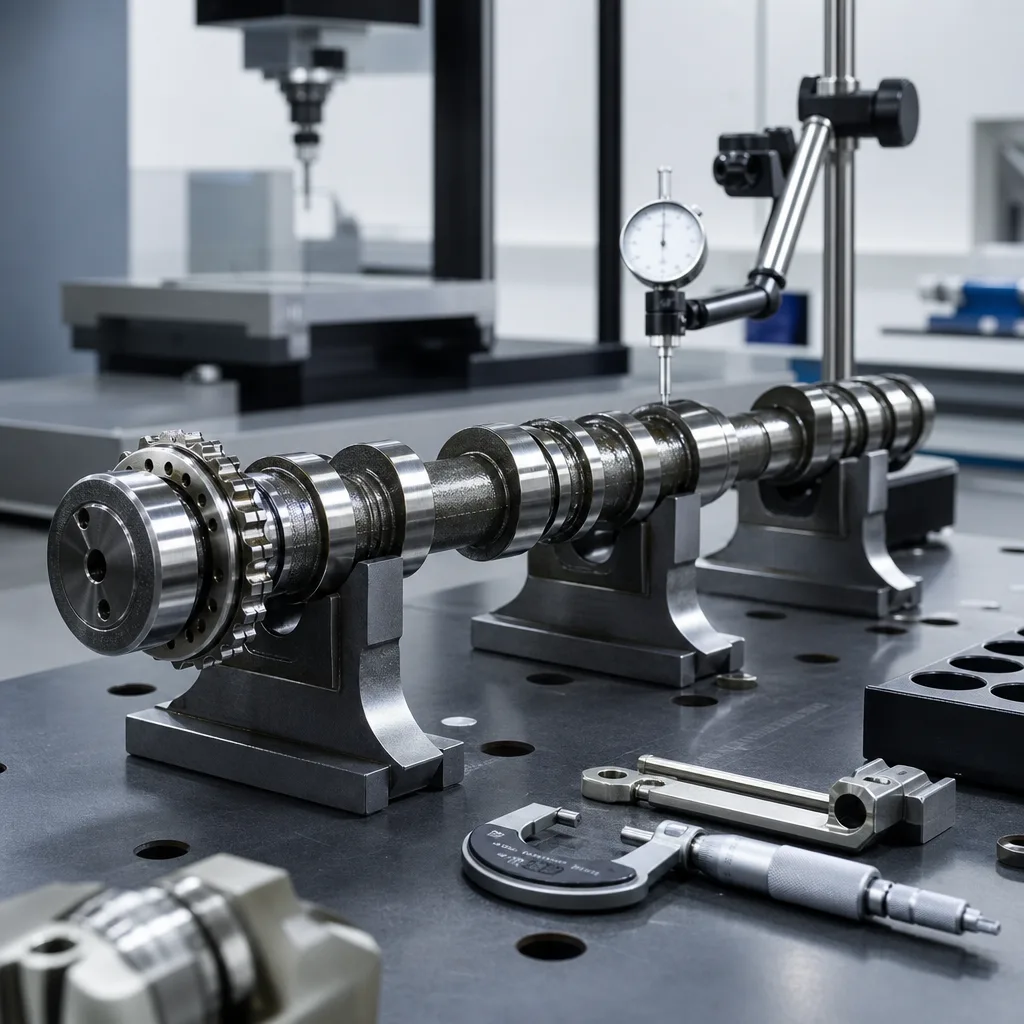
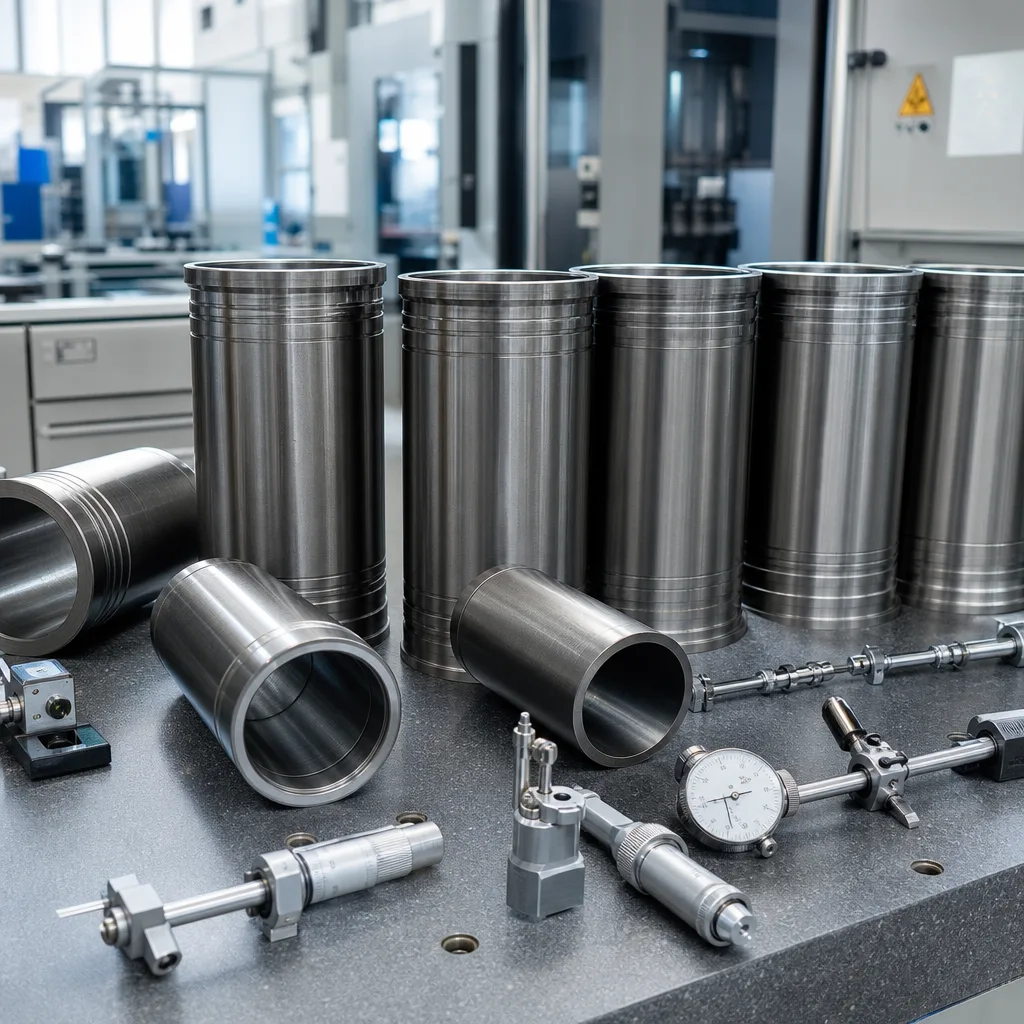
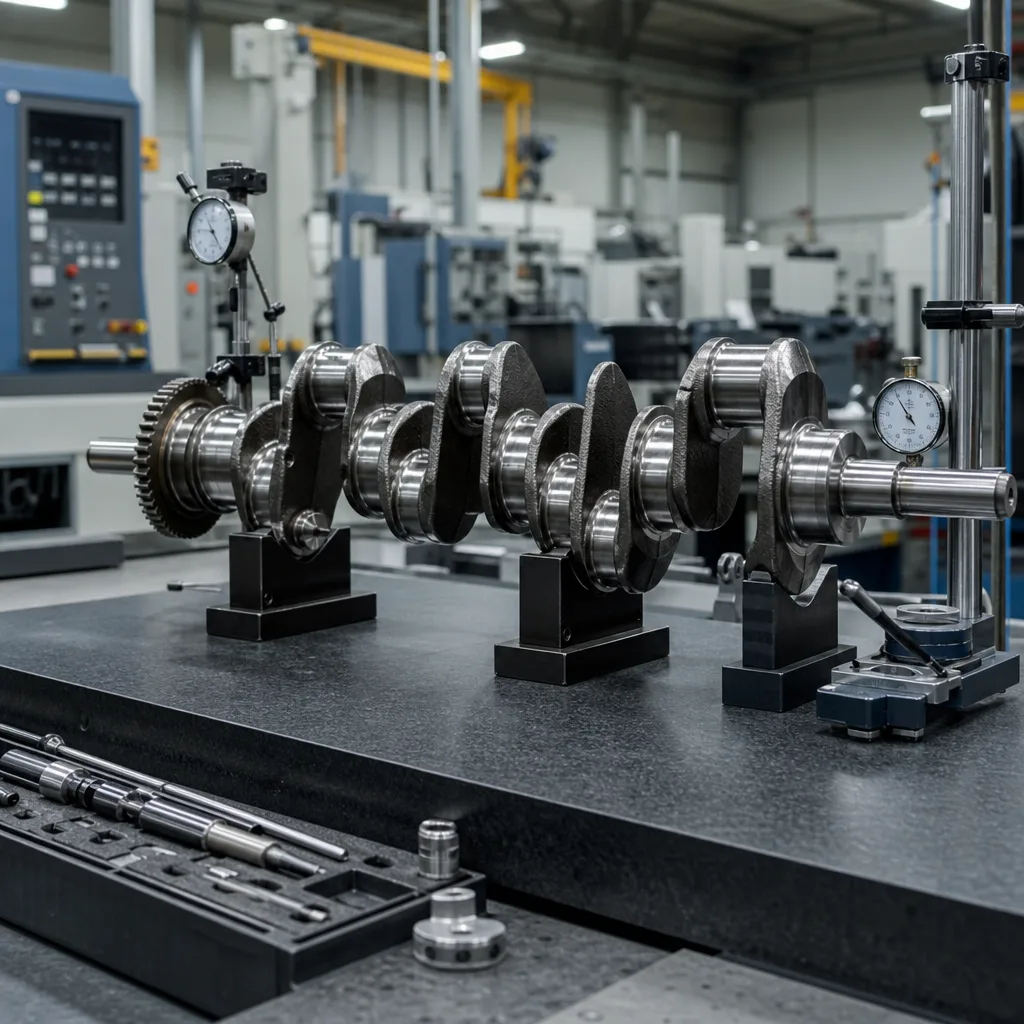
Wholesale returns usually trace back to one of five variables: length, bore size, roundness, balance, or bolt consistency. Ask the supplier to report these values on the first article and to retain the same gauge method for production lots.
| Control item | Typical buyer target | Why it matters |
|---|---|---|
| Center-to-center length | Within drawing tolerance, often ±0.02 mm | Protects deck height and rod ratio |
| Big-end bore roundness | Usually within 0.01 mm | Preserves bearing clearance |
| Small-end bore | Per print and bushing spec | Controls pin fit and wear |
| Rod weight | Match set within 1-2 g | Reduces imbalance |
| Bearing face finish | Fine finish per drawing | Supports oil film stability |