Broken Timing Belt Repair Cost: What Buyers Should Know
A broken timing belt is rarely a simple parts swap; it is usually a diagnosis-plus-repair event. Final cost depends on engine design, whether the engine is interference type, the extent of valve damage, labour time, and the condition of the tensioner, idlers, seals, and water pump. For procurement teams and workshop buyers, the key question is not the belt alone but the full timing system: belt, tensioner, idler, fasteners, seals, and any related components needed to restore timing control. If the engine is interference type, a snapped belt can bend valves and raise the broken timing belt repair cost timing belt scenario sharply. Driventus is an independent aftermarket manufacturer; brand names are referenced for fitment only. This article explains the cost drivers, inspection sequence, and part specifications that matter when sourcing replacement timing belt kits for fleet, trade, and export channels.
Broken timing belt repair cost: the real decision tree
Repair path
What it usually includes
Cost pressure
Buyer takeaway
Preventive timing service
Belt, tensioner, idler
Lower
Price the exact engine code and belt geometry before release
Complete service kit
Belt kit, water pump, seals, fasteners
Moderate
Compare kit contents, not just belt price
Post-failure repair
Valves, head work, gaskets
High
Separate diagnostics from hard-part sourcing
Major engine repair
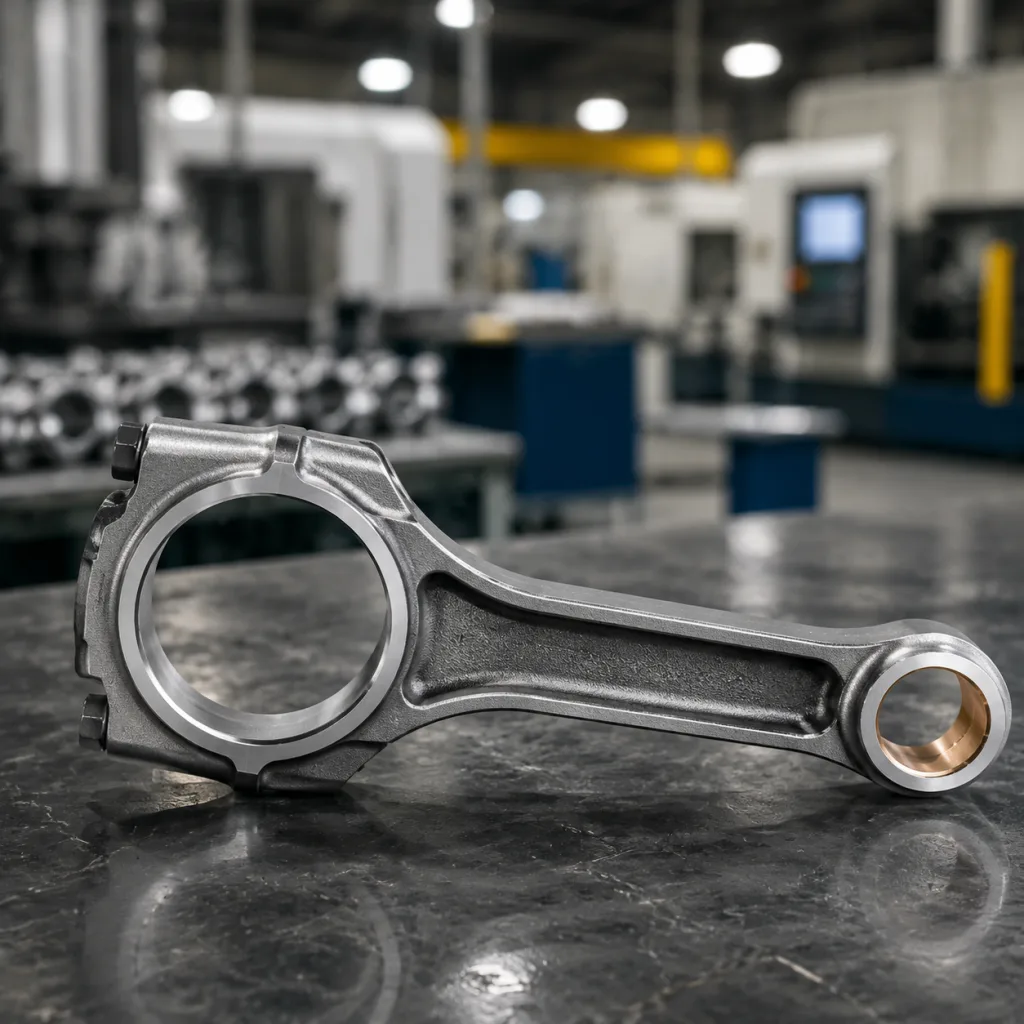
Pistons, rods, machining
Very high
Escalate to teardown, machining, and downtime assumptions
</tr></thead><tbody> </tbody></table>The biggest mistake is quoting the belt in isolation. On many vehicles, labour outweighs the part cost, especially where engine mounts, accessory drives, or front covers must come off first. Once a belt snaps on an interference engine, the job can jump from routine service to valve damage, head resurfacing, stem seals, gasket sets, and machine-shop delay. That is why a procurement quote should be split into parts, labour, diagnostics, and potential damage allowance.
A useful purchasing rule is to ask for three prices: belt-only, full timing kit, and post-failure repair exposure. That makes comparison easier and avoids false savings from a cheap belt that does not solve the full failure risk.
Failure signs that change the repair scope
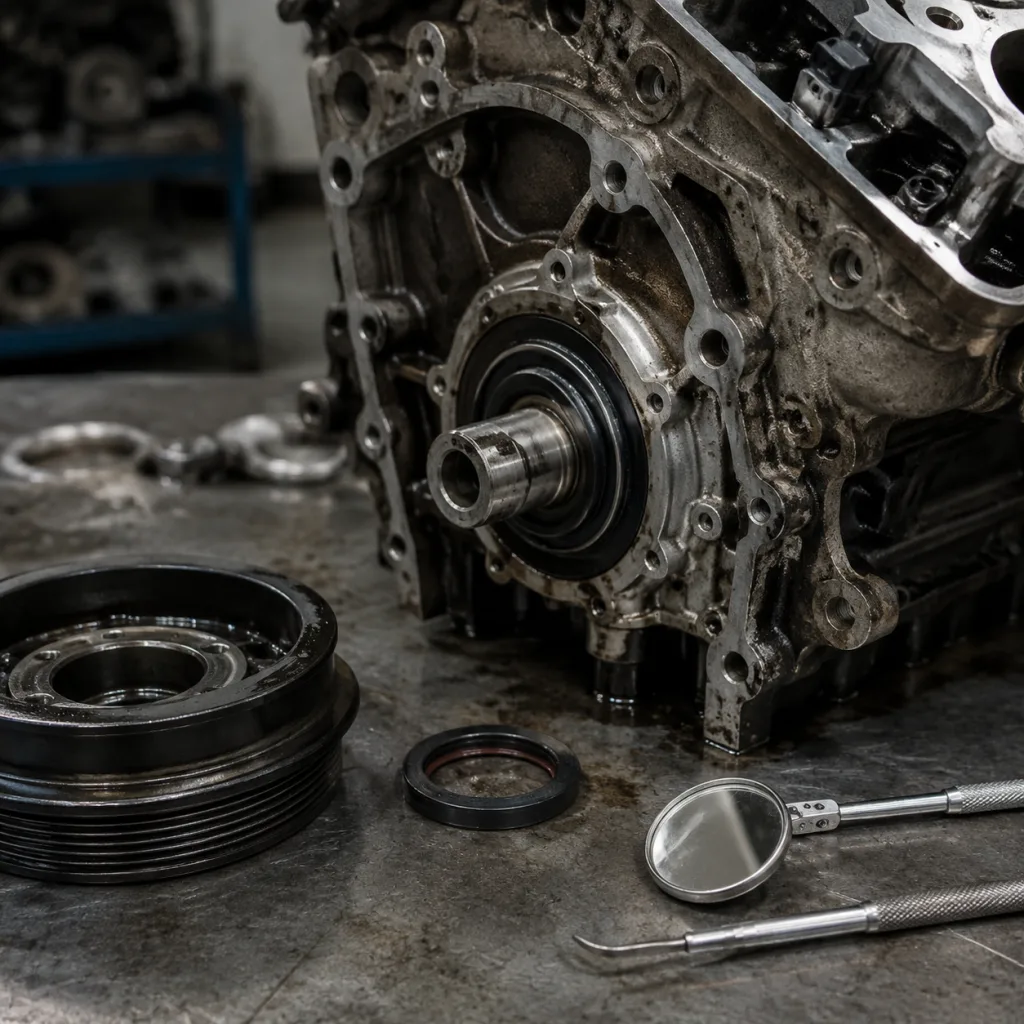
A broken timing belt usually announces itself fast. The engine may stall without warning, crank normally but never fire, or sound strangely light during cranking because compression has dropped. Sometimes there is a brief ticking or scraping noise from the timing cover area first. That noise matters.
Common signs include:
Sudden stall while driving.
Engine cranks but will not start.
Faster-than-normal starter speed.
Ticking, slapping, or scraping near the timing cover.
Misfire or uneven compression if the belt slipped rather than fully broke.
Belt fragments or debris visible around the cover.
If the engine is interference type, stop cranking after the first clear warning. More rotation can worsen valve-to-piston contact and turn a repair into a larger head job. The practical sequence is simple: confirm the symptom, stop the engine, then move to compression or borescope checks before ordering parts. That discipline saves time, and it avoids buying a timing kit before the failure mode is understood.
What to check before ordering parts
Before a buyer releases a timing order, the engine data has to be pinned down. Model year alone is not enough. Use the VIN plate, engine code, displacement, and build data first, then verify the belt geometry.
Confirm engine code, displacement, and build year.
Count belt teeth and measure belt width to the nearest 0.5 mm.
Verify tooth profile and pitch against OE reference.
Check tensioner mounting style, pulley offset, and preload range.
Measure idler diameter, bore size, and bearing seal type.
Record water pump bolt pattern, impeller height, and gasket shape if included.
Inspect the failed belt for oil saturation, glazing, cord exposure, or missing teeth.
Check for coolant leaks, crank seal seepage, cam seal leaks, or seized accessories.
Small dimensional errors can create belt noise, tracking problems, or early edge wear. On mixed-application stock, ask suppliers to list superseded numbers separately so the wrong revision does not ship under the right vehicle name. If there are multiple timing variants in one engine family, release only after engine code plus belt geometry are confirmed.
What a complete kit should include
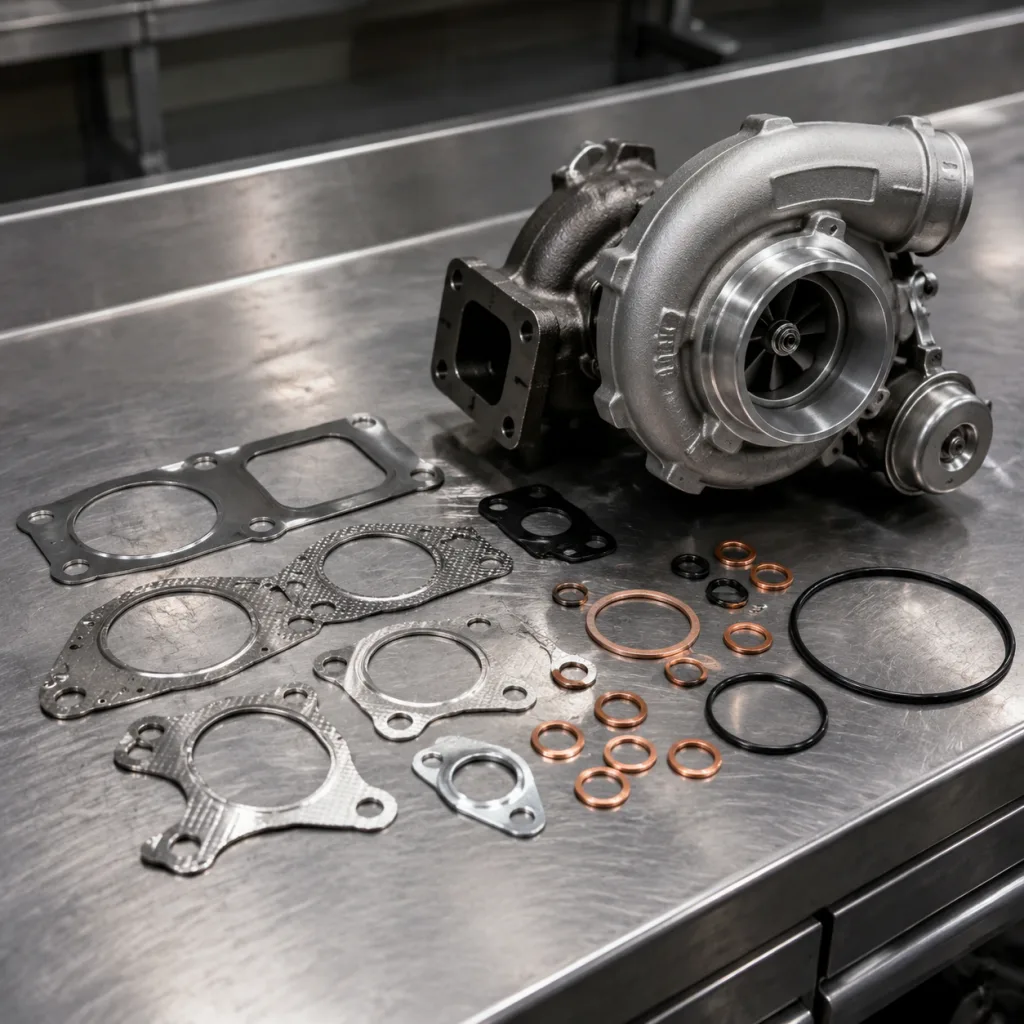
A timing belt replacement should be treated as a system change, not a single-part fix. Reusing old tensioners or idlers can create noise, unstable belt tension, and repeat failure. For workshop buyers, that means the kit needs to match the OE installation geometry and include the right supporting parts.
At minimum, specify whether the order is belt only, belt plus tensioner, belt plus idler, or a full service set with water pump, seals, and fasteners. If the tensioner is hydraulic, specify preload and stroke range. If it is mechanical, specify spring rate and locked-position dimensions. Those details cut returns and reduce incoming inspection time.
Driventus timing belt programmes are aligned with IATF 16949:2016 and ISO 9001:2015 process control, with material and compliance considerations for REACH (EC) No 1907/2006 where applicable. For buyers, that means controlled specification management and traceable production records rather than a belt-only commodity purchase. Ask for MOQ by SKU and application family, lead time in working days, sample policy, packaging method, and carton quantity. A practical sourcing template is sample in 3-7 days, production lot in 20-45 days depending on specification lock, and reorders after application validation.
How to compare offers without getting fooled by unit price
A cheap line item can hide expensive problems. Compare quotes on a landed, installed basis so the real repair cost is visible. A lower belt price may come with incomplete hardware, weaker bearing quality, or shorter service life.
Item
What to verify
Why it matters
Belt material
HNBR, neoprene, cord type
Heat and fatigue resistance
Tooth accuracy
Profile, pitch, width
Noise and timing stability
Tensioner
Bearing quality, preload range
Service life
Idler
Diameter, runout, seal type
Belt tracking
Water pump
Impeller, seal, bolt pattern
Access labour savings
Compliance
IATF 16949:2016, ISO 9001:2015, REACH
Supply control and market access
Commercial terms
MOQ, sample cost, lead time, warranty window
Stock planning and risk control
</tr></thead><tbody> </tbody></table>For export programs, also confirm carton labelling, batch traceability, and packaging that protects tooth form during freight. If the order mixes SKUs, ask for consolidated packing lists and application mapping before release. Buyers should also compare claim-handling terms, because a cheaper offer with poor warranty support can become the most expensive one after installation failures start generating returns.
When replacement is safer than another repair
If the belt failed once, the cause has to be found. Common root causes include oil contamination, seized idlers, failed tensioners, incorrect torque, coolant leaks on the belt path, and overdue service intervals. Fitting a new belt without fixing the cause invites repeat failure.
Replace the full timing set when:
The belt has fractured, stripped teeth, or delaminated.
The tensioner has lost preload or feels rough.
The idler shows bearing noise or axial play.
The water pump leaks or runs unevenly.
The engine has already been opened for head work.
The belt edge shows fraying or track wander.
For fleets and distributors, the full kit is usually the lower-risk buy. It raises first-time repair success and reduces comebacks. If the vehicle is high-utilization, build preventive replacement intervals into the sourcing plan and keep enough stock for the next maintenance window. In procurement terms, the cheapest part is not always the cheapest repair.
Frequently asked questions
It depends on engine layout and damage. Belt-only service is much lower than post-failure head repair. Interference engines can require valve work, machining, and gasket replacement, which raises total cost sharply. Buyers should request separate pricing for diagnostics, kit parts, water pump, labour hours, and any engine-head work so the quote reflects the full repair path.
Often yes, if it is driven by the same belt or accessed through the same labour path. Replacing it during the timing service reduces repeat labour and lowers the risk of coolant contamination. For procurement, ask whether the pump is supplied with gasket, O-ring, or sealant spec, and confirm the pump bolt pattern and impeller style before release.
Use engine code, OE cross-reference, tooth count, width, pitch, and tensioner style. Verify fitment before purchase and confirm the application against the vehicle build data. For better sourcing control, request a sample check, packaging photos, and written confirmation of MOQ, lead time, and interchange notes before placing the order.
If you need a verified timing belt programme, complete kit sourcing, or OE cross-reference support, contact Driventus for application review and quotation at /contact.html.