Best Online Auto Parts Store for B2B Sourcing
A search for the best online auto parts store often points buyers toward retail marketplaces. B2B sourcing requires a different standard. Importers, distributors, repair-chain buyers, and Tier-1 sourcing teams need to know whether a supplier can maintain dimensional consistency, document materials, repeat approved specifications, and support container-level logistics. Unit price matters, but it cannot offset warranty exposure, customs delays, poor fitment data, or unstable replenishment. For aftermarket replacement parts, the key question is whether the online supplier has factory control or is only aggregating inventory from third parties. Driventus Auto Parts manufactures engine and powertrain components in Taizhou, Zhejiang, including pistons, crankshafts, gaskets, water pumps, turbochargers, and related assemblies. We export to 60+ countries and operate under IATF 16949:2016 and ISO 9001:2015. Driventus is an independent aftermarket manufacturer; brand names are referenced for fitment only.
What B2B Buyers Should Mean by Best
For procurement teams, the best online auto parts store is not simply the site with the broadest consumer catalog or fastest checkout. It is a sourcing channel that connects online part identification with factory-controlled production, documented inspection, and reliable export execution.
Before issuing a purchase order, a B2B buyer should be able to answer three questions:
- Can the supplier confirm application coverage without implying vehicle-maker approval?
- Can the factory repeat the same specification across future batches?
- Can the documentation support import clearance, warranty review, and customer audits?
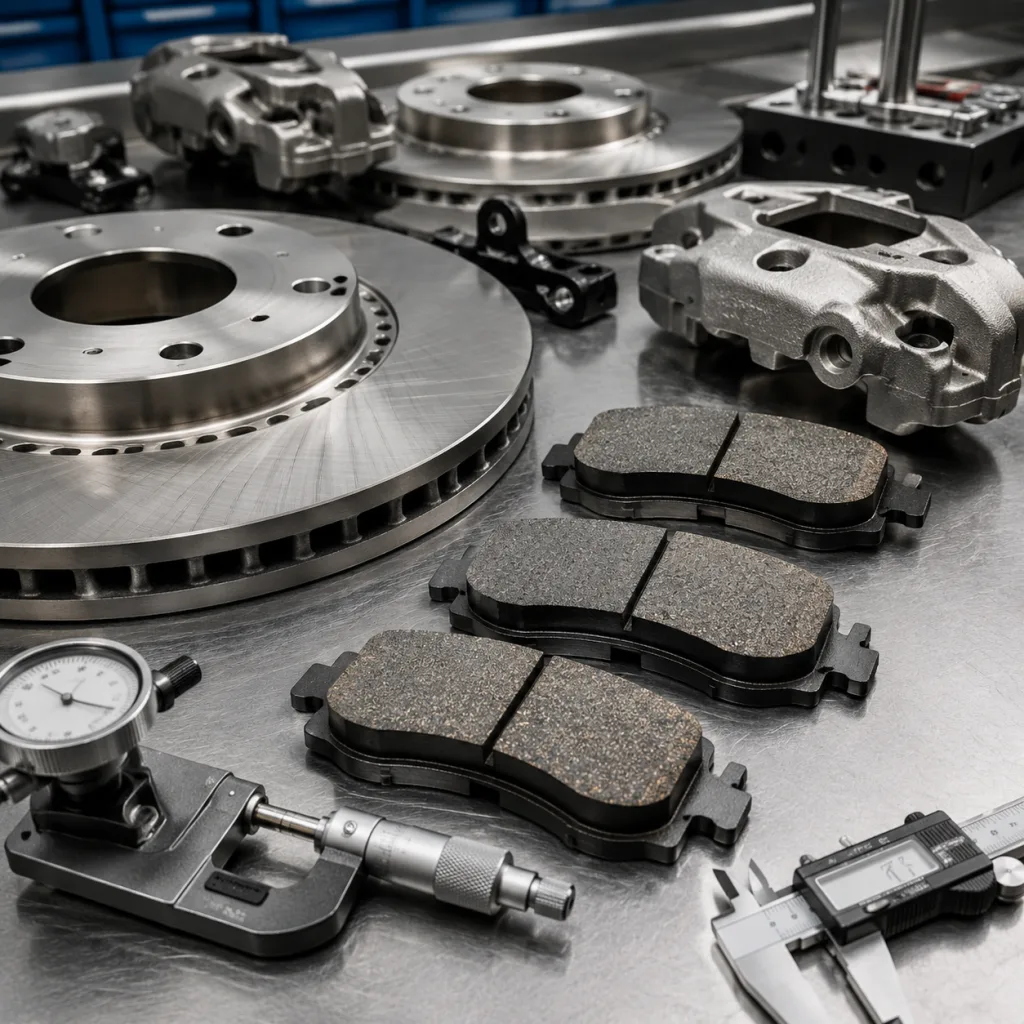
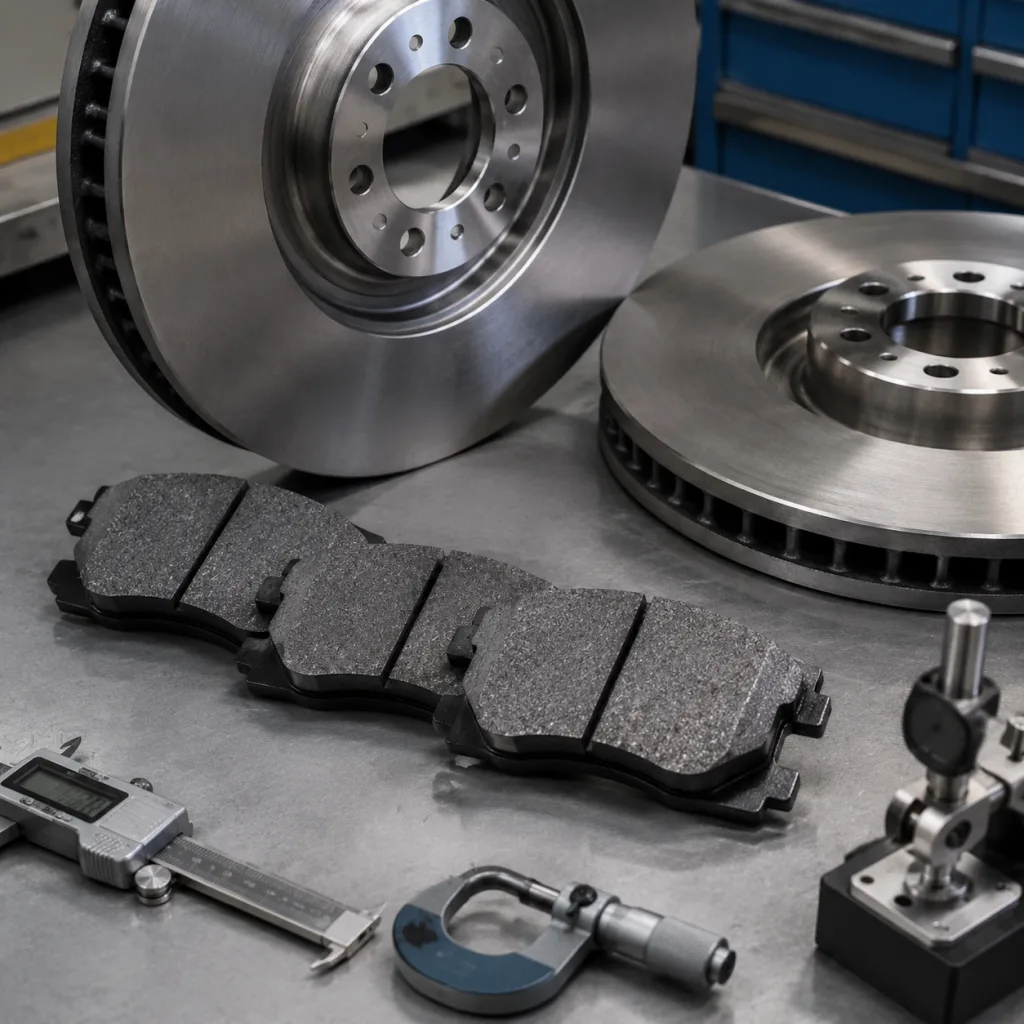
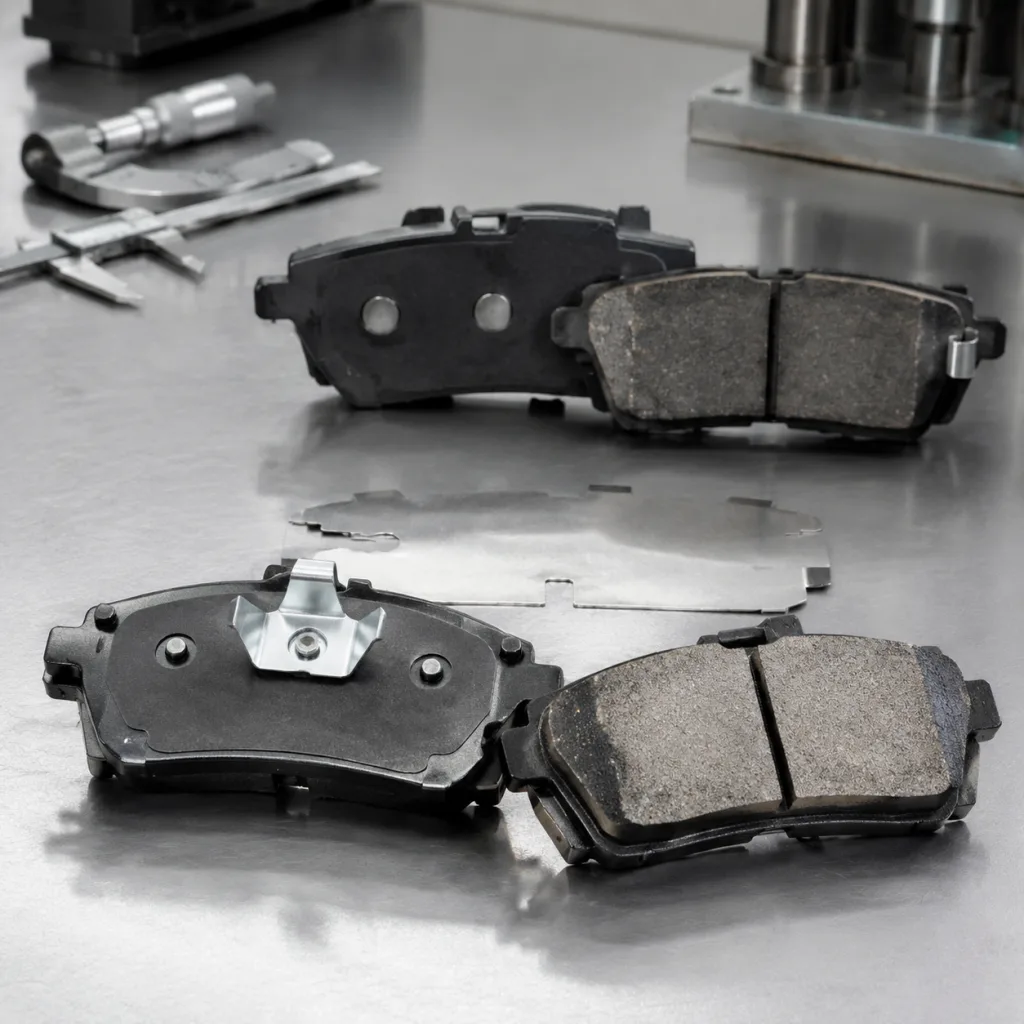
For aftermarket replacement parts, useful online sourcing should include part-family drawings, fitment tables, packaging options, and batch traceability. For engine components, procurement checks often cover piston diameter class, ring groove geometry, crankshaft journal finish, gasket material construction, water pump bearing specification, and turbocharger balancing records.
Online purchasing creates value only when it reduces sourcing risk. A catalog page can help a buyer shortlist parts, but the supplier still needs to provide controlled quotations, lead-time confirmation, and technical review. Driventus buyers can begin with our catalog, then move to sample validation or volume quotation depending on the project stage.
Supplier Qualification Criteria for Online Parts Sourcing
A serious online supplier should be evaluated with the same discipline used for an offline factory audit. The website is the entry point, not the qualification itself. Procurement teams should verify certification scope, manufacturing capability, testing equipment, non-conformance control, and export experience before awarding repeat business.
| Evaluation item | What to check | Why it matters for B2B buyers | |
|---|---|---|---|
| Certification | IATF 16949:2016 and ISO 9001:2015 scope, certificate validity, issuing body | Confirms that quality management processes are documented and externally audited | |
| Production control | In-house machining, assembly, inspection, and batch records | Reduces reliance on uncontrolled sub-suppliers and trading-only channels | |
| Part identification | OE-style cross-reference formats such as OE 06A107065 where relevant, without brand endorsement claims | Helps buyers match fitment while avoiding misleading approval language | |
| Materials compliance | REACH (EC) No 1907/2006 declarations where applicable | Supports EU and UK importer due diligence for restricted substances | |
| Testing records | Dimensional reports, hardness checks, leakage tests, balancing reports, or endurance data by part family | Supports technical release, incoming inspection, and warranty analysis | |
| Export support | HS code confirmation, packaging marks, pallet dimensions, and commercial documents | Reduces customs, warehouse receiving, and landed-cost problems |
| Commercial factor | Standard aftermarket order | Custom or private-label order | Procurement note |
|---|---|---|---|
| MOQ | Often mixed by part family and carton quantity | Usually higher because of packaging, tooling, or material reservation | Confirm by SKU and shipment plan |
| Sample lead time | Commonly 7–20 days when stock or semi-finished inventory exists | Longer if drawing review or tooling is required | Request inspection data with samples |
| Mass production lead time | Often 30–60 days after deposit and specification freeze | May extend for new materials, packaging, or validation | Build buffer for first article approval |
| Packaging | Neutral export packaging available | Buyer label, barcode, and carton artwork possible | Confirm country rules and warehouse requirements |
| Payment and logistics | FOB, CIF, or EXW depending on agreement | Same, with added project milestones where needed | Align Incoterms with the internal cost model |