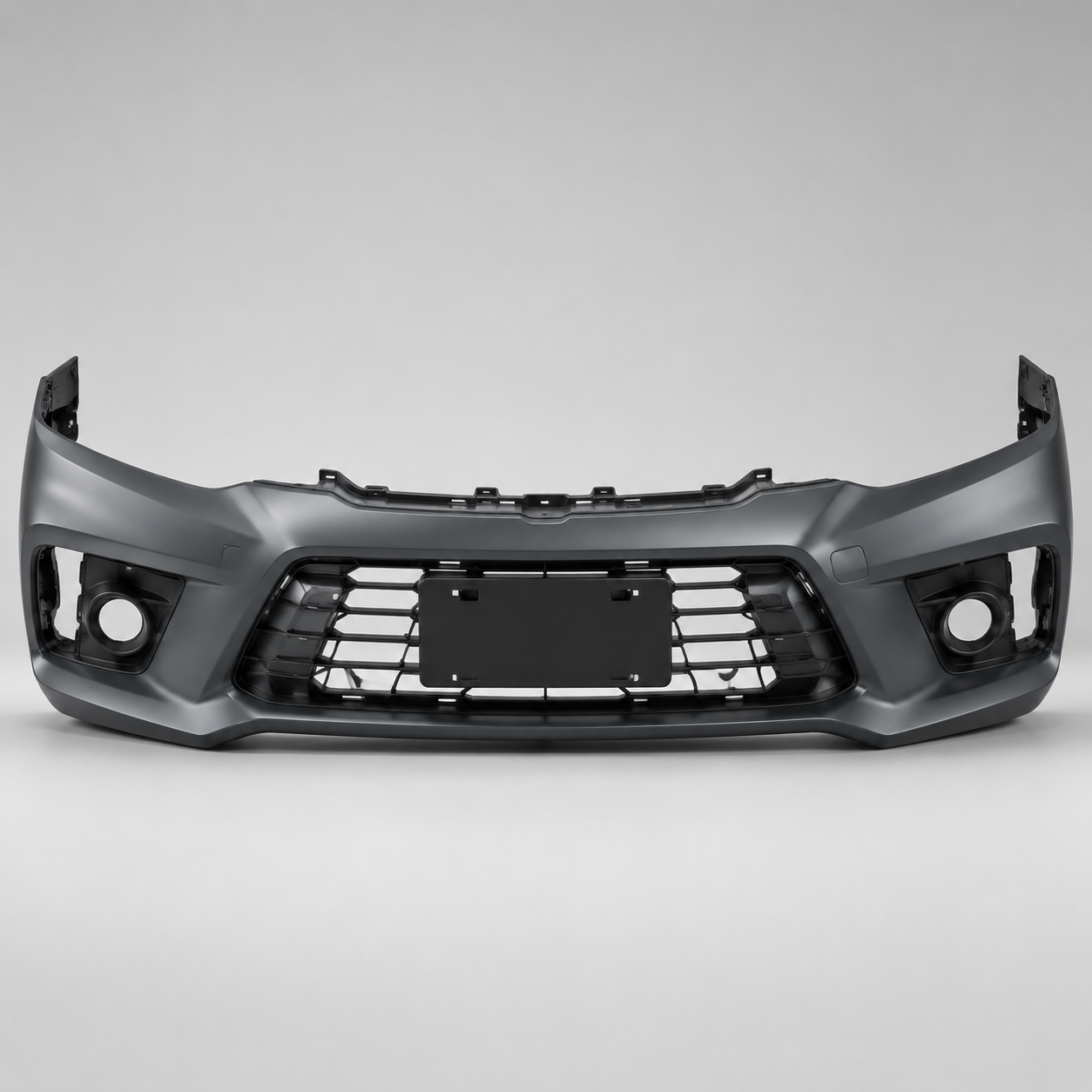
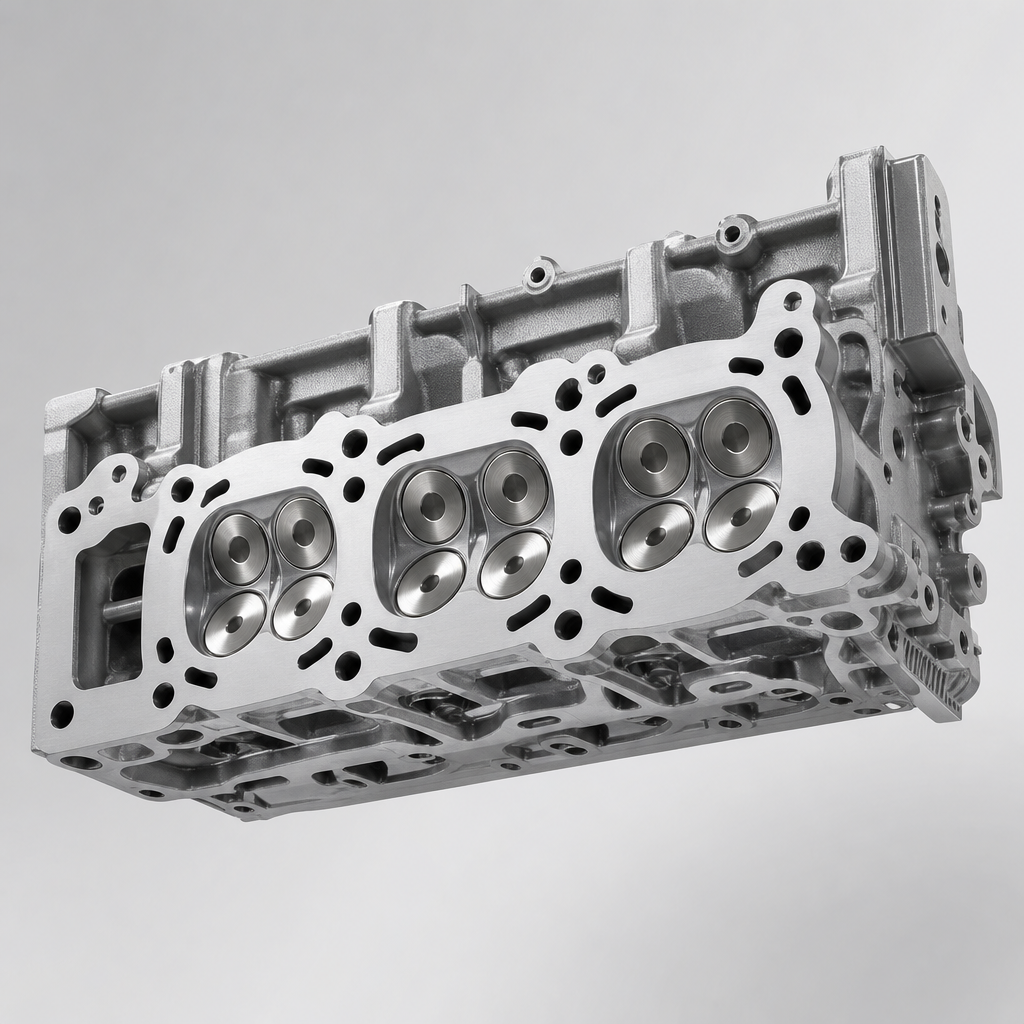
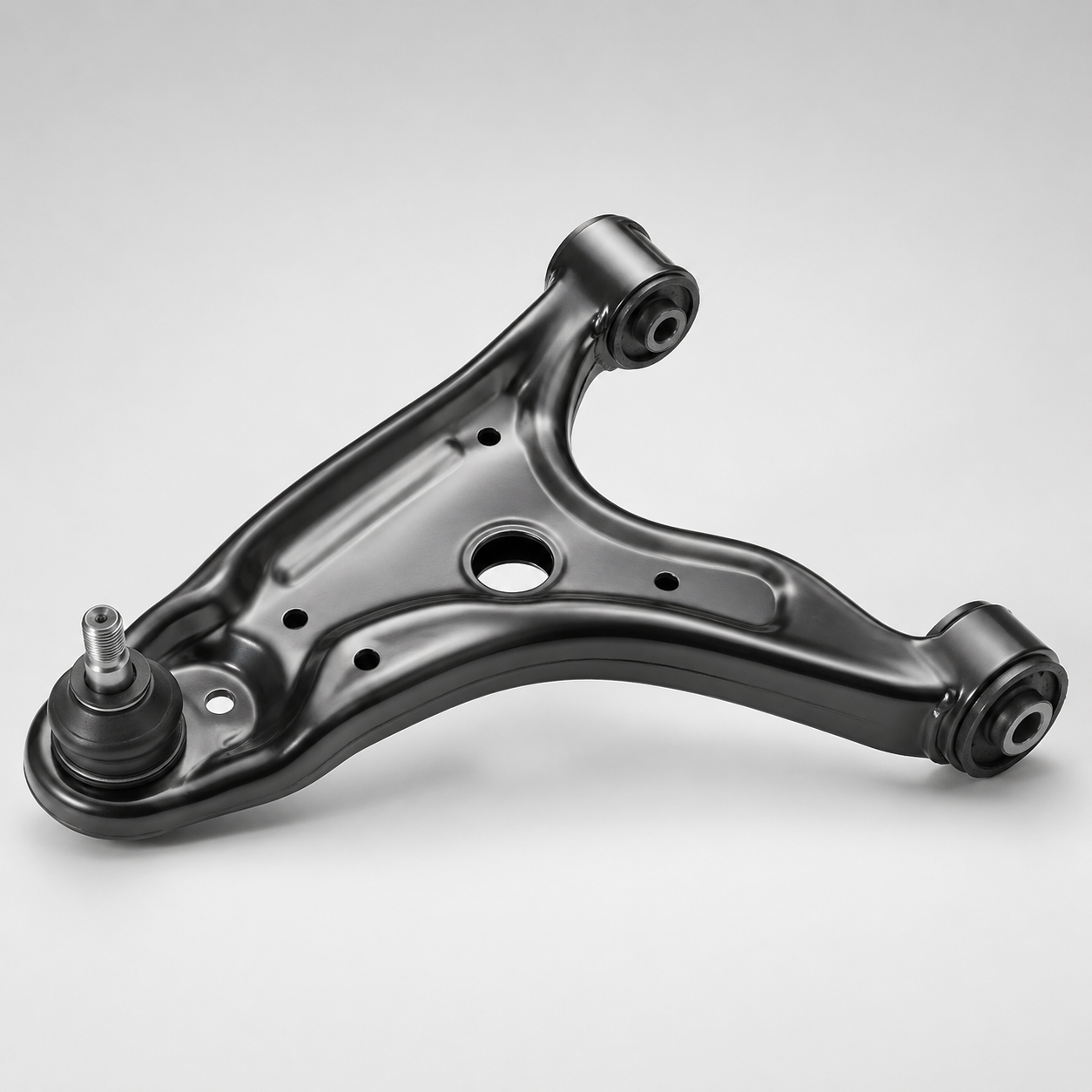
Buying aftermarket parts through digital channels is no longer just a small-order convenience. For distributors, repair networks, wholesalers, and importers, it can shorten sourcing cycles, widen supplier access, and simplify cross-border comparison. It can also create expensive problems fast when fitment data is thin, quality controls are unclear, or compliance records arrive late.
That is why serious evaluation of auto parts online retailers starts well before price comparison. A unit cost that looks 3% to 8% better on screen can be wiped out by a 5% return rate, a customs delay of 2 to 4 weeks, or warranty issues that consume service labour and credit notes. This guide is built for practical procurement decisions: how to judge catalogue depth, OE-equivalent fit, traceability, validation data, regulatory support, and fulfilment reliability without relying on storefront polish. The goal is to separate listing-based sellers from supply partners that can support a repeat purchasing programme. Driventus is an independent aftermarket manufacturer; brand names are referenced for fitment only.
Start with a go/no-go screen, not a price check
The first decision is simple: does this seller provide enough technical and operational control to justify deeper review? If not, stop early.
For B2B buyers, these are the fastest filters:
Fitment data quality: vehicle application mapping, engine codes, model years, displacement, power output, VIN split where relevant, and OE cross-reference logic tied to an internal application file
Part identification: stable SKU structure, revision control, and packaging labels that match invoices, packing lists, carton labels, and barcode records
Technical disclosure: dimensions, materials, hardness range, coating type, torque values, clearances, or installation notes for the part family
Batch traceability: lot coding linked to production date, line or machine, operator or shift, inspection record, and shipment record
Compliance documents: declarations aligned with REACH (EC) No 1907/2006, country-of-origin data, and market-specific paperwork where required
Management systems: evidence of IATF 16949:2016 and ISO 9001:2015 controls for nonconforming product, corrective action, gauge calibration, and supplier management
This screen matters because weak sellers often look strong at first glance. The website is polished. The listings are broad. The technical file behind the listing is thin. That gap usually shows up later as returns, slower claims handling, inconsistent replenishment, and extra admin work inside your team.
If the seller also claims to manufacture, test that claim early. Ask for a sample inspection report within 24 to 72 hours and check whether it shows measured values rather than catalogue nominal sizes only. Among auto parts online retailers, that one request often reveals whether you are dealing with a real supply partner or a transactional reseller.
Compare offers by failure mode, not headline unit cost
When procurement compares suppliers only on unit price, risk gets hidden. A cheaper part becomes expensive when it drives rework, stock gaps, installer delay, or repeated warranty handling.
Use a comparison table built around what can go wrong:
Margin erosion, admin burden, unresolved field failures
</tr></thead><tbody> </tbody></table>For higher-risk categories such as pistons, gaskets, water pumps, turbochargers, and crankshaft-related components, do not rely on screenshots and short descriptions. Request a sample document pack and judge how fast the supplier answers technical questions with usable detail.
Useful proof points include:
measured dimensions with tolerances such as Ø82.00 mm ±0.01 mm, groove width tolerance, flange flatness, or runout limit
material specifications by component, such as Al-Si piston alloy, NBR/FKM seal material, or hardness ranges like HRC 58 to 62 where relevant
leak, balance, or durability test data including test pressure, RPM, cycle count, or acceptance limit
photos of packaging, inner protection, batch labels, and pallet build
corrective action format for field complaints, ideally with containment within 48 hours and root-cause closure within 10 to 20 working days
Also ask a question many buyers skip: are the parts produced in-house, outsourced, or consolidated from multiple plants? That answer affects consistency, lead-time control, and root-cause investigation. The strongest auto parts online retailers make this clear instead of forcing buyers to guess from marketing language.
For commercial alignment, require every quote in the same format: MOQ per SKU, price break at 100 / 500 / 1,000 units, sample charge, tooling charge if any, standard lead time, expedite lead time, and warranty period. That turns online offers into a like-for-like sourcing comparison.
Fitment control: the technical deep-dive that protects margin
Fitment failure is one of the fastest ways to destroy profitability in aftermarket replacement parts. So the real question is not whether a listing names the right vehicle. It is whether the supplier controls dimensional and functional equivalence as an engineering process.
What to inspect closely
Critical dimensions: bore, ring groove, pin bore, flange thickness, bolt pattern, sealing face flatness, shaft journal size, connector pitch, or impeller offset depending on product type
Material match: alloy grade, elastomer type, bearing material, coating thickness, or heat treatment where performance depends on the substrate
Assembly compatibility: hardware inclusion, sensor port geometry, gasket interface, thread size, connector orientation, and pulley or housing alignment
Validation testing: pressure tests, flow tests, hardness checks, metallographic review, burst tests, and endurance testing where relevant
The table below shows the level of control buyers should expect in common categories.
</tr></thead><tbody> </tbody></table>Push beyond nominal dimensions. Ask for tolerance bands. A piston listing, for example, should clarify whether skirt diameter is held to ±0.01 to ±0.02 mm, pin bore to ±0.005 to ±0.01 mm, and weight grouping within a defined range such as ±3 g or tighter for matched sets. Sealing parts should have flatness, thickness tolerance, and compression recovery criteria. Rotating parts should have runout and dynamic balance limits.
If an enquiry includes an OE reference such as OE 06A107065, ask for the supplier’s cross-reference method and dimensional comparison record. Title tags are not evidence.
Reliable auto parts online retailers present fitment as controlled engineering work, not as a broad compatibility claim. You can review examples across our catalog and discuss part-specific requirements for custom manufacturing when a standard listing does not fully match your market need.
Which documents should be in hand before the first large order?
This is where many sourcing projects either stabilize or drift into avoidable risk. Before placing a meaningful order, procurement should already have a working document set. That is especially important for EU, UK, US, Canadian, Australian, and Brazilian import programmes, where paperwork gaps can create customs and commercial problems.
Request this baseline pack:
copy of current IATF 16949:2016 and ISO 9001:2015 certificates
product inspection plan or control plan summary with key characteristics and sampling frequency
sample final inspection report with measured values, tolerances, date, and inspector sign-off
material compliance statement referencing REACH (EC) No 1907/2006 where applicable
packaging specification and palletisation standard, including carton dimensions, gross weight, and stacking limit
traceability method from shipment back to batch, line, and inspection release
warranty and nonconformance handling procedure with response-time targets
Then go one layer deeper. For some product groups, part-specific standards matter. Braking or friction-related components may require discussion around standards such as SAE J2527. Emissions-related parts may involve regulations such as ECE R-83 depending on the product and destination market. The correct request changes by category, so the evidence pack should match the risk of the line you are buying.
A useful review question is: can the supplier explain how the quality system works in practice? Ask for examples of PPAP-style records, gauge calibration, supplier control, and corrective action management. Certificates alone do not tell you whether the system is active.
Also confirm operating detail: calibration interval for critical gauges, record retention period, sample size used in final inspection, and time required to issue replacement paperwork if customs or your customer asks for clarification. Suppliers that can release a certificate pack in 1 to 2 working days are usually better prepared for repeat export business than those building documents after shipment.
Driventus operates under documented controls for process management, inspection, and traceability. More detail is available on our quality system page.
Marketplace or supply partner? Ask these questions early
Not every digital seller is built for recurring B2B supply. Some are useful for one-off purchases. Fewer are structured for scheduled replenishment, account-specific packaging, private label work, or engineering change control.
The distinction usually becomes clear in five areas:
1. Ownership of production: manufacturers usually answer technical questions faster and control changes more directly. 2. Range continuity: stable catalogue coverage matters when you are building a repeat programme across regions. 3. MOQ and lead-time clarity: buyers need realistic numbers by SKU family, not generic claims. 4. Change notification: design, material, or packaging changes should be documented before shipment. 5. Engineering support: repeat accounts often need drawing review, sample approval, and packaging adaptation.
Use direct questions instead of generic qualification forms:
Is the stock owned by the seller or by third-party merchants?
Can the seller provide batch-specific inspection records?
What is the standard lead time for repeat orders and for urgent replenishment?
Are private label, barcode, and carton changes available?
How are field complaints analysed and closed?
Good answers contain operating numbers. Typical B2B ranges vary by product and tooling status, but a credible seller should be able to state whether MOQ is 20 to 50 pcs for stocked repair parts, 100 to 300 pcs for standard export production, or 500+ pcs for private-label packaging runs. Lead-time statements should be equally concrete: sample dispatch in 3 to 10 days, repeat order lead time in 15 to 35 days, and custom packaging or new-tool orders in 30 to 60+ days are all reasonable if explained clearly.
Price logic should also be explicit. The important question is rarely just unit price. It is whether pricing changes by annual volume, mixed-container consolidation, packaging type, or raw-material movement. Ask for the price at 50, 200, and 1,000 pieces, with neutral box versus private label, and under EXW versus FOB terms.
For buyers consolidating multiple part families, a supplier with broader manufacturing capability can reduce vendor count and simplify quality monitoring. In practice, the best auto parts online retailers combine digital convenience with factory-level accountability.
If your programme includes engine and powertrain items, it is worth checking whether one account structure can support adjacent categories, from core engine components to sealing and cooling parts.
A step-by-step shortlist process for 2026 sourcing
A strong sourcing process moves in stages. It does not jump from online search results to full approval.
Suggested sequence
1. Screen listing quality for application accuracy, images, specifications, and commercial terms. 2. Request a document pack covering certificates, inspection reports, compliance declarations, and packaging details. 3. Compare samples against critical dimensions, material expectations, and installation interfaces. 4. Run a pilot order to test fulfilment accuracy, transit protection, and claims responsiveness. 5. Approve by category rather than approving the entire catalogue at once.
Make each stage measurable. Reject listings with missing OE references or incomplete model-year mapping. Require technical replies within 48 to 72 hours. Confirm sample dimensions on the 3 to 5 most critical characteristics. Run a pilot order large enough to test packaging and picking accuracy, often 50 to 200 units depending on part value. Then review on-time delivery, shortage rate, label accuracy, and claims response before expanding volume.
This is a better decision model than choosing a supplier because it ranks highly in search or advertises a discount. Visibility helps you find candidates. It does not prove process discipline.
A simple vendor scorecard keeps the review balanced: 30% fitment and technical data, 25% quality evidence, 20% commercial terms, 15% lead-time performance, and 10% claims handling. That structure stops low-price offers from winning when they carry higher return, compliance, or replenishment risk.
For procurement teams assessing auto parts online retailers for aftermarket replacement parts, the strongest candidates are usually the ones that combine digital accessibility with documented quality systems, technical support, and factory-level controls. That mix reduces returns, protects margin, and supports long-term account growth.
Driventus supports B2B buyers with cross-border supply of engine and powertrain components, documented quality controls, and configurable packaging options. You can review our catalog, explore custom manufacturing options, or request a quote for a specific sourcing brief.
Frequently asked questions
For B2B buyers, the main risk is not the online format itself. It is weak control of fitment data, batch consistency, and compliance documents. When those areas are poorly managed, a low quoted price can disappear quickly through returns, warranty credits, installation delays, and customs issues within the first one or two shipments.
Ask for factory certificates, batch traceability examples, inspection records, and clear explanations of where the parts are produced. A real manufacturer should be able to explain production control, change management, MOQ by SKU family, standard lead times, sample timing, and packaging options in specific operational terms rather than broad sales language.
Yes, in most replacement part categories. Samples allow dimensional checks, packaging review, and basic validation before a larger commitment. They also reveal whether the listing data matches the delivered product, which is an important filter when comparing auto parts online retailers. For higher-risk parts, buyers should verify a defined set of critical dimensions and record the results before approving a pilot order.
If you are building or reviewing an aftermarket replacement parts supply programme, Driventus can provide technical data, quality documentation and category-specific support. Contact our team to discuss your requirements at /contact.html